
Introduction
In the fast-paced world of manufacturing, understanding production capacity is crucial for success. Production capacity refers to the maximum output that a manufacturing facility can produce within a specific timeframe, and it serves as a foundational element in operational planning. By grasping what production capacity in manufacturing entails, businesses can optimize their processes and meet market demands effectively.
Evaluating production capacity is not just a good practice; it's essential for maintaining competitiveness in today's dynamic market landscape. Organizations that regularly assess their production capabilities can identify bottlenecks, improve efficiency, and make informed decisions about resource allocation. An accurate evaluation of production capacity helps manufacturers align their output with customer expectations while minimizing waste and maximizing profitability.
Several key factors influence production capacity, including equipment capabilities, workforce skills, and supply chain dynamics. Understanding these factors allows manufacturers to anticipate challenges that may constrain or reduce production capacity over time. By addressing these elements proactively, companies can implement strategies to increase production capacity while ensuring consistent quality across their operations.
Defining Production Capacity
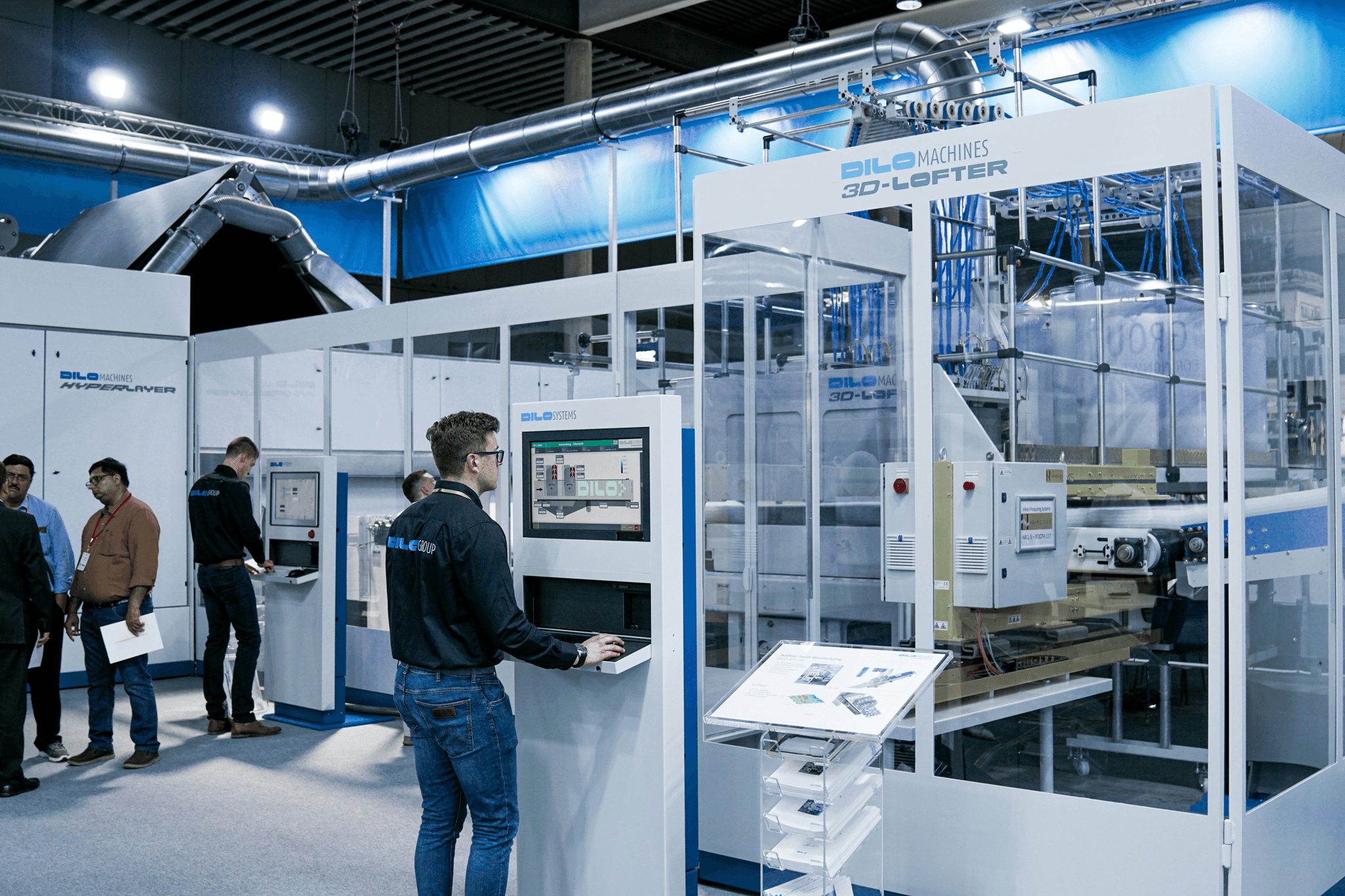
Understanding production capacity is essential for manufacturers aiming to optimize their operations and meet market demands. Production capacity refers to the maximum amount of goods that a manufacturing facility can produce within a given timeframe, under normal conditions. It encompasses various factors, including equipment capabilities, workforce skills, and operational efficiency.
What is Production Capacity in Manufacturing?
So, what is production capacity in manufacturing? At its core, it represents the potential output of a factory or production line. This potential can be influenced by numerous variables such as machinery performance, labor availability, and even supply chain dynamics. A clear grasp of production capacity allows businesses to forecast demand accurately and allocate resources efficiently.
Types of Production Capacity
When diving into types of production capacity, we encounter several categories that help manufacturers strategize effectively. First off, there’s theoretical capacity—this is the maximum output under perfect conditions without any downtime or interruptions. Then we have practical capacity, which accounts for real-world constraints like maintenance schedules and labor availability; this is often more reflective of actual performance.
Additionally, there are design capacity and effective capacity to consider; design capacity refers to what the equipment was originally intended to produce while effective capacity takes into account operational realities that might limit output. Understanding these distinctions helps organizations identify where they stand and how they can improve their overall production capabilities.
Real-World Examples of Production Capacity
Real-world examples of production capacity can illuminate how different industries approach this concept. For instance, an automobile manufacturer may have a theoretical capacity of 500 cars per day but operates at an effective rate closer to 350 due to workforce limitations and equipment maintenance needs. In contrast, a food processing plant might experience fluctuations in production depending on seasonal ingredient availability—showcasing how external factors can impact overall output.
Another example could be found in electronics manufacturing where rapid technological advancements necessitate constant adjustments to production lines; here understanding what factors constrain or reduce production capacity becomes crucial for staying competitive in an ever-evolving market landscape.
Methods to Evaluate Production Capacity

Evaluating production capacity is crucial for any manufacturing operation, as it helps identify strengths and weaknesses in the production process. Understanding how to assess this capacity enables businesses to make informed decisions about resource allocation, workforce management, and equipment investment. In this section, we will explore the primary methods used to evaluate production capacity, differentiate between qualitative and quantitative approaches, and highlight the importance of benchmarking against industry standards.
What are the Primary Methods to Evaluate Production Capacity?
When considering what is production capacity in manufacturing, several primary methods come into play. These include throughput analysis, utilization rates, and efficiency metrics. Throughput analysis focuses on the number of units produced within a specific timeframe, while utilization rates measure how much of a facility's potential output is being achieved.
Additionally, efficiency metrics compare actual production against planned production levels. By employing these methods collectively, manufacturers can gain a comprehensive view of their operational capabilities and identify areas for improvement. Ultimately, understanding these evaluation methods allows companies to enhance their overall production capacity effectively.
Qualitative vs. Quantitative Methods
In evaluating production capacity, it's essential to differentiate between qualitative and quantitative methods. Quantitative methods rely on numerical data—think statistics that reveal hard facts about output levels or machinery performance—while qualitative approaches focus on non-numerical insights such as employee morale or workflow efficiency.
Both types of evaluation are vital for a well-rounded understanding of what factors constrain or reduce production capacity. For instance, while numbers may indicate that machinery is running at 80% efficiency during peak hours (a quantitative insight), qualitative observations might reveal that workers are stressed due to inadequate training or poor communication (a qualitative insight). Striking a balance between these two methodologies can lead to more informed decision-making regarding how you calculate production capacity step by step.
Benchmarking Against Industry Standards
Benchmarking against industry standards is another powerful method for evaluating production capacity effectively. This process involves comparing your manufacturing processes with those of leading competitors in your field or established best practices within the industry itself. By identifying gaps between your current performance and industry benchmarks, you can pinpoint areas needing improvement.
This not only highlights where you stand in terms of productivity but also provides insights into which performance metrics should you monitor to understand capacity better than ever before. For example, if industry leaders achieve a 90% utilization rate while your facility operates at 75%, it's time to dig deeper into potential inefficiencies and explore strategies on how you can increase production capacity moving forward.
Constraints on Production Capacity
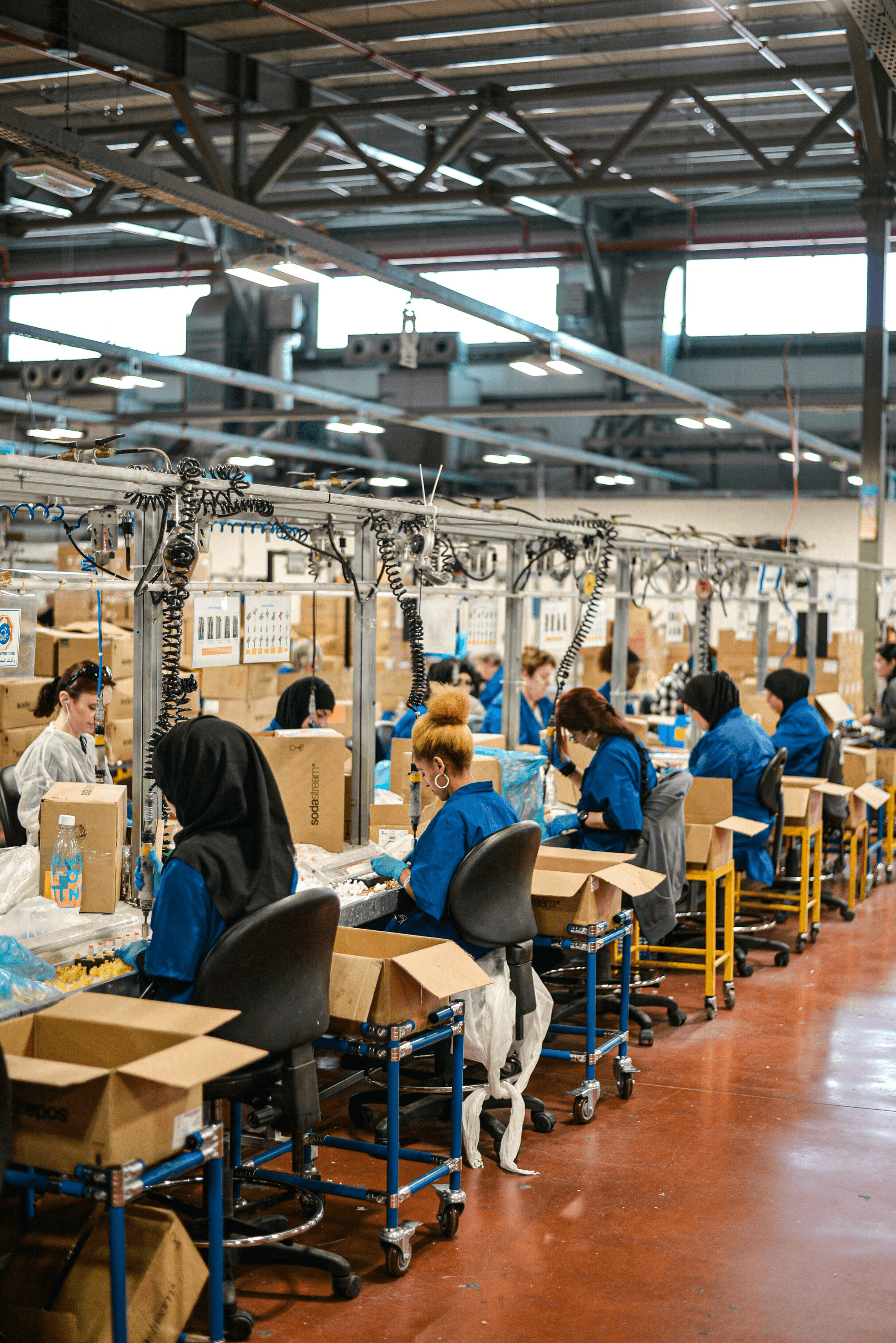
In the complex world of manufacturing, understanding production capacity is crucial for optimizing output and efficiency. However, several constraints can hinder a facility's ability to meet its production goals. Identifying these factors is the first step in addressing them and ultimately enhancing production capacity.
What Factors Constrain or Reduce Production Capacity?
Many factors can constrain or reduce production capacity, including equipment limitations, workforce challenges, and supply chain disruptions. For instance, if machinery frequently breaks down or requires maintenance, it can lead to significant delays in output. Additionally, a shortage of skilled labor can limit the ability to operate machines efficiently or implement necessary changes that enhance production capacity.
Another critical constraint arises from inadequate materials or resources needed for manufacturing processes. If suppliers cannot deliver raw materials on time or if quality issues arise with those materials, production lines may come to a halt. Understanding these constraints allows manufacturers to develop strategies that mitigate risks and ensure smoother operations.
Equipment Limitations and Maintenance Issues
When discussing what is production capacity in manufacturing, one cannot overlook the role of equipment limitations and maintenance issues as significant constraints. Aging machinery often struggles to keep pace with modern demands and may not be capable of producing at optimal levels without frequent breakdowns. Regular maintenance is essential; however, it can also temporarily reduce available production capacity when machines are taken offline for repairs.
Moreover, the inability to upgrade equipment due to budget constraints further compounds these issues. Manufacturers must carefully evaluate their current assets against their desired output levels; otherwise, they risk falling behind competitors who invest in more advanced technology that enhances their overall production capacity.
Workforce Skills and Availability
The human element plays a vital role in determining overall production capacity as well—specifically workforce skills and availability. A skilled workforce is essential for operating complex machinery effectively; without adequate training programs or recruitment strategies in place, companies may struggle with inefficiencies that directly impact their ability to produce goods at required levels.
Additionally, high turnover rates can lead to knowledge gaps within teams that hinder productivity further still; when experienced workers leave without thorough handovers being conducted, new employees may take time before they reach full efficiency again—thus reducing overall output during this transition phase. Addressing workforce challenges through targeted training initiatives not only boosts morale but also significantly enhances an organization’s potential for increasing its production capacity.
Calculating Production Capacity
Understanding how to calculate production capacity is essential for manufacturers aiming to optimize their operations. It involves determining the maximum output that can be achieved within a specific timeframe, given the resources available. This process not only helps in assessing current capabilities but also serves as a foundation for future planning and improvements.
How Do You Calculate Production Capacity Step by Step?
To calculate production capacity step by step, start by identifying the total available working hours in a given period, such as a week or month. Next, determine the cycle time for each unit produced; this is how long it takes to manufacture one complete product. Then, apply the formula: **Production Capacity = Total Available Hours / Cycle Time**; this will give you the theoretical maximum output under ideal conditions.
However, it's crucial to consider real-world factors that may affect this calculation, such as downtime due to maintenance or inefficiencies in processes. After accounting for these constraints on production capacity—like equipment limitations and workforce availability—you can refine your calculations further to provide a more accurate picture of what your manufacturing setup can achieve.
Sample Calculations for Different Industries
Let’s explore sample calculations of production capacity across various industries to see how it applies practically. In automotive manufacturing, if a factory operates 160 hours per month and the cycle time per vehicle is 4 hours, then the production capacity would be calculated as follows: **160 hours / 4 hours per vehicle = 40 vehicles per month**.
In contrast, consider a bakery where each loaf of bread takes about 30 minutes to bake and they have 120 working hours monthly; thus their calculation would look like this: **120 hours x 2 (for two batches an hour) = 240 loaves per month**. These examples illustrate that understanding what is production capacity in manufacturing varies significantly depending on industry specifics and operational efficiencies.
Tools and Software for Capacity Calculations
Calculating production capacity manually can be tedious; hence many manufacturers turn to tools and software designed specifically for this purpose. Various platforms offer features that streamline calculations while allowing businesses to input real-time data related to their operations—enhancing accuracy when evaluating production capacity.
Some popular options include ERP systems like SAP or Oracle NetSuite which integrate various aspects of manufacturing management into one cohesive platform. Additionally, specialized tools like Microsoft Excel or dedicated capacity planning software can help visualize data trends over time while providing insights into performance metrics you should monitor closely.
Performance Metrics for Capacity Monitoring
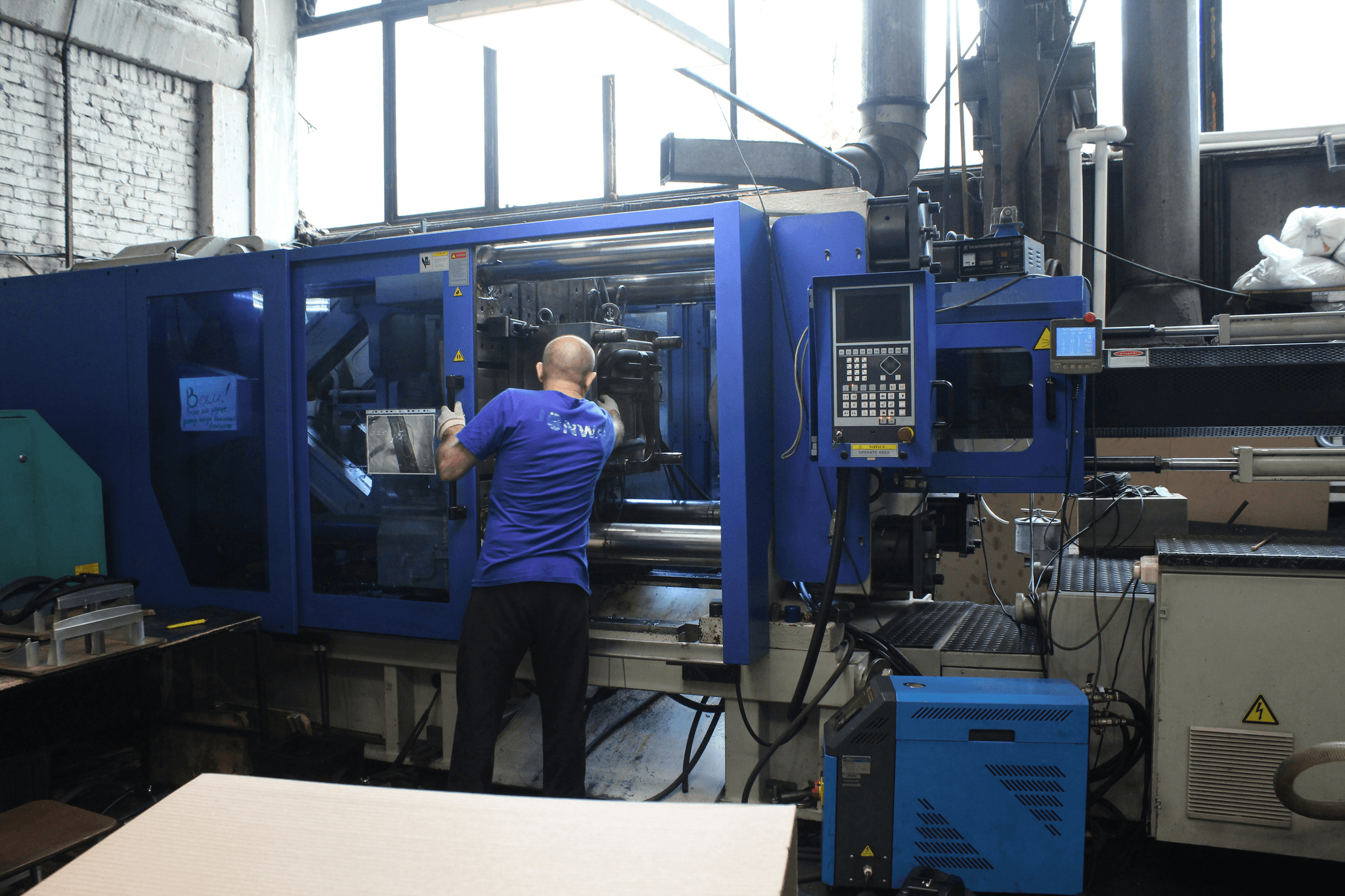
Monitoring performance metrics is crucial for understanding production capacity effectively. By evaluating these metrics, manufacturers can identify areas for improvement and ensure that they are operating at optimal efficiency. This section will delve into the essential performance metrics that should be monitored to gain insights into production capacity.
Which Performance Metrics Should You Monitor to Understand Capacity?
To truly grasp production capacity, it's vital to monitor specific performance metrics that reveal how well a manufacturing process is functioning. Key metrics include Overall Equipment Effectiveness (OEE), throughput rates, and cycle times. These indicators help answer critical questions about what is production capacity in manufacturing and how it can be maximized.
OEE measures the percentage of planned production time that is truly productive, factoring in availability, performance, and quality rates. Throughput rates indicate the number of units produced in a given timeframe, while cycle times measure the time taken to produce one unit from start to finish. By keeping an eye on these performance metrics, manufacturers can pinpoint inefficiencies and take steps to improve their production capacity.
Key Performance Indicators for Manufacturing Efficiency
Key Performance Indicators (KPIs) play a pivotal role in assessing manufacturing efficiency related to production capacity. Common KPIs include first-pass yield, scrap rate, and labor productivity—all of which provide insights into how effectively resources are utilized in the manufacturing process. Understanding these KPIs helps manufacturers make informed decisions about where improvements can be made.
First-pass yield measures the percentage of products manufactured correctly without rework or defects; a high first-pass yield indicates effective processes contributing positively to overall production capacity. Scrap rate quantifies waste generated during manufacturing; minimizing this metric directly enhances efficiency and increases available resources for future runs. Labor productivity assesses output relative to labor hours spent—an essential metric when considering workforce skills as factors that constrain or reduce production capacity.
Using Data Analytics for Capacity Insights
In today's data-driven world, leveraging data analytics has become indispensable for gaining insights into production capacity management strategies. By employing advanced analytics tools, manufacturers can analyze historical data patterns related to their operations—allowing them to predict future trends effectively and address potential constraints proactively. This approach enables companies not only to understand what factors constrain or reduce production capacity but also how they might mitigate those issues.
Data analytics allows organizations to visualize key trends over time through dashboards and reports tailored specifically around their operational needs—providing clarity on which aspects require immediate attention or optimization efforts aimed at increasing production capacity overall. Furthermore, predictive analytics models can forecast demand fluctuations enabling proactive adjustments in operations that align with anticipated changes in market conditions.
By embracing data analytics as part of their strategy for monitoring performance metrics linked with production capacity, manufacturers position themselves better against competitors while enhancing their operational agility.
Strategies to Increase Production Capacity
When it comes to boosting production capacity, manufacturers have a toolbox filled with strategies. Increasing production capacity often revolves around optimizing existing resources and processes rather than simply expanding physical infrastructure. By addressing bottlenecks, enhancing workforce skills, and leveraging technology, companies can significantly elevate their output without the need for hefty investments.
How Can You Increase Production Capacity?
To increase production capacity, businesses must first identify constraints that limit their current output levels. This involves a deep dive into what is production capacity in manufacturing?—essentially understanding how much product can be produced within a given timeframe under normal operating conditions. Once these limitations are identified, companies can implement targeted strategies such as process improvements, workforce training programs, and equipment upgrades to enhance efficiency and productivity.
Moreover, regular assessment of performance metrics should be part of this strategy. Which performance metrics should you monitor to understand capacity? Key indicators like Overall Equipment Effectiveness (OEE) and cycle times provide insights into where improvements can be made. By focusing on these areas, manufacturers can create actionable plans that lead directly to increased production capacity.
Lean Manufacturing Principles and Techniques
Lean manufacturing principles are pivotal in the quest for increased production capacity. These techniques emphasize the elimination of waste while maximizing value—crucial components when considering what factors constrain or reduce production capacity? By adopting lean methodologies such as Just-In-Time (JIT) inventory management or 5S workplace organization practices, organizations streamline operations and reduce lead times.
Implementing lean techniques not only helps in refining processes but also fosters a culture of continuous improvement among employees. This cultural shift encourages workers to identify inefficiencies proactively, leading to innovative solutions that further enhance productivity levels. As a result, embracing lean principles becomes an effective way to increase overall production capacity while maintaining high-quality standards.
Role of China Inspection Pro in Enhancing Quality
Quality assurance plays a critical role in ensuring that increased production capacity does not compromise product integrity or customer satisfaction. Here’s where China Inspection Pro steps in; they offer comprehensive inspection services that help manufacturers maintain high-quality standards during scaling efforts. By ensuring consistent quality control throughout the supply chain, businesses can confidently ramp up their output without risking defects or failures.
Moreover, by utilizing services from China Inspection Pro during the evaluation phase—understanding what are the primary methods to evaluate production capacity?—manufacturers gain valuable insights into their operational capabilities and areas for improvement. This partnership not only bolsters quality but also enhances overall efficiency by identifying potential pitfalls before they become costly issues down the line.
Conclusion

In wrapping up our exploration of production capacity, it's clear that understanding production capacity in manufacturing is crucial for any business aiming to thrive. We've delved into the various types of production capacity and the methods used to evaluate them, such as qualitative assessments and quantitative calculations. Moreover, recognizing what factors constrain or reduce production capacity can help organizations identify areas for improvement and growth.
Summary of Production Capacity Concepts
Throughout this discussion, we’ve defined what is production capacity in manufacturing and highlighted its significance in the operational landscape. We examined the primary methods to evaluate production capacity, from simple calculations to sophisticated benchmarking against industry standards. Additionally, we explored how equipment limitations, workforce skills, and maintenance issues can constrain or reduce production capacity, painting a comprehensive picture of the challenges manufacturers face.
The Importance of Continuous Evaluation
Continuous evaluation of production capacity is vital for maintaining efficiency and competitiveness in today's fast-paced market. By regularly assessing which performance metrics should you monitor to understand capacity—such as throughput rates and machine utilization—companies can make informed decisions that drive productivity improvements. This ongoing scrutiny not only helps identify bottlenecks but also uncovers opportunities for innovation and growth.
Future Trends in Production Capacity Management
Looking ahead, future trends in production capacity management are likely to be shaped by advancements in technology and data analytics. As manufacturers increasingly adopt smart technologies like IoT devices and AI-driven analytics tools, calculating production capacity step by step will become more precise and actionable than ever before. Furthermore, strategies on how to increase production capacity will evolve with a focus on sustainability practices that optimize resources while minimizing waste.