
Introduction
Navigating the world of children's products can feel like traversing a labyrinth, especially when it comes to compliance with safety standards. One of the key elements in this journey is understanding how to get a Children's Product Certificate (CPC). This certificate is not just a piece of paper; it’s a crucial document that ensures your product meets the safety requirements set forth by the Consumer Product Safety Commission (CPSC).
Understanding the Children’s Product Certificate
The Children's Product Certificate (CPC) serves as a declaration that your product complies with all applicable safety rules and regulations. It is essential for any business looking to sell toys or other products intended for children, as it provides assurance to consumers about safety and quality. Without this certification, businesses risk facing penalties or even product recalls, making it vital to grasp the nuances of obtaining your CPC.
Importance of Compliance for Businesses
Compliance isn’t just about following rules; it's about building trust with your customers and ensuring their children's safety. Businesses that prioritize obtaining their CPC often find themselves enjoying increased sales and customer loyalty, as parents are more likely to choose compliant products over those without certification. In today’s marketplace, where information spreads rapidly, non-compliance can lead to negative publicity that could tarnish a brand's reputation.
Overview of the Certification Process
The process of obtaining your Children’s Product Certificate involves several key steps, starting from preparing your product for testing all the way through receiving certification from an accredited lab. Understanding these steps will help streamline your efforts and ensure you meet all necessary requirements efficiently. With proper planning and knowledge—such as knowing how to get children's product certificate Walmart-specific guidelines—you can navigate this process with confidence.
What is the Children's Product Certificate?

The Children's Product Certificate (CPC) is a crucial document that certifies a product intended for children meets all applicable safety standards set forth by the Consumer Product Safety Commission (CPSC). This certificate is not just a formality; it demonstrates that manufacturers have taken the necessary steps to ensure their products are safe for children. Understanding how to get children's product certificate (CPC) is essential for businesses aiming to market toys and other children's items effectively.
Definition of CPC
The Children’s Product Certificate serves as proof that a specific product has undergone rigorous testing and complies with the safety regulations mandated by the CPSC. It encompasses various aspects of safety, including chemical composition, mechanical hazards, and flammability standards, ensuring that products are safe for children’s use. Without a valid CPC, companies risk facing penalties, recalls, or worse—endangering children's safety.
Role of the CPSC
The Consumer Product Safety Commission (CPSC) plays an integral role in overseeing compliance with safety standards in children's products. They establish guidelines and regulations that manufacturers must follow to obtain their CPC and ensure ongoing compliance with these standards. The CPSC certificate of compliance acts as an enforcement mechanism to protect consumers from hazardous products on the market.
Importance in the Marketplace
In today's competitive marketplace, having a Children's Product Certificate can significantly impact a company's success. Retailers often require proof of compliance before allowing products on their shelves; thus, understanding how to get children's product certificate (CPC) becomes vital for accessing major retail channels like Walmart. Moreover, consumers are increasingly cautious about what they buy for their children; therefore, possessing a valid CPC can enhance brand reputation and trust among parents looking for safe toys and products.
Steps to Obtain Your CPC

Obtaining a Children's Product Certificate (CPC) is an essential step for any business looking to sell toys or children's products in the U.S. market. It ensures compliance with safety regulations set forth by the Consumer Product Safety Commission (CPSC). Here’s a straightforward guide on how to get your CPC, ensuring your product meets all necessary standards.
Preparing Your Product for Testing
Before you can even think about how to get children's product certificate (CPC), you need to ensure that your product is ready for testing. This means conducting a thorough review of your design and materials, ensuring they comply with the required safety standards. Consider potential hazards and make necessary adjustments; after all, the goal is not just certification but also consumer safety.
Additionally, it’s crucial to gather all relevant documentation that will support your product's safety claims. This includes material specifications, design drawings, and any previous testing results if applicable. The more prepared you are before testing begins, the smoother the process will be when you submit your product for evaluation.
Choosing a Testing Lab
Selecting the right testing lab is vital in navigating the CPC certification process smoothly. You should look for labs that are accredited by CPSC and have experience specifically with children’s products—this can significantly impact how quickly and efficiently you can obtain your Children's Product Certificate Walmart compliant or otherwise. Check reviews and ask for recommendations from others in your industry; word-of-mouth can lead you to reputable options.
Moreover, don’t hesitate to inquire about their past experiences with similar products or specific tests required for CPC certification toys. A lab that understands what you're selling will be better equipped to guide you through compliance requirements effectively. Once you've made an informed decision, establish clear communication regarding timelines and costs associated with testing.
Submitting Your Product for Evaluation
Once you've prepared your product and chosen a suitable lab, it's time to submit it for evaluation—a critical step in obtaining your CPC! Ensure that all documentation accompanies your submission so that there are no delays due to missing information or misunderstandings about what needs testing under CPSC certificate of compliance guidelines. The lab will conduct various tests based on established safety standards relevant to children’s products.
After submission, be patient but proactive; follow up periodically on the status of your evaluation without being overly pushy—it shows you're serious about compliance! If any issues arise during testing or if additional information is needed, respond promptly so as not to prolong the process unnecessarily. Remember: obtaining a Children’s Product Certificate may seem daunting at first, but thorough preparation makes it manageable—and ultimately rewarding!
Children's Product Certificate Example

Navigating the world of children's product certification can be daunting, but real-life examples can illuminate the path to compliance. The Children's Product Certificate (CPC) is crucial for businesses looking to sell toys and other products for children, particularly when aiming for retailers like Walmart. Understanding these examples not only highlights the importance of compliance but also provides insights into how to get children's product certificate (CPC) successfully.
Real-Life Case Studies
Consider a toy manufacturer that launched a new line of plush animals. Before hitting the shelves, they diligently researched how to get children's product certificate (CPC) and partnered with an accredited testing lab. After thorough testing, they received their CPSC certificate of compliance, allowing them to market their products confidently in retail outlets including Walmart.
Another example involves a company that produced art supplies for kids. Initially unaware of CPC requirements, they faced significant setbacks due to non-compliance issues. However, after rectifying their approach and ensuring proper documentation and testing, they successfully obtained their CPC and established themselves as a trusted brand in the marketplace.
These case studies illustrate that while challenges may arise during the certification process, adherence to guidelines can lead to successful outcomes. Businesses should learn from these experiences and prioritize compliance from day one.
Common Mistakes to Avoid
When seeking your Children's Product Certificate example through practical experience, it's essential to recognize common pitfalls that can delay or derail your certification journey. One frequent mistake is underestimating the importance of selecting an accredited testing laboratory; choosing an unqualified lab can result in invalid test results and wasted time on re-testing.
Another error is neglecting documentation throughout the process; without proper records detailing material safety data sheets or test results, you risk facing complications during inspections or retailer audits—especially with stringent requirements like those set by Walmart for their Children's Product Certificate Walmart standards.
Lastly, many businesses fail to stay updated on evolving CPSC regulations—what worked last year may not suffice today! Keeping abreast of changes ensures your products remain compliant and ready for market entry without unnecessary delays.
Importance of Documentation
Documentation serves as the backbone of obtaining your Children’s Product Certificate (CPC). It provides proof that your product has undergone rigorous testing according to safety standards mandated by the CPSC certificate of compliance requirements. Properly maintained records not only facilitate smoother communication with testing labs but also enhance credibility when presenting your products to retailers like Walmart.
Moreover, comprehensive documentation safeguards against potential legal issues down the line; if questions arise regarding product safety or compliance status, having organized records at hand can save you from headaches later on! This diligence also demonstrates professionalism—a key factor in establishing long-term partnerships within retail channels focusing on CPC certification toys.
In summary, prioritizing meticulous documentation during every step helps solidify your standing in the marketplace while ensuring you meet all necessary regulatory obligations effectively.
Navigating the CPSC Certificate of Compliance
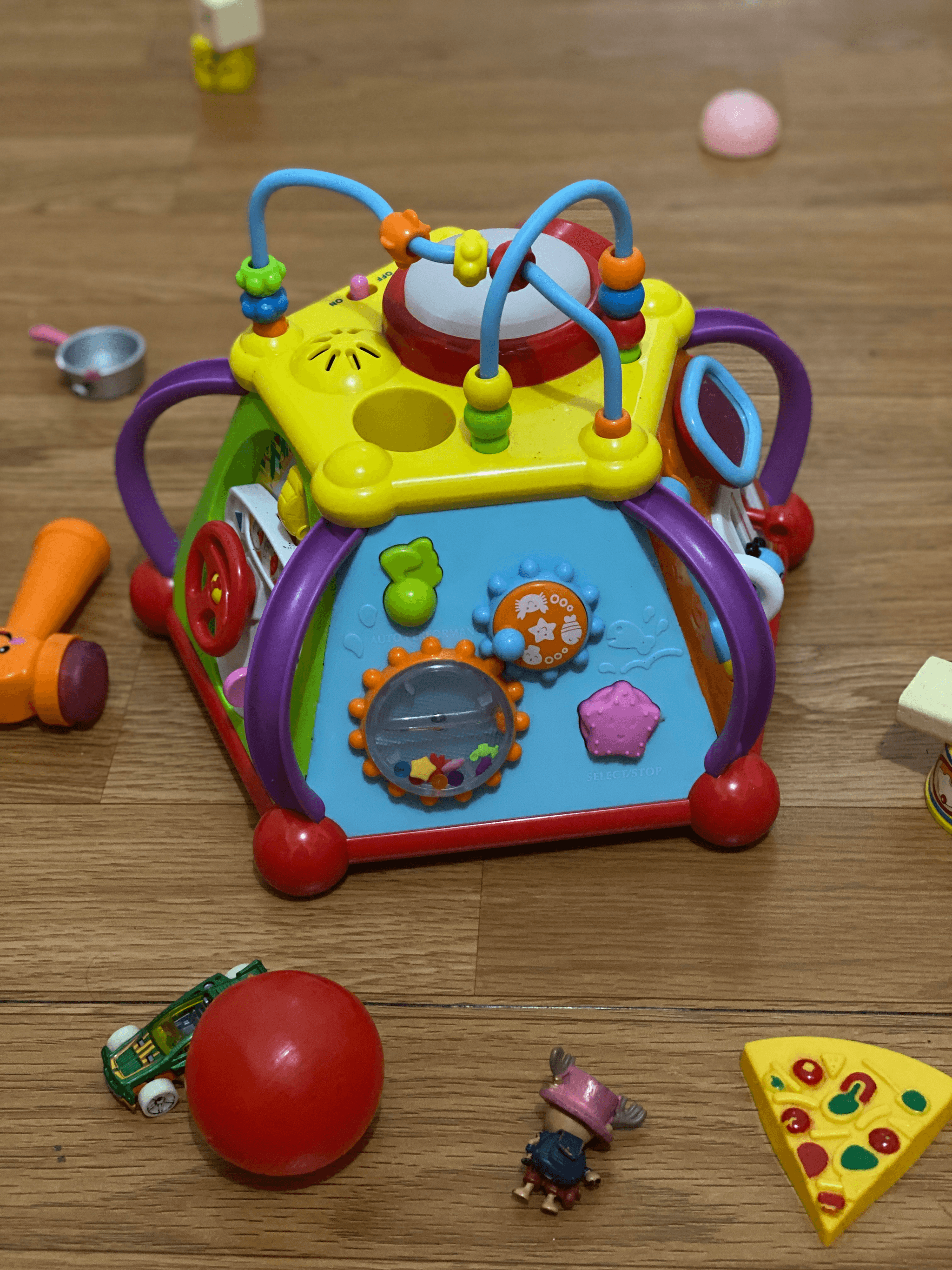
When it comes to the CPSC Certificate of Compliance, understanding its requirements is crucial for any business looking to sell children's products. The CPSC (Consumer Product Safety Commission) has laid out specific guidelines that ensure products are safe for children, and failing to comply can lead to serious consequences. This section will help you navigate these requirements effectively, ensuring you know how to get your Children's Product Certificate (CPC) without a hitch.
Overview of CPSC Requirements
The CPSC has established a comprehensive set of regulations that apply specifically to children's products, which are designed to protect young consumers from potential hazards. These requirements include safety standards related to materials, design, and labeling among others. To successfully obtain your CPC, it's essential to familiarize yourself with these standards so you can ensure your product meets all necessary criteria.
Additionally, the CPSC requires manufacturers and importers of children’s toys and other products to provide documentation proving compliance with relevant safety tests. This means having a clear understanding of what constitutes a compliant product in terms of design and materials used is vital. After all, when you're figuring out how to get your Children's Product Certificate (CPC), every detail counts!
How to Ensure Compliance
Ensuring compliance with the CPSC's requirements involves several proactive steps that businesses must take before launching their products in the market. First off, conducting thorough pre-market testing through an accredited laboratory can help identify any potential issues early on—saving you time and resources later down the line! Make sure you choose a lab that specializes in children's product testing; this is especially important if you're dealing with CPC certification toys.
Once you've completed testing and received results confirming compliance with safety standards, you'll need proper documentation ready for submission alongside your CPC application. It’s also wise to keep abreast of any changes in regulations or additional requirements set forth by the CPSC as they may impact ongoing compliance efforts. Staying informed will not only streamline your process but also enhance your credibility in the marketplace.
Regular Updates and Changes
The world of product safety regulations is anything but static; changes occur frequently based on new research findings or shifts in consumer behavior—particularly concerning children's safety standards! Businesses must stay vigilant about these updates from the CPSC as they could affect how you manage compliance moving forward. For example, if new safety tests become mandatory or existing ones are revised, you'll need to adjust accordingly.
Regularly reviewing guidance from the CPSC ensures that you're not only compliant at launch but remain so throughout your product's lifecycle—a key consideration when thinking about long-term success! Furthermore, subscribing to industry newsletters or joining professional organizations can be invaluable resources for staying updated on regulatory changes affecting children’s product certificate Walmart standards as well.
By navigating these complexities effectively and keeping up-to-date with regular updates from regulatory bodies like the CPSC, businesses can position themselves favorably within competitive markets while prioritizing child safety above all else.
Special Considerations for Walmart's CPC Requirements
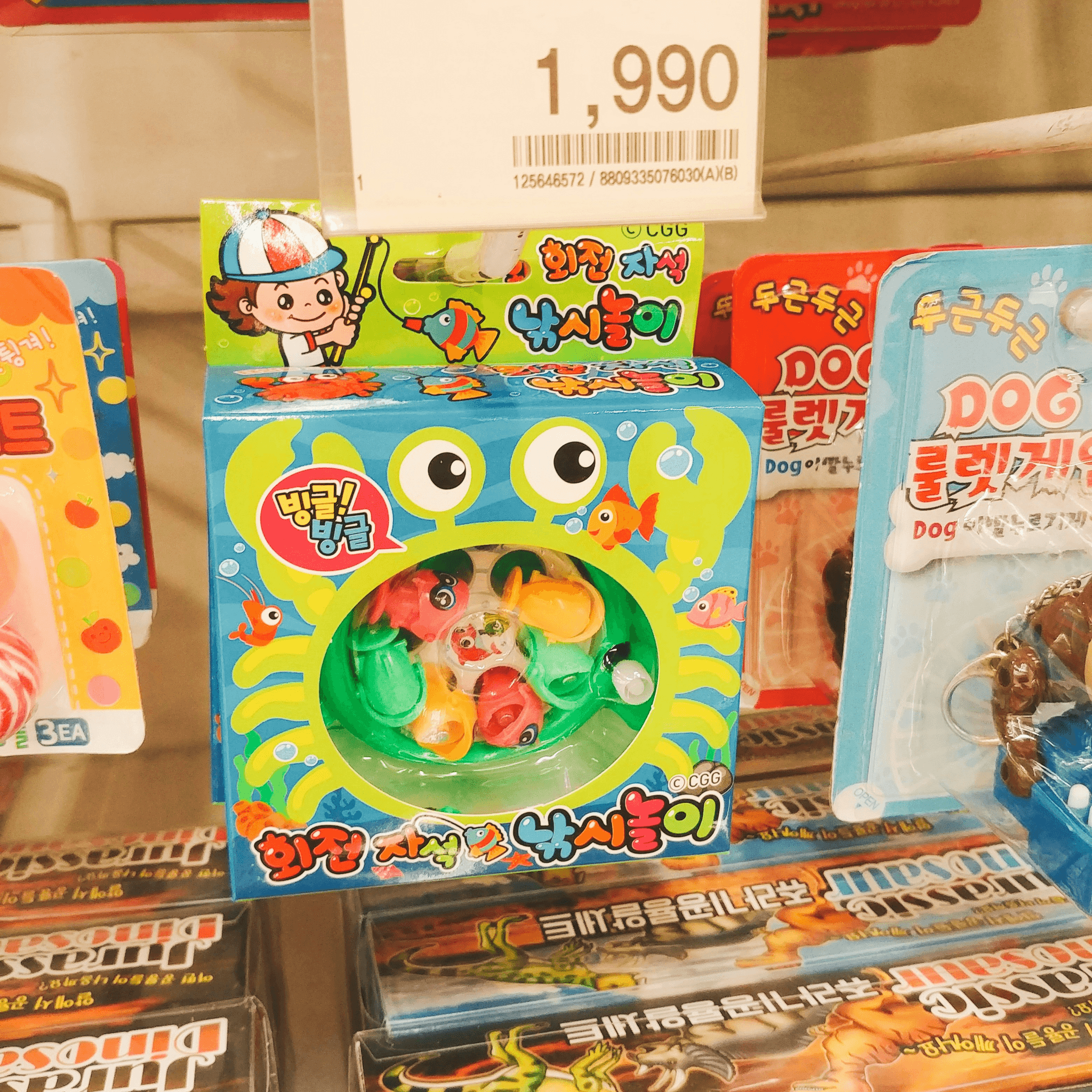
When it comes to selling children's products at Walmart, understanding their specific standards for the Children's Product Certificate (CPC) is crucial. Walmart has established a rigorous set of guidelines that align with the CPSC certificate of compliance to ensure that all toys and children's items meet safety regulations. Complying with these standards not only enhances your product's credibility but also increases its chances of being stocked on their shelves.
Specific Standards for Selling at Walmart
Walmart has a detailed checklist of requirements that businesses must meet when applying for a Children's Product Certificate Walmart. This includes adhering to safety regulations set forth by the CPSC, such as passing stringent testing for harmful substances and ensuring proper labeling. Furthermore, products aimed at children must demonstrate compliance with age-appropriate safety measures, which can vary based on the type of toy or product being sold.
To navigate these specific standards effectively, businesses should familiarize themselves with both federal regulations and Walmart’s unique requirements. For instance, certain toys may need additional certifications depending on their design and intended use—this is where knowing how to get children's product certificate (CPC) becomes essential. Understanding these nuances will help you avoid pitfalls that could prevent your product from reaching eager young customers.
How to Get Children's Product Certificate for Walmart
Getting a Children's Product Certificate (CPC) specifically tailored for selling at Walmart involves several steps that are critical to ensuring compliance and market readiness. First, prepare your product by ensuring it meets all relevant safety standards and is ready for testing in an accredited lab recognized by the CPSC. Once testing is complete and your product passes all evaluations, you'll be equipped with the necessary documentation needed to apply for your CPC.
Next, gather all required paperwork—including test results—and submit your application through Walmart’s vendor portal or directly through their compliance team if you're already an approved supplier. Remember that this process often requires ongoing communication with both testing labs and Walmart representatives to clarify any questions about how to get children's product certificate (CPC). After successful submission, closely monitor any feedback from Walmart regarding additional information or adjustments they may require.
Meeting Retailer Expectations
Meeting retailer expectations goes beyond merely obtaining a Children's Product Certificate; it involves maintaining quality assurance throughout your production process as well. Retailers like Walmart expect consistent adherence to safety protocols even after initial certification—this means regular audits and updates may be necessary based on evolving guidelines from the CPSC or changes in consumer preferences regarding toy safety features.
Additionally, staying informed about any changes in regulations or retailer-specific requirements can give you a competitive edge in securing shelf space at major retailers like Walmart. Regularly reviewing your documentation related to CPC certification toys will also ensure you are prepared should any questions arise during inspections or audits by store representatives. Ultimately, demonstrating commitment not only helps in getting certified but also fosters long-term relationships with retailers who prioritize child safety.
Seeking Professional Help with CPC Certification Toys

Navigating the waters of CPC certification can feel like a daunting task, especially for businesses new to the toy industry. This is where quality inspection services come into play, providing essential support and expertise in ensuring compliance with regulations. Understanding how to get your children's product certificate (CPC) is crucial, and professional help can make the journey smoother and more efficient.
The Role of Quality Inspection Services
Quality inspection services are vital in guiding businesses through the complexities of obtaining a Children's Product Certificate (CPC). They offer a thorough understanding of the CPSC certificate of compliance requirements, helping companies ensure their products meet all necessary safety standards. By leveraging their expertise, you can avoid common pitfalls that could delay your certification process and lead to costly mistakes.
Benefits of Partnering with China Inspection Pro
Partnering with China Inspection Pro can significantly enhance your chances of successfully obtaining your CPC for toys. They provide tailored services that cater specifically to CPC certification toys, allowing you to focus on other critical aspects of your business while they handle compliance intricacies. With their extensive knowledge in navigating Walmart's specific requirements for children's product certificates, you’ll be well-equipped to meet retailer expectations without breaking a sweat.
Streamlining Your Certification Process
Streamlining your certification process is essential for getting your products to market quickly and efficiently. By utilizing professional help, such as quality inspection services from China Inspection Pro, you can simplify how to get children's product certificates (CPC) without sacrificing quality or compliance standards. Their systematic approach ensures that every step—from preparing your product for testing to submitting documentation—is handled meticulously, giving you peace of mind as you navigate the landscape of toy safety regulations.
Conclusion

Navigating the world of children's product certification can seem daunting, but obtaining your Children's Product Certificate (CPC) is a vital step for any business looking to thrive in today's market. Understanding how to get a Children's Product Certificate (CPC) not only ensures compliance with safety standards but also builds trust with consumers. With the right preparation and knowledge, you can streamline the CPC certification process and position your products for success.
Final Thoughts on Obtaining Your CPC
The journey to securing a CPC may involve various steps, from preparing your product for testing to submitting it for evaluation at an accredited lab. Remember, a Children's Product Certificate example can provide valuable insights into what documentation you need and how to present it effectively. Ultimately, staying proactive about compliance will save you time and resources while enhancing your brand's reputation.
The Value of Compliance in Today’s Market
In an age where consumer awareness is at an all-time high, having a CPSC certificate of compliance is more than just a legal requirement; it’s a badge of honor that signifies safety and quality. Retailers, especially giants like Walmart, have stringent standards that must be met before they will even consider stocking your products; thus, understanding Children's product certificate Walmart requirements is crucial. Businesses that prioritize compliance not only protect themselves from legal pitfalls but also gain a competitive edge in an increasingly crowded marketplace.
Resources for Ongoing Support and Guidance
As you embark on the path toward obtaining your CPC or navigating specific retailer requirements like those from Walmart, remember that help is available! Numerous resources exist online—from industry forums to professional services—designed to assist businesses with CPC certification toys and related processes. Partnering with organizations like China Inspection Pro can further streamline your efforts by providing expert guidance tailored to your needs.