
Introduction
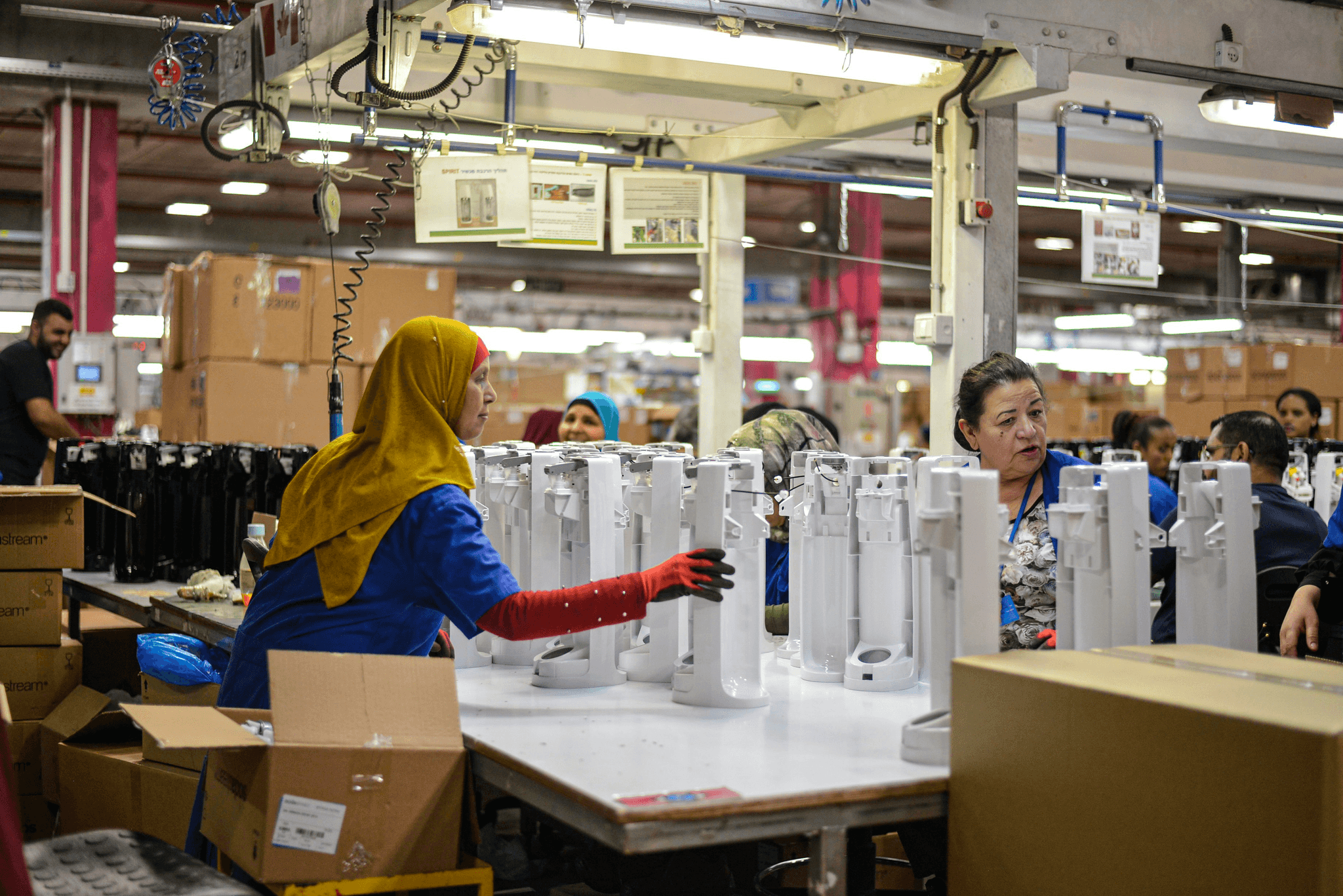
In the fast-paced world of manufacturing, quality inspection is not just a checkbox on a to-do list; it’s the backbone of operational excellence. With increasing competition and consumer expectations, implementing a robust manufacturing quality inspection process can mean the difference between success and failure. It ensures that products meet established standards, thereby safeguarding brand reputation and customer satisfaction.
Importance of Manufacturing Quality Inspection
Manufacturing quality inspection plays a critical role in maintaining product integrity and compliance with industry standards. By identifying defects early in the production process, companies can save time and resources while minimizing waste. Moreover, effective quality inspections foster trust with customers, leading to repeat business and positive word-of-mouth—two invaluable assets in today’s market.
Key Elements of an Effective Process
An effective manufacturing quality inspection process hinges on several key elements: a comprehensive manufacturing quality inspection checklist, trained personnel, and consistent procedures. The checklist serves as a roadmap for inspectors to ensure that no critical aspect is overlooked during evaluations. Additionally, continuous training for staff ensures they are well-equipped to identify potential issues before they escalate into costly problems.
Overview of Quality Inspection Types
Quality inspections come in various forms—each tailored for specific stages of production—and understanding these types is essential for any manufacturer striving for excellence. The four types of quality inspection include pre-production inspections, in-process inspections, final product inspections, and sample inspections. Each type has its unique focus areas and benefits; collectively they create a holistic approach to ensuring product quality throughout the manufacturing lifecycle.
Understanding Manufacturing Quality Inspection
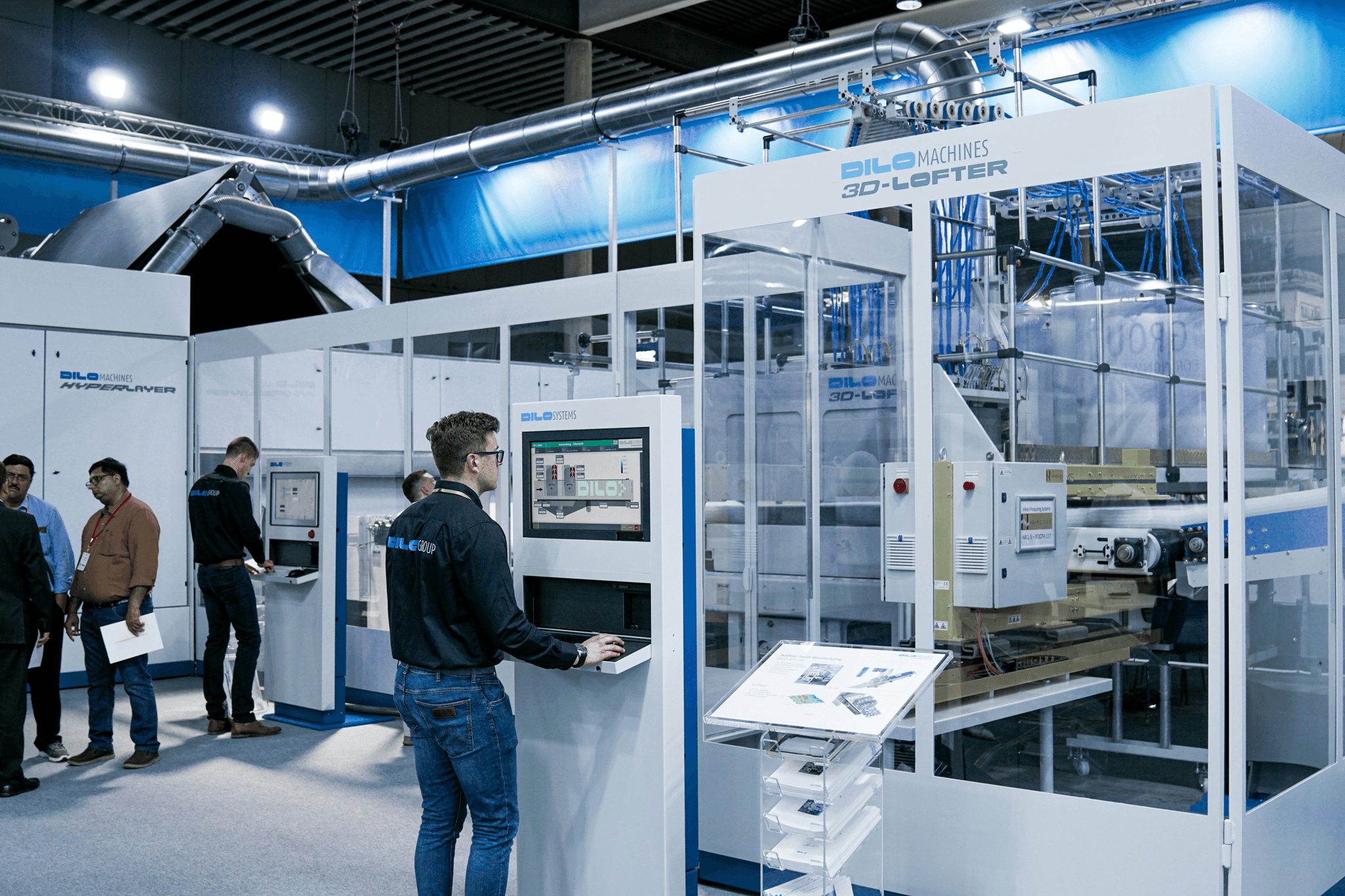
In the realm of production, manufacturing quality inspection serves as a critical checkpoint that ensures products meet the required standards before they reach consumers. This process encompasses various strategies and methodologies aimed at identifying defects, ensuring compliance with specifications, and ultimately safeguarding brand reputation. With a robust manufacturing quality inspection checklist in hand, organizations can systematically evaluate their processes and achieve higher levels of quality assurance.
Definition and Purpose
Manufacturing quality inspection refers to the systematic assessment of products during various stages of production to ensure they meet predefined standards and specifications. The purpose is clear: to detect any deviations or defects early on, thus preventing costly rework or recalls later in the supply chain. By implementing effective inspections, manufacturers not only enhance product reliability but also bolster customer satisfaction—an essential component for any successful business.
Common Goals in Quality Management
The primary goals of quality management in manufacturing revolve around minimizing defects, optimizing processes, and ensuring compliance with industry regulations. Effective manufacturing quality inspection aims to create a culture of continuous improvement where feedback loops enable teams to refine their operations based on real-time data and insights. Additionally, fostering strong supplier relationships through rigorous inspections can streamline supply chains and elevate overall product quality.
Industries That Benefit Most
While nearly every sector can leverage the advantages of manufacturing quality inspection, certain industries reap significant benefits due to their stringent regulatory requirements or high-stakes environments. For instance, automotive manufacturers rely heavily on comprehensive inspections to ensure safety standards are met—think about those pre-production checks that keep drivers safe on the road! Similarly, aerospace companies like Boeing utilize advanced inspection techniques not only for compliance but also for innovation in design and performance—a classic example of how effective inspections can lead to industry leadership.
The Manufacturing Quality Inspection Checklist
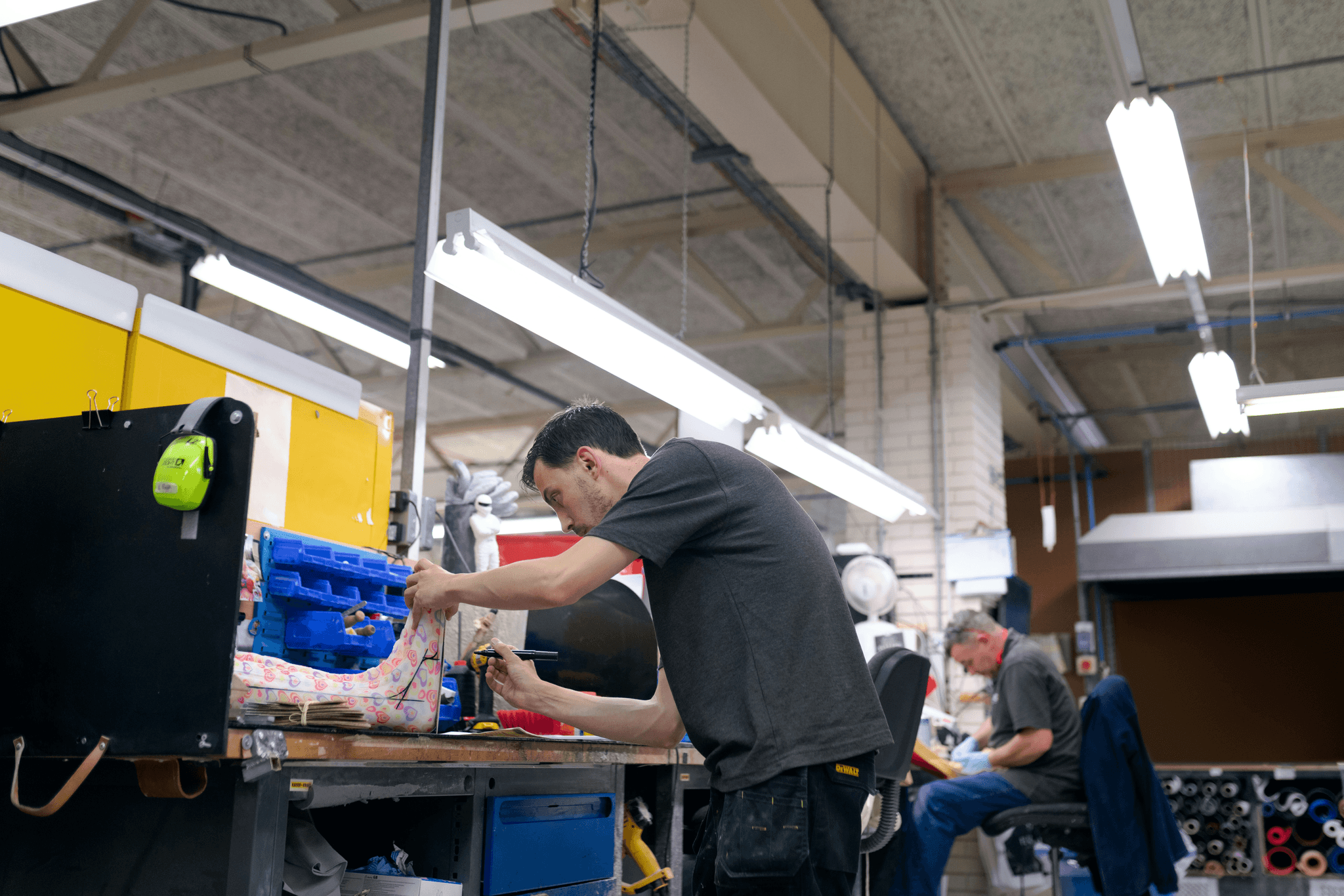
Creating a comprehensive manufacturing quality inspection checklist is crucial for ensuring that products meet the required standards before they hit the market. This checklist serves as a roadmap, guiding inspectors through the various stages of quality control, ultimately minimizing defects and enhancing customer satisfaction. By incorporating essential items and tailoring your approach, you can streamline your processes and elevate your quality assurance efforts.
Essential Items to Include
When developing a manufacturing quality inspection checklist, there are several essential items that should never be overlooked. Start with specifications such as dimensions, weight, and material properties to ensure that products meet design criteria. Additionally, include criteria for surface finish, functionality tests, and compliance with safety standards to cover all bases in your inspections.
Don’t forget to incorporate documentation checks; verifying certificates of conformity or test results is critical in many industries. Another important aspect is the inspection of packaging and labeling; after all, even the best product can fall flat if it’s not presented correctly! Finally, consider adding a section for inspector comments or notes—this allows for continuous improvement based on real-world observations.
Customizing Your Checklist for Specific Needs
Every manufacturing process is unique, which means that a one-size-fits-all approach doesn’t cut it when it comes to your quality inspection checklist. Begin by assessing the specific requirements of your industry; different sectors have distinct regulations and standards that must be adhered to. For example, electronics manufacturers may focus more on electrical safety tests than those in textiles.
Moreover, consider customizing checklists based on different product lines or production phases; this ensures that each item is relevant to what’s being inspected at any given time. You might also want to involve team members from various departments in developing these lists—they can provide valuable insights into what should be prioritized based on their experiences. Ultimately, having tailored checklists will enhance efficiency while reducing the likelihood of oversight.
Implementing the Checklist Effectively
Once you have crafted your manufacturing quality inspection checklist and tailored it to fit your specific needs, it's time for implementation! Start by training your team thoroughly on how to use the checklist effectively—this will help them understand its importance in maintaining high-quality standards throughout production cycles. Regular refresher courses can also reinforce best practices over time.
Incorporate technology where possible; digital checklists can streamline data collection and reporting processes while reducing human error associated with manual entries. Additionally, establish regular review intervals for updating the checklist based on feedback from inspections or changes in regulations—this keeps it relevant and useful over time! Remember: an effective implementation strategy ensures that everyone understands their role in maintaining quality assurance through consistent inspections.
Four Types of Quality Inspection
When it comes to ensuring that products meet the highest standards, understanding the four types of quality inspection is crucial. Each type serves a distinct purpose within the manufacturing quality inspection process, helping identify issues at various stages. This section will explore pre-production inspections, in-process inspections, final product inspections, and sample inspections in detail.
Pre-production Inspections
Pre-production inspections are conducted before manufacturing begins and play a pivotal role in setting the stage for quality assurance. During this phase, materials and components are evaluated to ensure they meet specified standards outlined in the manufacturing quality inspection checklist. By identifying potential issues early on—such as material defects or supplier inconsistencies—manufacturers can avoid costly mistakes down the line.
These inspections often involve verifying that suppliers adhere to agreed-upon specifications and industry regulations. Additionally, pre-production checks can include assessing factory capabilities and reviewing production processes before any actual manufacturing takes place. This proactive approach not only boosts confidence in supply chains but also enhances overall product quality.
In-process Inspections
In-process inspections occur during various stages of production and are essential for maintaining consistent quality throughout the manufacturing process. These inspections focus on monitoring production activities to catch defects or deviations from standards as they happen—before they escalate into larger problems. By integrating these checks into daily operations, manufacturers can ensure that their products align closely with their quality goals.
The frequency of in-process inspections can vary based on factors like production volume or complexity; however, regular assessments help maintain workflow efficiency while minimizing waste and rework costs. Utilizing a well-designed manufacturing quality inspection checklist during this phase allows teams to systematically evaluate key parameters such as dimensions, functionality, and assembly integrity. Ultimately, effective in-process inspections contribute significantly to reducing errors and enhancing customer satisfaction.
Final Product Inspections
Final product inspections serve as a comprehensive review before items leave the factory floor or enter distribution channels. This type of inspection is vital for confirming that finished products meet all required specifications outlined earlier in the manufacturing quality inspection process. By conducting thorough checks at this stage—including visual assessments, functional tests, and packaging evaluations—manufacturers can identify any last-minute flaws that could affect performance or customer perception.
A robust final product inspection strategy not only protects brand reputation but also reduces returns and warranty claims from unsatisfied customers down the line. Furthermore, these checks often involve comparing products against established benchmarks derived from previous successful models or industry best practices—a key aspect of continuous improvement efforts within organizations. Emphasizing final product inspections ensures that only top-notch items reach consumers while reinforcing commitment to excellence.
Sample Inspections
Sample inspections involve evaluating a subset of products rather than every single item produced; this method balances thoroughness with efficiency when inspecting large batches of goods. By analyzing random samples from each production run using predefined criteria from your manufacturing quality inspection checklist, manufacturers can gain insights into overall batch quality without incurring excessive time or costs associated with full-scale examinations.
This approach is particularly beneficial for high-volume productions where conducting complete checks would be impractical or impossible due to time constraints or resource limitations. However, it’s crucial to select representative samples carefully so that results accurately reflect broader trends within entire production lots—ensuring reliable data drives decision-making processes effectively across teams involved in quality assurance efforts!
In summary, understanding these four types of quality inspection helps manufacturers create more effective strategies tailored specifically towards achieving optimal results throughout their operations while minimizing risks associated with poor-quality outputs.
Real-World Manufacturing Quality Inspection Examples
In the world of manufacturing, real-world examples of quality inspection practices can provide invaluable insights into effective strategies and outcomes. Companies like Toyota, Boeing, and Apple have made significant strides in their quality control processes, showcasing how a robust manufacturing quality inspection system can lead to success. By examining these case studies, we can identify key takeaways that could enhance our own manufacturing quality inspection checklist.
Case Study: Toyota's Quality Control Success
Toyota is often hailed as a paragon of excellence in manufacturing quality inspection. Their approach integrates the principles of Lean Manufacturing and Just-In-Time production, which emphasize efficiency while maintaining high-quality standards. The company employs rigorous pre-production inspections and in-process inspections, ensuring that potential defects are identified early on—effectively reducing waste and increasing overall productivity.
One standout aspect of Toyota’s strategy is its commitment to continuous improvement through the practice known as Kaizen. This philosophy encourages all employees to participate in quality inspections actively, fostering a culture where everyone is responsible for maintaining high standards. By utilizing a comprehensive manufacturing quality inspection checklist tailored to various stages of production, Toyota has consistently delivered vehicles renowned for their reliability and durability.
Case Study: Boeing's Inspection and Compliance Strategies
Boeing's approach to manufacturing quality inspection is multifaceted, focusing heavily on compliance with stringent regulatory requirements due to the nature of the aerospace industry. The company implements several types of quality inspections—most notably final product inspections—to ensure that every aircraft meets safety regulations before it takes flight. Boeing’s meticulous attention to detail during these inspections helps mitigate risks associated with aviation safety.
To enhance their inspection processes further, Boeing leverages advanced technologies such as automation and data analytics. These tools allow for real-time monitoring during in-process inspections, enabling quick identification and resolution of issues before they escalate into costly problems. With an emphasis on thorough documentation via a detailed manufacturing quality inspection checklist, Boeing ensures compliance while also streamlining its operations.
Lessons from Apple’s Supply Chain Management
Apple stands out not only for its innovative products but also for its exemplary supply chain management that hinges on effective manufacturing quality inspection practices. The tech giant employs sample inspections as part of its strategy to maintain high-quality standards across its diverse supplier network worldwide. By conducting random checks at various points in the production process, Apple can quickly identify non-conformance issues without disrupting overall production flow.
Moreover, Apple's emphasis on collaboration with suppliers ensures adherence to strict guidelines laid out in their own comprehensive manufacturing quality inspection checklist. This collaborative approach not only fosters transparency but also encourages suppliers to adopt similar high standards within their operations—ultimately benefiting both parties involved. The lessons learned from Apple's commitment to rigorous inspections highlight the importance of integrating supplier relationships into an overarching quality management strategy.
Leveraging Technology in Quality Inspections
In the modern manufacturing landscape, leveraging technology is essential for enhancing quality inspection processes. Automation and artificial intelligence (AI) are transforming how companies approach manufacturing quality inspection, making it more efficient and accurate. With the right tools, businesses can ensure that their manufacturing quality inspection checklist is not only comprehensive but also dynamically responsive to real-time data.
The Role of Automation and AI
Automation plays a pivotal role in streamlining the four types of quality inspection: pre-production, in-process, final product, and sample inspections. By integrating automated systems into these processes, manufacturers can reduce human error and increase consistency in inspections. AI enhances this further by analyzing vast amounts of data quickly, allowing for predictive insights that help identify potential quality issues before they escalate.
For instance, an automated visual inspection system can use machine learning algorithms to detect defects during the production process—something that would take human inspectors much longer to accomplish. This not only speeds up the overall workflow but also ensures adherence to your manufacturing quality inspection checklist with greater precision. As a result, manufacturers can focus on continuous improvement while maintaining high standards.
Software Tools for Tracking Inspections
Implementing software tools for tracking inspections is crucial for any organization aiming to refine its manufacturing quality inspection process. These tools allow teams to create customized checklists tailored specifically for different products or production lines—ensuring no detail slips through the cracks during inspections. Moreover, they facilitate easy documentation and reporting of findings from various quality inspection examples across different stages of production.
Many software solutions offer features such as real-time updates and alerts when deviations from standards occur during any phase of the 4 types of quality inspection. This immediacy helps teams respond swiftly to issues before they impact product delivery or customer satisfaction significantly. Additionally, integrating these tools with existing systems enhances collaboration among departments involved in the manufacturing process.
Benefits of Real-Time Data Analysis
By continuously monitoring production metrics and outcomes against your established manufacturing quality inspection checklist, organizations can quickly identify trends or anomalies that may indicate underlying problems. This proactive approach allows manufacturers to implement corrective measures before minor issues escalate into costly failures.
Furthermore, real-time insights enable teams to make informed decisions on resource allocation during each stage of production based on current performance data rather than relying solely on historical trends or gut feelings. The ability to adapt quickly not only enhances efficiency but also fosters a culture of continuous improvement—a hallmark trait among successful manufacturers like Toyota and Boeing as highlighted in previous sections about their respective strategies for maintaining high-quality standards.
Conclusion
In the world of manufacturing, quality inspection is not just a box to check off; it’s an essential element that can make or break a product's success. Streamlining your manufacturing quality inspection process can lead to improved efficiency, reduced waste, and enhanced customer satisfaction. By understanding the 4 types of quality inspection and implementing a comprehensive manufacturing quality inspection checklist, organizations can ensure that they meet both industry standards and consumer expectations.
Streamlining Your Quality Inspection Process
To streamline your manufacturing quality inspection process, begin by refining your approach with a well-structured manufacturing quality inspection checklist. This checklist should include all critical checkpoints relevant to your specific production needs while allowing for flexibility as circumstances change. Regularly updating this checklist based on real-world feedback and lessons learned from previous inspections will help maintain its effectiveness over time.
Additionally, consider integrating technology into your inspections to enhance accuracy and speed. For instance, automation tools can help eliminate human error during inspections, while advanced software allows for better tracking of results across different stages of production. Ultimately, a streamlined process not only saves time but also boosts product reliability—essentially creating a win-win situation for manufacturers and consumers alike.
The Impact of Expert Inspection Services
Engaging expert inspection services can significantly elevate the standard of your manufacturing quality inspection efforts. These professionals bring specialized knowledge and experience that often surpasses in-house capabilities, allowing for more thorough evaluations of products at various stages in the production cycle. By leveraging their insights into best practices and industry standards, businesses can avoid common pitfalls associated with subpar inspections.
Moreover, expert services often utilize state-of-the-art technology to conduct their assessments—think high-resolution imaging or AI-powered analytics tools—that provide deeper insights into product integrity than traditional methods might allow. This level of scrutiny not only ensures compliance with regulations but also enhances brand reputation by delivering consistently high-quality products to consumers. In short, investing in expert services is an investment in long-term success.
Next Steps for Implementation
As you prepare to implement improvements in your manufacturing quality inspection processes, start by assessing current practices against established benchmarks within your industry—this could involve reviewing various quality inspection examples from leading companies like Toyota or Boeing. Identify gaps where enhancements are needed and prioritize these areas based on potential impact on overall product quality.
Next, develop a tailored action plan that incorporates feedback from team members involved in the production process; after all, they are often the best source of information about what works well and what doesn’t when it comes to inspections. Finally, don’t forget to monitor progress regularly through performance metrics related to defect rates or customer feedback—this will help you continually refine both your processes and checklists as needed.