
Introduction
In the fast-paced world of manufacturing, understanding quality control acceptable practices is vital for ensuring product excellence. Quality control acceptable meaning encompasses the standards and criteria that determine whether a product meets the required specifications before it reaches consumers. This foundational concept not only safeguards brand reputation but also enhances customer satisfaction through consistent quality.
Understanding Quality Control Acceptable
Quality control acceptable refers to the benchmarks set to evaluate whether products meet predetermined quality standards. These benchmarks are crucial in various industries, as they help maintain consistency and reliability in products delivered to consumers. By grasping the quality control acceptable framework, businesses can effectively minimize defects and improve overall production efficiency.
Importance of Quality Control in Manufacturing
In manufacturing, quality control is paramount; it ensures that every item produced adheres to strict guidelines and meets customer expectations. Implementing robust quality control measures can lead to reduced waste, lower production costs, and enhanced safety for both workers and consumers alike. The importance of maintaining high-quality standards cannot be overstated, as it directly impacts a company's bottom line and long-term success.
The Role of AQL in Quality Assurance
The Acceptable Quality Level (AQL) plays a pivotal role in quality assurance by providing a statistical measure for determining product acceptability during inspections. An AQL chart serves as a critical tool that helps manufacturers decide how many defective items are permissible within a sample size during an inspection process. By integrating AQL into their practices, companies can ensure their products consistently meet quality control acceptable standards while maintaining efficiency in production processes.
Quality Control Acceptable: A Primer

In the world of manufacturing, understanding the concept of quality control acceptable is paramount. This term refers to the standards and practices that ensure products meet specific quality criteria before they reach consumers. By establishing a framework for what constitutes acceptable quality, companies can minimize defects and enhance customer satisfaction.
Defining Quality Control Acceptable
Quality control acceptable means setting predefined standards for product quality that must be met during the manufacturing process. These standards are often linked to an Acceptable Quality Level (AQL), which quantifies the maximum number of defective items considered acceptable in a sample batch. Essentially, this ensures that while some imperfections might slip through, they remain within limits that won’t compromise overall product integrity.
Importance of Quality Control in Various Industries
Quality control is not just a buzzword; it’s an essential practice across various industries including automotive, electronics, and food production. In these sectors, maintaining high-quality standards can mean the difference between consumer trust and catastrophic failures. For instance, in food production, stringent quality control measures ensure safety and compliance with health regulations—because nobody wants to bite into a subpar apple or a faulty gadget!
How Quality Control Shapes Product Standards
The process of implementing quality control directly influences product standards in significant ways. By utilizing tools like the AQL chart, manufacturers can determine acceptable levels of defects based on statistical sampling methods. This proactive approach shapes not only how products are made but also how they are perceived by consumers—leading to enhanced brand reputation and loyalty when done right.
Decoding the Acceptable Quality Level

Understanding the Acceptable Quality Level (AQL) is crucial for anyone involved in quality control acceptable practices. AQL serves as a threshold that defines the maximum number of defective items considered acceptable during random sampling inspections. This means that while perfection is the goal, a certain degree of imperfection can be tolerated, provided it falls within predefined limits.
What is Acceptable Quality Level?
Acceptable Quality Level (AQL) is a statistical measure used in quality control to determine the maximum allowable number of defective items in a batch. It helps manufacturers maintain consistency and ensures that products meet customer expectations without incurring excessive costs associated with rework or rejection. The quality control acceptable meaning revolves around balancing product standards and operational efficiency; after all, nobody wants to throw away perfectly good products just because they have minor flaws.
In practice, AQL sets specific numerical values indicating how many defects are permissible based on the sample size taken from a lot. For instance, if an AQL of 1% is established for a batch of 1,000 units, this means that up to 10 defects can be accepted during inspection without triggering further action. Understanding this concept allows businesses to streamline their processes while still adhering to quality control acceptable guidelines.
AQL chart: An essential tool
The AQL chart is an indispensable tool for anyone working in quality assurance and control sectors. This chart provides an easy reference for determining acceptance numbers based on different lot sizes and specified AQL levels—essentially translating complex statistical data into actionable insights for manufacturers and inspectors alike. With the right application of an AQL chart, businesses can make informed decisions about product acceptance or rejection swiftly.
Using an AQL chart helps organizations standardize their inspection processes by offering clear benchmarks for defect tolerance across various industries. By adopting this standardized approach, companies can ensure their quality control acceptable practices are both consistent and effective over time. Additionally, it allows teams to focus on continuous improvement efforts by identifying trends in defect rates relative to established thresholds.
Applications of AQL in real-world scenarios
The applications of Acceptable Quality Level (AQL) are vast and varied across different industries—from electronics manufacturing to food production—demonstrating its versatility as part of quality control acceptable frameworks. For example, in electronics manufacturing where precision is key, an organization might adopt a stricter AQL due to safety concerns associated with defective components affecting performance or user safety. Conversely, industries like textiles may allow higher defect rates given the nature of their products.
Real-world scenarios highlight how companies leverage AQL effectively: consider a furniture manufacturer implementing regular inspections using defined AQL standards; these measures help them maintain brand reputation while minimizing waste from rejected goods due to minor imperfections that do not impact usability significantly. Similarly, food producers utilize AQL methodologies during sampling inspections to ensure product safety without compromising efficiency or profitability.
In conclusion, understanding Acceptable Quality Levels—and utilizing tools like the AQL chart—enables organizations to navigate the complexities inherent in maintaining high-quality standards while operating efficiently within their respective markets.
The Quality Control Acceptable AQL Connection

Understanding the connection between quality control and Acceptable Quality Level (AQL) is crucial for maintaining high standards in manufacturing. Quality control acceptable practices ensure that products meet predefined specifications, while AQL provides a clear framework for determining what constitutes an acceptable level of defects. This synergy not only boosts product quality but also enhances customer satisfaction and trust.
Relationship between quality control and AQL
The relationship between quality control and AQL is symbiotic; one cannot effectively function without the other. Quality control acceptable processes rely on the guidelines set by the Acceptable Quality Level to define thresholds for defects in products. By utilizing an AQL chart, manufacturers can streamline their inspection processes, ensuring that only products meeting these standards reach consumers while minimizing waste and rework.
How to establish acceptable quality levels
Establishing acceptable quality levels involves a systematic approach that takes into account product specifications, industry standards, and customer expectations. First, organizations must define their quality control acceptable metrics based on historical data and performance benchmarks. Next, using an AQL chart helps determine the right sample size and acceptance criteria, ensuring that products consistently meet or exceed these established levels.
Case studies highlighting AQL effectiveness
Numerous case studies illustrate the effectiveness of integrating AQL into quality control practices across various industries. For instance, a leading electronics manufacturer implemented an AQL-based inspection system that reduced defect rates by 30%, significantly enhancing product reliability and customer satisfaction. Another example comes from the textile industry, where adopting a stringent quality control acceptable standard led to improved compliance with international safety regulations, thereby expanding market access.
Implementing Quality Control Strategies

Implementing effective quality control strategies is crucial for maintaining high standards in manufacturing and production. With the right practices in place, companies can ensure that their products meet the established quality control acceptable criteria, ultimately leading to customer satisfaction and loyalty. These strategies not only enhance product reliability but also streamline operations, reducing waste and costs associated with defects.
Best practices for quality control in industry
To achieve a robust quality control acceptable framework, businesses should adopt best practices that align with their specific industry needs. First, establishing clear quality benchmarks based on the Acceptable Quality Level (AQL) ensures that everyone involved understands what constitutes acceptable performance. Regular training sessions for employees on quality control acceptable meaning and procedures can foster a culture of accountability and precision throughout the organization.
Furthermore, utilizing tools like an AQL chart during inspections helps teams quickly assess product quality against predefined standards. This visual representation allows for easier identification of defects and non-conformance issues before they escalate into larger problems. By continuously refining these best practices, companies can adapt to changing market demands while maintaining their commitment to excellence in quality control.
Integrating AQL into product inspection
Integrating AQL into product inspection processes is essential for achieving consistent results in quality management. By leveraging the Acceptable Quality Level concept, manufacturers can define specific thresholds for defect rates that are tolerable during production runs. This integration ensures that inspections are not just routine checks but rather strategic assessments aimed at identifying potential issues early on.
Using an AQL chart during inspections provides a standardized approach to evaluating products against established criteria, making it easier to determine whether batches meet the required quality control acceptable levels or need further action. Moreover, combining this method with automated inspection technologies can significantly enhance accuracy and efficiency while minimizing human error. Ultimately, this integration leads to more reliable products and fosters trust among consumers.
Continuous improvement through quality management
Continuous improvement is a vital aspect of effective quality management systems within any industry striving for excellence in their offerings. Embracing a philosophy of ongoing refinement helps organizations stay ahead of emerging challenges related to maintaining high-quality standards—especially when navigating complex global supply chains where variations may arise unexpectedly.
By regularly revisiting the meaning of quality control acceptable within their operational context, companies can identify areas needing enhancement or adjustment based on real-world feedback from stakeholders like customers or suppliers alike—ensuring they remain aligned with market expectations over time! Additionally, employing data analytics allows businesses to track performance metrics related directly back towards compliance with AQL standards; these insights pave the way toward informed decision-making regarding future improvements.
Challenges in Quality Control

Quality control is like a tightrope walk; one misstep can lead to a tumble into chaos. Maintaining quality standards is riddled with hurdles that can trip up even the most seasoned manufacturers. From inconsistent processes to lack of training, these common challenges underscore the importance of establishing clear definitions and expectations surrounding quality control acceptable practices.
Common hurdles in maintaining quality standards
One of the primary hurdles in maintaining quality standards is the variation in production processes. When different teams or shifts are involved, inconsistencies can creep in, leading to deviations from the established Acceptable Quality Level (AQL). Additionally, insufficient training for staff on quality control acceptable measures can result in errors that compromise product integrity.
Another significant challenge lies in communication gaps within organizations. If everyone isn't on the same page regarding what quality control acceptable means, it becomes increasingly difficult to uphold consistent standards across departments. This misalignment can lead to confusion and ultimately affect product outcomes negatively.
Lastly, inadequate resources and outdated technology often hinder effective quality control practices. Without access to modern tools such as an AQL chart for reference or automated inspection systems, teams may struggle to maintain desired levels of quality consistently. Investing time and money into proper resources is essential for overcoming these obstacles and achieving robust quality management.
The impact of global supply chains on quality control
In today's interconnected world, global supply chains have become a double-edged sword for manufacturers striving for high-quality products. While they offer cost savings and access to diverse materials, they also introduce complexity that can undermine effective quality control acceptable practices. Variability in supplier capabilities and adherence to AQL standards can create significant risks if not managed properly.
Moreover, cultural differences across regions can influence perceptions of what constitutes acceptable quality levels. What may be deemed sufficient by one supplier could fall short when evaluated against another's criteria or industry benchmarks. This inconsistency complicates efforts to ensure uniformity across products sourced globally.
To make matters worse, logistical challenges such as shipping delays or customs issues can disrupt timely inspections and lead to potential lapses in adherence to established AQL parameters during transit. As businesses navigate these complexities, it becomes crucial to implement robust monitoring systems that ensure alignment with predetermined quality benchmarks throughout every step of the supply chain.
How to overcome these quality control challenges
Overcoming challenges associated with maintaining high-quality standards requires a proactive approach rooted in clear communication and consistent training programs focused on defining quality control acceptable. Establishing standardized protocols that all team members understand will help eliminate confusion around what constitutes acceptable performance metrics like those outlined by an AQL chart.
Additionally, fostering strong relationships with suppliers is vital for ensuring compliance with agreed-upon Acceptable Quality Levels (AQL). Regular audits and open lines of communication allow businesses not only to monitor adherence but also address any discrepancies before they escalate into larger issues impacting overall product integrity.
Finally, investing in technology solutions—such as automated inspection tools—can enhance efficiency while minimizing human error during assessments against established benchmarks like those found within an AQL framework. By embracing continuous improvement principles alongside cutting-edge innovations tailored toward enhancing overall product consistency through effective use of quality control acceptable strategies will ultimately yield long-term success amid ever-evolving market demands.
Conclusion
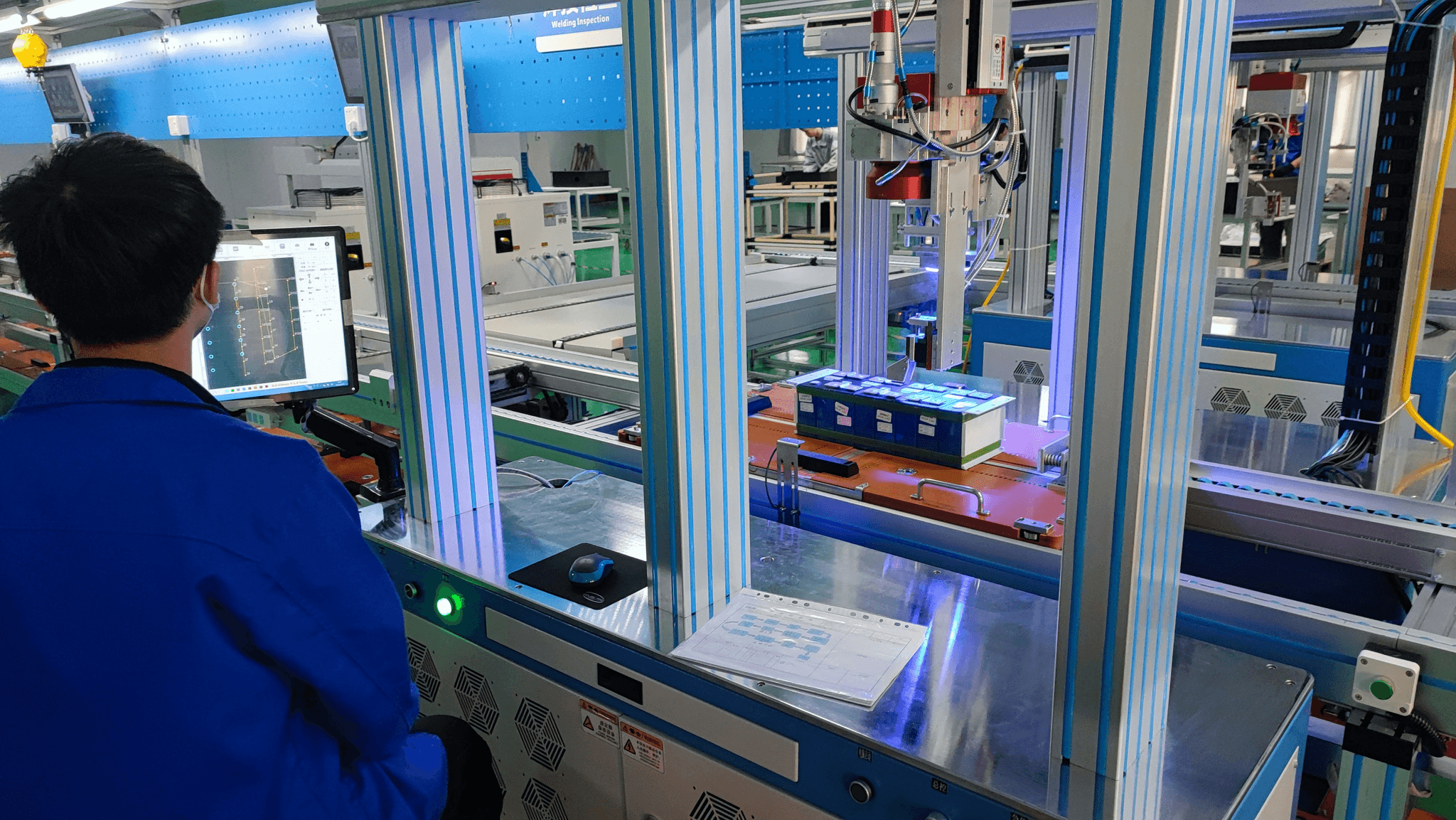
In the ever-evolving landscape of manufacturing and production, quality control practices are becoming increasingly sophisticated and integral to success. The future of quality control will likely see advancements in technology, with AI and machine learning playing pivotal roles in monitoring and maintaining standards. Moreover, as global markets expand, the need for a robust framework for quality control acceptable practices will only intensify.
The Future of Quality Control Practices
Looking ahead, the integration of data analytics into quality control processes promises to revolutionize how businesses approach their standards. Companies will increasingly rely on real-time data to inform decision-making, ensuring that quality control acceptable measures are not just reactive but proactive. With tools like the AQL chart becoming more user-friendly and accessible, organizations can easily set benchmarks that align with consumer expectations while minimizing waste.
Why Quality Control is Non-Negotiable
Quality control is non-negotiable because it directly impacts customer satisfaction and brand reputation. In a world where consumers have endless options at their fingertips, delivering products that meet or exceed the Acceptable Quality Level is crucial for retaining loyalty and trust. Furthermore, failing to adhere to quality standards can lead to costly recalls or legal issues—outcomes no business wants on its ledger.
Leveraging China Inspection Pro for Quality Excellence
To navigate these complexities effectively, companies can leverage services like China Inspection Pro for unparalleled quality assurance support. By utilizing their expertise in establishing quality control acceptable frameworks tailored to specific industry needs, businesses can enhance their operational efficiency significantly. With a focus on integrating AQL into product inspections, organizations positioned themselves not just as market participants but as leaders committed to excellence in every aspect of their production process.