
Introduction
Wind turbines are the giants of renewable energy, and keeping them in top shape requires meticulous inspection. Safety and efficiency are the twin engines driving successful Wind Turbine Inspection programs, ensuring that blades spin smoothly and equipment stays intact. When inspections like Rotor Blade Check, Nose Cone Check, and Nacelle Inspection are optimized, operators can prevent costly downtime and extend the lifespan of these towering assets.
Maintaining a high standard during Wind Turbine Inspection offers real-world benefits that go beyond just avoiding breakdowns. Regular Bearing Inspection and Transformer Check help detect issues early, saving money and reducing environmental risks. Incorporating acoustical noise measurement into routine checks provides an early warning system for hidden problems—making every inspection smarter and more reliable.
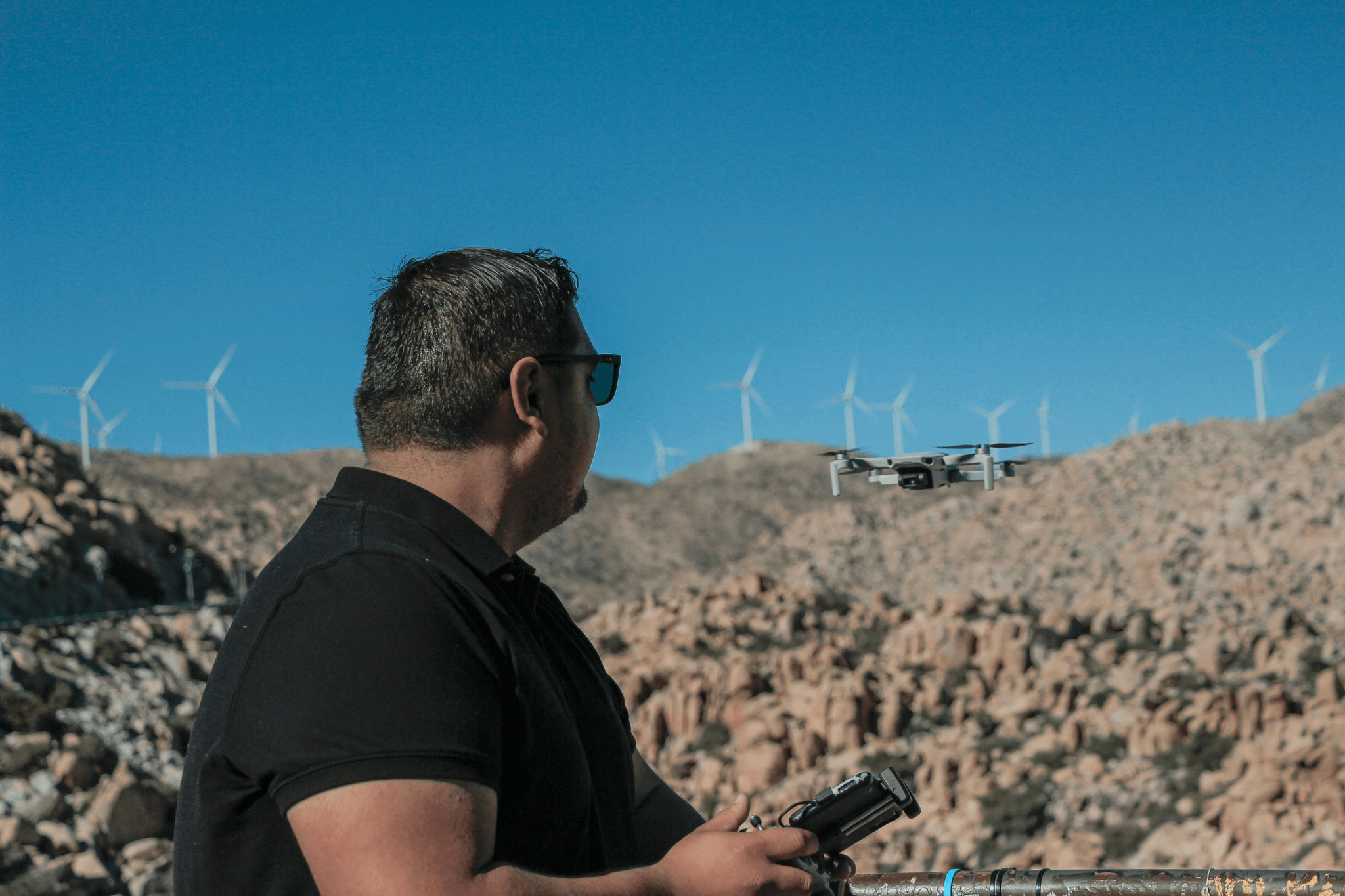
Technological advances are revolutionizing maintenance routines in wind energy. From drone inspections to embedded sensors for continuous monitoring, modern tools make Wind Turbine Inspection faster, safer, and more precise. These innovations empower teams to conduct thorough inspections like Nose Cone Checks or Nacelle Inspections with minimal risk while gathering detailed data that transforms maintenance strategies.
The Foundation of Effective Wind Turbine Inspection

A solid wind turbine inspection program begins with understanding the critical components that keep turbines running smoothly and efficiently. Regular rotor blade check strategies help identify cracks, erosion, or other damage before they escalate into costly failures. Equally important is a thorough nacelle inspection to assess structural integrity and ensure all internal systems are functioning optimally, including bearing inspections that prevent unexpected breakdowns.
A comprehensive approach to wind turbine inspection also involves paying close attention to the nose cone, which acts as the first line of defense against environmental elements. Conducting routine nose cone checks for damage ensures debris or lightning strikes haven't compromised this vital component. Incorporating acoustical noise measurement during inspections can reveal hidden issues within the nacelle or gearbox, providing early warnings for potential problems like bearing wear or misalignment.
In addition to visual assessments, integrating advanced diagnostic tools such as transformer checks and vibration analysis enhances the accuracy of wind turbine inspections. Transformer check ensures electrical health, preventing faults that could lead to power outages or equipment damage. Vibration analysis detects subtle anomalies in rotating parts, allowing maintenance teams to address issues like imbalance or bearing degradation before they cause major failures.
Advanced Inspection Technologies
Innovative tools are revolutionizing Wind Turbine Inspection, making it safer and more efficient. From high-tech drones to embedded sensors, these advancements allow for a more thorough Rotor Blade Check and Nose Cone Check without risking human safety. The integration of cutting-edge technology is transforming how we approach Nacelle Inspection and other critical components.
Drone Inspection and Aerial Surveys
Drones have become the eye in the sky for Wind Turbine Inspection, especially when it comes to Rotor Blade Check and Nose Cone Check. These unmanned aerial vehicles can swiftly access hard-to-reach areas, capturing high-resolution images that reveal cracks or damage early on. With drone inspection, teams can perform Nacelle Inspection from a safe distance, reducing downtime and enhancing safety protocols during every Wind Turbine Inspection.
Embedded Sensors for Continuous Monitoring
Embedded sensors are the silent sentinels of modern wind turbines, offering real-time data for ongoing maintenance needs like Bearing Inspection or Transformer Check. These sensors monitor vibrations, temperature changes, and structural stress—crucial indicators that could signal issues in the turbine’s electrical or mechanical systems. Continuous monitoring through embedded sensors ensures that potential problems are caught early during routine Wind Turbine Inspections before they escalate into costly failures.
Acoustical Noise Measurement as a Diagnostic Tool
Acoustical Noise Measurement is gaining popularity as an innovative diagnostic tool within Wind Turbine Inspection routines. By analyzing sound patterns emitted by turbines during operation, technicians can identify anomalies related to bearing wear or gearbox issues—key components often scrutinized during Rotor Blade Checks or Nacelle Inspections. This non-invasive method provides valuable insights into hidden problems like vibration irregularities that could compromise turbine efficiency if left unchecked.
Focused Component Inspections
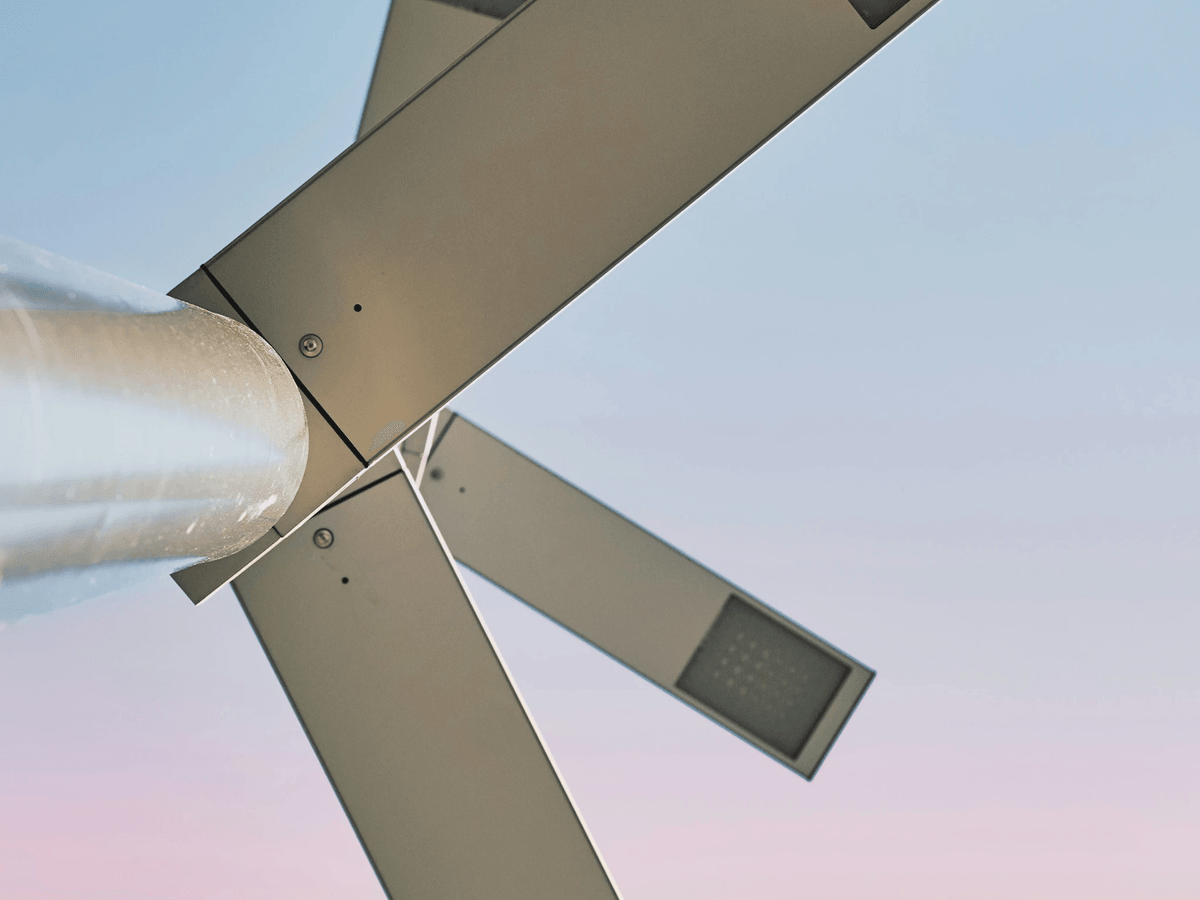
When it comes to Wind Turbine Inspection, focusing on critical components can prevent costly failures and extend the lifespan of your equipment. A thorough Rotor Blade Check ensures the blades are free from cracks, erosion, or other damage that could compromise efficiency or safety. Equally important is a Nose Cone Check, which helps identify any debris impact or structural issues early on, preventing more serious problems down the line. Complementing these efforts is Nacelle Inspection, where technicians assess the structural integrity of the nacelle housing and internal components to keep everything running smoothly.
Bearing Inspection to Prevent Failures
Bearing Inspection plays a pivotal role in Wind Turbine Inspection because bearings are like the joints in a well-oiled machine—they keep everything turning smoothly. Regular checks can spot early signs of wear or lubrication issues that might lead to bearing failure if left unchecked. Incorporating acoustical noise measurement during Bearing Inspection allows technicians to detect abnormal sounds indicating potential problems before they escalate, saving time and money while keeping turbines spinning efficiently.
Transformer Check for Electrical Health
Transformers are vital for managing electrical loads within wind turbines, making Transformer Check an essential part of focused inspections. During Wind Turbine Inspection, inspecting transformers helps identify insulation degradation or overheating issues that could cause electrical failures down the road. Combining this with Nacelle Inspection provides a comprehensive view of electrical health and structural condition—key for maintaining optimal energy output and avoiding unexpected outages.
Vibration Analysis for Hidden Issues
Vibration Analysis is one of those clever techniques that uncover hidden problems in wind turbines before they become catastrophic—think of it as a turbine's health report card. When conducting Wind Turbine Inspection, vibration data can reveal imbalance or misalignment in components like gearboxes and bearings that aren't visible to the naked eye but could cause major damage over time. Integrating acoustical noise measurement during these inspections enhances diagnostic accuracy by capturing sound anomalies linked to mechanical issues lurking inside the turbine.
Best Practices for Safety During Inspection

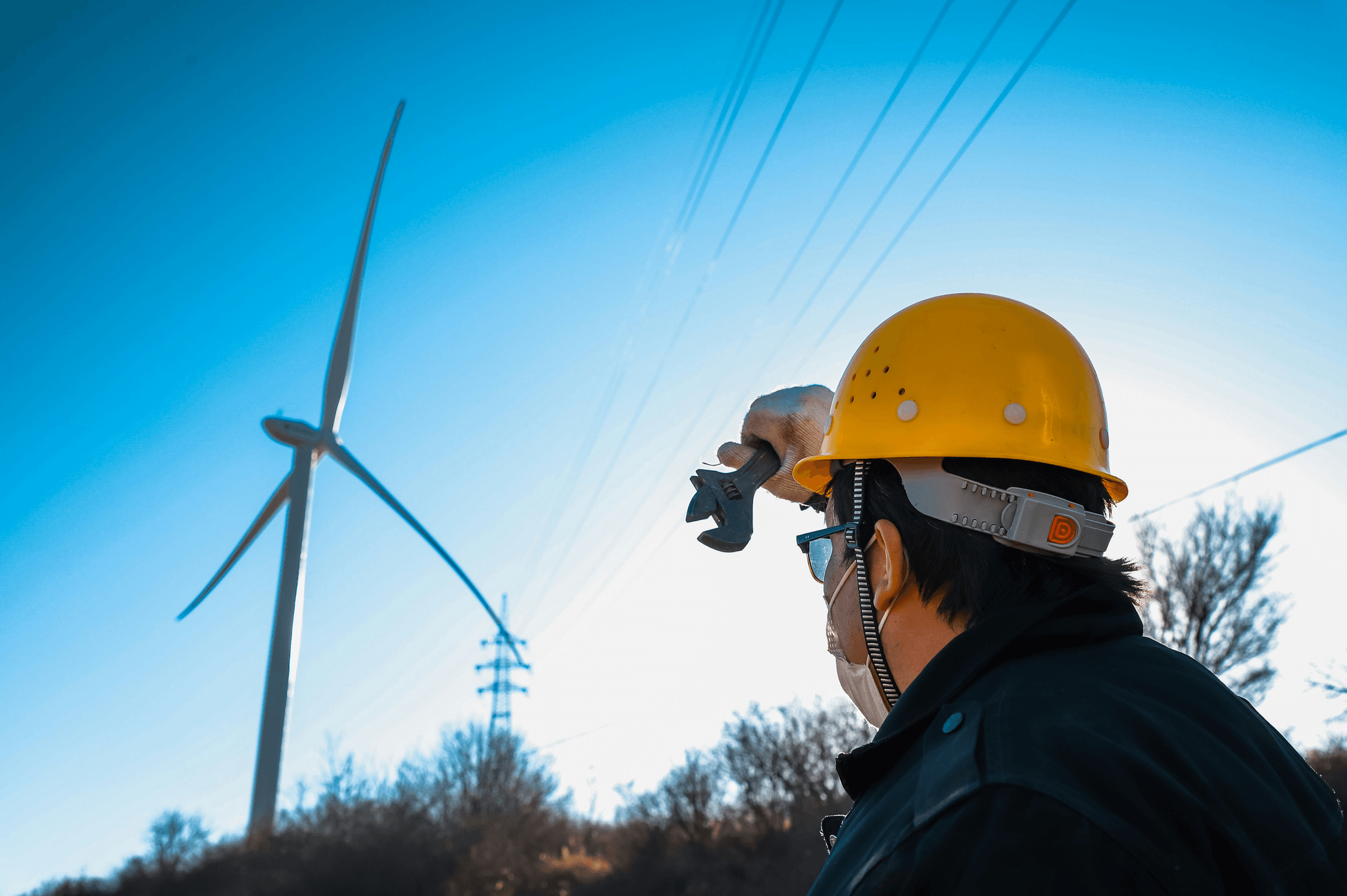
Ensuring safety during wind turbine inspection is crucial, especially when performing critical tasks like rotor blade check or nacelle inspection. Proper safety protocols help prevent accidents and equipment damage, while also maintaining the integrity of delicate components such as bearings and transformers. When inspecting a wind turbine, always prioritize personal protective equipment and follow established safety procedures to minimize risks associated with high altitudes or electrical hazards.
Safe use of drones and monitoring devices has revolutionized wind turbine inspection, making tasks like nose cone check and acoustical noise measurement safer and more efficient. Operators must be trained to handle drone technology carefully to avoid collisions during rotor blade checks or accidental interference with sensitive parts like the nacelle. Regularly calibrating and maintaining these devices ensures accurate data collection during a transformer check or vibration analysis, reducing the chance of errors that could compromise safety.
Regular training for inspection teams is vital to keep everyone sharp on best practices for wind turbine inspection, particularly when conducting detailed component inspections such as bearing or nacelle checks. Well-trained teams are better equipped to handle unexpected issues during a rotor blade check or acoustical noise measurement, ensuring both personnel safety and data accuracy. Continuous education also reinforces the importance of adhering to safety protocols during all phases of wind turbine maintenance.
Partnering with Expert Inspection Services
Partnering with seasoned professionals can elevate your wind turbine inspection game from routine to remarkable. Experts bring a wealth of experience in conducting thorough rotor blade checks, nose cone inspections, and nacelle assessments, ensuring no detail is overlooked. Their insights help identify potential issues early on, saving time and money while boosting overall efficiency.
Engaging specialized inspection services ensures that every component—from bearings to transformers—is scrutinized with precision. These specialists excel at performing bearing inspections and transformer checks that are critical for preventing costly failures down the line. Plus, their use of acoustical noise measurement tools adds an extra layer of diagnostic accuracy, catching problems before they escalate.
Furthermore, professional teams leverage advanced technologies and data analytics to turn inspection results into actionable maintenance plans. Whether it's analyzing vibration patterns or evaluating acoustical noise measurements, experts interpret the data to recommend targeted repairs or replacements. This proactive approach minimizes downtime and extends the lifespan of your wind turbines, making every inspection count.
Conclusion
In the fast-evolving world of renewable energy, a reliable Wind Turbine Inspection is the backbone of safe and efficient operations. Regular Rotor Blade Checks and Nacelle Inspections help catch issues early, preventing costly downtime and catastrophic failures. Incorporating advanced tools like acoustical noise measurement and bearing inspections ensures turbines stay in top shape, maximizing energy output while safeguarding personnel.
Ensuring Safety with Regular Rotor Blade Check and Nacelle Inspection
Safety remains the top priority in wind turbine maintenance, making Rotor Blade Checks and Nacelle Inspections indispensable. These inspections not only identify cracks or damage but also detect structural weaknesses before they escalate into major problems. When paired with Nose Cone Checks, teams can prevent debris intrusion or damage that might compromise the turbine’s integrity, ultimately protecting both workers and equipment.
Improving Efficiency Through Technological Innovations
Technological advances such as drone-based aerial surveys and embedded sensors revolutionize wind turbine inspections by providing real-time data on components like transformers and bearings. Acoustic noise measurement offers another layer of insight, revealing hidden issues without dismantling turbines. Leveraging these innovations means fewer manual inspections, faster turnaround times, and more accurate diagnostics—fueling productivity while reducing operational costs.
Taking Maintenance to New Heights with Expert Guidance
Partnering with seasoned inspection services like China Inspection Pro elevates maintenance strategies from reactive to proactive. Experts interpret data from rotor blade checks, nacelle inspections, bearing assessments, and transformer checks to craft targeted repair plans that extend equipment lifespan. With professional guidance on hand, operators can confidently navigate complex repairs and upgrades—taking their wind farm performance to new heights.