
Introduction

Maintaining the long-term reliability of your centrifugal compressors is no small feat; it’s a delicate dance of precise inspections, timely maintenance, and expert evaluation. Properly executed centrifugal compressor inspection can prevent costly downtime and extend equipment lifespan, making it a critical aspect of plant management. When it comes to ensuring peak performance, integrating aerodynamic testing, vibration tests, and material inspection into your routine checks can make all the difference.
Ensuring Long-Term Reliability of Your Centrifugal Compressors
Long-term reliability hinges on consistent and thorough centrifugal compressor inspection. Regular assessments help catch wear and damage early, especially during aerodynamic testing or vibration analysis, which are essential for predicting potential failures before they happen. Incorporating detailed material inspection ensures that component integrity remains intact over years of operation, safeguarding your investment.
The Role of Effective Inspection Strategies in Maintenance
Effective maintenance begins with a robust inspection strategy that includes reviewing required documents for third-party inspectors to verify compliance with industry standards. These documents often include detailed reports from previous inspections and test results such as aerodynamic testing data or vibration test findings. A comprehensive approach to compressor inspection not only minimizes unexpected breakdowns but also optimizes maintenance schedules for maximum efficiency.
How China Inspection Pro Enhances Compressor Inspection Processes
Partnering with China Inspection Pro elevates your centrifugal compressor inspection process by streamlining documentation procedures and ensuring adherence to international standards through meticulous third-party inspections. Their expertise in managing required documents for third-party inspectors guarantees smooth coordination during audits or regulatory reviews. Moreover, their proficiency in conducting material inspections alongside aerodynamic testing and vibration tests ensures every aspect of your compressor’s health is thoroughly evaluated—building confidence in its ongoing performance.
Fundamentals of Centrifugal Compressor Inspection
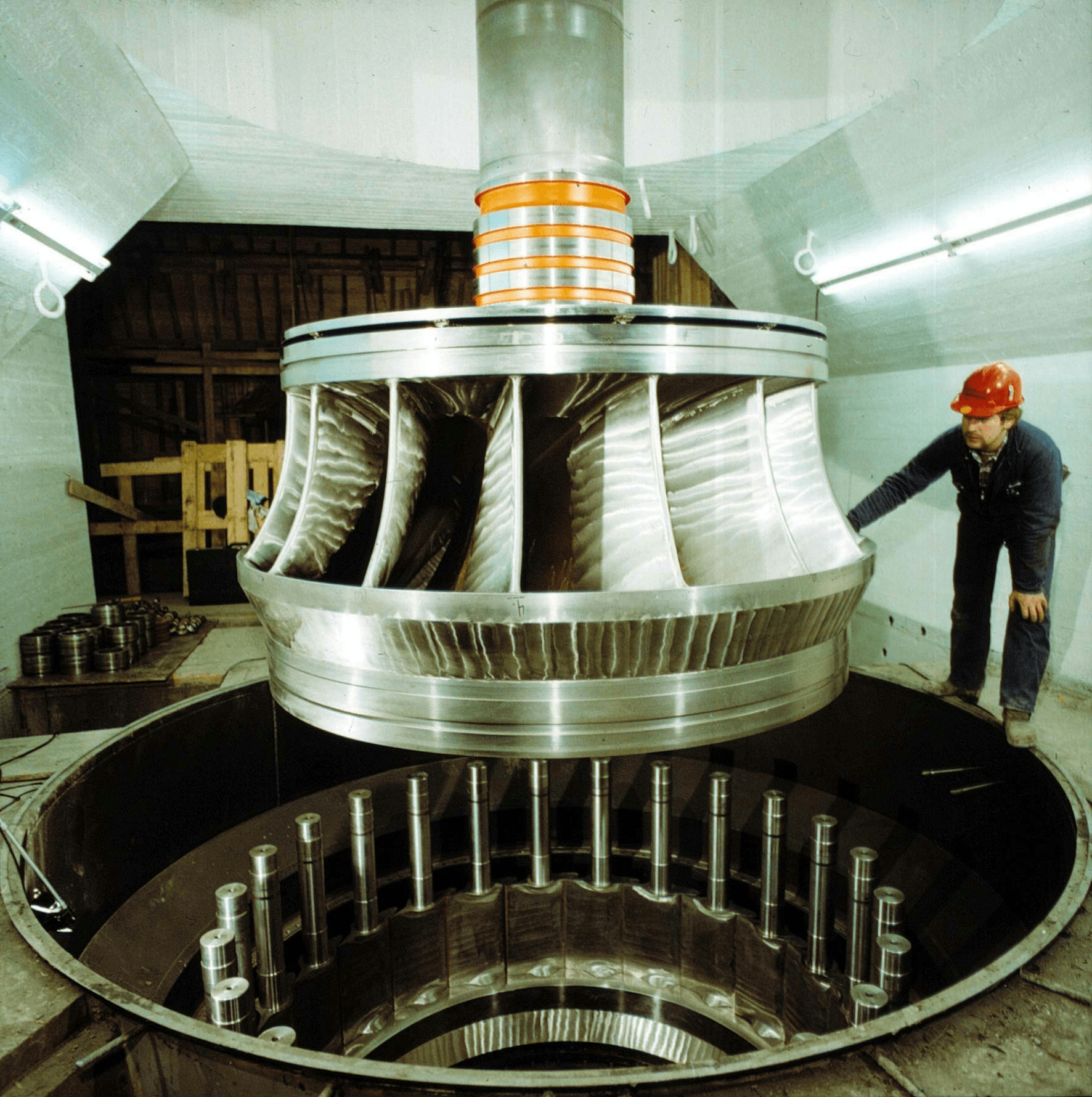
Centrifugal Compressor Inspection is a critical process that ensures the machinery operates at peak efficiency and minimizes unexpected failures. Regular checks of key components prevent costly downtime and extend the lifespan of the equipment. Incorporating aerodynamic testing, vibration tests, and material inspection into your routine helps detect issues early and maintain optimal performance.
Understanding which parts require close attention during centrifugal compressor inspection is essential. Components such as impellers, diffusers, seals, and bearings are subject to wear over time. Conducting aerodynamic testing on these parts provides insight into airflow disruptions or efficiency losses, while vibration tests can reveal imbalance or misalignment before they escalate into major problems.
Recognizing common signs of wear and damage is vital for effective centrifugal compressor inspection. Unusual vibrations, increased noise levels, or a drop in performance often indicate underlying issues that need immediate attention. Material inspection plays a crucial role here—checking for corrosion or fatigue helps prevent catastrophic failures. Proper documentation of these findings ensures maintenance teams can track deterioration trends over time and prepare required documents for third-party inspectors when necessary.
Aerodynamic Testing for Performance Assurance
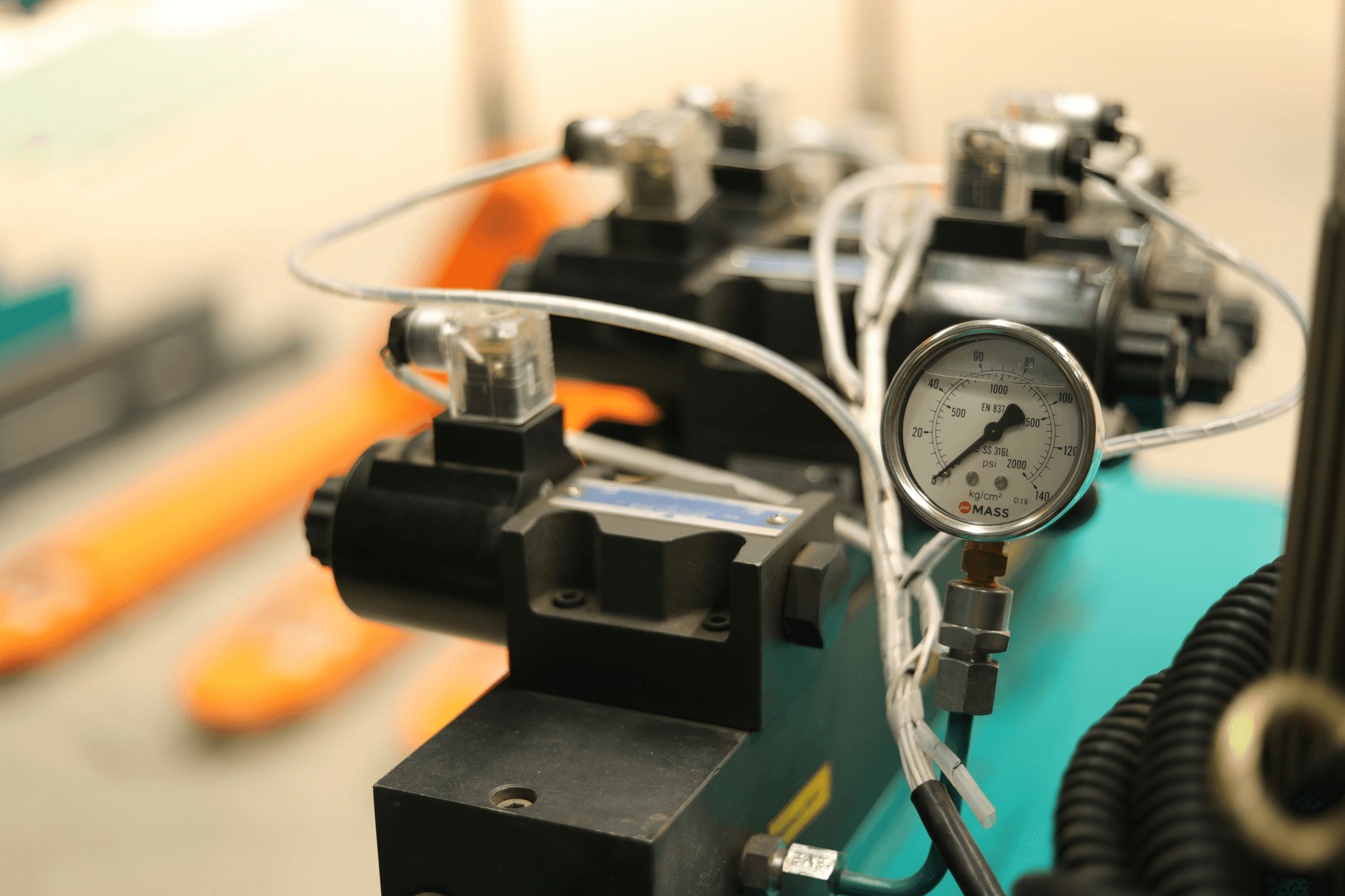
In the world of Centrifugal Compressor Inspection, aerodynamic testing plays a pivotal role in ensuring your equipment runs smoothly and efficiently. This testing method evaluates airflow dynamics within the compressor, revealing performance issues before they escalate into costly failures. Incorporating aerodynamic testing into your maintenance routine helps identify subtle inefficiencies that vibration tests or material inspections might miss, making it an essential part of comprehensive compressor care.
Aerodynamic testing employs a variety of techniques to scrutinize airflow patterns and pressure distributions inside the compressor. These methods include flow visualization, computational fluid dynamics (CFD) simulations, and physical test rigs equipped with sensors to measure real-time data. When conducting these tests, it's crucial to maintain meticulous records—these are among the Required Documents for Third Party Inspector—to ensure compliance and traceability during audits or inspections.
Interpreting aerodynamic test results is where the rubber meets the road in Centrifugal Compressor Inspection. By analyzing deviations from expected airflow behavior or pressure drops, maintenance teams can pinpoint potential wear points or damaged blades early on. This proactive approach allows for targeted repairs, reducing downtime and extending the lifespan of critical components like impellers or diffusers. Additionally, coupling aerodynamic insights with vibration tests and material inspection results provides a holistic view of compressor health—vital for making informed maintenance decisions that keep your operations humming smoothly.
Vibration Testing for Early Fault Detection

Vibration testing is a crucial component of comprehensive Centrifugal Compressor Inspection, enabling early detection of potential issues before they escalate into costly failures. By analyzing vibration patterns, maintenance teams can pinpoint imbalances, misalignments, or bearing faults that are often invisible to the naked eye. Incorporating vibration tests into your inspection routine ensures that aerodynamic testing and material inspection are complemented with precise fault diagnostics, leading to more reliable compressor operation.
The Significance of Vibration Analysis
Vibration analysis acts as the heartbeat monitor for your centrifugal compressors, revealing subtle signs of wear or impending failure that might otherwise go unnoticed during routine inspections. When conducting a vibration test, abnormal vibrations can indicate problems like rotor imbalance or bearing degradation—issues that could compromise overall compressor performance if left unchecked. Regular vibration analysis not only supports thorough Centrifugal Compressor Inspection but also helps in planning timely maintenance actions based on real-time data rather than reactive fixes.
Best Practices in Vibration Test Implementation
Implementing effective vibration tests requires meticulous planning and adherence to established standards for material inspection and testing procedures. Ensure that all Required Documents for Third Party Inspector are prepared beforehand to facilitate smooth inspections and accurate data collection during the vibration test process. Proper sensor placement and calibration are vital; they guarantee high-quality readings that accurately reflect the compressor’s condition, making aerodynamic testing results more meaningful when cross-referenced with vibration data.
Identifying and Addressing Vibration Anomalies
Once vibration anomalies are detected through rigorous testing, swift action is essential to prevent further damage or catastrophic failure. Common issues such as unbalance or misalignment identified during a vibration test should prompt targeted corrective measures—like realignment or balancing—supported by detailed documentation from previous inspections. Integrating findings from vibration analysis with material inspection results enhances your overall Centrifugal Compressor Inspection strategy, ensuring all potential fault sources are addressed comprehensively.
Material Inspection to Prevent Failures

Ensuring the longevity of your centrifugal compressor hinges heavily on meticulous material inspection. When performing centrifugal compressor inspection, paying close attention to material quality is crucial because even minor flaws can lead to catastrophic failures. Incorporating thorough material checks into your inspection routine helps identify potential issues before they escalate, saving time and costly downtime.
Material inspection plays a pivotal role in maintaining compressor reliability, especially when combined with aerodynamic testing and vibration tests. These tests often reveal hidden fatigue or corrosion that may not be visible during a standard visual check, making material inspection an indispensable part of the process. By adhering to strict standards and protocols for material inspection, maintenance teams can confidently ensure that only high-quality materials are in service, reducing the risk of unexpected breakdowns.
The impact of material quality on compressor reliability cannot be overstated; subpar materials compromise performance and increase wear rates over time. Proper material inspection ensures that components meet industry standards and are suitable for their operating conditions. Integrating comprehensive material checks with other testing methods like aerodynamic testing and vibration tests enhances overall assessment accuracy, leading to more informed maintenance decisions.
Documentation and Compliance with Third-Party Inspections

Proper documentation is the backbone of a reliable Centrifugal Compressor Inspection process, especially when third-party inspectors are involved. Ensuring all necessary paperwork is in order not only streamlines the inspection but also demonstrates compliance with industry standards. From maintenance records to previous inspection reports, having comprehensive documentation makes every step smoother and helps identify potential issues early.
Required Documents for Third Party Inspectors
When preparing for a third-party Centrifugal Compressor Inspection, certain documents are non-negotiable. These include detailed records of aerodynamic testing results, vibration test data, and material inspection reports that verify component integrity. Providing clear, organized documentation on these aspects ensures that inspectors can quickly assess the compressor’s condition and adherence to safety standards.
Coordinating with China Inspection Pro for Seamless Inspections
Partnering with China Inspection Pro simplifies the complex process of complying with international standards during your Centrifugal Compressor Inspection journey. Their team specializes in coordinating aerodynamic testing schedules, vibration analysis reviews, and Material Inspection procedures to meet regulatory requirements efficiently. By working closely with them, you ensure that all Required Documents for Third Party Inspector are prepared in advance, minimizing delays and avoiding costly re-inspections.
Ensuring regulatory and industry standards are Met
Compliance isn’t just about ticking boxes; it’s about guaranteeing your compressor operates reliably under strict industry regulations through meticulous documentation and inspections. Regularly updating records related to aerodynamic testing results, vibration tests, and Material Inspection helps demonstrate ongoing adherence to safety protocols. When all documentation aligns perfectly with industry standards, you build confidence in your centrifugal compressor’s performance while avoiding penalties or operational shutdowns.
Conclusion
Ensuring the long-term reliability of your centrifugal compressors hinges on meticulous inspection strategies, including aerodynamic testing, vibration tests, and material inspections. Regularly performing these checks helps detect early signs of wear or damage, ultimately preventing costly failures down the line. Remember, a well-documented inspection process—covering required documents for third-party inspectors—is essential to keep everything compliant and running smoothly.
Maintaining Reliability with Proper Inspection Strategies
Implementing a comprehensive approach to centrifugal compressor inspection is your best defense against unexpected breakdowns. Aerodynamic testing provides performance insights, while vibration tests catch issues before they escalate into major faults. When combined with thorough material inspection and proper documentation for third-party inspectors, these strategies form a robust shield that preserves your equipment’s integrity over time.
Leveraging Professional Services of China Inspection Pro
Partnering with China Inspection Pro elevates your centrifugal compressor inspection game by offering expert guidance on all fronts—from aerodynamic testing to verifying required documents for third-party inspectors. Their seasoned team ensures that each material inspection is thorough and compliant with industry standards, saving you time and reducing risk. With their support, you can confidently navigate complex inspection processes and focus on optimizing compressor performance.
Building Confidence in Centrifugal Compressor Performance
A proactive approach to centrifugal compressor inspection fosters trust in your equipment’s reliability among stakeholders and operators alike. By consistently conducting vibration tests alongside aerodynamic testing and maintaining detailed documentation—including required documents for third-party inspectors—you demonstrate a commitment to excellence. Ultimately, this builds confidence that your compressors will perform efficiently under demanding conditions for years to come.