
Introduction
In the dazzling world of jewelry, where elegance meets craftsmanship, Women’s Jewelry Inspection plays a pivotal role in ensuring that every piece not only shines but also meets stringent quality standards. The importance of this inspection process cannot be overstated; it serves as a safeguard for both consumers and manufacturers alike, guaranteeing that the jewelry purchased is both beautiful and reliable. With the ever-evolving trends in women's jewelry, maintaining high-quality standards through rigorous inspections is essential to uphold brand reputation and customer satisfaction.
Importance of Women’s Jewelry Inspection
Women’s Jewelry Inspection is crucial for identifying flaws or defects that could compromise the integrity of a piece. This meticulous process not only protects consumers from subpar products but also helps brands maintain their market position by assuring quality at every stage of production. By implementing thorough inspections at various levels—such as pre-production jewelry inspection, raw materials inspection, craft and assembly inspection, and design and construction inspection—companies can ensure that their offerings are both exquisite and durable.
Key Stages in Jewelry Production
The journey of creating stunning women’s jewelry involves several key stages that require careful attention to detail. From initial design concepts to the final product displayed in stores, each phase presents opportunities for potential pitfalls if not properly inspected. Understanding these stages allows manufacturers to implement effective Women’s Jewelry Inspection processes tailored to each specific step—from pre-production to raw materials to assembly—ensuring that quality remains uncompromised throughout.
Ensuring Quality and Value
Ensuring quality through comprehensive inspections ultimately enhances the value of women’s jewelry in the marketplace. When consumers know that a piece has undergone rigorous inspections—including craft and assembly inspection along with design checks—they are more likely to trust the brand behind it. In an industry where aesthetics matter just as much as durability, prioritizing Women’s Jewelry Inspection can lead to increased consumer loyalty and long-term success for jewelers.
Overview of Women’s Jewelry Inspection

In the ever-evolving world of fashion and adornment, Women’s Jewelry Inspection plays a pivotal role in ensuring that the final products meet both aesthetic and quality standards. This process encompasses several key stages, including pre-production jewelry inspection, raw materials inspection, craft and assembly inspection, and design and construction inspection. Each stage is crucial in maintaining the integrity of women's jewelry and fostering consumer trust.
What is Women’s Jewelry Inspection
Women’s Jewelry Inspection refers to a comprehensive evaluation process aimed at assessing the quality of jewelry specifically designed for women. This inspection covers everything from initial design sketches to the final product, ensuring that every piece meets established standards for excellence. By meticulously examining each aspect of production, companies can guarantee that their jewelry not only looks stunning but also stands the test of time.
Significance in the Jewelry Market
In today’s competitive jewelry market, Women's Jewelry Inspection has become increasingly significant as consumers demand higher quality and ethical sourcing practices. Shoppers are more informed than ever about what goes into their accessories; they want assurance that their purchases are both beautiful and responsibly made. This growing awareness makes rigorous inspections essential for brands looking to maintain their reputation while attracting discerning customers who value quality.
Role of Companies like China Inspection Pro
Companies like China Inspection Pro play an instrumental role in facilitating Women’s Jewelry Inspection by providing expert evaluations at various production stages. Their experienced inspectors conduct thorough assessments ranging from pre-production jewelry inspection to raw materials inspections, ensuring that every element aligns with industry standards. By partnering with such firms, businesses can enhance their credibility while delivering high-quality products that resonate with consumers' expectations for excellence.
Pre-production Jewelry Inspection

Pre-production jewelry inspection is a crucial step in the overall process of ensuring quality and value in women's jewelry. This phase focuses on evaluating design concepts, supplier capabilities, and material sourcing before any actual production begins. By taking these steps, companies can significantly reduce the risk of defects and ensure that the final products meet consumer expectations.
Assessing Design Sketches and Prototypes
The first step in pre-production jewelry inspection involves thoroughly assessing design sketches and prototypes. Designers must present their ideas clearly, ensuring that every detail aligns with market trends and consumer preferences. A well-executed prototype allows inspectors to evaluate not only the aesthetic appeal but also the practicality of the design before it goes into mass production.
In this stage, inspectors look for potential flaws or areas for improvement within the designs, which can save time and resources later on. Feedback from experienced professionals can help refine designs to enhance their marketability while ensuring they are feasible for production processes. The emphasis here is on creating a strong foundation for subsequent stages of women's jewelry inspection.
Evaluating Supplier Capabilities
Next up in pre-production jewelry inspection is evaluating supplier capabilities—an essential step that often gets overlooked. It's vital to assess whether suppliers have the necessary skills, equipment, and experience to produce high-quality materials consistently. This evaluation helps establish reliable partnerships that will contribute positively to both craftsmanship and ethical sourcing practices.
Inspectors should conduct site visits or audits to gain firsthand insight into suppliers' operations, checking for compliance with standards relevant to women’s jewelry inspection. A capable supplier can significantly impact not just product quality but also delivery timelines and pricing structures—key factors that influence a brand's reputation in a competitive market. Ultimately, choosing reliable suppliers lays the groundwork for successful raw materials inspection later on.
Importance of Material Sourcing
Material sourcing plays an integral role in pre-production jewelry inspection as it directly influences quality and sustainability efforts within the industry. Inspectors need to verify that all materials—be it gemstones or metals—are sourced ethically and responsibly, aligning with consumers' growing demand for transparency in manufacturing processes. This focus on ethical sourcing not only enhances product integrity but also boosts brand loyalty among conscientious buyers.
Additionally, understanding where materials come from helps avoid potential legal issues related to conflict minerals or misrepresented gemstones during raw materials inspections down the line. By prioritizing responsible sourcing practices during this phase, companies can ensure they maintain high standards throughout all stages of women's jewelry inspection—from craft assembly through design checks right up until final construction inspections are complete.
Raw Materials Inspection
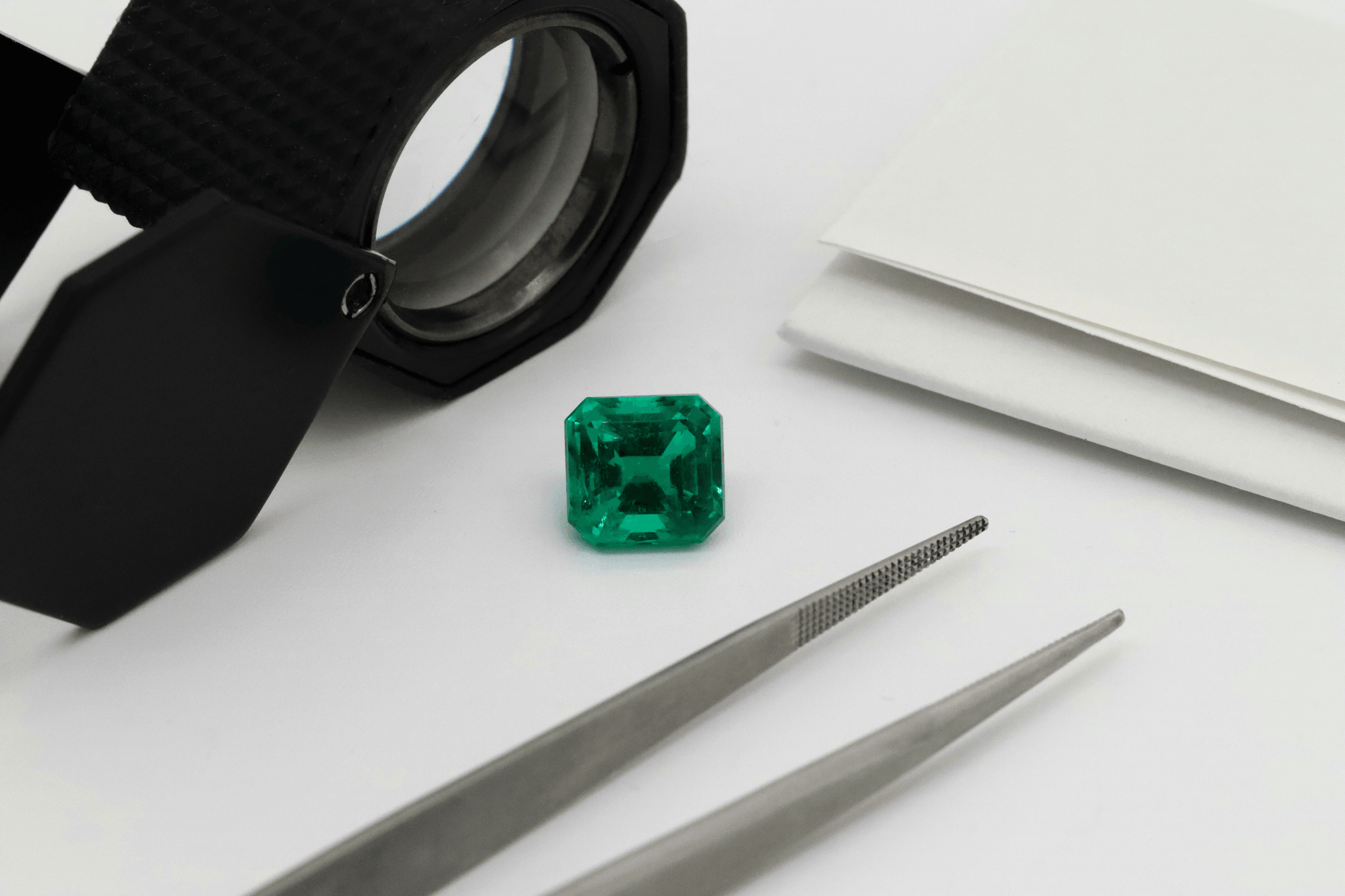
In the world of Women’s Jewelry Inspection, raw materials are the building blocks that determine the overall quality and value of each piece. This phase is crucial, as it ensures that every gemstone and metal used in production meets stringent standards. By focusing on raw materials inspection, companies can prevent subpar products from reaching consumers, thereby maintaining brand integrity and trust.
Verifying Gemstone Authenticity
When it comes to gemstones, authenticity is paramount in Women’s Jewelry Inspection. Inspectors use advanced techniques such as spectroscopy and magnification to confirm whether a gemstone is natural or synthetic. This process not only protects consumers from fraud but also enhances the perceived value of the jewelry, ensuring that buyers receive what they pay for.
Evaluating Metal Quality
The quality of metals used in jewelry plays a significant role in both durability and aesthetics. During the raw materials inspection phase, inspectors assess factors like purity levels and alloy composition to ensure that metals meet industry standards. High-quality metals not only enhance the longevity of women’s jewelry but also contribute to its overall appeal.
Importance of Ethical Sourcing
In today’s market, ethical sourcing has become a cornerstone of Women’s Jewelry Inspection practices. Consumers are increasingly aware of where their materials come from and demand transparency regarding mining practices and labor conditions. By prioritizing ethical sourcing during raw materials inspection, companies not only comply with regulations but also build a loyal customer base that values responsible business practices.
Craft and Assembly Inspection
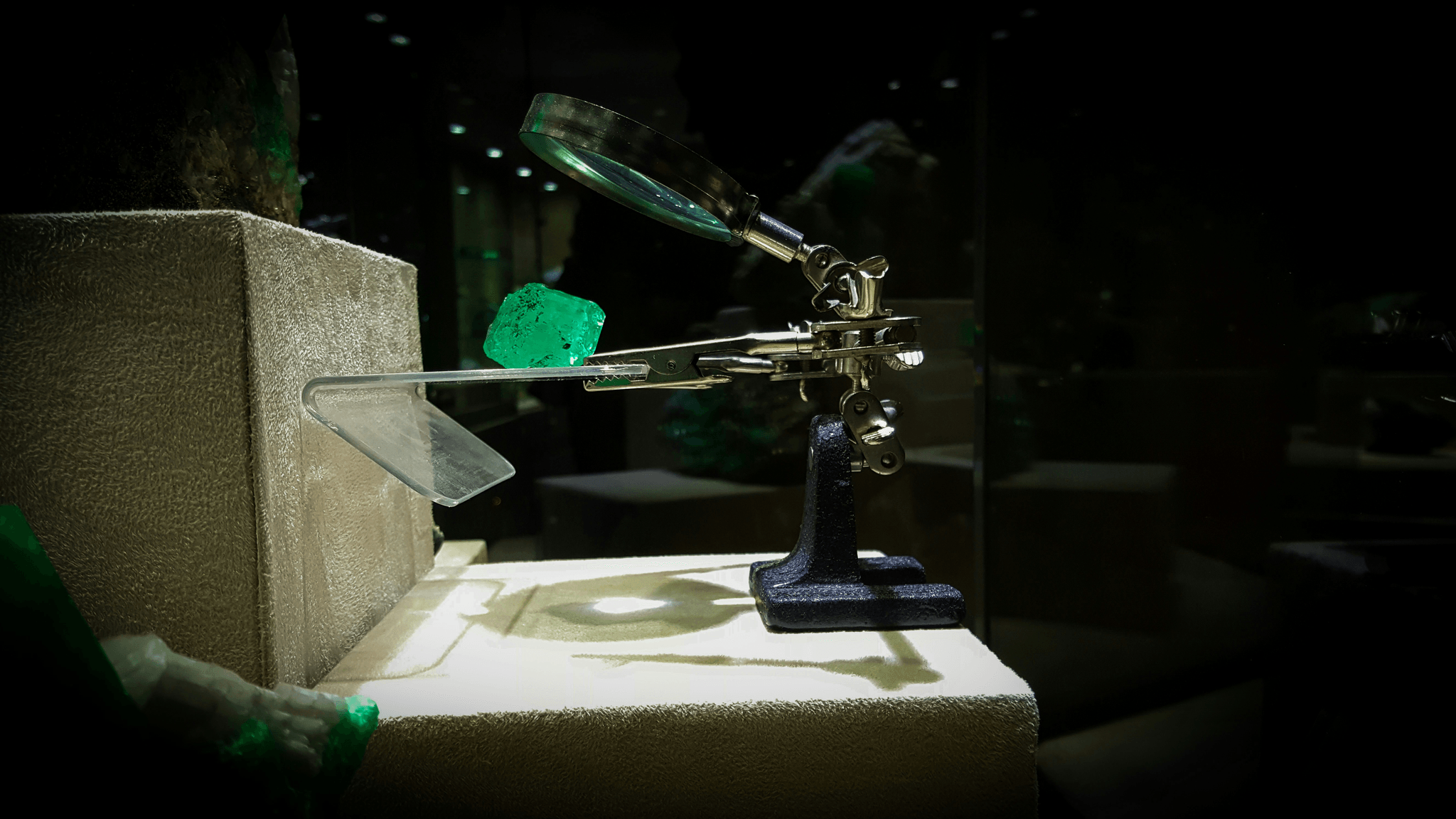
Craft and assembly inspection is a pivotal stage in the Women’s Jewelry Inspection process, ensuring that each piece not only meets aesthetic standards but also adheres to functional requirements. This phase involves a detailed examination of how materials come together to form the final product, which can significantly impact both quality and consumer satisfaction. By focusing on meticulous craftsmanship, companies can enhance the wearability and longevity of jewelry items.
Tools and Techniques for Craft Quality
To achieve high craft quality in women’s jewelry, various tools and techniques are employed during inspection. Microscopes, magnifying glasses, and specialized lighting help inspectors scrutinize intricate details that may be invisible to the naked eye. Additionally, techniques such as tactile testing assess the smoothness of surfaces and ensure that no sharp edges pose a risk to wearers.
These tools not only enhance precision but also help identify any discrepancies stemming from pre-production jewelry inspections or raw materials inspections. For instance, if gemstones are poorly set or if there are flaws in metalwork, these tools will reveal such issues before they reach consumers. Ultimately, investing in advanced inspection equipment leads to higher-quality products that resonate with customers seeking value.
Ensuring Durability and Wearability
Ensuring durability and wearability is essential in women’s jewelry inspection because consumers expect their pieces to withstand daily use while maintaining their beauty over time. Inspectors evaluate factors such as joint strength, clasp functionality, and overall construction integrity during this phase of craft and assembly inspection. By doing so, they can identify potential weaknesses that could lead to damage or breakage.
Moreover, rigorous testing for wearability includes assessing how comfortable a piece feels when worn for extended periods. Jewelry should not only look good but should also feel good; otherwise, it risks being tucked away rather than proudly displayed by its owner. Therefore, ensuring durability becomes synonymous with enhancing customer satisfaction—a win-win situation for both manufacturers and consumers alike.
Role of Experienced Inspectors
The role of experienced inspectors cannot be overstated when it comes to craft and assembly inspection within women's jewelry production processes. Their expertise allows them to detect subtle flaws early on—flaws that might escape less seasoned eyes during pre-production jewelry inspections or raw materials inspections stages. An experienced inspector brings an intuitive understanding of design principles combined with technical knowledge about materials used.
Furthermore, these inspectors often have a keen sense of trends within the market; this insight helps them evaluate whether certain design choices will appeal to consumers or potentially hinder sales due to perceived quality issues. They serve as guardians of craftsmanship who ensure every piece not only meets industry standards but also exceeds customer expectations for durability and aesthetic appeal—a crucial element as we move toward design and construction inspection stages.
Design and Construction Inspection
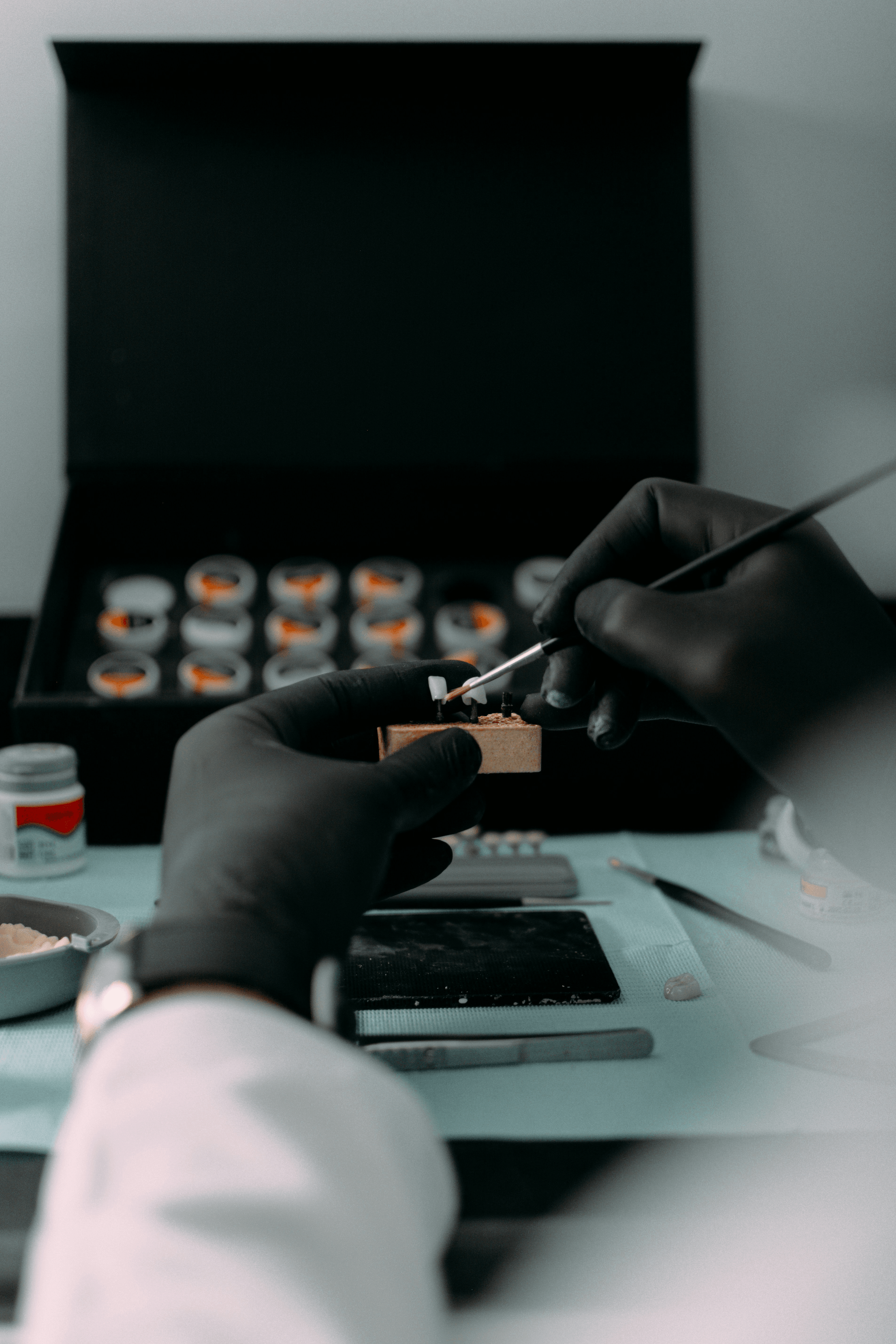
When it comes to Women’s Jewelry Inspection, the design and construction phase is where artistry meets engineering. This stage ensures that every piece not only dazzles but also stands the test of time. A meticulous inspection at this level can make all the difference between a fleeting trend and a timeless treasure.
Final Checks on Aesthetic Appeal
The final checks on aesthetic appeal are crucial in Women’s Jewelry Inspection, as they determine whether the jewelry resonates with its intended audience. Inspectors evaluate elements such as color harmony, symmetry, and overall visual impact to ensure that each piece is not just beautiful but also marketable. After all, if it doesn’t catch the eye, it likely won’t catch a buyer's attention either.
Analyzing Structural Integrity
Analyzing structural integrity is another essential aspect of Design and Construction Inspection within Women’s Jewelry Inspection. This involves examining settings, clasps, and joints to ensure they can withstand daily wear without compromising quality or safety. If a piece looks stunning but falls apart at the first tug, it’s not worth much in terms of customer satisfaction or brand reputation.
Importance of Compliance with Standards
Compliance with industry standards is paramount in Women’s Jewelry Inspection to ensure that each piece adheres to established guidelines for quality and safety. This includes checking for proper metal content, gemstone treatment disclosures, and adherence to ethical sourcing practices from previous stages like Raw Materials Inspection. By meeting these standards, companies build trust with consumers who increasingly prioritize responsible purchasing decisions.
Conclusion
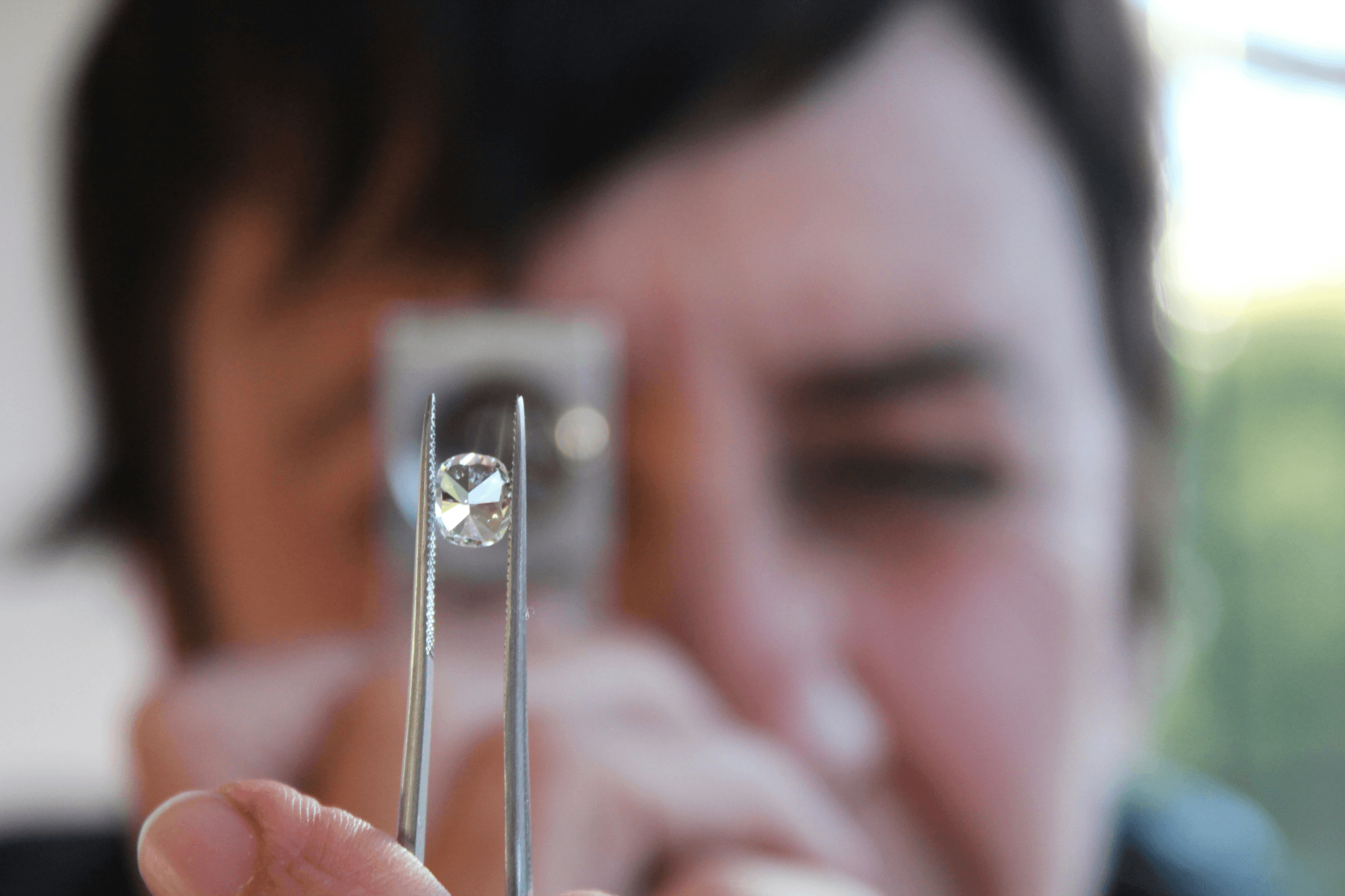
In the intricate world of jewelry production, the role of Women’s Jewelry Inspection cannot be overstated. A rigorous inspection process ensures that every piece meets high standards, from design to final assembly. This commitment to quality not only protects consumers but also strengthens the reputation of brands in a competitive market.
Benefits of a Rigorous Inspection Process
Implementing a thorough pre-production jewelry inspection is essential for identifying potential flaws before they become costly mistakes. By evaluating design sketches and prototypes, companies can nip issues in the bud, ensuring that only the best designs move forward. Additionally, raw materials inspection allows for verification of gemstone authenticity and metal quality, safeguarding against subpar materials that could tarnish a brand's image.
The craft and assembly inspection further guarantees that each piece is constructed with care and precision. Experienced inspectors utilize various tools and techniques to assess durability and wearability, which are crucial for customer satisfaction. Ultimately, this multi-faceted approach to Women’s Jewelry Inspection benefits both manufacturers and consumers by fostering trust in product quality.
How Quality Enhances Consumer Trust
Quality assurance through comprehensive inspections plays a pivotal role in building consumer trust in women’s jewelry brands. When customers know that each piece has undergone rigorous raw materials inspection and craft evaluation, they feel more confident in their purchases. This assurance translates into loyalty; satisfied customers are more likely to return for future purchases or recommend the brand to others.
Moreover, brands that prioritize design and construction inspection demonstrate their commitment to excellence, setting themselves apart from competitors who may cut corners. In an age where consumers are increasingly discerning about ethical sourcing and craftsmanship, transparency becomes key; sharing insights about these processes can further enhance trustworthiness. As consumers become more educated about jewelry quality standards, those brands with robust Women’s Jewelry Inspection protocols will undoubtedly stand out.
Final Thoughts on Women’s Jewelry Quality
In conclusion, women’s jewelry deserves nothing less than meticulous attention at every stage of production—from pre-production jewelry inspection through to final checks during design and construction inspections. The importance of maintaining high standards throughout this process cannot be understated; it directly impacts not just product quality but also consumer confidence in the brand as a whole. As we continue to navigate an evolving market landscape filled with choices, prioritizing rigorous inspections will ensure that women’s jewelry remains synonymous with elegance and reliability.