
Introduction
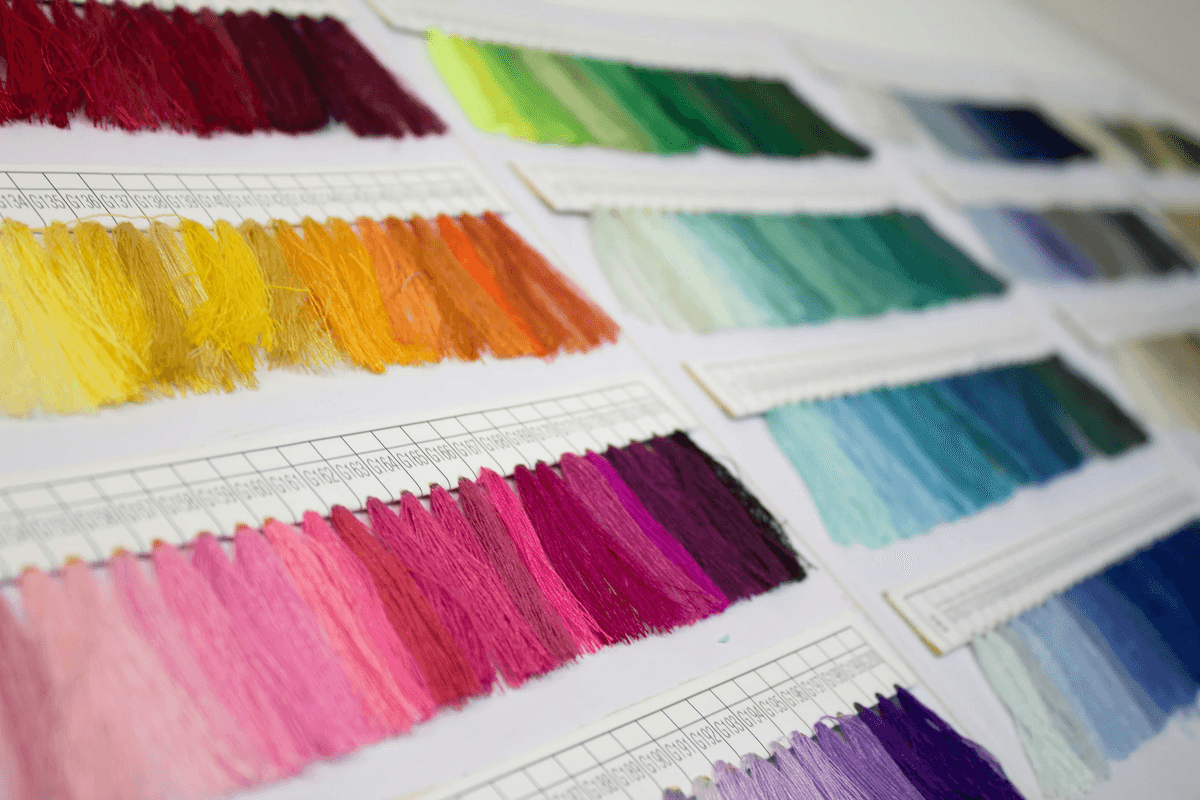
In the bustling world of textile manufacturing, ensuring that your textile fabric maintains its vibrant color through countless washes and wears is no small feat. This is where the significance of Color Fastness Tests comes into play, acting as the ultimate quality checkpoint for clothing and fabrics. Without reliable testing methods, manufacturers risk delivering products that fade prematurely, damaging brand reputation and customer satisfaction alike.
Maintaining fabric color integrity is essential not only for aesthetic appeal but also for meeting industry standards and consumer expectations. Color fastness directly impacts how textiles & fabrics perform over time, making it a critical factor in production quality control. When textile manufacturers prioritize accurate color fastness testing, they safeguard their products against common challenges like dye bleeding, fading from light exposure, or rubbing off during use.
Reliable color fastness tests offer numerous benefits for clothing and fabrics alike. They help identify potential issues early in the manufacturing process, saving costs associated with rework or recalls. Ultimately, investing in thorough testing ensures that each textile fabric meets high-quality standards—delivering durable, vibrant textiles & fabrics that stand the test of time.
Fundamentals of Color Fastness Testing
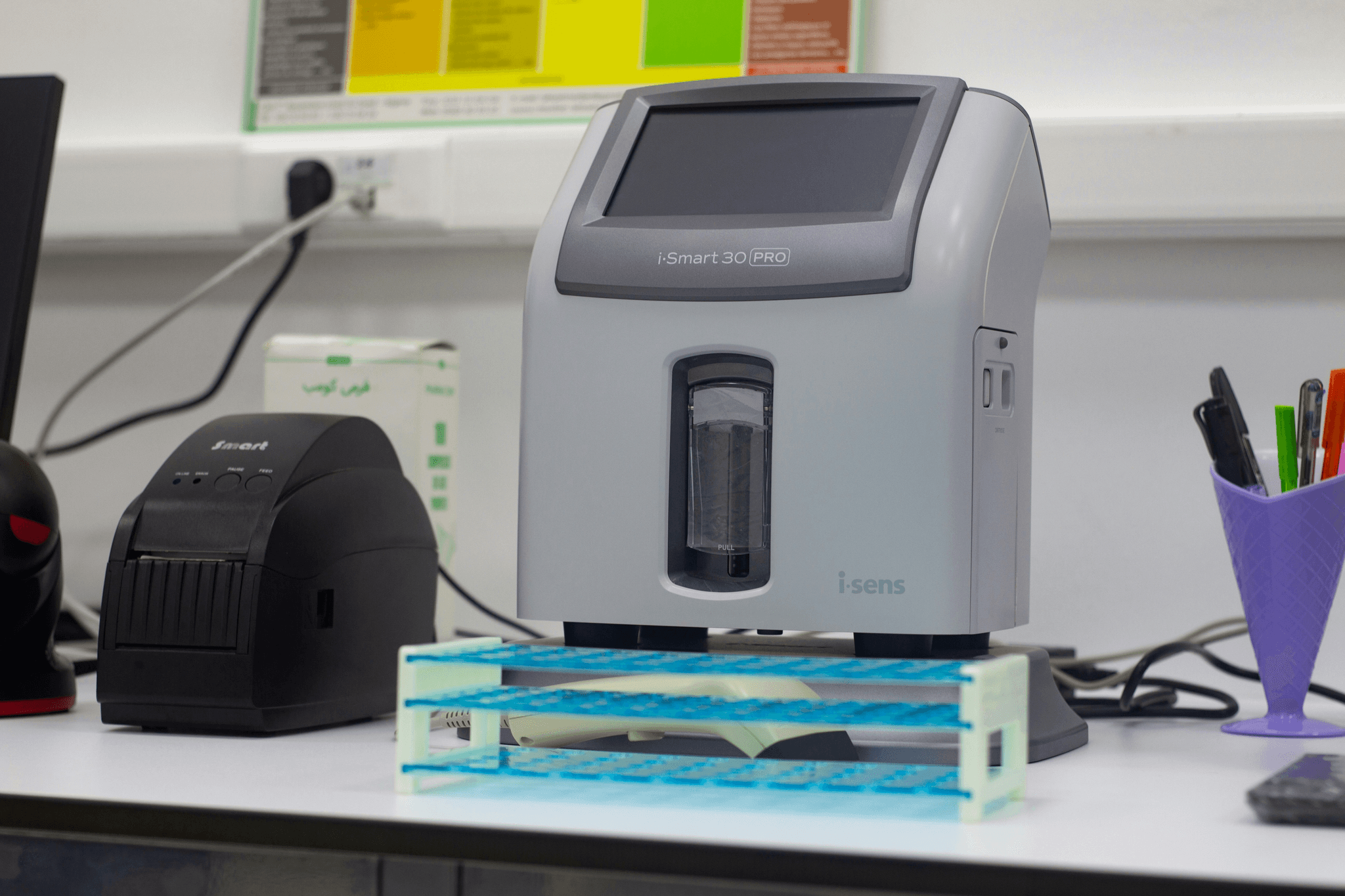
Color Fastness Tests are the backbone of ensuring that textile manufacturing produces clothing and fabrics that stand the test of time and use. These tests evaluate how well a fabric's color holds up against various conditions like washing, light exposure, or rubbing. Without reliable color fastness testing, textile producers risk delivering products with fading colors, which can disappoint customers and tarnish brand reputation.
In the world of textiles & fabrics, understanding the different types of color fastness tests used in the industry is crucial. Each test targets specific challenges faced by textile fabric, such as color bleeding during washing or fading under sunlight. These tests help manufacturers identify potential issues early on and make informed decisions to improve fabric quality before reaching consumers.
Key standards and protocols from organizations like ISO and AATCC set the gold standard for conducting consistent and accurate color fastness tests. They provide detailed guidelines for testing methods applicable across various textiles & fabrics, ensuring uniformity in results worldwide. Adhering to these standards helps textile manufacturers maintain high-quality fabric color while complying with international regulations.
Preparing for Accurate Color Fastness Evaluation
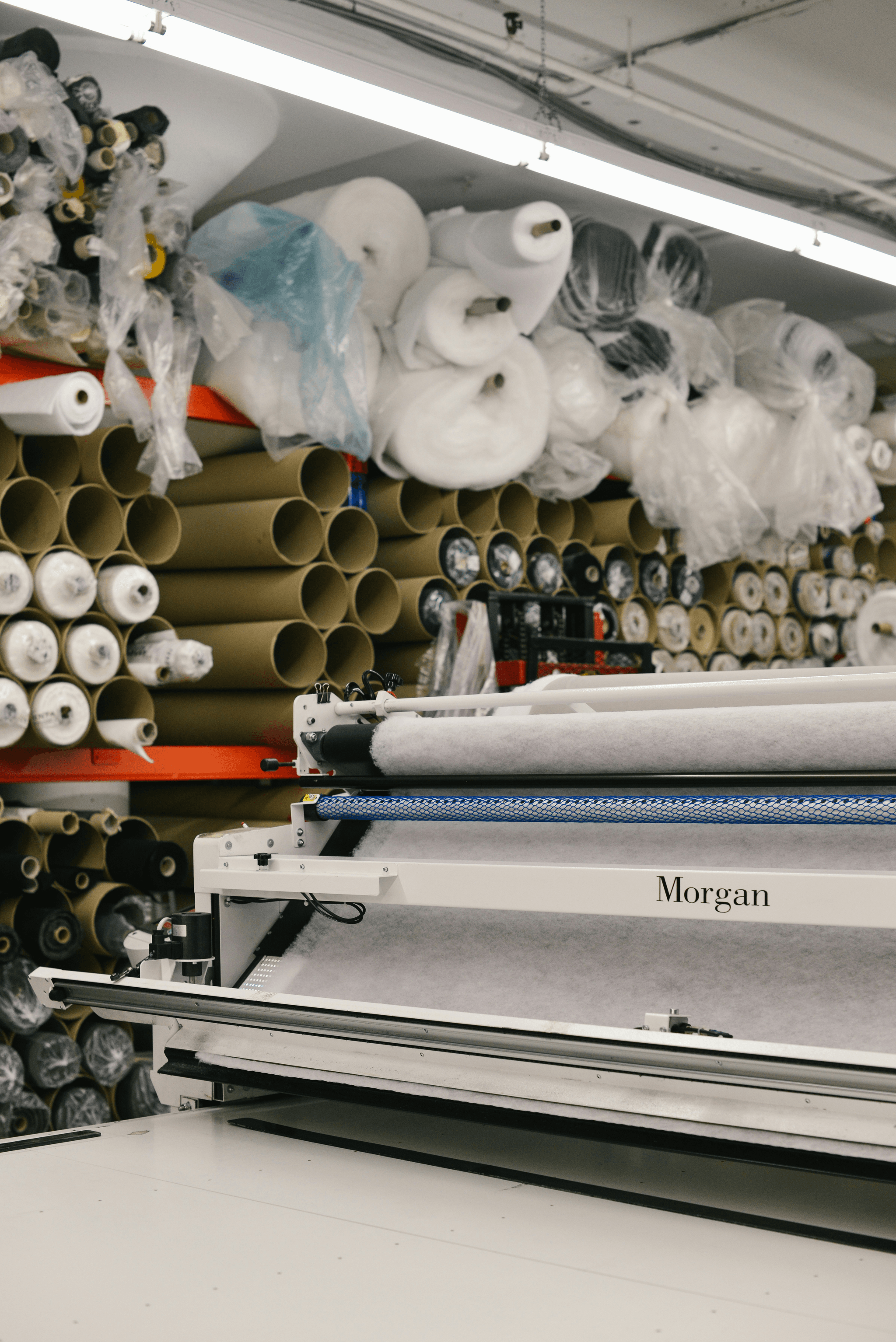
Getting your textile fabric ready for color fastness tests is a crucial step in ensuring the quality of clothing and fabrics. Proper preparation minimizes errors and guarantees that test results truly reflect the fabric's durability and resistance to fading or bleeding. When it comes to textiles & fabrics, meticulous sample selection, conditioning, and equipment choice are the backbone of reliable color fastness assessments.
Selecting Representative Textile Samples
Choosing the right textile fabric samples is like picking the perfect cast for a movie—every piece must tell the story accurately. For precise color fastness tests, samples should represent the entire batch, including variations in dye lots or finishing processes. In textile manufacturing, selecting representative textiles & fabrics ensures that testing outcomes mirror real-world performance across all clothing and fabrics products.
Proper Sample Conditioning Before Testing
Before diving into color fastness tests, conditioning your textile fabric samples is essential—think of it as giving them a spa day to reach equilibrium. This process involves exposing textiles & fabrics to controlled temperature and humidity conditions to stabilize their fabric color before testing begins. Proper sample conditioning helps eliminate variables like moisture or residual chemicals that could skew results in textile manufacturing.
Choosing the Right Testing Equipment and Reagents
Not all testing tools are created equal—selecting appropriate equipment and reagents can make or break your test accuracy. For reliable color fastness assessments, use industry-standard testers designed specifically for textiles & fabrics; these include wash testers, light boxes, and rubbing machines aligned with ISO or AATCC standards. The right gear ensures that your color fastness tests provide consistent data on how clothing and fabrics will perform over time.
Conducting Color Fastness Tests Effectively
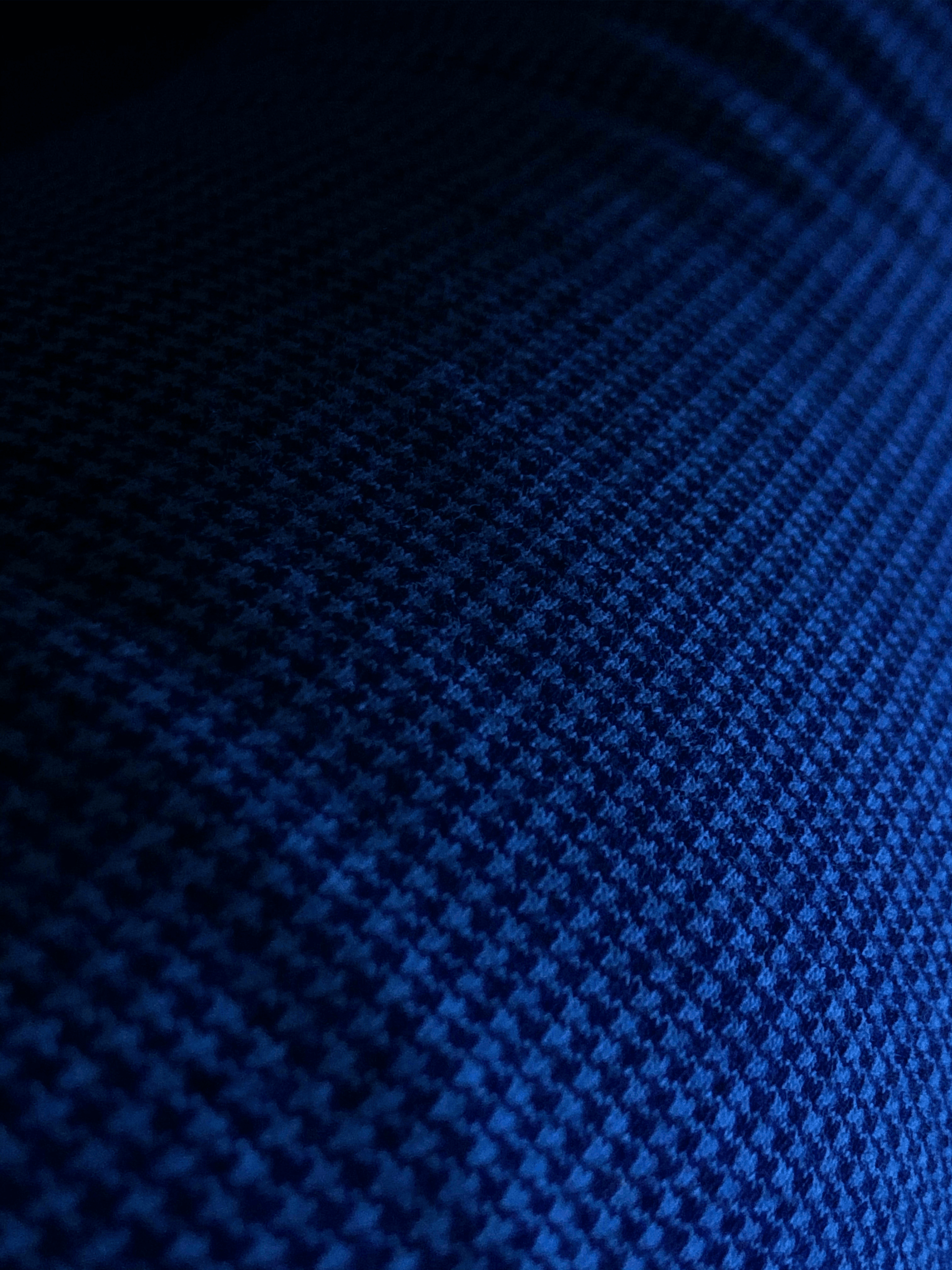
Performing accurate color fastness tests is the backbone of quality assurance in textile manufacturing. These tests help determine how well textiles & fabrics retain their fabric color when subjected to various conditions like washing, light exposure, or rubbing. Proper execution ensures clothing and fabrics meet industry standards and satisfy customer expectations for durability.
Step-by-Step Testing Procedures for Textile Fabrics
Starting with a clean slate, select representative textile fabric samples that accurately reflect the batch or production lot. Before testing, condition the samples in a controlled environment to stabilize temperature and humidity—this is crucial for reliable results in color fastness testing. Next, follow standardized procedures outlined by recognized standards such as ISO or AATCC, which specify the exact steps for preparing and performing each test.
The process involves applying specific test conditions—like immersing fabric in dye solutions for wash fastness or exposing textiles & fabrics to simulated sunlight for light fastness—to evaluate how well the fabric retains its original hue. During rubbing tests, textiles are gently rubbed with a white cloth to observe any dye transfer or color fading. Carefully record all observations during each step to ensure comprehensive documentation of how the textile responds under different stressors.
Common Testing Methods Like Wash, Light, and Rubbing Tests
In textile manufacturing, some of the most common methods used to assess fabric color include wash fastness tests, light fastness tests, and rubbing fastness evaluations. Wash tests simulate repeated laundering cycles to see if clothing and fabrics maintain their original shade after multiple washes—crucial for consumer satisfaction. Light fastness tests expose textiles & fabrics to artificial or natural light sources to evaluate how sunlight affects fabric color over time.
Rubbing tests are essential for assessing whether dyes will bleed onto other materials during wear or handling; they mimic real-life scenarios where friction could cause dye transfer or fading on clothing and fabrics. Each of these methods requires specific equipment calibrated according to industry standards but offers invaluable insights into a textile's durability and performance in everyday use.
Interpreting and Recording Test Results Accurately
Once testing is complete, interpreting results involves comparing observed changes against standardized gray scales or rating charts designed explicitly for color fastness assessments. These scales help quantify subtle differences in fabric color that might otherwise go unnoticed but are critical in ensuring textiles & fabrics meet quality benchmarks. Precise recording of test outcomes—including any dye transfer, fading intensity, or discoloration—is vital for making informed decisions about product quality.
Accurate documentation not only aids manufacturers in troubleshooting issues but also provides proof of compliance during audits or regulatory inspections related to textile manufacturing standards. When results reveal deficiencies in fabric color durability, it’s an opportunity to revisit dyeing processes or consider alternative treatments that enhance overall color fastness without compromising style or comfort.
Ensuring Reliability with Quality Inspection and China Inspection Pro

In the competitive world of textile manufacturing, ensuring your textiles & fabrics meet the highest standards is crucial. Partnering with a trusted quality inspection service provides the expertise needed to verify fabric color and overall quality through comprehensive color fastness tests. These tests are vital for clothing and fabrics, helping manufacturers deliver durable, vibrant products that stand up to real-world wear and washing.
By collaborating with professionals like China Inspection Pro, businesses can enhance the credibility of their test results. Their rigorous evaluation processes validate that your textile fabric passes all relevant standards for color fastness, whether it’s light, wash, or rub fastness. This partnership not only boosts consumer confidence but also minimizes costly rework or recalls caused by subpar fabric color performance.
Integrating these reliable test results into your quality control processes is the key to long-term success in textiles & fabrics production. With accurate data from trusted inspections, manufacturers can fine-tune their dyeing and finishing procedures to improve fabric color durability. Ultimately, this approach ensures that every batch of clothing and fabrics leaving your facility meets or exceeds industry expectations for color fastness.
Troubleshooting and Improving Fabric Color Durability
When it comes to textile manufacturing, even the tiniest misstep can lead to poor fabric color and compromised color fastness. Identifying the root causes of issues in textile fabrics requires a keen eye and thorough understanding of the entire production process. Problems with clothing and fabrics often stem from improper dyeing techniques, inadequate fixation, or incompatible fiber-dye combinations, all of which can be uncovered through meticulous Color Fastness Tests.
Understanding why a textile fabric doesn't hold its color as expected involves examining multiple factors. Poor results in color fastness tests could be due to insufficient pre-treatment, substandard dye quality, or improper curing after dyeing. Recognizing these causes early allows manufacturers to troubleshoot effectively before large batches are affected, saving time and cost while ensuring textiles & fabrics meet high standards.
To improve fabric finish and dyeing processes practically, focus on optimizing each step—such as adjusting pH levels during dyeing or enhancing fixation methods—to boost overall fabric color durability. Incorporating advanced testing methods like Color Fastness Tests during production helps monitor progress and catch issues before they escalate. Regularly reviewing process parameters ensures that clothing and fabrics maintain their desired appearance after washing or exposure to light.
Implementing corrective actions for future production involves a proactive approach—updating dye recipes, refining finishing techniques, or investing in better equipment—to enhance textile fabric quality continually. Consistent use of reliable Color Fastness Tests provides valuable feedback on how well the improvements work over time. When these adjustments are integrated into your workflow, you’ll see a marked increase in the longevity of your textiles & fabrics’ vibrant colors.
Regulatory Compliance and Industry Best Practices
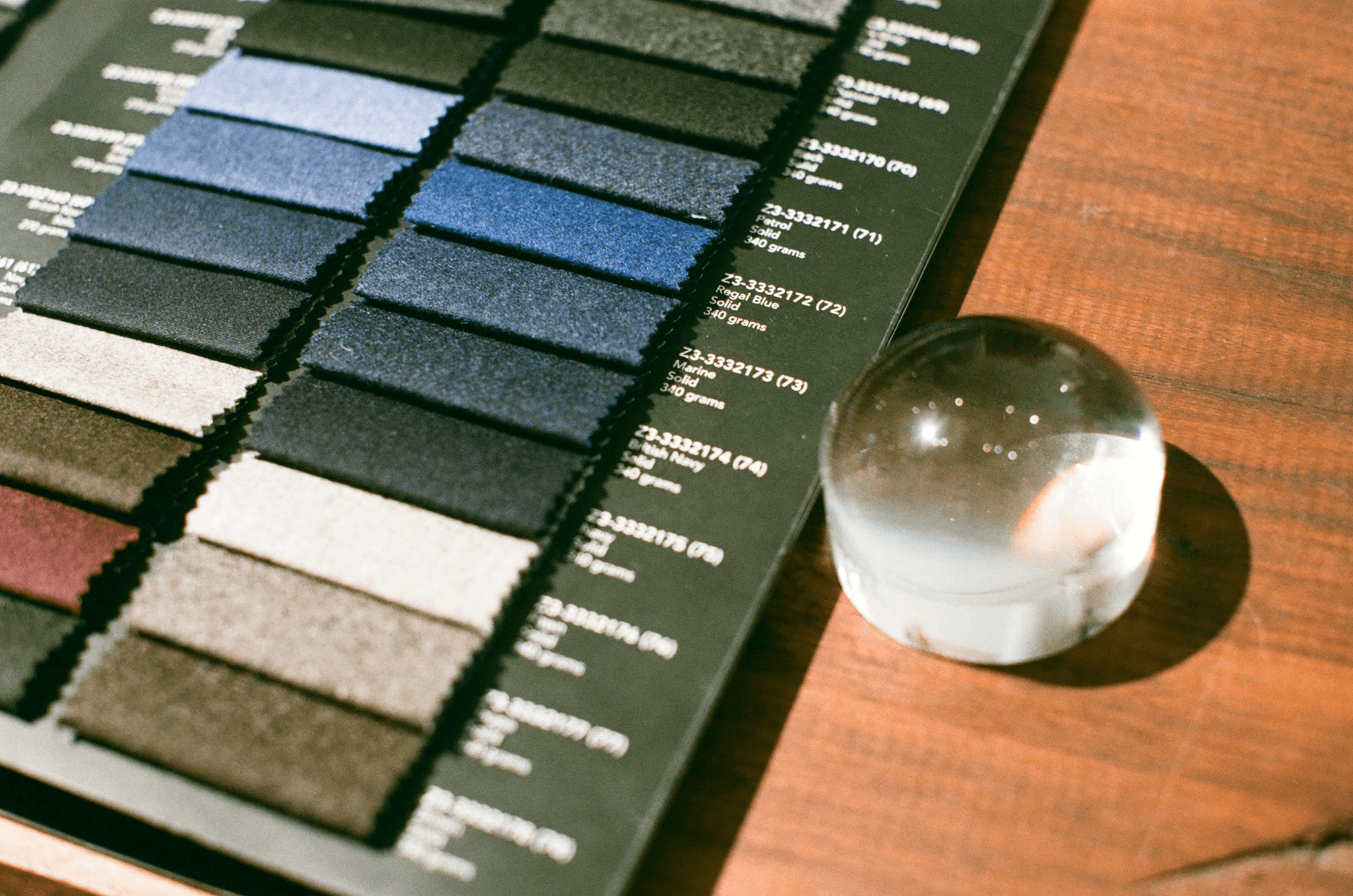
Navigating the world of textile manufacturing requires more than just creating beautiful textiles & fabrics; it demands strict adherence to international standards for fabric color and quality. When it comes to clothing and fabrics, meeting these global benchmarks ensures that your textile fabric maintains its color fastness under various conditions, satisfying both consumer expectations and regulatory mandates. Staying compliant with evolving regulations around textile dyes, treatments, and testing procedures is essential for maintaining a competitive edge and avoiding costly recalls or reputational damage.
Keeping up with the latest developments in textile regulations involves continuous education and investment in reliable Color Fastness Tests. As the industry evolves, new standards are introduced to address environmental concerns, safety issues, and performance benchmarks for fabric color durability. For manufacturers of textiles & fabrics, aligning with these standards not only guarantees product excellence but also demonstrates a commitment to sustainable practices and consumer safety.
Long-term success in the textile industry hinges on implementing continuous improvement strategies rooted in rigorous testing protocols. Regularly updating your testing methods for fabric color ensures that your products consistently meet or exceed international quality standards. Incorporating comprehensive Color Fastness Tests into quality control processes helps identify potential issues early on, enabling proactive adjustments that enhance fabric durability and overall product reputation.
Meeting International Quality Standards
Achieving compliance with international quality standards is crucial for any business involved in textile manufacturing, especially when dealing with clothing and fabrics destined for global markets. These standards specify requirements for color fastness properties such as washability, light exposure resistance, rubbing durability, and more—crucial factors that influence consumer satisfaction. Employing standardized Color Fastness Tests ensures that your textile fabric adheres to these benchmarks, boosting confidence among buyers worldwide.
Adhering to recognized protocols from organizations like ISO or AATCC not only validates your commitment to quality but also streamlines export processes by simplifying certification procedures. Consistent application of industry-approved testing methods guarantees that your textiles & fabrics meet the necessary criteria for safety, durability, and aesthetic appeal—key drivers behind customer loyalty in competitive markets.
Furthermore, integrating international standards into your manufacturing process encourages innovation while maintaining compliance—an essential balance in today’s fast-paced fashion landscape. By prioritizing precise testing of fabric color through proven methods, you lay a solid foundation for producing high-quality clothing and fabrics that stand out on store shelves globally.
Keeping Up with Evolving Textile Regulations
The landscape of textile regulations is constantly shifting as new environmental policies emerge alongside advancements in dye technology and finishing techniques. For companies producing textiles & fabrics intended for diverse climates or sensitive markets—like children’s clothing or medical textiles—staying ahead of these changes is non-negotiable. Regular updates to regulations often include stricter requirements for dye fixation levels tested via rigorous Color Fastness Tests.
To keep pace with evolving rules governing chemical usage or sustainability claims related to fabric color longevity requires vigilant monitoring of industry news and participation in relevant training programs. Investing in state-of-the-art equipment capable of performing comprehensive tests ensures accurate assessments aligned with current standards while providing a competitive edge through superior product reliability.
Ultimately, proactive adaptation to regulatory changes fosters trust among consumers who increasingly demand transparency about how their clothing is manufactured—and whether it maintains its vibrant hue after multiple washes or prolonged sun exposure. Embracing continuous learning about updates related to textile dyes’ impact on environment health will help safeguard your brand’s reputation as a responsible manufacturer committed to excellence in all aspects of textiles & fabrics production.
Continuous Improvement for Long-Term Success
Sustainable growth within the textile manufacturing sector hinges on an ongoing commitment to improving processes related to fabric color management—especially through meticulous Color Fastness Tests tailored specifically for each type of textile fabric produced. Regularly reviewing test results enables manufacturers to pinpoint weaknesses such as fading issues during washing cycles or discoloration caused by UV exposure early enough before reaching consumers’ hands.
Implementing corrective actions based on detailed insights from these tests can significantly enhance the durability of clothing and fabrics over time—a critical factor influencing customer satisfaction across all segments from everyday apparel to high-end fashion lines involving complex dyeing techniques. Developing a culture focused on continuous improvement means investing not only in advanced testing equipment but also training staff thoroughly so they understand how best practices impact overall product quality.
In essence, long-term success depends upon viewing each batch as an opportunity for refinement rather than just completion; this mindset fosters innovation while ensuring consistent delivery of vibrant yet durable colors across all textiles & fabrics offerings—a win-win scenario where brand reputation flourishes alongside satisfied customers who value their garments' lasting beauty.
Conclusion
In the competitive world of textile manufacturing, delivering clothing and fabrics that stand the test of time hinges on rigorous quality assurance through precise Color Fastness Tests. These tests are the backbone of ensuring that fabric color remains vibrant and intact after exposure to washing, light, or rubbing—crucial factors for customer satisfaction and brand reputation. By prioritizing accurate testing methods, manufacturers can confidently produce textiles & fabrics that meet or exceed industry standards, reducing returns and boosting consumer trust.
The role of expertise combined with state-of-the-art tools elevates the entire process of evaluating textile fabric quality. Advanced testing equipment and adherence to international standards like ISO and AATCC empower brands to accurately assess fabric color durability in their textile products. This technological edge ensures that every batch aligns with desired quality benchmarks, making textiles & fabrics more reliable and appealing in a crowded marketplace.
Moving forward with confidence in your fabric color quality requires a proactive approach—integrating comprehensive Color Fastness Tests into your production cycle. Whether refining dyeing techniques or implementing corrective actions based on test results, staying vigilant guarantees long-term success. When you harness expert insights alongside cutting-edge testing procedures, your clothing and fabrics will consistently meet high standards, giving your customers peace of mind about their favorite textiles & fabrics.