
Introduction
In the fast-paced world of manufacturing, mastering cost efficiency is no longer just a buzzword—it's a necessity. Companies are continually seeking innovative ways to streamline production processes for maximum efficiency while maintaining top-tier quality in manufacturing. Striking this delicate balance requires a strategic approach that combines reducing waste through smart material management with investing in technology to improve long-term savings, ensuring every dollar spent delivers value without compromising quality.
Achieving excellence in manufacturing hinges on understanding that quality in manufacturing isn’t just about meeting standards; it's about exceeding expectations consistently. When organizations focus on supplier collaboration to lower material costs without sacrificing quality, they unlock new levels of operational efficiency. Coupled with training employees for increased productivity and quality control, these efforts create a resilient foundation where cost-cutting measures enhance rather than hinder product integrity.
Balancing cost and quality effectively involves continuous evaluation and adaptation. By embracing innovations like automation and IoT-enabled monitoring, manufacturers can reduce waste through smart material management while safeguarding the highest standards of quality in manufacturing. Ultimately, fostering a culture that values both cost efficiency and unwavering quality paves the way for sustainable success in today’s competitive landscape.
Evaluating Existing Production Costs
Getting a clear picture of your production costs is the first step toward mastering cost efficiency in manufacturing. It’s crucial to dig deep and identify hidden expenses that often lurk beneath the surface, such as overlooked labor costs or inefficient workflows that undermine quality in manufacturing. By understanding these sneaky costs, you can better streamline production processes for maximum efficiency and ensure that quality remains uncompromised.
One common pitfall is failing to analyze overhead and material costs thoroughly. Overhead expenses like utilities, maintenance, and administrative salaries can silently eat into profits if not carefully managed. Simultaneously, scrutinizing material costs helps prevent wasteful spending, which ties directly into reducing waste through smart material management and supplier collaboration to lower material costs without sacrificing quality. When you leverage data for better cost control, it becomes easier to pinpoint inefficiencies and implement targeted improvements that boost overall quality in manufacturing.
Furthermore, investing in technology to improve long-term savings plays a pivotal role here. Modern tools like data analytics and IoT devices provide real-time insights into production expenses, enabling smarter decisions about resource allocation. These technological investments support continuous improvement initiatives by highlighting areas where waste reduction aligns with maintaining high standards of quality in manufacturing—because cutting corners isn’t the goal; streamlining for maximum efficiency is.
Streamlining Production Processes for Maximum Efficiency
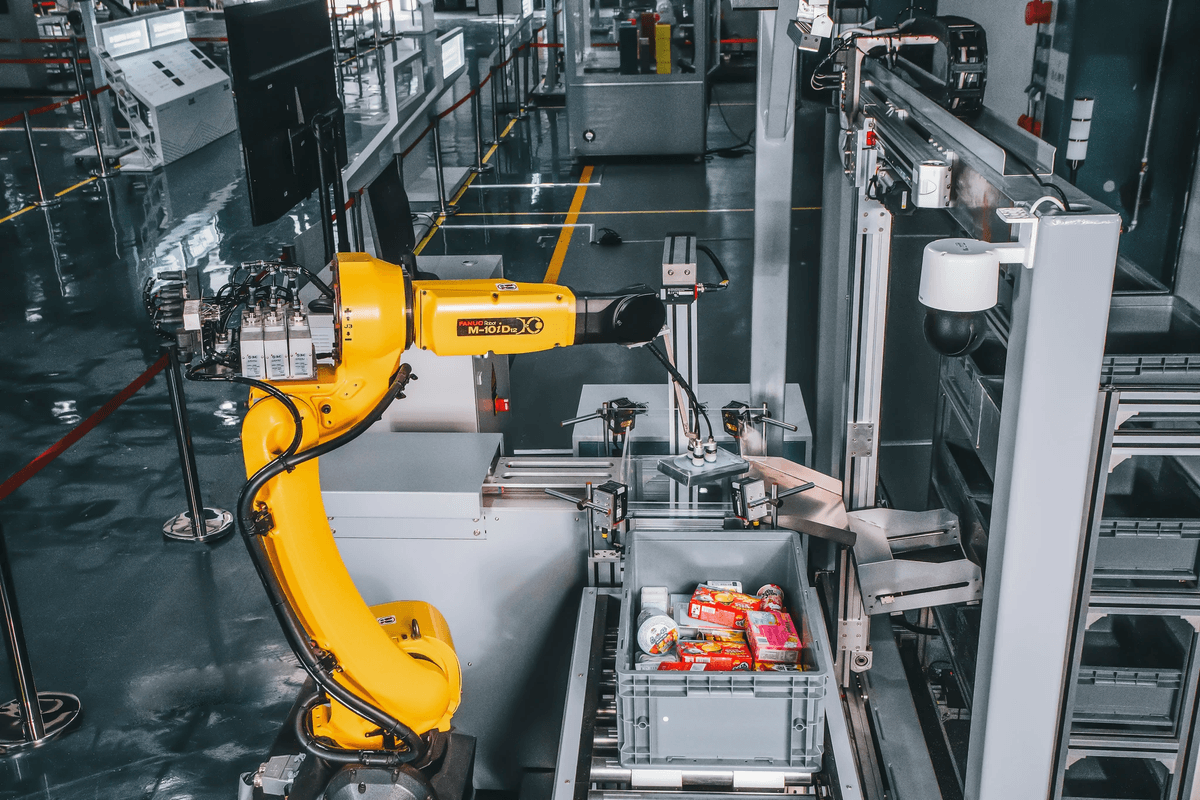
Streamlining production processes is the backbone of achieving high-quality manufacturing outcomes without breaking the bank. When companies focus on optimizing workflows, they not only improve efficiency but also reinforce the importance of quality in manufacturing. Investing in technology to improve long-term savings plays a crucial role here, as automation and real-time monitoring help identify inefficiencies early, reducing waste through smart material management and ensuring consistent quality standards.
Implementing lean manufacturing principles with trusted industry leaders like Toyota demonstrates that reducing waste through smart material management can be both innovative and practical. Lean strategies emphasize continuous improvement, which directly supports maintaining high standards of quality in manufacturing while trimming excess costs. By streamlining production processes for maximum efficiency, companies can better collaborate with suppliers to lower material costs without sacrificing quality, fostering stronger partnerships built on trust and shared goals.
Reducing bottlenecks in assembly lines is another vital step toward creating a seamless production flow. When bottlenecks are addressed proactively, overall productivity increases, enabling more consistent quality in manufacturing outputs. Training employees for increased productivity and quality control becomes essential here; well-trained staff can adapt quickly to process changes and uphold high standards while embracing new technologies that support long-term savings.
Investing in technology not only accelerates process improvements but also empowers teams to focus on strategic tasks like supplier collaboration to lower material costs without sacrificing quality. As organizations continue refining their processes, they should remember that maintaining a culture of continuous improvement — supported by ongoing employee training — ensures that streamlining efforts translate into sustainable success. Ultimately, integrating these elements creates a resilient manufacturing environment where efficiency and quality go hand-in-hand.
Investing in Technology to Improve Long-Term Savings
Investing in cutting-edge technology is the cornerstone of maintaining high standards of Quality in Manufacturing while streamlining production processes for maximum efficiency. When companies adopt innovative solutions, they not only cut costs but also reinforce their commitment to quality, ensuring that every product meets customer expectations. This strategic move helps reduce waste through smart material management and fosters supplier collaboration to lower material costs without sacrificing quality, creating a win-win scenario for everyone involved.
Technology-driven automation, like Fanuc robots, exemplifies how automating repetitive tasks can lead to consistent quality in manufacturing processes. These robots increase productivity and reduce human error, which directly impacts the overall quality in manufacturing. By integrating such automation tools, manufacturers can focus on continuous improvement programs that elevate both efficiency and product quality.
Integrating IoT (Internet of Things) devices into production lines enables real-time monitoring of equipment and materials, facilitating immediate responses to potential issues. This proactive approach minimizes downtime and waste through smarter material management strategies—saving costs while maintaining high standards of quality in manufacturing. Additionally, IoT data provides valuable insights that support supplier collaboration efforts to lower material costs without compromising on the integrity or durability of products.
Data analytics plays a pivotal role in cost reduction by identifying inefficiencies and areas for process improvements that might otherwise go unnoticed. Leveraging data allows manufacturers to fine-tune their operations—streamlining production processes for maximum efficiency—while upholding strict quality standards. As a result, companies can make smarter investment decisions that promote long-term savings and sustainable growth without sacrificing the core value of quality in manufacturing.
Reducing Waste Through Smart Material Management

Smart material management is the secret sauce to reducing waste and boosting overall efficiency in manufacturing. By carefully tracking and controlling materials, companies can minimize excess inventory, prevent overproduction, and ensure that every resource is put to good use. This approach not only supports quality in manufacturing but also streamlines production processes for maximum efficiency, leading to significant long-term savings.
Strategies Inspired by Flex Ltd
Flex Ltd has mastered the art of smart material management by implementing just-in-time delivery systems and real-time inventory tracking. These strategies help reduce waste by ensuring materials arrive exactly when needed, eliminating storage costs and material obsolescence. When companies focus on reducing waste through smart material management, they naturally enhance quality in manufacturing because fewer defective or expired materials are used, maintaining high standards while cutting costs.
Recycling and Reusing Materials Effectively
Recycling and reusing materials is a sustainable way to cut down on waste without sacrificing quality in manufacturing. Innovative companies are now designing products with reusability in mind, which streamlines production processes for maximum efficiency while supporting environmental goals. Investing in technology to improve long-term savings includes establishing robust recycling programs that turn scrap into valuable resources—making sure that every bit of material contributes positively to the bottom line.
Partnering with China Inspection Pro for Quality Inspection
Partnering with reliable inspection services like China Inspection Pro ensures that recycled or reused materials meet strict quality standards before they enter the production line. This collaboration helps maintain high-quality standards in manufacturing without increasing costs or compromising quality in manufacturing processes. When you prioritize supplier collaboration to lower material costs without sacrificing quality, you're building a resilient supply chain capable of supporting continuous improvement efforts—ultimately fostering a culture where reducing waste goes hand-in-hand with delivering top-tier products.
By integrating these strategies into your workflow—whether it's inspired by Flex Ltd's lean practices or leveraging new tech—you'll find that reducing waste becomes a natural part of your quest for excellence. Remember, streamlining production processes for maximum efficiency isn't just about speed; it’s about smarter resource use that elevates quality in manufacturing at every step. With ongoing employee training focused on smart material handling and supplier collaboration to lower costs without sacrificing quality, your operation will stay ahead of the curve—and greener than ever before!
Supplier Collaboration to Lower Material Costs Without Sacrificing Quality
Partnering effectively with suppliers is a cornerstone of maintaining high standards in manufacturing while keeping costs in check. Building strong supplier relationships, especially with trusted vendors like Bosch, can streamline production processes for maximum efficiency and foster a shared commitment to quality in manufacturing. When suppliers understand your quality expectations upfront, it becomes easier to negotiate better terms that benefit both parties without compromising the integrity of your products.
Collaborating closely with reliable vendors allows companies to implement smart material management strategies that reduce waste and lower material costs. Investing in technology can facilitate transparent communication and real-time data sharing, which helps identify areas where waste reduction is possible without sacrificing quality. This proactive approach not only enhances the overall quality in manufacturing but also ensures long-term savings by minimizing excess inventory and defective materials.
Training employees plays a vital role in supplier collaboration efforts, as well-trained staff are better equipped to recognize issues early and uphold high standards during procurement and assembly processes. By fostering a culture of continuous improvement through targeted training, manufacturers can ensure that quality remains paramount even when negotiating cost reductions. Ultimately, building strong supplier partnerships combined with technological investments leads to smarter sourcing decisions that support sustainable growth without sacrificing quality.
Training Employees for Increased Productivity and Quality Control
Investing in employee training is the cornerstone of achieving excellence in quality in manufacturing. When staff are well-versed in streamlining production processes for maximum efficiency, they become more adept at spotting waste and reducing defects, which directly impacts overall quality. By fostering a culture that values continuous learning, companies can ensure that their workforce stays ahead of technological advancements and best practices, ultimately lowering costs through smarter resource management.
Empowering employees with skills related to investing in technology to improve long-term savings can dramatically boost productivity. When staff understand how automation tools or IoT devices contribute to reducing waste through smart material management, they are more likely to embrace these innovations enthusiastically. This proactive approach not only enhances quality in manufacturing but also creates a more agile and resilient operation capable of adapting swiftly to market demands.
Promoting a manufacturing culture rooted in quality involves ongoing training programs that emphasize the importance of supplier collaboration to lower material costs without sacrificing quality. Well-trained teams recognize the value of working closely with vendors like Bosch or Flex Ltd., ensuring materials meet strict standards while keeping expenses under control. Ultimately, a knowledgeable workforce is essential for maintaining high standards of quality in manufacturing and sustaining long-term savings.
Conclusion
Embracing innovation is the cornerstone of achieving cost-effective manufacturing, especially when prioritizing quality in manufacturing processes. Streamlining production processes for maximum efficiency not only reduces costs but also enhances product quality, making every step more reliable and predictable. Investing in technology to improve long-term savings—such as automation and IoT—further supports this goal by enabling smarter decision-making and minimizing waste through smart material management.
Reducing waste through smart material management plays a vital role in maintaining high standards of quality in manufacturing while controlling expenses. Supplier collaboration to lower material costs without sacrificing quality can unlock significant savings, provided that strong partnerships are built on trust and shared goals for excellence. Training employees for increased productivity and quality control ensures that everyone understands the importance of quality in manufacturing, creating a culture where continuous improvement becomes second nature.
The future of manufacturing hinges on integrating these smart strategies—embracing innovation, maintaining consistent quality oversight, and fostering collaborative relationships—so companies can stay competitive without compromising standards. By focusing on quality in manufacturing at every stage, businesses can build resilient operations that adapt swiftly to market changes while delivering top-notch products efficiently. Ultimately, investing thoughtfully today positions manufacturers for sustainable growth tomorrow.