
Introduction
A well-maintained gearbox is the unsung hero behind smooth rides and vehicle safety, making a thorough Gearbox Inspection an absolute must. Overlooking this vital component can lead to costly breakdowns, accidents, or even complete transmission failure—none of which you want on your daily commute. Incorporating advanced techniques like acoustical inspection alongside standards such as IEC 61400-4 and AGMA 6006-A03 ensures your gearbox remains in top shape, preventing surprises down the road.
When it comes to safeguarding your investment and ensuring vehicle reliability, professional Gearbox Inspection services are worth every penny. These experts utilize precise methods—like acoustical inspection—to detect hidden faults that might not be visible to the naked eye. Plus, adhering to IEC 61400-4 and AGMA 6006-A03 standards during inspections helps extend gear life and optimize performance, saving you money in the long run.
A comprehensive Gearbox Inspection goes beyond simple checks; it combines acoustical inspection techniques with industry standards to identify issues early before they escalate. Expect a detailed assessment covering key components, sound pattern analysis, and adherence to IEC 61400-4 and AGMA guidelines—all designed to keep your gearbox operating smoothly for miles ahead.
Fundamentals of Gearbox Inspection
Gearbox Inspection isn’t just a routine task; it’s the backbone of reliable machinery performance. Regular checks help catch issues early, saving you from costly repairs down the line. Incorporating acoustical inspection techniques into your gearbox assessment can reveal hidden faults that might go unnoticed during a visual exam, ensuring your gear system stays in top shape.
Understanding the importance of regular gearbox checks is crucial because gearboxes are subjected to constant stress and wear over time. Following standards like IEC 61400-4 ensures that inspections are thorough and consistent, ultimately improving gearbox reliability. Whether you’re using acoustical inspection or adhering to AGMA 6006-A03 guidelines, consistent evaluations help extend the lifespan of your equipment and prevent unexpected failures.
When examining key components during a gearbox inspection, focus on gears, bearings, shafts, and seals—these parts are vital to smooth operation. Applying IEC 61400-4 standards during inspections ensures each element meets safety and quality benchmarks. Additionally, utilizing AGMA 6006-A03 guidelines helps maintain gear quality by providing specific criteria for gear tooth condition and lubrication status.
Common signs indicating gearbox trouble include unusual noises like grinding or whining sounds—perfect cases for acoustical inspection—to detect early faults. Vibration anomalies, leaks, or increased operating temperatures also signal potential issues that require immediate attention under established standards such as IEC 61400-4 or AGMA 6006-A03. Regularly monitoring these signs with professional Gearbox Inspection services can save significant downtime and repair costs.
Acoustical Inspection Techniques
When it comes to Gearbox Inspection, acoustical inspection stands out as a powerful tool for uncovering hidden faults that might otherwise go unnoticed until costly damage occurs. By listening carefully to the sounds produced during operation, technicians can identify irregularities indicating wear, misalignment, or bearing failures. Incorporating acoustical inspection into your Gearbox Inspection routine ensures you catch issues early, saving money and preventing unexpected breakdowns.
Using acoustical inspection to detect hidden faults
Acoustical inspection involves analyzing the sound emissions from a gearbox during operation to detect anomalies that suggest underlying problems. Since many gearbox issues generate specific noise patterns before manifesting as visible damage, this technique is invaluable in comprehensive Gearbox Inspection protocols. When aligned with IEC 61400-4 standards, acoustical analysis becomes even more precise, helping engineers pinpoint subtle faults that could compromise equipment reliability.
Equipment used for acoustical analysis in gearboxes
Modern Gearbox Inspection leverages sophisticated equipment such as ultrasonic sensors, microphones, and vibration analyzers designed for acoustical detection. These tools capture sound waves and vibrations that are often inaudible to the human ear but tell a story about the gearbox’s health. Employing these devices in accordance with AGMA 6006-A03 guidelines ensures accurate readings and consistent results during acoustical inspection sessions.
Interpreting sound patterns to identify issues
Once data is collected through acoustical inspection methods, interpreting the sound patterns becomes crucial in diagnosing potential problems within the gearbox system. Unusual noises like squealing or knocking can indicate bearing wear or gear misalignment—issues that should be addressed promptly under proper Gearbox Inspection procedures. Cross-referencing findings with IEC 61400-4 standards helps validate diagnoses and guides maintenance decisions effectively.
IEC 61400-4 Standards in Gearbox Evaluation
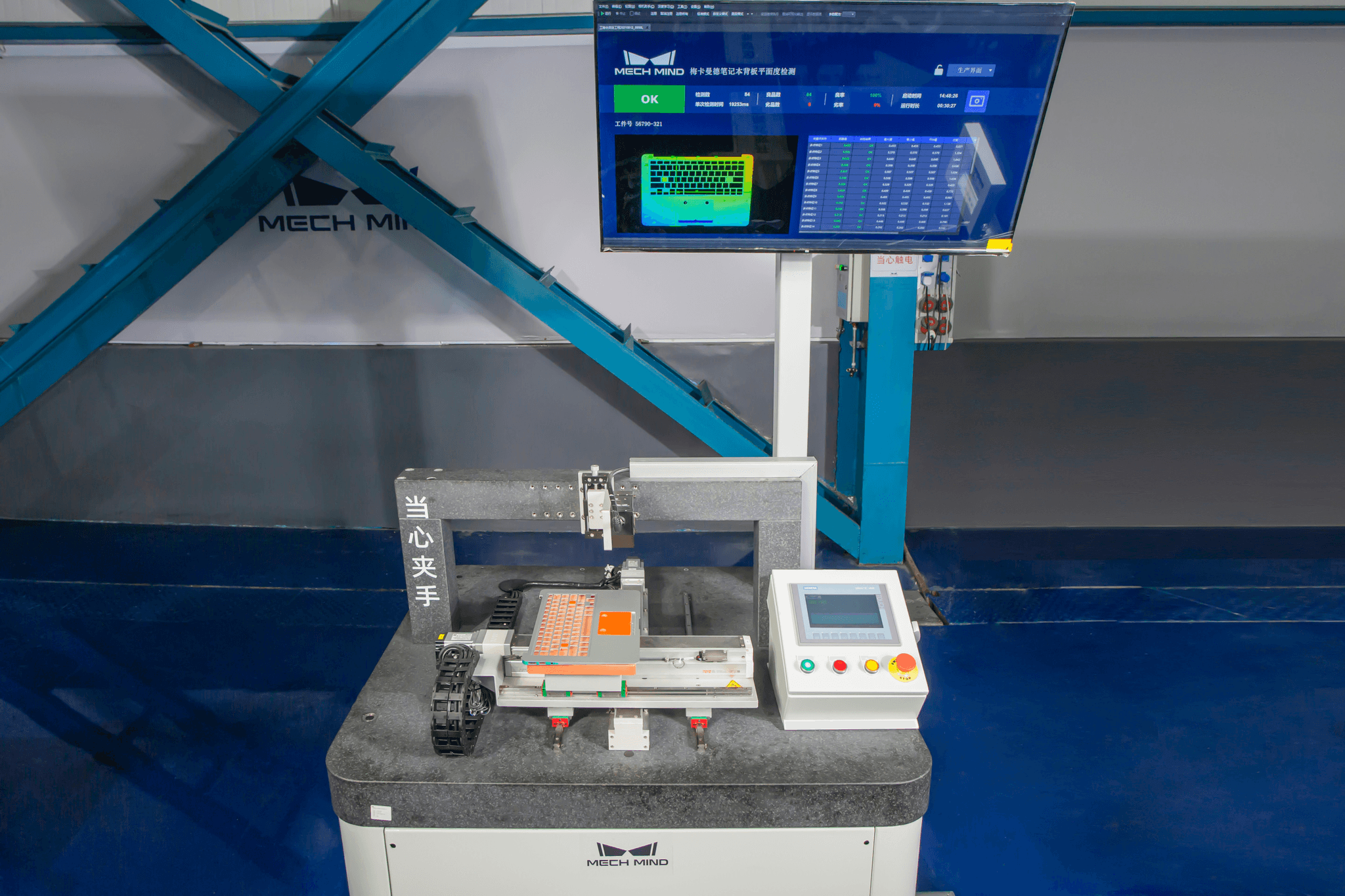
Implementing IEC 61400-4 standards into gearbox inspection routines elevates the entire process to a new level of precision and reliability. These standards, originally designed for wind turbine gearboxes, provide a comprehensive framework that ensures every aspect of the gearbox is scrutinized thoroughly, whether through acoustical inspection or detailed component analysis. By adhering to IEC 61400-4, technicians can identify potential faults early, reducing downtime and preventing costly failures down the line.
Incorporating IEC 61400-4 into your gearbox inspection practices means adopting internationally recognized benchmarks for quality and safety. This standard emphasizes not only the physical inspection of key components but also promotes advanced acoustical inspection techniques to detect hidden issues like gear misalignments or bearing faults. When combined with other standards such as AGMA 6006-A03, IEC 61400-4 helps create a holistic approach that boosts overall gearbox reliability and longevity.
To implement IEC 61400-4 compliant inspection practices effectively, organizations should invest in specialized acoustical inspection equipment and train technicians on its proper use. Integrating these standards into routine Gearbox Inspection procedures ensures consistent results and provides confidence that all critical aspects are evaluated according to global best practices. Regular adherence to IEC 61400-4 not only enhances equipment performance but also aligns maintenance strategies with international safety and quality benchmarks.
Applying AGMA 6006-A03 Guidelines
Implementing the AGMA 6006-A03 standards into your gearbox inspection routine is like giving your gearboxes a VIP treatment—they deserve the best. These specifications set the benchmark for gear quality, ensuring that every component meets rigorous industry requirements. When you incorporate AGMA 6006-A03 into your gearbox inspection process, you're not just checking boxes; you're elevating reliability and performance to new heights.
Introduction to AGMA 6006-A03 specifications
The AGMA 6006-A03 guidelines are a comprehensive set of standards designed to ensure high-quality gear manufacturing and maintenance practices. They focus on critical aspects such as gear geometry, surface finish, and material properties—all vital for optimal gearbox operation. By adhering to these specifications during Gearbox Inspection, technicians can identify potential issues early and prevent costly failures down the line.
Ensuring gear quality with AGMA standards
Using AGMA 6006-A03 during Gearbox Inspection helps verify that gears meet specific dimensional tolerances and surface conditions, which directly impact longevity and efficiency. Incorporating acoustical inspection techniques alongside these standards allows for detecting subtle faults that might escape visual checks—think of it as listening for trouble before it becomes a catastrophe. When combined with IEC 61400-4 compliance, adherence to AGMA guidelines ensures a holistic approach to reliable gearbox performance.
Best practices for gearbox inspection aligned with AGMA
To maximize the benefits of AGMA 6006-A03 guidelines, inspections should be thorough and systematic—covering everything from visual assessments to acoustical inspection methods tailored for gear quality validation. Regularly calibrate equipment used in Gearbox Inspection to maintain accuracy in measurements aligned with AGMA standards. Moreover, integrating IEC 61400-4 protocols enhances diagnostic precision when evaluating complex gear systems; this synergy results in more reliable maintenance decisions and extended gearbox lifespan.
Engaging Professional Inspection Services
Partnering with a reputable service provider like China Inspection Pro for your gearbox inspection needs can make all the difference. Their team of seasoned technicians specializes in comprehensive assessments, including acoustical inspection techniques that uncover hidden faults others might miss. By adhering to international standards such as IEC 61400-4 and AGMA 6006-A03, they ensure your gearboxes meet the highest quality benchmarks, boosting reliability and safety.
Why choose China Inspection Pro for gearbox inspections
Choosing China Inspection Pro means opting for precision and peace of mind. They leverage cutting-edge acoustical inspection methods combined with IEC 61400-4 standards to detect issues early, saving you from costly repairs down the line. Their expertise in applying AGMA 6006-A03 guidelines guarantees that every gear component is scrutinized to ensure optimal performance, making them the go-to for reliable gearbox inspection services.
The benefits of expert-led assessments
Expert-led assessments provide a level of accuracy that DIY checks simply can't match, especially when it comes to acoustical inspection and IEC 61400-4 compliance. Professionals understand how to interpret sound patterns during acoustical analysis, pinpointing faults before they escalate into major failures. This proactive approach extends your gearbox’s lifespan and enhances operational efficiency by ensuring adherence to AGMA 6006-A03 standards throughout the inspection process.
How professional services enhance your gearboxes’ lifespan
Professional services incorporate thorough gearbox inspections rooted in IEC 61400-4 and AGMA 6006-A03 guidelines, which significantly prolong gear life by catching problems early through acoustical inspection techniques. Regular assessments by trained experts help maintain peak performance levels while reducing unplanned downtime and repair costs. Ultimately, investing in professional gearbox inspections ensures your machinery remains robust and reliable for years to come.
Conclusion
A thorough gearbox inspection is the cornerstone of maintaining optimal performance and preventing costly breakdowns. Incorporating advanced techniques like acoustical inspection ensures even the faintest faults are caught early, saving you time and money down the line. When combined with standards like IEC 61400-4 and AGMA 6006-A03, your gearbox gets a comprehensive checkup that’s second to none.
Maintaining peak gearbox performance through thorough inspection
Keeping your gearbox in top shape requires regular, detailed inspections that go beyond just a visual glance. Gearbox Inspection utilizing acoustical inspection methods can reveal hidden issues before they escalate into major failures. By adhering to rigorous standards such as IEC 61400-4, you ensure each assessment is precise, reliable, and aligned with international best practices for gear reliability.
Key benefits of using acoustical, IEC 61400-4, and AGMA standards
Implementing acoustical inspection techniques allows technicians to detect subtle sounds indicating wear or damage that traditional checks might miss. When combined with IEC 61400-4 standards, your inspections meet globally recognized benchmarks for quality and safety—boosting confidence in your equipment's integrity. Similarly, following AGMA 6006-A03 guidelines guarantees gear quality assurance through industry-approved practices that extend gear life and improve efficiency.
Partner with China Inspection Pro for unmatched quality assurance
Choosing China Inspection Pro means partnering with professionals who specialize in Gearbox Inspection using cutting-edge methods like acoustical analysis aligned with IEC 61400-4 standards and AGMA 6006-A03 guidelines. Their expert team delivers comprehensive assessments designed to maximize your gearboxes’ lifespan while minimizing downtime. With their proven track record of excellence, you can rest assured your gear systems are in safe hands—because nothing beats professional insight when it comes to Gearbox Inspection.