
Introduction
In the realm of quality control, the ANSI ASQ Z1.4 AQL Table serves as a pivotal tool for ensuring that products meet specified standards. This table not only outlines acceptable quality levels (AQL) but also provides critical guidelines for determining lot size and appropriate inspection levels. Understanding how to navigate this table is essential for businesses aiming to maintain high-quality outputs while minimizing risks associated with defective products.
Understanding the ANSI ASQ Z1.4 AQL Table
The ANSI ASQ Z1.4 AQL Table is a standardized reference that helps organizations define acceptable quality levels in their production processes. By clearly delineating acceptance points and rejection points, this table aids manufacturers in making informed decisions about product quality based on sampling methods. Familiarity with this table allows companies to streamline their inspection processes and enhance overall product reliability.
Importance of Inspection Levels
Inspection levels play a crucial role in the application of the ANSI ASQ Z1.4 AQL Table, as they dictate how thoroughly products are examined during quality checks. General inspection levels provide a baseline for most sampling situations, while special inspection levels cater to unique or critical circumstances requiring heightened scrutiny. Selecting the appropriate inspection level ensures that businesses can adequately assess lot size and sample size without overextending resources or compromising on quality.
Overview of AQL and Its Relevance
Acceptable Quality Levels (AQL) are central to understanding product acceptability within the framework of the ANSI ASQ Z1.4 AQL Table. By establishing clear thresholds for defects, organizations can effectively manage risk while ensuring customer satisfaction through consistent product performance. The relevance of AQL extends beyond mere compliance; it informs strategic decision-making regarding production processes, inventory management, and supplier relationships.
What is the ANSI ASQ Z1.4 AQL Table?
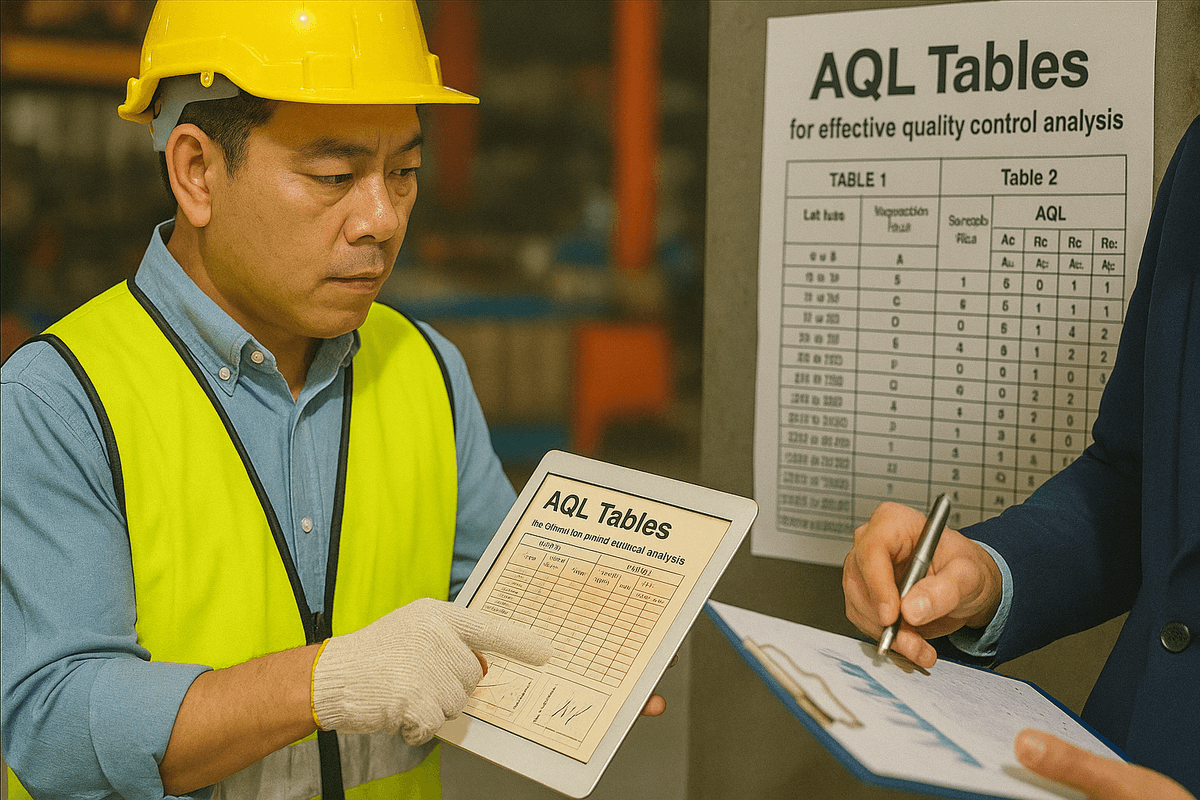
The ANSI ASQ Z1.4 AQL Table is a pivotal tool in quality control, providing a standardized method for determining acceptable quality levels (AQL) during inspections. This table helps organizations make informed decisions about product quality based on lot size and inspection levels, ultimately ensuring that products meet specified standards before reaching consumers. By utilizing this table, businesses can streamline their inspection processes and maintain high-quality output.
Definition and Background
The ANSI ASQ Z1.4 AQL Table is a statistical sampling plan developed by the American National Standards Institute (ANSI) and the American Society for Quality (ASQ). It serves as a guide for manufacturers and quality control professionals to assess the acceptability of products through systematic sampling techniques. The origins of this table trace back to earlier methodologies for quality assurance, evolving into a comprehensive framework that balances efficiency with thoroughness in inspections.
Purpose of the Table
At its core, the purpose of the ANSI ASQ Z1.4 AQL Table is to establish clear criteria for sampling products based on lot size and predetermined inspection levels—both general and special inspection levels are covered within its guidelines. This ensures that organizations can consistently apply these standards across various production batches, leading to uniformity in quality assessments. By defining acceptance points and rejection points within these inspections, companies can effectively manage risk while minimizing waste.
Application in Quality Control
In practice, the ANSI ASQ Z1.4 AQL Table finds widespread application across numerous industries where product reliability is paramount—from manufacturing to pharmaceuticals and beyond. Quality control teams utilize this table to determine appropriate sample sizes based on lot size categories, thereby ensuring that inspections are neither too lenient nor excessively rigorous. Additionally, by incorporating sample size and code letters from this table into their protocols, organizations can enhance their overall quality assurance strategies while maintaining compliance with industry standards.
Decoding Lot Size in the Table
Lot size dictates the sampling process, which ultimately influences the inspection level applied during quality assessments. The larger the lot size, the more significant its impact on determining sample size and code letters, as well as acceptable quality levels (AQL).
How Lot Size Affects Sampling
Lot size plays a pivotal role in sampling because it directly influences how many items are selected for inspection. A larger lot size typically requires a larger sample to ensure that statistical validity is maintained when determining acceptance points and rejection points. Conversely, smaller lots may allow for reduced sample sizes while still providing reliable insights into product quality.
Understanding this relationship helps organizations effectively utilize general inspection levels and special inspection levels outlined in the ANSI ASQ Z1.4 AQL Table. By aligning lot sizes with appropriate sampling strategies, businesses can streamline their quality control processes while minimizing unnecessary costs associated with over-inspection or under-inspection.
Determining Lot Size Categories
Determining lot size categories is essential for proper application of the ANSI ASQ Z1.4 AQL Table in quality inspections. Generally categorized into small, medium, and large lots, each category has specific guidelines that dictate how many samples should be tested based on established standards of acceptable quality levels (AQL).
For example, a small lot may consist of fewer than 150 units, while a medium lot might range from 150 to 3,200 units; large lots exceed this threshold. Knowing these categories allows businesses to choose suitable inspection levels and accurately calculate sample sizes using code letters provided in the table.
Examples of Lot Size Calculations
Let’s look at some practical examples of how to calculate lot sizes using the ANSI ASQ Z1.4 AQL Table effectively! Suppose you have a shipment of 2,000 widgets—this would fall into the medium category based on our earlier definitions.
If your chosen acceptable quality level (AQL) is set at 1%, you would reference the relevant section of the table to determine your required sample size based on this lot size and desired inspection level—let’s say it indicates you need to inspect 80 units from this batch! This straightforward calculation demonstrates how understanding lot sizes can lead to efficient sampling decisions while ensuring adherence to established acceptance points and rejection points.
Differentiating Inspection Levels

The ANSI ASQ Z1.4 AQL Table provides a framework for determining these levels based on lot size and acceptable quality levels (AQL). Choosing the right inspection level can significantly impact the outcome of your quality assurance processes.
General Inspection Levels Explained
General inspection levels are foundational in the ANSI ASQ Z1.4 AQL Table, providing standardized procedures that apply to most situations. These levels range from Level I (the least stringent) to Level III (the most stringent), allowing businesses to adapt their approach based on risk factors and lot size. By selecting a general inspection level, companies can effectively manage their resources while still maintaining acceptable quality levels (AQL) during inspections.
The primary goal of these general inspection levels is to balance thoroughness with efficiency, ensuring that products meet established acceptance points without excessive expenditure of time or resources. For example, a Level II inspection might be appropriate for routine checks, while a Level III could be reserved for higher-risk products or larger lot sizes that warrant more scrutiny. Understanding these distinctions helps businesses make informed decisions about their sampling strategies.
Special Inspection Levels Overview
Special inspection levels come into play when specific circumstances require heightened scrutiny beyond what general inspection levels offer in the ANSI ASQ Z1.4 AQL Table. These special levels are designated as S1 through S4 and are typically used when there are critical safety concerns or when dealing with high-value items where defects could have significant consequences.
Choosing a special inspection level allows companies to tailor their approach based on the unique characteristics of the lot size and potential risks associated with defects at acceptance points or rejection points. For instance, if a product is known for having high variability in quality, opting for an S2 level could provide additional confidence in meeting acceptable quality thresholds (AQL).
Implementing special inspection levels emphasizes proactive risk management within quality control processes, ensuring that any deviations from standards are caught early before they escalate into larger issues.
Choosing the Right Inspection Level
Selecting the appropriate inspection level involves weighing various factors such as lot size, product type, and historical defect rates against the backdrop of acceptable quality levels (AQL). The ANSI ASQ Z1.4 AQL Table serves as a guide to help organizations navigate these decisions by providing clear criteria for both general and special inspection levels based on defined parameters.
To make an informed choice about which level to utilize, businesses should consider their tolerance for risk related to acceptance points and rejection points within each specific context of production or service delivery. Engaging with statistical tools can also aid in determining sample size and code letters necessary for effective inspections tailored to chosen standards.
Ultimately, choosing the right inspection level is not just about compliance; it's about fostering a culture of continuous improvement where organizations strive towards excellence while minimizing waste and maximizing customer satisfaction.
Sample Size and Code Letters
When it comes to the ANSI ASQ Z1.4 AQL Table, understanding sample size determination is critical for effective quality control. The sample size directly impacts how many items from a lot are inspected, influencing the reliability of the inspection results. By carefully selecting the right sample size based on lot size and inspection level, organizations can ensure that they are making informed decisions about product quality.
Understanding Sample Size Determination
Determining sample size is not just a matter of picking a number; it’s an art that balances risk and practicality. In the context of the ANSI ASQ Z1.4 AQL Table, sample sizes are influenced by both lot size and chosen inspection level—be it general or special inspection levels. The goal here is to find a sweet spot where you can confidently assess quality without overburdening your resources.
To achieve this balance, one must refer to the ANSI ASQ Z1.4 AQL Table which provides guidelines on how many samples to take based on various lot sizes and acceptable quality levels (AQL). Larger lots typically require larger samples to ensure statistical significance, while smaller lots may allow for fewer samples without compromising confidence in results. This careful consideration helps companies avoid costly mistakes stemming from under or over-sampling.
The Role of Code Letters
Code letters serve as shorthand in the ANSI ASQ Z1.4 AQL Table, simplifying communication around sampling plans for different lot sizes and inspection levels. Each code letter corresponds to a specific sample size that aligns with defined acceptance points and rejection points within various AQLs—making it easier for inspectors to know exactly what they’re working with at a glance.
These code letters streamline processes by allowing teams to quickly reference tables without needing extensive calculations each time they evaluate a new lot. By understanding these code letters, organizations can efficiently determine their sampling requirements while ensuring compliance with established standards in quality control practices.
Additionally, using code letters can help bridge communication gaps between teams involved in production and quality assurance, fostering collaboration towards achieving acceptable quality levels (AQL). With everyone on the same page regarding what each letter represents, misunderstandings about sampling requirements become far less common.
Examples of Sample Size Tables
To better illustrate how sample sizes are determined using the ANSI ASQ Z1.4 AQL Table, let’s look at some examples of sample size tables based on varying lot sizes and inspection levels—both general and special inspection levels included! For instance, if you have a lot size of 500 units under normal operating conditions (general inspection level II), you might find that your corresponding code letter indicates that 20 units should be sampled for testing.
On another note, if you decide on special inspection level S2 due to previous issues with product consistency within certain lots, your table may suggest taking an increased number of samples—say 40 units—to ensure thorough evaluation against acceptable quality levels (AQL). These examples highlight how flexible yet structured sampling plans can be when effectively utilizing code letters within the framework provided by ANSI ASQ Z1.4.
In summary, leveraging these sample size tables allows organizations not only to comply with industry standards but also enhances their ability to make data-driven decisions regarding product acceptance or rejection based on clearly defined criteria related directly back to those all-important acceptance points and rejection points outlined earlier!
Acceptable Quality Levels (AQL)

Understanding Acceptable Quality Levels (AQL) is crucial for any quality control process, especially when using the ANSI ASQ Z1.4 AQL Table. AQL provides a statistical measure that determines the maximum number of defective items permissible in a batch or lot size. This concept is foundational in ensuring product quality while balancing inspection effort and cost.
Defining AQL and Its Importance
At its core, Acceptable Quality Level (AQL) quantifies the level of defects acceptable in a sample from a lot size during inspections based on specified inspection levels. The ANSI ASQ Z1.4 AQL Table outlines these levels, helping organizations to standardize their quality control processes effectively. By defining acceptable thresholds, businesses can minimize risks associated with poor-quality products while maintaining efficiency in production and inspection.
Setting Acceptance and Rejection Points
Setting acceptance points and rejection points is vital for effective quality assurance using the ANSI ASQ Z1.4 AQL Table. Acceptance points indicate the maximum number of defects allowed before a lot is considered acceptable, while rejection points signify when a lot fails inspection due to exceeding defect limits based on sample size and code letters. This clear demarcation helps streamline decision-making processes during inspections, ensuring that only products meeting quality standards reach consumers.
Real-World AQL Applications
In real-world scenarios, applying Acceptable Quality Levels (AQL) can significantly enhance product reliability across various industries—from manufacturing to food safety inspections. Companies utilize the ANSI ASQ Z1.4 AQL Table to determine appropriate sampling plans based on lot sizes and chosen inspection levels, facilitating efficient quality control measures tailored to specific needs. Whether it's setting general or special inspection levels, understanding how to implement AQL effectively can lead to improved customer satisfaction and reduced costs associated with returns or recalls.
Conclusion
In the realm of quality control, the ANSI ASQ Z1.4 AQL Table stands as a beacon of clarity and efficiency. By simplifying complex sampling processes, it enables organizations to maintain high standards while effectively managing resources. Understanding key concepts like lot size, inspection levels, and acceptable quality levels (AQL) is essential for any business aiming for excellence.
Simplifying Inspection with ANSI ASQ Z1.4
The ANSI ASQ Z1.4 AQL Table transforms the daunting task of inspection into a more navigable process by clearly outlining how lot size impacts sampling decisions. With defined general and special inspection levels, businesses can tailor their approach based on specific needs and risk assessments. This structured guidance not only streamlines inspections but also ensures that companies can confidently set acceptance points and rejection points for their products.
Strategies for Effective Quality Control
Effective quality control hinges on understanding the nuances of sample size and code letters in relation to your unique production environment. By leveraging the ANSI ASQ Z1.4 AQL Table, organizations can optimize their inspection levels—whether general or special—to better align with their operational goals and customer expectations. Additionally, establishing clear acceptance and rejection points helps mitigate risks associated with defective products while enhancing overall product quality.
Partnering with Experts like China Inspection Pro
When navigating the complexities of quality assurance, partnering with experts such as China Inspection Pro can provide invaluable support in utilizing the ANSI ASQ Z1.4 AQL Table effectively. Their expertise in determining appropriate lot sizes, selecting suitable inspection levels, and interpreting sample sizes ensures that businesses maintain compliance while achieving optimal results in quality control processes. Collaborating with professionals allows companies to focus on production without sacrificing standards or risking costly errors.