
Introduction
In the complex world of quality control, understanding Inspection Levels is crucial for ensuring that products meet safety and quality standards. These levels are not just a bureaucratic necessity; they play a pivotal role in determining how thorough inspections should be, particularly in industries like automotive manufacturing where car inspection is paramount. As consumers increasingly demand high-quality products, the importance of inspection services in maintaining product integrity and safety cannot be overstated.
Understanding Inspection Levels in Detail
Inspection Levels refer to the various degrees of scrutiny applied during quality testing services to assess a product's compliance with set standards. They range from minimal checks to exhaustive examinations, allowing businesses to tailor their approach based on risk factors associated with specific items or processes. By grasping these levels, companies can better align their quality inspection strategies with industry requirements and consumer expectations.
Importance of Inspection Levels for Quality Control
The significance of Inspection Levels extends beyond mere compliance; they are fundamental to effective quality control systems that safeguard both manufacturers and consumers alike. By implementing appropriate inspection levels, organizations can identify potential defects early in the production process, thereby reducing waste and enhancing customer satisfaction. In this way, a well-structured approach to inspection services can lead to improved product reliability and brand reputation.
The Role of Inspection Services in Safety
Inspection services play an indispensable role in ensuring safety across various sectors by meticulously evaluating products before they reach consumers. In automotive contexts, for instance, rigorous car inspections can prevent dangerous malfunctions that could lead to accidents or injuries on the road. Thus, relying on competent quality inspection companies becomes essential not only for regulatory compliance but also for fostering trust between businesses and their customers.
What are Inspection Levels?
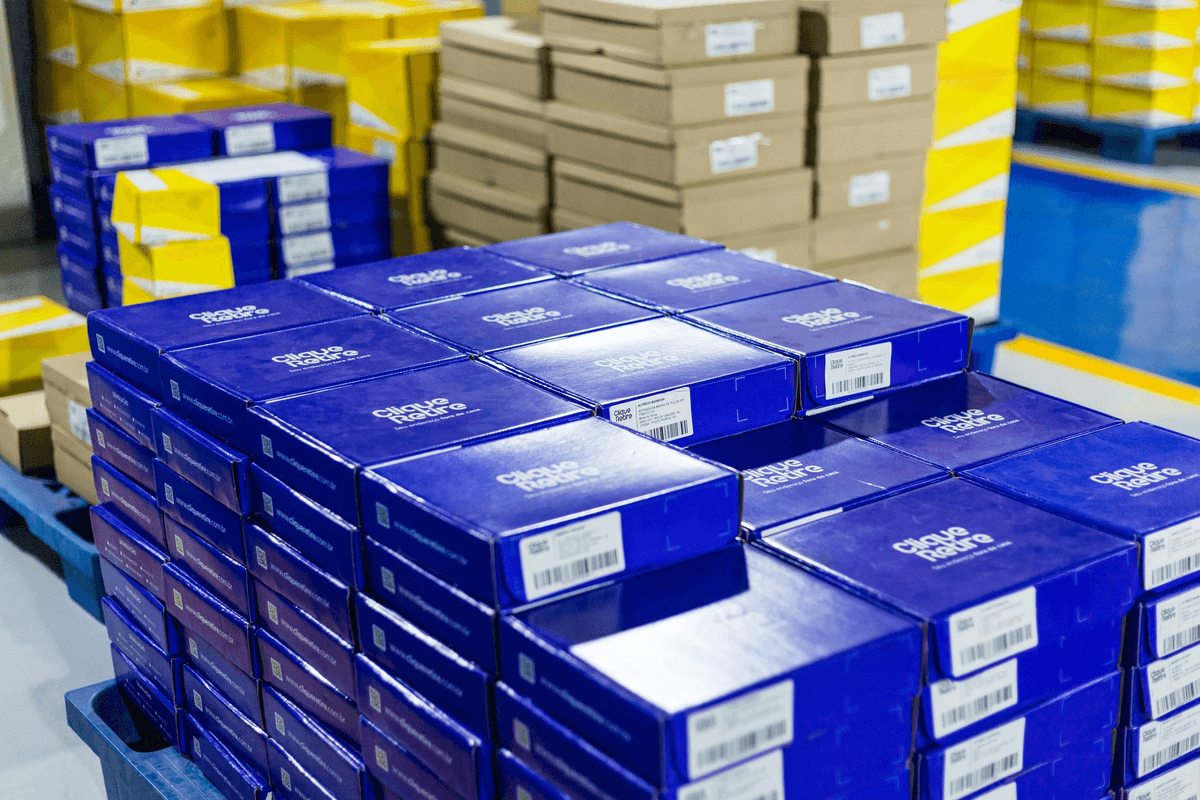
Inspection levels serve as the backbone of quality control, guiding how thoroughly products or services are examined. They are essentially a framework that helps determine the extent of inspection required based on various factors, ensuring that quality testing services meet safety standards and customer expectations. Understanding these levels is crucial for both businesses and consumers who rely on inspection services to maintain safety and quality.
Overview of Inspection Levels
Inspection levels can be thought of as different tiers or categories that dictate how rigorous an inspection needs to be. They help in assessing products or processes based on their complexity, risk factors, and regulatory requirements. For instance, in car inspection, the level might vary depending on whether it’s a routine check-up or a detailed safety inspection following an accident.
Different Types of Inspection Levels
There are several types of inspection levels, each tailored to specific scenarios and requirements. Commonly recognized levels include normal, tightened, and reduced inspections; each serves a distinct purpose in quality control processes. In automotive contexts like car inspections, these levels ensure that every vehicle meets safety regulations before hitting the road.
Key Factors Determining Inspection Levels
Several key factors influence which inspection level is appropriate for a given situation. These include product type, historical data regarding defects or failures, customer specifications, and regulatory compliance needs. For instance, when selecting a quality inspection company for automotive inspections, understanding these factors can help ensure that your vehicle receives the thorough evaluation it deserves.
The Significance of Inspection Levels in Quality Control

In the realm of quality control, understanding inspection levels is crucial for ensuring that products meet industry standards and consumer expectations. Inspection levels dictate the extent and rigor of quality testing services, influencing everything from manufacturing processes to final product evaluations. As such, they play a pivotal role in maintaining safety and reliability across various sectors.
How Inspection Levels Affect Quality Testing Services
Inspection levels serve as a guideline for how thoroughly products should be examined during quality testing services. Higher inspection levels typically correlate with more detailed assessments, leading to better identification of defects or issues before products reach consumers. This thoroughness not only enhances product quality but also builds trust between manufacturers and customers by ensuring that safety inspections are comprehensive.
Moreover, different industries may require varying inspection levels based on their specific needs and risks associated with their products. For instance, car inspection processes often demand higher scrutiny due to the potential safety hazards involved with automotive defects. By aligning inspection levels with industry requirements, companies can optimize their quality control efforts effectively.
The Connection Between Inspection Levels and Product Safety
The relationship between inspection levels and product safety cannot be overstated; it is fundamental to effective quality control practices. Higher inspection levels are designed to catch potential flaws that could lead to unsafe conditions for end-users, particularly in high-stakes industries like automotive manufacturing or food production. By implementing rigorous safety inspections aligned with appropriate inspection levels, businesses can significantly reduce the risk of recalls or accidents.
Furthermore, adhering to established inspection levels helps organizations comply with regulatory standards that govern product safety protocols across various sectors. Failure to meet these standards can result in severe consequences including legal liabilities and damage to brand reputation. Therefore, understanding the connection between inspection levels and product safety is not just beneficial—it's essential for any responsible organization.
Real-World Examples of Effective Quality Inspection
Real-world examples illustrate how effective quality inspections driven by appropriate inspection levels lead to successful outcomes in various industries. For instance, a well-known automotive manufacturer implemented stringent car inspections at multiple stages of production based on established inspection levels; this proactive approach resulted in a significant reduction in defect rates and enhanced vehicle reliability.
Similarly, a leading electronics company adopted tiered inspection processes tailored to specific product lines which allowed them to identify flaws earlier in the production cycle through targeted quality testing services. This strategy not only improved overall product performance but also fostered greater customer satisfaction due to fewer returns related to defects.
These examples highlight that when organizations prioritize proper inspection levels within their quality control frameworks—and partner with reputable quality inspection companies—they position themselves for success while safeguarding consumer interests.
How Inspection Levels Impact Car Inspection
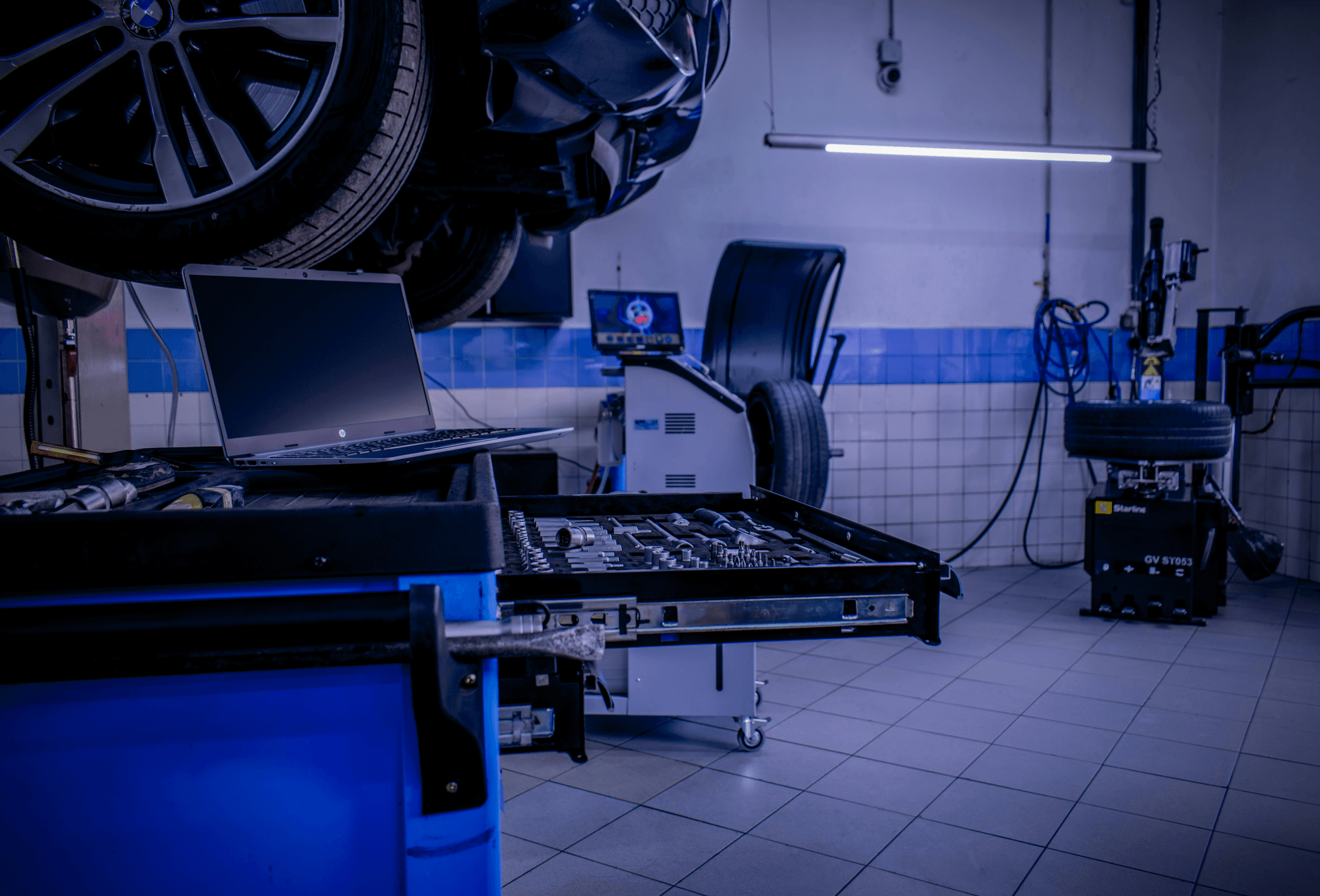
These levels dictate the extent and thoroughness of quality testing services, thereby impacting how well a vehicle meets safety standards. In an industry where precision matters, inspection levels can mean the difference between a safe ride and a potential hazard on the road.
Importance of Inspection Levels in Automotive Quality
Inspection levels play a pivotal role in maintaining automotive quality by establishing benchmarks that vehicles must meet before hitting the market or being sold to consumers. High inspection levels often correlate with rigorous quality control measures that help identify defects early in the manufacturing process. This proactive approach not only enhances customer satisfaction but also ensures compliance with safety regulations, ultimately promoting safer driving experiences.
Types of Inspections in Car Inspection
There are several types of inspections involved in car inspection, each tailored to address specific aspects of vehicle safety and performance. From pre-delivery inspections that assess new cars for any faults to routine maintenance checks that ensure ongoing reliability, these inspections vary widely based on their purpose and frequency. Different inspection levels can be applied depending on whether it's a comprehensive safety inspection or a quick check-up, allowing flexibility while still adhering to necessary quality standards.
The Role of Inspection Services in Vehicle Safety
Inspection services are vital players in ensuring vehicle safety through systematic evaluations based on established inspection levels. By leveraging specialized knowledge and tools, these services conduct thorough assessments that help detect potential issues before they escalate into serious problems. Partnering with a reputable quality inspection company not only enhances vehicle reliability but also instills confidence among consumers regarding their choice of transport.
Best Practices for Choosing Inspection Services
The right quality inspection company can significantly impact the effectiveness of your safety inspections and overall product quality. Here are some best practices to guide you through this process.
Evaluating Quality Inspection Companies
To ensure that you choose a reputable quality inspection company, start by examining their experience and expertise in the industry. Look for companies that specialize in your specific needs, whether it's car inspection or general quality testing services. Additionally, consider their track record; reviews and testimonials from previous clients can provide insights into their reliability and effectiveness.
Another critical factor is the range of inspection levels they offer. A good inspection service should be able to adapt its methods based on the complexity of your products or vehicles, ensuring thorough safety inspections tailored to your requirements. Don't hesitate to ask about their methodologies and how they determine which inspection levels are appropriate for different situations.
Finally, assess their customer service approach. An ideal quality inspection company should be responsive and willing to collaborate with you throughout the process, providing clear communication regarding findings from inspections as well as recommendations for improvements based on those results.
Questions to Ask Potential Inspectors
When interviewing potential inspectors, asking the right questions can make all the difference in your decision-making process. Start with inquiries about their qualifications and certifications related to safety inspections; this will help gauge their competence in handling various inspection levels effectively.
Next, dig deeper into their experience with specific types of inspections relevant to your needs—especially if you're focused on car inspection or specialized products requiring unique testing protocols. Understanding how they approach different scenarios will give you confidence in their ability to deliver accurate assessments.
Additionally, inquire about how they handle discrepancies found during inspections: do they provide solutions or merely report issues? A proactive approach indicates a commitment not just to identifying problems but also helping clients enhance product quality through effective strategies.
The Value of Accreditation in Inspection Services
Accreditation serves as a hallmark of credibility within the realm of inspection services; it assures clients that a quality inspection company adheres to established standards set by industry authorities. When choosing an inspector or an organization for safety inspections, prioritize those with relevant accreditations—this often translates into more reliable assessment processes across various inspection levels.
Moreover, accredited companies typically undergo regular evaluations themselves, ensuring that they stay updated with best practices and technological advancements in quality testing services. This ongoing commitment enhances both trustworthiness and effectiveness when conducting inspections on products or vehicles alike.
Lastly, don't overlook how accreditation can affect insurance coverage; many insurers prefer working with accredited inspectors due to reduced risk factors associated with higher-quality assessments—this could ultimately save you money while safeguarding product integrity through rigorous safety standards.
China Inspection Pro: A Quality Inspection Leader

Their expertise spans various sectors, including automotive quality testing services and safety inspections, ensuring that products meet stringent standards before reaching consumers. With a commitment to excellence, they offer tailored solutions that address the unique needs of each client.
Overview of China Inspection Pro's Services
China Inspection Pro specializes in a wide array of inspection levels designed to cater to different industries and requirements. From initial factory audits to final product inspections, their services encompass every aspect of quality inspection, ensuring that clients receive thorough evaluations at every stage of production. Their focus on car inspection is particularly noteworthy, as they employ rigorous testing methods to enhance vehicle safety and reliability.
Benefits of Partnering with a Quality Inspection Company
Partnering with a reputable quality inspection company like China Inspection Pro provides numerous advantages for businesses seeking to maintain high standards in their products. First and foremost, these companies bring expertise in various inspection levels that help identify potential issues before they escalate into costly problems. Additionally, leveraging their knowledge ensures compliance with international regulations and enhances consumer trust in the brand’s commitment to safety.
Moreover, quality testing services from established firms can significantly reduce the risk associated with product recalls or safety incidents. By investing in thorough inspections early on, companies can save time and resources while fostering a culture of continuous improvement within their operations.
Case Studies of Successful Inspections
China Inspection Pro has an impressive track record highlighted by several successful case studies showcasing their impact on quality control across different sectors. For instance, one notable case involved an automotive manufacturer that faced challenges with vehicle defects related to subpar materials used during production. Through meticulous car inspections conducted by China Inspection Pro's team, critical flaws were identified early on, allowing for timely corrections that ultimately saved the company from potential recalls.
Another example includes a consumer electronics firm that engaged China Inspection Pro for comprehensive safety inspections before launching a new product line. The thorough evaluation revealed design flaws that could have compromised user safety; addressing these issues not only improved product reliability but also boosted customer satisfaction ratings upon release.
By choosing China Inspection Pro for quality inspection services, businesses can confidently navigate the complexities of compliance while ensuring their products meet or exceed industry standards.
Conclusion
In summary, understanding Inspection Levels is crucial for maintaining high standards in quality control and safety inspection across various industries, including automotive. These levels dictate the thoroughness and frequency of inspections, ensuring that products meet safety and quality testing services expectations. By recognizing the importance of these levels, businesses can better safeguard their reputation and customer satisfaction.
Recap of Inspection Levels and Their Importance
Inspection Levels play an integral role in quality control by establishing a framework for evaluating products before they reach consumers. From car inspection to other critical safety inspections, these levels determine how rigorously items are scrutinized for defects or compliance with safety regulations. The right inspection services not only enhance product reliability but also reinforce consumer trust in brands.
The Future of Inspection Services in Quality Control
As technology advances, the future of inspection services will likely incorporate more automated systems and data analytics to improve efficiency and accuracy in quality control processes. Innovations such as AI-driven inspections may revolutionize how we approach quality testing services, making them faster and more reliable than ever before. This evolution will ensure that Inspection Levels adapt to new challenges while maintaining rigorous standards for safety inspection.
Final Thoughts on Choosing the Right Inspection Approach
Choosing the right inspection approach requires careful consideration of various factors, including the specific needs of your industry and the reputation of potential quality inspection companies. It's essential to ask pertinent questions about their experience with different Inspection Levels and their methodologies for car inspection or product evaluations. Ultimately, partnering with a reputable quality inspection company can make all the difference in achieving consistent quality control outcomes.