
Introduction

Insulation Materials Inspection is a critical step in ensuring your building project performs efficiently and safely. Skipping or rushing through materials inspection can lead to costly setbacks, energy losses, and safety hazards down the line. Understanding the fundamentals of materials inspection and the role of performance testing helps you make smarter decisions, saving time and money while boosting your project's overall quality.
When it comes to insulation, not all materials are created equal—nor are their inspection needs. Proper dimensional inspection guarantees that insulation components meet specified thickness and density standards, directly impacting thermal performance. Meanwhile, functional inspections verify that insulation materials work seamlessly within the building's system, preventing gaps or settling issues that could compromise efficiency.
Performance testing is the backbone of insulation quality assurance because it provides tangible data on how well your materials perform under real-world conditions. From thermal conductivity tests to moisture resistance assessments, these tests help identify potential weaknesses before installation completes. Incorporating comprehensive performance testing into your Materials Inspection process ensures long-lasting energy savings and safety for years to come.
Foundations of Insulation Materials Inspection
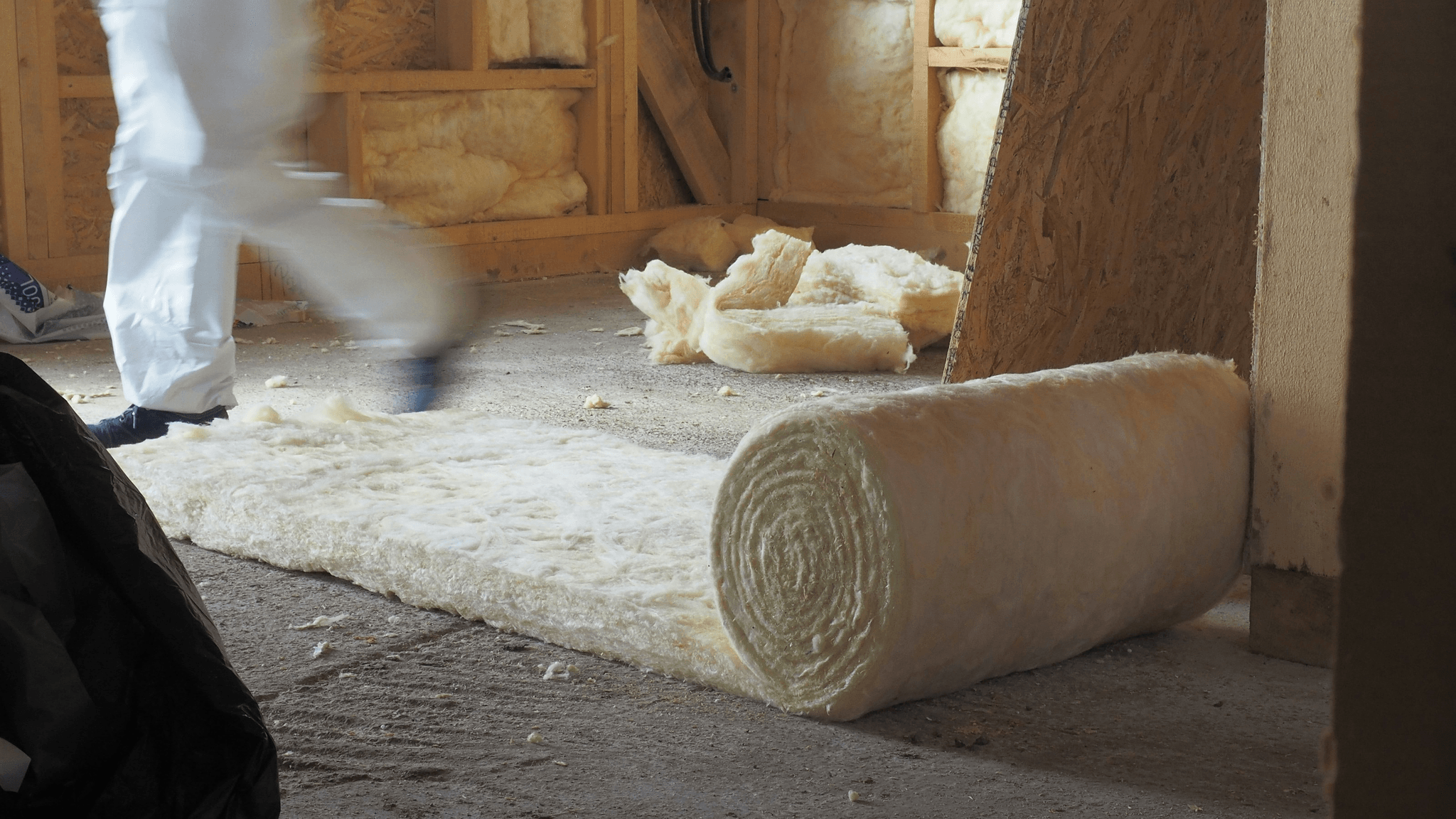
Getting the ins and outs right from the start is crucial for a successful project, which is why Insulation Materials Inspection plays such a vital role. This process involves understanding key standards and certifications that ensure materials meet safety and performance benchmarks. Without proper Materials Inspection, even high-quality insulation can fall short of expectations, leading to costly rework or compromised energy efficiency.
When it comes to the common types of insulation—like fiberglass, foam boards, or mineral wool—each has unique inspection needs. Performance Testing becomes essential here to verify thermal properties and durability under real-world conditions. Functional Inspection ensures these materials will perform as intended once installed, preventing gaps between specifications and actual results.
Of course, no inspection is foolproof without being aware of potential Risk Factors and common Challenges in the process. Dimensional Inspection helps catch discrepancies early on—thickness, density, or size issues—that could undermine thermal performance later. Recognizing these pitfalls allows inspectors to implement targeted solutions for smoother project execution.
Dimensional Inspection of Insulation Materials
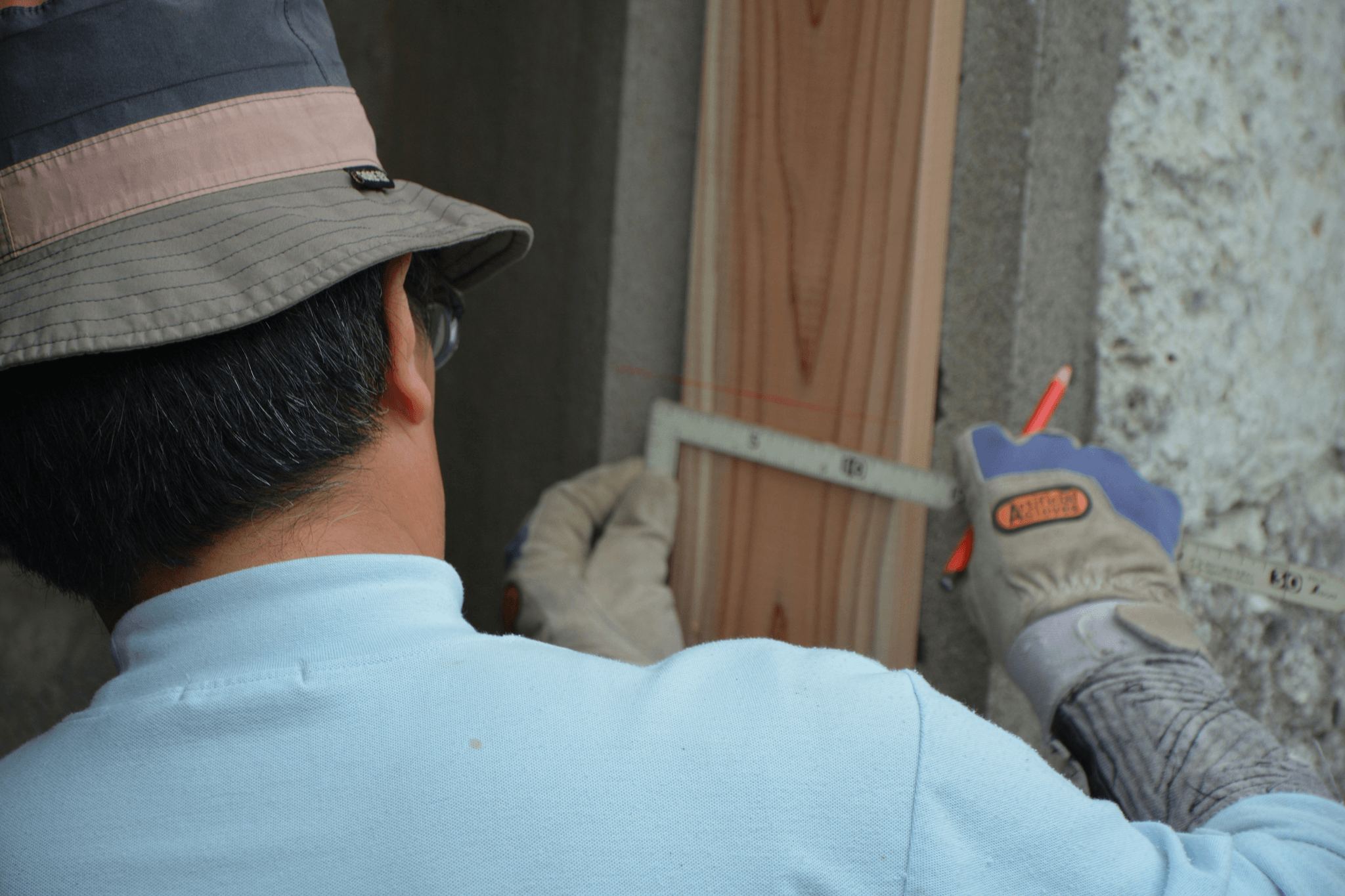
Dimensional inspection is a critical component of comprehensive materials inspection for insulation materials. It ensures that each piece meets specified thickness and density standards, which directly impact thermal performance and overall quality. Proper dimensional inspection helps identify deviations early, preventing costly errors during installation and ensuring the insulation performs as intended over its lifespan.
Ensuring Thickness and Density Accuracy
Achieving precise thickness and density in insulation materials is fundamental to effective insulation performance testing. Variations in these dimensions can lead to thermal bridging or gaps that compromise energy efficiency. Regular materials inspection focusing on dimensional accuracy guarantees that insulation materials meet the strict standards required for optimal performance, reducing risks of thermal leaks or moisture ingress.
Tools Used for Dimensional Inspection
To perform accurate dimensional inspections, professionals rely on a variety of specialized tools such as calipers, laser scanners, and thickness gauges. These tools allow inspectors to measure insulation components quickly and with high precision, ensuring compliance with industry standards. Incorporating advanced tools into your inspection process enhances the reliability of your overall performance testing and supports consistent quality assurance.
Significance of Dimensional Precision for Thermal Performance
The importance of dimensional precision cannot be overstated when it comes to insulation materials' thermal efficiency. Even minor discrepancies in thickness or density can significantly reduce R-values or increase heat transfer rates, undermining the purpose of the insulation. Therefore, rigorous dimensional inspection forms a cornerstone of functional inspection strategies aimed at delivering long-lasting energy savings and comfort.
Remember, thorough materials inspection—especially focusing on dimensions—is essential for ensuring your insulation performs flawlessly from installation through its entire lifecycle.
Performance Testing of Insulation Materials
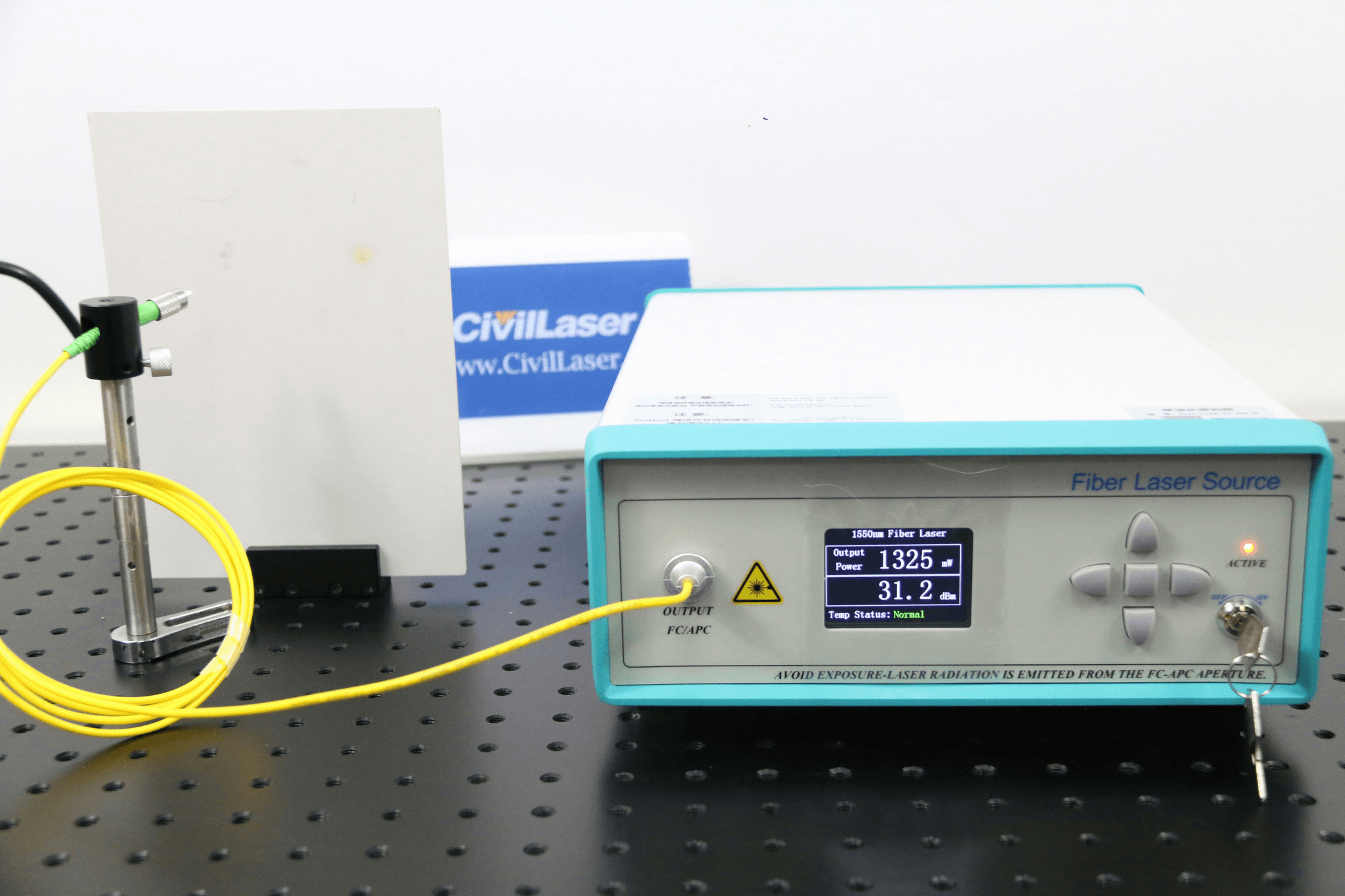
When it comes to Insulation Materials Inspection, performance testing is the backbone that ensures your materials do what they’re supposed to do—keep heat in, moisture out, and fire hazards at bay. This stage of materials inspection digs deep into how well insulation performs under real-world conditions, giving you peace of mind that your project will stand the test of time. From thermal properties to safety standards, performance testing is essential for identifying potential flaws before they become costly problems.
Thermal Conductivity and R-Value Testing
Thermal conductivity tests are the cornerstone of insulation performance evaluation, measuring how efficiently a material transfers heat. The lower the thermal conductivity, the better the insulation's ability to resist heat flow—crucial information during insulation materials inspection. R-value testing complements this by quantifying thermal resistance; higher R-values mean superior insulating power. Incorporating these tests into your materials inspection process ensures that your insulation meets industry standards and delivers optimal energy efficiency.
Moisture Resistance and Durability Assessments
Moisture resistance is a critical factor in maintaining insulation integrity over time. During performance testing, moisture resistance assessments reveal how well an insulation material withstands humidity and water exposure without losing its insulating properties or developing mold issues. Durability assessments further evaluate how environmental factors like temperature fluctuations or mechanical stress impact the longevity of insulation materials—an essential part of comprehensive functional inspection. These tests help prevent future failures caused by moisture infiltration or material degradation, saving you from costly repairs down the line.
Fire Safety and Flammability Testing Procedures
Fire safety remains a top priority in any building project involving insulation materials inspection. Flammability testing evaluates how quickly an insulation material ignites and propagates flames, providing vital data for safety compliance and risk mitigation. Fire safety testing procedures include controlled burn tests and smoke density measurements to assess potential hazards thoroughly. Incorporating these procedures into your performance testing ensures that only fire-safe products make it onto your site, protecting occupants and property alike.
Functional Inspection in Insulation Quality Assurance
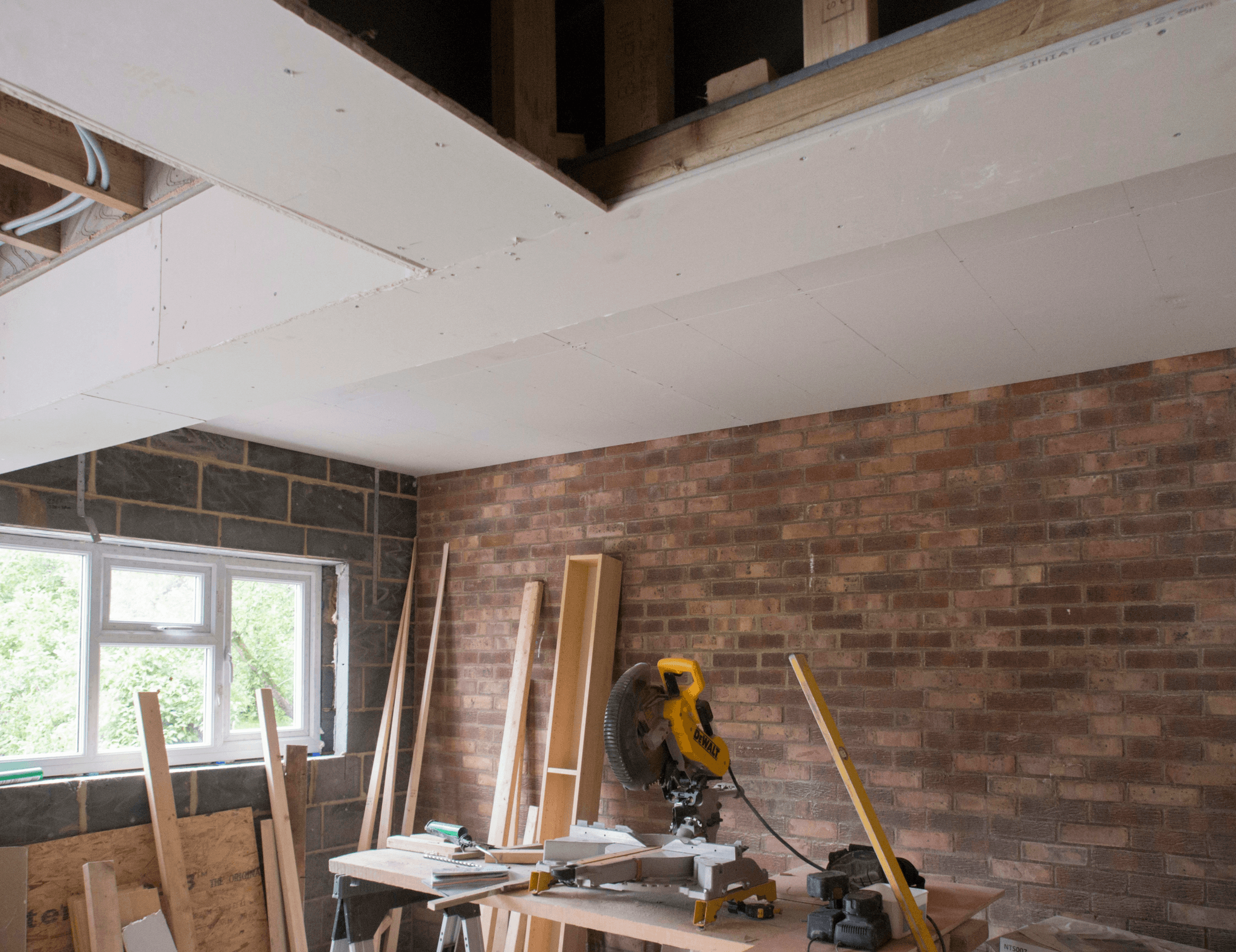
Functional inspection plays a crucial role in ensuring that insulation materials perform as expected once installed. It’s not just about the material itself but how it integrates with the entire building system. Properly executed, this step helps identify potential issues before they escalate, saving time and money down the line.
During Materials Inspection, evaluating installation compatibility is paramount. Insulation Materials Inspection should verify that the chosen materials fit seamlessly into designated spaces without causing stress or deformation. Performance Testing during this phase confirms whether the insulation maintains its thermal properties when subjected to real-world conditions, ensuring long-term efficiency.
Checking for gaps, voids, and settling issues is another vital aspect of functional inspection. Even minor voids can significantly compromise thermal performance and lead to moisture infiltration or mold growth. Conducting thorough Dimensional Inspection helps detect these imperfections early, allowing corrective measures before they become costly repairs.
Verifying material compatibility with building materials ensures that insulation remains effective and durable over time. Incompatibility can cause deterioration or reduced performance, which underscores the importance of comprehensive Materials Inspection combined with Performance Testing. When these inspections are meticulously carried out, they guarantee a resilient and energy-efficient building envelope.
Quality Inspection with China Inspection Pro
When it comes to Insulation Materials Inspection, partnering with the right inspection service can make all the difference. China Inspection Pro specializes in elevating your materials inspection process by combining cutting-edge technology with industry expertise. Their approach ensures that every aspect of your insulation products undergoes rigorous evaluation, from dimensional accuracy to performance testing, providing peace of mind for your project’s success.
How China Inspection Pro Enhances Materials Inspection
China Inspection Pro transforms traditional materials inspection into a comprehensive quality assurance process by integrating advanced performance testing and functional inspection techniques. They leverage state-of-the-art tools to accurately measure thermal conductivity, moisture resistance, and fire safety parameters—critical factors in insulation materials inspection. This meticulous approach helps identify potential issues early, ensuring your insulation maintains its efficiency and safety standards throughout the project lifecycle.
Key Services Offered for Insulation Materials Inspection
Their suite of services covers all bases—from dimensional inspection to performance testing—making sure your insulation materials meet stringent industry standards. They conduct precise dimensional inspections to verify thickness and density, which are vital for thermal performance. Additionally, their performance testing evaluates key properties like R-value, moisture durability, and flammability—crucial elements in any thorough materials inspection process.
Turning Inspection Findings Into Actionable Improvements
Once inspections are complete, China Inspection Pro provides detailed reports that highlight areas needing improvement—whether it’s adjusting manufacturing processes or refining installation practices. Their insights enable clients to implement targeted corrective actions swiftly, turning raw inspection data into actionable steps for quality enhancement. This proactive approach ensures ongoing compliance and maximizes insulation efficiency through continuous performance testing and functional inspections.
Conclusion
Properly conducting insulation materials inspection is the cornerstone of ensuring your project's longevity and performance. When you invest in thorough materials inspection, you're not just checking boxes; you're safeguarding against future issues like thermal inefficiency or moisture damage. Remember, consistent performance testing and functional inspection are vital to catching potential problems early and maintaining optimal insulation quality over time.
Ensuring Longevity with Proper Materials Inspection
Insulation materials inspection plays a critical role in extending the lifespan of your building envelope. By paying close attention to dimensional inspection, you ensure that insulation layers fit perfectly without gaps or voids that could compromise thermal performance. Regular performance testing helps verify that the insulation maintains its R-value and moisture resistance, ultimately preserving your structure’s integrity for years to come.
Selecting the Right Inspection Partner for Quality Outcomes
Choosing an experienced partner for materials inspection guarantees accurate results and actionable insights. A reliable inspector will conduct comprehensive functional inspections, assessing installation compatibility and identifying settling issues early on. When it comes to insulation materials inspection, partnering with experts who understand industry standards ensures your project meets all safety and efficiency benchmarks, leading to better quality outcomes.
Staying Ahead with Continuous Performance Testing and Inspection
The world of insulation is ever-evolving, making continuous performance testing essential for staying ahead of potential issues. Regular dimensional inspections combined with functional assessments help detect subtle changes that could impact thermal efficiency or fire safety down the line. Embracing ongoing materials inspection means you’re proactively maintaining high standards—saving costs and avoiding surprises later in your project lifecycle.