
Introduction

In the world of construction and energy efficiency, the significance of Insulation Materials Inspection cannot be overstated. Proper insulation plays a crucial role in maintaining comfortable indoor environments while reducing energy costs. Therefore, a thorough inspection process is essential to ensure that materials meet industry standards and perform as intended.
Importance of Insulation Materials Inspection
Insulation Materials Inspection serves as the first line of defense against potential issues that could arise from inadequate or substandard insulation. By identifying problems early on, such as improper installation or material defects, we can mitigate risks that might lead to costly repairs down the line. In essence, effective materials inspection not only enhances building performance but also contributes to sustainability efforts by optimizing energy use.
Key Aspects of Materials Inspection
When it comes to materials inspection, several key aspects must be considered to ensure a comprehensive evaluation. This encompasses Dimensional Inspection, which involves measuring thickness and density for compliance with specifications; Performance Testing, which assesses thermal resistance and moisture resilience; and Functional Inspection methods aimed at evaluating installation quality and identifying potential failures. Each aspect plays an integral role in creating a holistic view of an insulation system’s effectiveness.
Overview of Inspection Techniques
A variety of inspection techniques are employed in the realm of insulation materials inspection to achieve accurate results. Dimensional inspections utilize specialized tools for precise measurements, while performance testing protocols evaluate how well insulation materials withstand environmental challenges over time. Additionally, functional inspections focus on assessing how well the installed insulation performs within its intended application, ensuring that every layer contributes positively to overall building efficiency.
Understanding Insulation Materials
In the world of construction and energy efficiency, understanding insulation materials is paramount. Insulation acts as a barrier against heat transfer, ensuring that buildings remain comfortable while minimizing energy costs. A thorough grasp of insulation materials not only aids in selecting the right type but also enhances the effectiveness of Insulation Materials Inspection.
Common Types of Insulation
Insulation comes in various forms, each with its unique properties and applications. Fiberglass, foam board, spray foam, and cellulose are among the most common types used today. Each type has its advantages; for instance, fiberglass is lightweight and cost-effective, while spray foam provides superior air sealing—making them all worthy candidates for rigorous Materials Inspection.
Benefits of Proper Insulation
Proper insulation offers a plethora of benefits that extend beyond mere comfort. It plays a critical role in reducing energy consumption by minimizing heat loss or gain, which can lead to significant cost savings over time. Moreover, effective insulation contributes to improved indoor air quality and reduced environmental impact—factors that are increasingly important in today's eco-conscious society.
Industry Standards for Insulation
Adhering to industry standards is essential for ensuring the quality and performance of insulation materials. These standards provide guidelines on thermal resistance (R-value), fire safety ratings, and moisture resistance levels that must be met during installation and inspection processes. By following these benchmarks during Dimensional Inspection and Performance Testing protocols, professionals can guarantee that insulation performs as expected while meeting regulatory requirements.
Dimensional Inspection Techniques

In the realm of Insulation Materials Inspection, dimensional inspection techniques play a crucial role in ensuring that insulation products meet the necessary specifications and standards. These techniques not only help in assessing the physical attributes of insulation materials but also contribute significantly to their overall performance and effectiveness. By focusing on aspects such as thickness, density, fit, and alignment, inspectors can identify potential issues before they escalate into costly problems.
Measuring Thickness and Density
Measuring thickness and density is fundamental to effective Dimensional Inspection in the context of insulation materials. The thickness of insulation directly impacts its thermal resistance; therefore, ensuring it meets industry standards is vital for optimal performance. Similarly, density affects not only the material's insulating properties but also its durability and longevity; thus, accurate measurements are essential for quality assurance.
To measure thickness accurately, inspectors often use tools such as calipers or micrometers which provide precise readings. For density measurement, methods like mass per unit volume calculations come into play—ensuring that every square inch of insulation delivers on its promise. Inadequate thickness or improper density can lead to inefficiencies in energy use; hence meticulous attention during this stage of Materials Inspection is non-negotiable.
Ensuring Proper Fit and Alignment
Ensuring proper fit and alignment is another critical aspect of dimensional inspection techniques that cannot be overlooked during Insulation Materials Inspection. Ill-fitting insulation can create gaps that compromise thermal efficiency and lead to increased energy costs over time. Therefore, inspectors must assess how well insulation materials fit within their designated spaces—whether they're installed between studs or around pipes—to guarantee maximum effectiveness.
Inspectors utilize various methods to check for proper alignment; visual inspections combined with measurement tools help ensure everything is snugly in place without any unwelcome gaps or overlaps. This attention to detail not only enhances performance but also extends the lifespan of both the insulation material and the structure it protects. After all, a well-aligned installation contributes significantly to reducing potential failures down the line—a key focus area for functional inspections as well.
Tools for Effective Dimensional Inspection
The right tools are indispensable when it comes to effective dimensional inspection during Insulation Materials Inspection processes. Commonly used instruments include laser distance meters for quick length measurements and ultrasonic devices for non-destructive testing of thickness—both enhancing accuracy while saving valuable time on-site. Additionally, specialized software can aid inspectors in recording data efficiently while analyzing trends over time.
Using calibrated tools ensures consistent results across multiple inspections—the hallmark of reliable Materials Inspection practices! Furthermore, these tools empower inspectors with real-time feedback on dimensions that could affect performance testing outcomes later on—for instance, incorrectly sized pieces might fail moisture resistance tests if they don’t fit properly into designated areas. Ultimately, investing in high-quality inspection equipment pays dividends through improved product quality and reduced risk associated with functional failures down the road.
Performance Testing Protocols
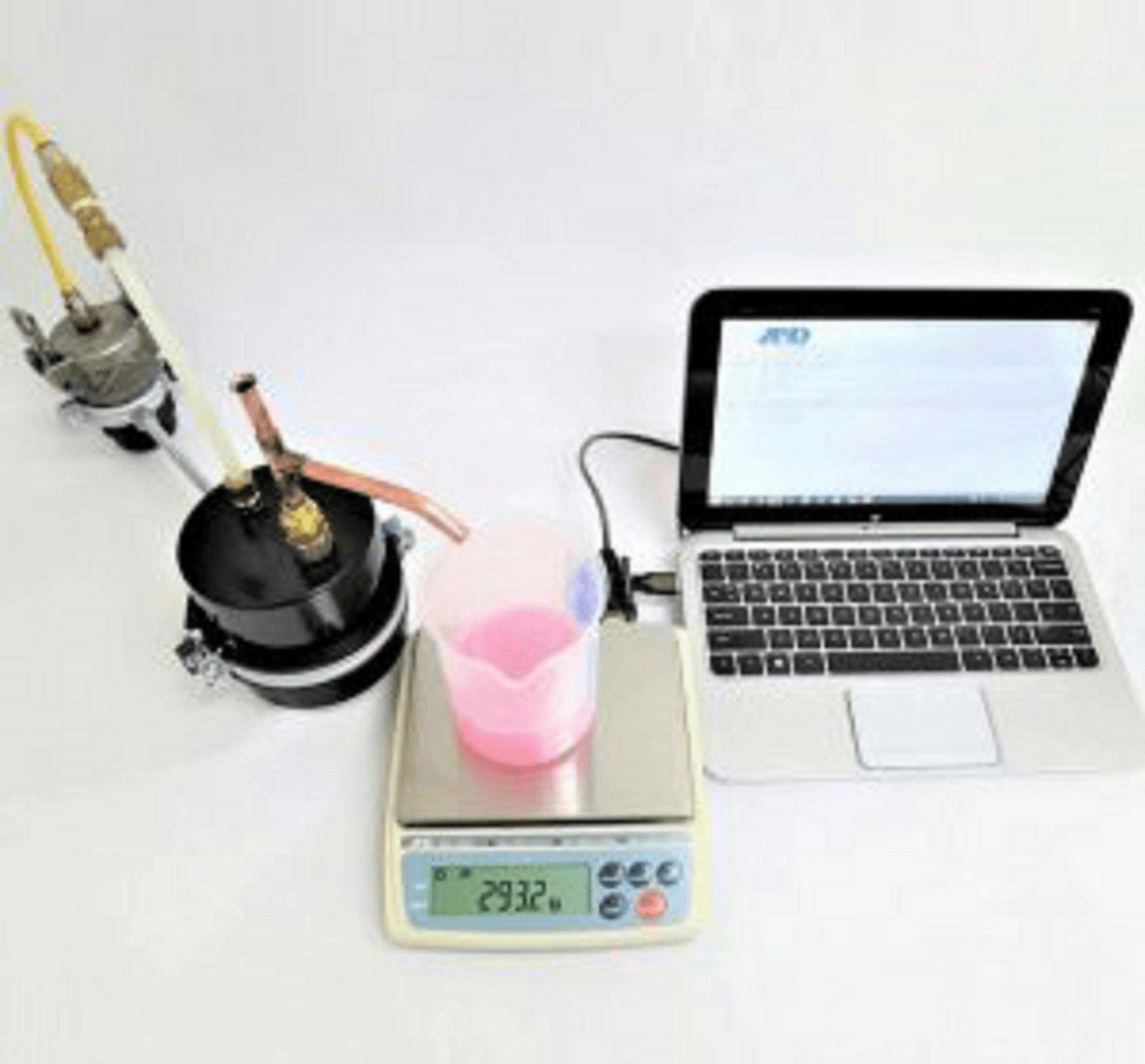
These protocols help in determining how well insulation materials will perform under various conditions, ensuring that they meet industry standards and customer expectations. By focusing on key areas such as thermal resistance and moisture resistance, professionals can provide valuable insights into the quality of insulation.
Evaluating Thermal Resistance
Evaluating thermal resistance is one of the most critical aspects of insulation materials inspection. This process involves measuring how well an insulating material resists heat flow, which is essential for maintaining energy efficiency in buildings. By using standardized tests like ASTM C518 or ISO 8301, inspectors can assess the R-value of insulation materials, providing a clear indication of their thermal performance.
Moreover, understanding thermal resistance helps in making informed decisions about which materials to select for specific applications. For instance, high R-values are desirable in colder climates where heat retention is paramount. Thus, consistent evaluation through performance testing not only enhances product reliability but also contributes to long-term energy savings.
Conducting Moisture Resistance Tests
Moisture resistance tests are another vital component of performance testing protocols within insulation materials inspection. These tests determine how well insulation can withstand exposure to moisture without losing its insulating properties or becoming compromised by mold and mildew growth. Techniques such as ASTM E96 allow inspectors to measure the water vapor transmission rate (WVTR), giving insight into how effectively a material manages moisture.
Incorporating moisture resistance assessments into your inspection routine ensures that potential issues are identified before they escalate into costly repairs or health hazards. The right choice of moisture-resistant materials can significantly extend the lifespan and effectiveness of insulation systems in various environments—especially those prone to humidity or condensation problems.
Performance Metrics That Matter
When evaluating insulation performance through testing protocols, certain metrics stand out as particularly significant for effective materials inspection. Key metrics include R-value for thermal efficiency and WVTR for moisture management; both serve as benchmarks for assessing overall material quality and suitability for intended applications. Tracking these metrics over time also provides valuable data that can inform future product development and innovation.
Additionally, understanding these performance metrics allows stakeholders—from manufacturers to contractors—to make better decisions regarding installation practices and material selection based on real-world data rather than assumptions alone. As technology advances, new methods may emerge that further refine these metrics; however, maintaining a focus on established standards remains essential for ensuring quality across all types of insulation materials.
Functional Inspection Methods

Functional inspections are essential for ensuring that insulation materials not only meet industry standards but also perform effectively in real-world applications. These inspections focus on the practical aspects of installation and performance, helping to identify any issues that could compromise the integrity of insulation systems. By employing robust functional inspection methods, stakeholders can enhance their confidence in the durability and efficiency of insulation materials.
Assessing Installation Quality
The first step in functional inspection is assessing installation quality, which plays a pivotal role in the overall effectiveness of insulation materials. Proper installation ensures that insulation fits snugly and uniformly, minimizing gaps that could lead to thermal bridging or moisture intrusion. Inspectors should evaluate joints, seams, and any penetrations to ensure they are sealed correctly; this attention to detail can prevent future problems and enhance energy efficiency.
Moreover, an effective assessment involves checking for compliance with manufacturer guidelines and industry standards during the installation process. Any deviations from these specifications can lead to significant performance issues down the line; therefore, inspectors must be thorough in their evaluations. By prioritizing installation quality during functional inspections, teams can significantly reduce the risk of costly repairs or replacements later.
Identifying Potential Failures
Identifying potential failures is another critical aspect of functional inspection methods when it comes to insulation materials inspection. This includes looking for signs of wear and tear or deterioration caused by environmental factors such as moisture or temperature fluctuations. Inspectors should be vigilant for issues like sagging insulation, mold growth, or unusual odors—these can all indicate underlying problems that may not be immediately visible.
Additionally, conducting visual inspections alongside diagnostic testing can help pinpoint areas at risk for failure before they become major concerns. For instance, using thermal imaging technology allows inspectors to detect temperature variations indicative of inadequate insulation performance. Addressing these potential failures early on not only saves time but also enhances overall building performance through effective materials inspection practices.
Best Practices for Functional Inspections
To maximize the effectiveness of functional inspections in evaluating insulation materials, adhering to best practices is essential. First and foremost, inspectors should develop a comprehensive checklist tailored specifically for each project type—this ensures no critical aspect is overlooked during evaluation. Regular training sessions on new technologies and methods will equip inspectors with up-to-date knowledge on how best to conduct thorough assessments.
Another best practice involves collaborating closely with contractors throughout the installation process; this fosters open communication about expectations regarding installation quality and potential challenges ahead of time. Additionally, documenting findings meticulously during each inspection helps create a clear record that can be referenced later if issues arise or if further testing is needed down the line.
By incorporating these best practices into functional inspections, teams can ensure a higher level of accuracy while enhancing overall product quality through meticulous attention to detail.
The Role of Professional Inspectors
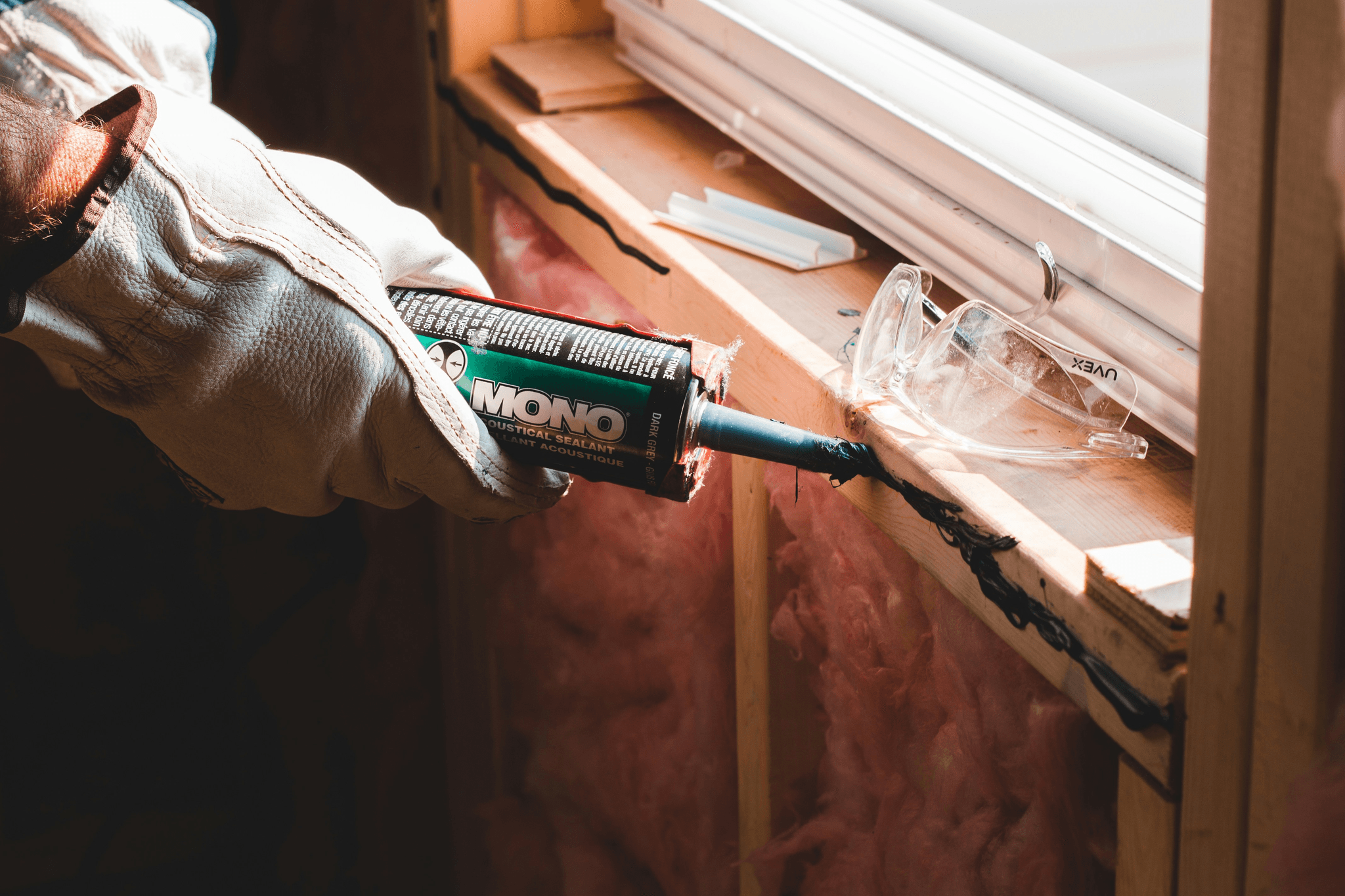
Their expertise ensures that every aspect of insulation—from dimensional inspection to performance testing—is thoroughly evaluated. By leveraging their knowledge, businesses can significantly enhance the quality and reliability of their insulation materials.
Why Choose China Inspection Pro
Choosing China Inspection Pro for your materials inspection needs means opting for a service that prioritizes thoroughness and accuracy. With years of experience in the industry, they specialize in various forms of inspections, including dimensional inspection and functional inspection techniques tailored specifically for insulation materials. Their commitment to excellence ensures that clients receive insightful reports that highlight potential issues before they escalate.
Expertise in Insulation Materials Inspection
The team at China Inspection Pro boasts extensive expertise in insulation materials inspection, which is crucial for maintaining high standards in construction and manufacturing processes. They understand the intricacies involved in evaluating thermal resistance, moisture resistance tests, and other performance testing protocols essential for effective insulation solutions. This deep knowledge allows them to identify subtle defects or inefficiencies that may go unnoticed by less experienced inspectors.
Turning Findings into Actionable Recommendations
Once inspections are complete, translating findings into actionable recommendations is where professional inspectors truly shine. They don’t just provide data; they offer insights on how to improve insulation quality through targeted adjustments based on their dimensional inspection results and functional inspection outcomes. This practical approach empowers businesses to implement changes swiftly, ensuring compliance with industry standards while enhancing overall product performance.
Conclusion
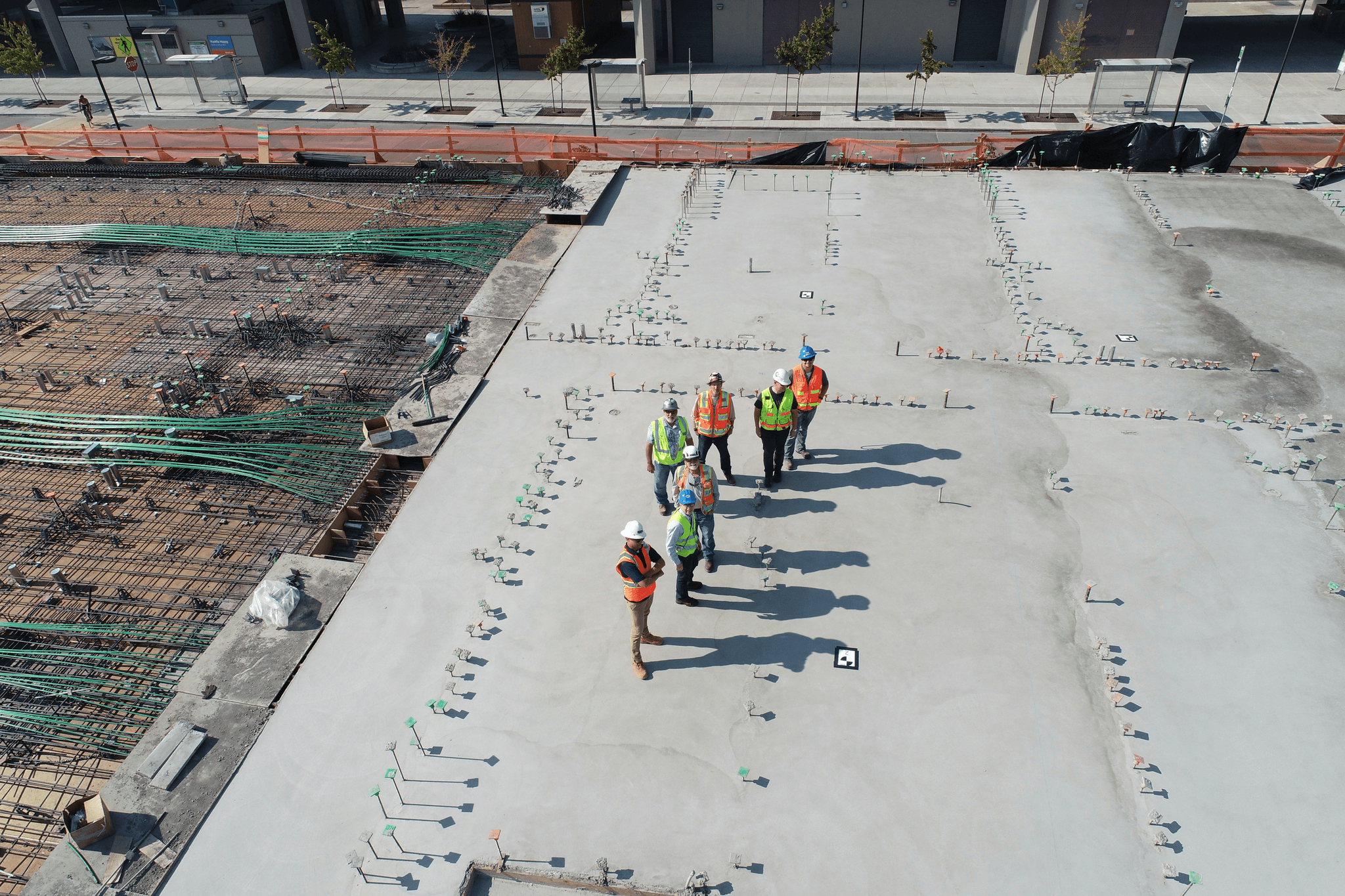
In the realm of construction and energy efficiency, the importance of Insulation Materials Inspection cannot be overstated. Comprehensive inspections ensure that insulation materials meet industry standards and perform optimally, safeguarding investments and enhancing energy efficiency. By focusing on dimensional inspection, performance testing, and functional inspection methods, stakeholders can achieve a high level of assurance in their insulation projects.
Benefits of Comprehensive Inspections
Comprehensive Insulation Materials Inspection provides a multi-faceted approach to quality assurance. By conducting thorough evaluations, potential issues can be identified before they escalate into costly problems. This proactive stance not only enhances the lifespan of insulation materials but also promotes safety and compliance with regulations.
Enhancing Product Quality Through Inspections
The role of thorough Materials Inspection in enhancing product quality is pivotal. With effective dimensional inspection techniques, such as measuring thickness and density accurately, manufacturers can ensure that their products perform as intended. Additionally, rigorous performance testing protocols help verify thermal resistance and moisture resistance—two critical factors in determining overall insulation effectiveness.
The Future of Insulation Materials Inspection
Looking ahead, the future of Insulation Materials Inspection seems promising with advancements in technology paving the way for more efficient methodologies. Innovations such as automated functional inspections will streamline processes while increasing accuracy in identifying potential failures early on. As industries continue to prioritize sustainability and energy efficiency, robust inspection practices will remain essential for ensuring high-quality insulation solutions.