
Introduction
In the ever-evolving world of fashion, effective management of production processes is paramount. Fashion Production encompasses a myriad of tasks, from design to distribution, and requires a keen understanding of both creative and logistical aspects. By mastering this balance, brands can not only elevate their product offerings but also enhance their operational efficiency.
Understanding Fashion Production Management
At its core, Fashion Production Management involves coordinating various elements to ensure that garments are created efficiently and meet quality standards. This includes everything from sourcing materials to overseeing manufacturing timelines and ensuring that sample garments reflect the final product accurately. A well-structured approach can lead to significant improvements in both time management and cost effectiveness.
The Importance of Sample Garment Testing
Sample garment testing plays a crucial role in the fashion production cycle by allowing designers to evaluate the fit, style, and functionality before mass production begins. By utilizing proto samples effectively, brands can identify potential issues early on through iterative testing processes that refine designs based on feedback and performance metrics. This proactive approach not only saves time but also reduces waste by ensuring that only well-tested designs move forward into full-scale production.
Streamlining Processes for Efficiency
Streamlining processes within fashion production is essential for maximizing efficiency and minimizing delays. Implementing strategies such as standardized workflows or digital tools can significantly enhance communication among teams involved in creating sample garments and proto samples alike. Moreover, refining these processes allows brands to respond swiftly to market demands while maintaining high-quality standards across all production examples.
The Role of Proto Samples

In the realm of fashion production, proto samples play a crucial role in bridging the gap between concept and reality. These initial sample garments serve as a tangible representation of design ideas, allowing designers and manufacturers to visualize the end product before moving into full-scale production. By investing time in creating effective prototypes, brands can mitigate risks associated with costly production errors and ensure that their vision aligns with market expectations.
Creating Effective Prototypes
Creating effective prototypes is an art form that requires a blend of creativity and technical know-how. Designers must consider fabric choices, fit, and functionality while keeping the target audience in mind; this ensures that the sample garment not only looks good but also performs well in real-world scenarios. In this stage, attention to detail is paramount—everything from stitching quality to color accuracy can make or break the final product.
Moreover, prototyping is not just about aesthetics; it’s also an opportunity for collaborative feedback among teams. By involving various stakeholders early on—such as marketers, merchandisers, and even consumers—brands can refine their designs based on diverse perspectives. This collaborative approach fosters innovation and ultimately leads to more successful fashion production outcomes.
Benefits of Iterative Testing
Iterative testing transforms the traditional fashion production process by promoting continuous improvement through repeated cycles of prototyping and feedback. Each round offers valuable insights that inform adjustments to design elements or manufacturing processes, making it easier to identify potential issues before they escalate into costly mistakes during mass production. This method not only enhances quality but also accelerates time-to-market—a vital factor in today’s fast-paced fashion industry.
The beauty of iterative testing lies in its flexibility; brands can pivot quickly based on real-time data rather than relying solely on initial assumptions made during the design phase. For instance, if a particular fabric doesn’t drape as expected during testing, adjustments can be made without significant delays or financial repercussions. This adaptability ensures that final products resonate more deeply with consumers’ needs and preferences.
Furthermore, iterative testing fosters a culture of innovation within organizations by encouraging teams to experiment boldly without fear of failure. With each prototype iteration serving as a learning opportunity, teams become more adept at problem-solving while honing their skills over time—a win-win for both individuals and brands alike.
Real-World Production Examples
Real-world production examples illustrate how proto samples and iterative testing have revolutionized the fashion industry for leading brands like Zara and Nike. Zara's agile supply chain allows them to produce new styles quickly based on customer feedback gathered from their stores—this means they are constantly refining their sample garments through rapid prototyping cycles that keep them ahead of trends while minimizing excess inventory risks.
Nike has similarly embraced these methods by utilizing advanced technologies such as 3D printing for creating proto samples faster than ever before; this allows them to test multiple designs simultaneously without incurring high costs associated with traditional sampling methods. Their commitment to iterative testing has led to innovations like Flyknit technology—a result of multiple rounds of prototyping aimed at enhancing performance while reducing waste.
These examples underscore how effective use of proto samples combined with iterative testing not only streamlines fashion production but also cultivates stronger connections between brands and consumers by delivering products tailored precisely to market demands.
Embracing Sustainable Practices
In the fast-paced world of fashion production, sustainability is no longer just a buzzword; it's an essential practice. Brands are increasingly recognizing the importance of ethical production techniques that not only enhance their image but also contribute positively to the planet. By integrating sustainable practices into their processes, companies can create sample garments and proto samples that reflect a commitment to environmental responsibility.
Ethical Fashion Production Techniques
Ethical fashion production techniques emphasize transparency and fairness throughout the supply chain. This includes ensuring fair wages for workers, using eco-friendly materials, and minimizing waste during production processes. By adopting these practices, brands can produce sample garments that not only look good but feel good—because they’re made with integrity.
Furthermore, iterative testing plays a crucial role in refining ethical techniques. Through continuous feedback loops during the development of proto samples, brands can identify areas for improvement and make necessary adjustments before full-scale production begins. This approach not only enhances product quality but also aligns with a sustainable ethos by reducing waste associated with flawed designs.
Case Studies from Patagonia
Patagonia stands out as a beacon of sustainability in fashion production, showcasing how ethical practices can lead to both success and environmental stewardship. The company has pioneered initiatives such as using recycled materials in its clothing lines and committing to fair labor practices across its supply chain. Their approach serves as an exemplary case study for other brands looking to embrace sustainable methods while still delivering high-quality products.
One notable example is Patagonia's development of proto samples made from 100% recycled plastic bottles, demonstrating how innovative thinking can drive sustainable fashion production forward. These efforts have not only reduced reliance on virgin materials but have also inspired customers to make more conscious purchasing decisions. By sharing their journey through transparent communication, Patagonia has built strong brand loyalty while setting industry standards for sustainability.
Environmental Impact Reduction Methods
Reducing environmental impact in fashion production involves several strategies that focus on efficiency without compromising quality or ethics. One effective method is implementing closed-loop systems where waste is minimized by recycling materials back into the production cycle—think of it as giving old fabrics a second life! Additionally, utilizing technology-driven solutions like digital design tools helps streamline processes from sample garment creation to final product delivery.
Brands can also benefit from conducting rigorous testing during the proto sample phase to ensure that each piece meets both quality standards and environmental benchmarks before mass manufacturing begins. This iterative testing process allows companies to identify potential issues early on, ultimately leading to less waste and better resource management throughout the entire supply chain. As more brands adopt these methods, we move closer toward a more sustainable future in fashion production.
Leveraging Technology in Fashion Production
In today's fast-paced world, leveraging technology in fashion production is no longer optional; it's essential for success. The integration of innovative tools and software has transformed traditional methods into streamlined processes that enhance efficiency and creativity. From sample garment testing to managing proto samples, technology plays a pivotal role in elevating the entire production experience.
Tools for Efficient Management
When it comes to fashion production, having the right tools can make all the difference. Software solutions designed specifically for managing sample garments allow teams to track progress seamlessly, ensuring that every proto sample is accounted for throughout its lifecycle. These tools facilitate iterative testing by providing real-time feedback and analytics, which can significantly reduce time-to-market while enhancing product quality.
Additionally, project management platforms foster collaboration among designers, manufacturers, and suppliers. They enable easy communication regarding design changes and updates on sample garment statuses, which is crucial during the iterative testing phase. With these efficient management tools at their disposal, brands can focus more on innovation rather than getting bogged down by logistical challenges.
The Rise of AI in Production Planning
Artificial Intelligence (AI) is revolutionizing fashion production planning by making it smarter and more responsive to market demands. By analyzing vast amounts of data related to consumer preferences and trends, AI can help brands predict which styles will be popular before they even hit the shelves. This predictive capability allows companies to create better proto samples that align closely with market desires.
Moreover, AI streamlines the iterative testing process by automating repetitive tasks such as data entry or inventory tracking. This leaves creative teams free to focus on refining their designs based on insights generated from AI analysis of previous sample garments' performances in the market. As a result, brands are better equipped to adapt quickly to changing consumer tastes while minimizing waste—a win-win scenario for both business and sustainability efforts.
Digital Showrooms and Their Benefits
Digital showrooms have emerged as a game-changer in fashion production by offering a virtual space where designers can showcase their latest collections without physical limitations. These platforms allow brands to present their proto samples interactively, enabling buyers to engage with products from anywhere in the world—no travel necessary! This not only saves time but also reduces costs associated with traditional showroom setups.
Furthermore, digital showrooms facilitate collaborative feedback during the iterative testing phase by allowing stakeholders to comment directly on designs displayed online. This immediate response mechanism helps refine sample garments before they go into full-scale production—ultimately leading to better-quality products that resonate with consumers’ needs. As technology continues evolving within fashion production management, embracing digital showrooms will become increasingly vital for staying competitive.
Quality Assurance in Fashion Production
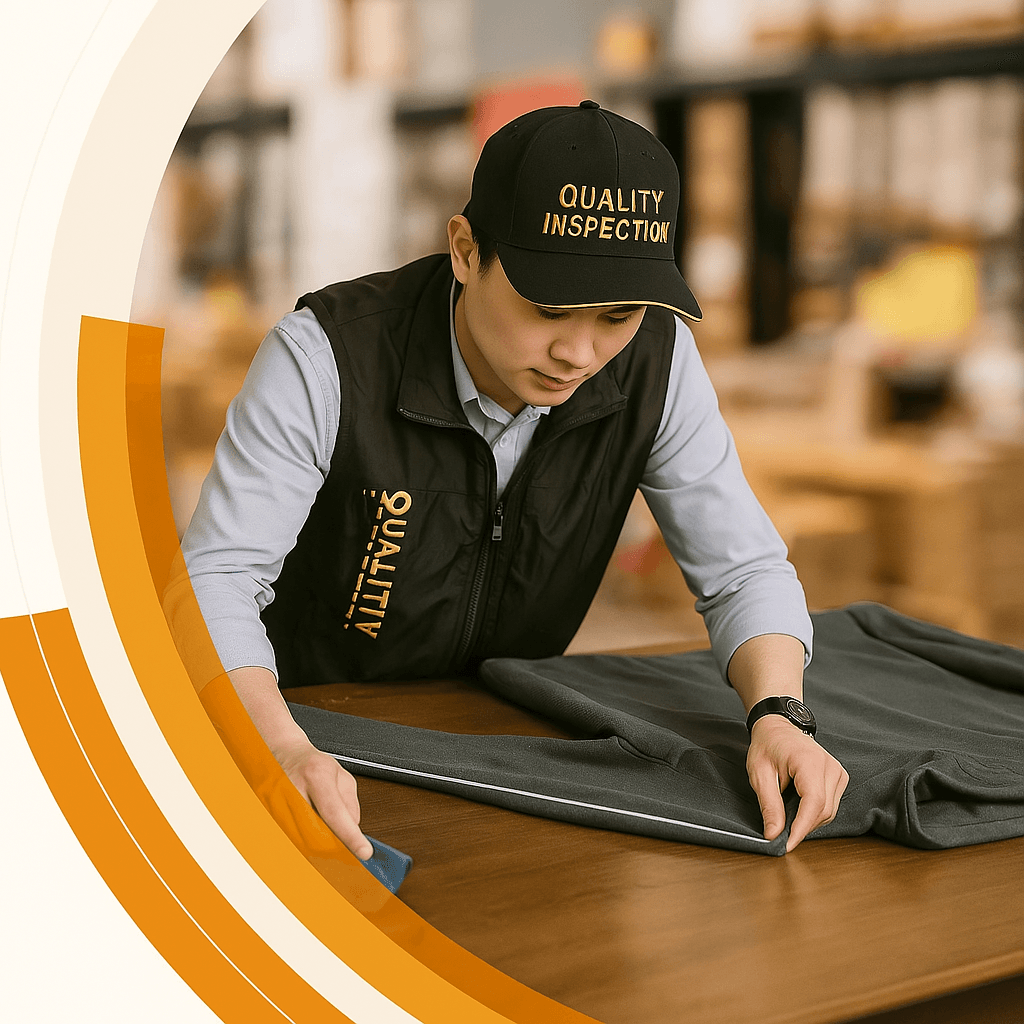
Quality assurance is the backbone of effective fashion production, ensuring that every piece meets the expected standards before it reaches consumers. In a world where consumers are increasingly discerning about quality, rigorous testing and inspection processes are essential to maintain brand integrity and trust. By implementing a comprehensive quality assurance strategy, brands can enhance their reputation while minimizing costly production errors.
Partnering with China Inspection Pro
When it comes to fashion production, partnering with organizations like China Inspection Pro can be a game-changer for quality assurance. This company specializes in conducting thorough inspections of sample garments and proto samples during various stages of production, helping brands identify potential issues early on. With their expertise, companies can streamline their processes and ensure that every item produced aligns with their quality standards.
Incorporating services from China Inspection Pro not only enhances the reliability of your fashion production but also fosters better communication between manufacturers and brands. Their detailed reports provide actionable insights that help brands make informed decisions about iterative testing and adjustments needed for final products. Ultimately, this partnership leads to fewer defects and higher customer satisfaction.
The Importance of Rigorous Quality Testing
Rigorous quality testing is vital in fashion production as it helps prevent defects from making their way to consumers. By thoroughly evaluating sample garments throughout the manufacturing process, brands can identify flaws in design or construction before they escalate into larger issues. This proactive approach not only saves time but also reduces costs associated with returns and rework.
Moreover, conducting iterative testing on proto samples allows designers to refine their creations based on real-world feedback before mass production begins. This practice ensures that the final product meets both aesthetic and functional requirements while adhering to industry standards. In an era where customer expectations are at an all-time high, rigorous testing becomes a non-negotiable aspect of successful fashion production.
Best Practices for Quality Control
Establishing best practices for quality control in fashion production is crucial for maintaining consistent product excellence over time. Brands should implement standardized inspection protocols at multiple checkpoints during the manufacturing process—starting from initial sample garments through to finished products—to catch any discrepancies early on. These protocols should include detailed checklists covering everything from fabric integrity to stitching precision.
Additionally, fostering strong relationships with suppliers enhances accountability in quality control measures; when suppliers understand the importance placed on these practices by brands, they are more likely to adhere strictly to guidelines during manufacturing processes. Engaging in regular training sessions focused on quality assurance practices can also empower teams involved in fashion production with knowledge about current trends and technologies related to iterative testing methods.
By consistently applying these best practices within your organization’s culture, you pave the way for improved product outcomes that resonate well with your target audience while solidifying your brand's position within a competitive market landscape.
Building Strong Supplier Relationships
In the world of fashion production, establishing strong supplier relationships is crucial for success. These connections can lead to smoother operations, better pricing, and enhanced collaboration, all of which are essential when navigating the complexities of garment manufacturing. With a strategic approach to communication and negotiation, brands can foster partnerships that yield high-quality sample garments and proto samples while also facilitating iterative testing processes.
Effective Communication Strategies
Clear and consistent communication is the backbone of any successful supplier relationship in fashion production. Brands should prioritize transparency by sharing their goals, expectations, and timelines with suppliers early in the process. Regular check-ins not only help maintain alignment but also allow for timely adjustments when challenges arise—especially important during the iterative testing phases where feedback on proto samples can significantly impact final products.
Utilizing various communication platforms can enhance collaboration further; consider video calls for detailed discussions or project management tools to track progress on sample garments. Additionally, fostering a culture where feedback is welcomed—both positive and constructive—can create an environment of mutual respect and understanding between brands and suppliers. Ultimately, effective communication leads to better outcomes in production examples as everyone involved feels valued and informed.
Negotiation Tips for Better Production Deals
Negotiating with suppliers in fashion production requires a blend of assertiveness and diplomacy to achieve favorable terms without straining relationships. Start by doing your homework: understand market rates for materials, labor costs, and what competitors might be paying for similar services. Armed with this knowledge, you’ll be better positioned to negotiate deals that are beneficial yet fair.
When discussing terms related to sample garments or proto samples, emphasize long-term partnership potential rather than just immediate gains; suppliers are more likely to offer favorable conditions if they see an opportunity for ongoing collaboration. Moreover, don't shy away from asking about flexibility in pricing based on volume or repeat orders—this could lead to significant savings over time while enhancing your iterative testing capabilities.
Finally, remember that negotiation isn’t just about price; consider other factors like delivery timelines or quality assurance practices that may add value beyond mere cost savings. Building these elements into your agreements fosters trust and encourages suppliers to prioritize your needs throughout the production process.
Case Examples from Nike and Adidas
Nike and Adidas serve as prime examples of effective supplier relationship management within the realm of fashion production. Both companies have mastered the art of leveraging strong partnerships not only for better pricing but also for innovation in product development through iterative testing practices with their suppliers. By collaborating closely on proto samples, they ensure that each new design iteration meets their high standards before mass production begins.
For instance, Nike has invested heavily in building long-term relationships with its manufacturers in Asia by offering training programs aimed at improving both skills and working conditions within factories. This commitment has led to enhanced quality control over sample garments produced while simultaneously fostering loyalty among its suppliers—a win-win scenario! Similarly, Adidas emphasizes open lines of communication with its partners which allows them to quickly address issues during the prototyping phase without compromising timelines or product integrity.
These case studies illustrate how nurturing supplier relationships can lead not only to improved efficiency but also innovative solutions that drive fashion production forward—creating products that resonate well with consumers while maintaining ethical standards throughout the supply chain.
Conclusion
In the fast-paced world of fashion production, understanding the intricacies of sample garment testing and proto samples can make or break a brand's success. It is essential to embrace iterative testing as a means to refine designs and ensure that products meet both quality and market demands. By integrating these practices into your production management strategy, you not only enhance efficiency but also position your brand for sustainable growth.
Key Takeaways for Fashion Production Success
To achieve success in fashion production, one must prioritize the development of effective proto samples that serve as the backbone of any collection. Iterative testing allows designers to gather feedback early in the process, facilitating necessary adjustments before mass production begins. Furthermore, embracing sustainable practices alongside rigorous quality assurance will not only elevate your brand's reputation but also resonate with increasingly eco-conscious consumers.
Implementing Changes for Greater Efficiency
Implementing changes within your fashion production processes requires a willingness to adapt and innovate continuously. Start by refining how you approach sample garments; invest in technology that streamlines communication between teams and suppliers, ensuring everyone is on the same page regarding expectations and timelines. Additionally, leverage real-world production examples from industry leaders to inspire best practices that can be tailored to fit your unique operational needs.
Future Trends in Fashion Production Management
Looking ahead, several trends are poised to shape the future of fashion production management significantly. The integration of AI tools will continue to revolutionize how brands plan their productions, allowing for smarter decision-making based on data analytics and consumer insights. Moreover, as sustainability becomes increasingly vital in our industry, expect innovations in eco-friendly materials and processes—making it easier than ever for brands to produce ethically while maintaining their competitive edge.