
Introduction
In the intricate world of food safety, the FDA plays a pivotal role in safeguarding public health. The agency's regulations, particularly the FDA conditions of use, serve as a cornerstone for ensuring that food products are safe for consumption. Understanding these regulations is essential for manufacturers to navigate the complex landscape of food packaging and its implications on safety and quality.
Understanding FDA's Role in Food Safety
The FDA, or Food and Drug Administration, is responsible for overseeing a vast array of products that affect our daily lives, including food items. Its primary mission is to protect consumers by regulating the safety and efficacy of food products through stringent guidelines. Among these guidelines are the FDA conditions of use for food packaging, which dictate how materials can be utilized without compromising consumer health.
Importance of FDA Conditions of Use
The importance of adhering to FDA conditions of use cannot be overstated; they ensure that all packaging materials are safe and appropriate for their intended purpose. Compliance with these conditions not only protects consumers but also enhances brand reputation and trustworthiness in an increasingly competitive market. For manufacturers, understanding these requirements is crucial to avoid costly recalls or legal challenges stemming from non-compliance.
Overview of FDA Packaging Regulations
FDA packaging regulations encompass a broad spectrum of standards designed to maintain food safety throughout its lifecycle—from production to consumption. These regulations include specific directives found in sections like the FDA 21 CFR food contact materials, which outline what materials can safely come into contact with food products. Additionally, guidance on preservatives underlines how certain additives can extend shelf life while still adhering to safety protocols established by the FDA.
Key FDA Conditions of Use Explained
Navigating the maze of food safety regulations can feel overwhelming, but understanding the FDA conditions of use is essential for manufacturers and consumers alike. These conditions provide a framework that ensures food packaging materials are safe and effective for their intended purpose. By adhering to these guidelines, manufacturers can help protect public health while maintaining product quality.
Definition and Scope of FDA Conditions of Use
The FDA conditions of use refer to specific guidelines established by the Food and Drug Administration that dictate how food packaging materials should be utilized in relation to various food categories. These conditions encompass a wide range of factors, including temperature, duration of contact, and the types of food involved. Understanding these parameters is crucial for compliance with FDA packaging requirements, as they ensure that materials do not leach harmful substances into foods.
The scope of FDA conditions extends beyond just packaging; it also includes considerations for preservatives and other additives used in conjunction with food products. This holistic approach helps maintain food safety while allowing manufacturers to innovate within regulatory boundaries. Ultimately, the definition and scope serve as a cornerstone for ensuring that all aspects of food handling meet stringent safety standards.
Importance of Compliance for Manufacturers
Compliance with FDA conditions of use is not merely a suggestion; it's a necessity for any manufacturer looking to thrive in the competitive food industry. Meeting these regulations ensures that products are safe for consumers and minimizes risks associated with potential contamination or adverse health effects. Moreover, adherence to these guidelines can enhance a manufacturer's reputation, foster consumer trust, and open doors to new market opportunities.
Manufacturers who embrace compliance often find themselves better equipped to navigate the complexities outlined in documents like the FDA Chemistry Guidance or 21 CFR regulations on food contact materials. By aligning their practices with these standards, companies can mitigate risks associated with non-compliance while also benefiting from streamlined approval processes for new products or packaging innovations. In short, compliance isn't just about avoiding penalties; it's about building a sustainable business model grounded in safety.
Consequences of Non-Compliance
The consequences of failing to adhere to FDA conditions of use can be dire—both financially and reputationally—for manufacturers in the food industry. Non-compliance may lead to costly recalls, legal ramifications, or even bans on selling certain products altogether if they pose health risks due to unsafe packaging practices or improper use of preservatives. Additionally, companies could face significant damage to their brand image as consumers become increasingly wary about product safety.
Moreover, non-compliance can result in increased scrutiny from regulatory bodies like the FDA itself; this heightened oversight may lead to more frequent inspections and audits that further strain resources within an organization already struggling with compliance issues. As such, understanding both the importance and consequences tied to FDA conditions is imperative for any manufacturer aiming not only to survive but thrive in today's marketplace.
FDA Conditions of Use for Food Packaging
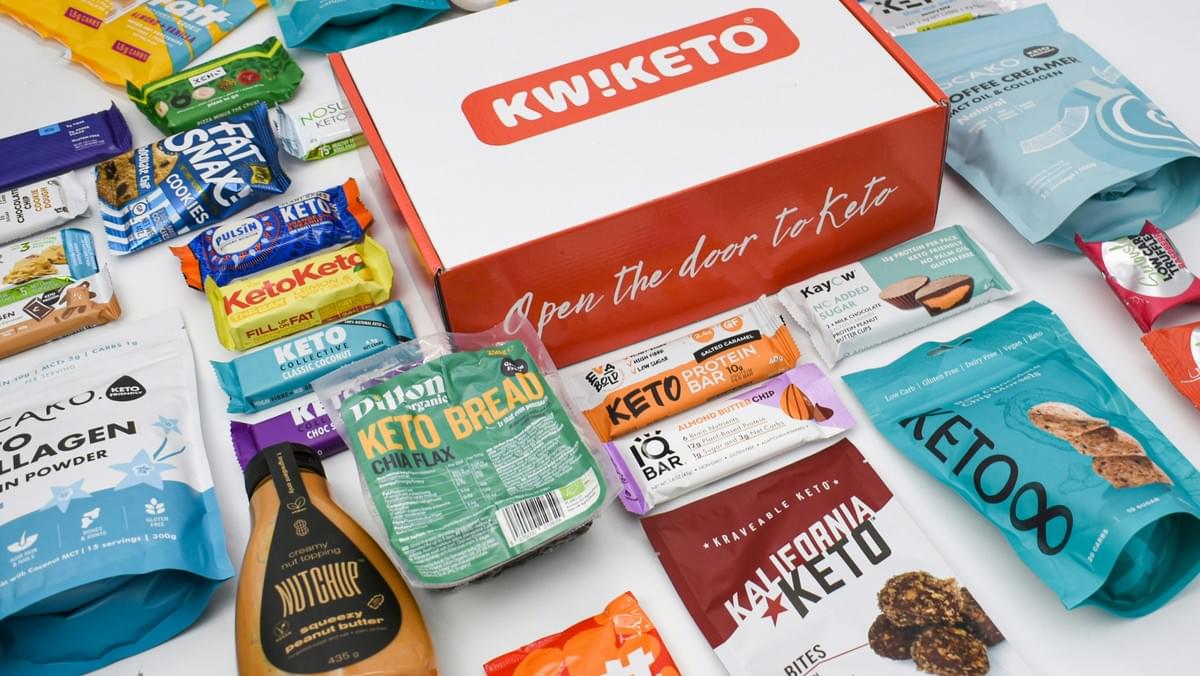
These regulations ensure that packaging materials do not compromise food quality or safety, providing a protective barrier between the product and external contaminants. The FDA's rigorous standards apply to various types of materials, which manufacturers must navigate carefully to remain compliant.
Types of Food Packaging Materials
The landscape of food packaging is diverse, encompassing a range of materials such as plastics, metals, glass, and paper products. Each type has its unique properties and applications in the food industry, governed by the FDA conditions of use that dictate their safety and suitability for specific food categories. For instance, certain plastics are designed specifically for microwaveable foods while others may be more suitable for dry goods or refrigerated items.
Understanding these distinctions is crucial because each material interacts differently with food products; this interaction can affect both safety and quality. The FDA 21 CFR food contact materials regulations detail what can be used in conjunction with various foods to minimize risks like chemical leaching or microbial growth. By adhering to these guidelines, manufacturers can ensure that their packaging meets both consumer expectations and regulatory requirements.
Impact on Food Safety and Quality
The impact of FDA conditions of use on food safety cannot be overstated; improper packaging can lead to contamination or spoilage that jeopardizes public health. For example, certain preservatives approved by the FDA may only be effective when used with specific types of packaging materials that prevent degradation during storage. This interplay between packaging choices and ingredient effectiveness underscores why compliance with FDA preservatives regulations is vital for maintaining product integrity.
Moreover, when manufacturers follow the guidelines set forth in the FDA Chemistry Guidance documents regarding testing and approval processes for new materials, they contribute significantly to overall consumer confidence in packaged foods. High-quality packaging not only protects against physical damage but also preserves freshness and flavor—key components that influence consumer satisfaction. Ultimately, adherence to these regulations helps maintain high standards across the entire food supply chain.
Real-World Examples of Compliance
Real-world examples illustrate how companies successfully navigate FDA conditions of use for food packaging while maintaining compliance with all relevant regulations. One notable case involves a leading snack manufacturer who revamped its product line using biodegradable film made from plant-based materials—fully compliant with FDA 21 CFR requirements—thereby reducing environmental impact while ensuring safety standards were met.
Another example includes dairy producers who implemented advanced barrier technology in their milk cartons to prevent oxidation—a critical factor in preserving freshness—as guided by the latest FDA Chemistry Guidance recommendations on material interactions with dairy products. Such proactive measures not only demonstrate compliance but also enhance brand reputation among increasingly environmentally-conscious consumers.
In conclusion, navigating the complexities surrounding FDA conditions of use for food packaging requires diligence but offers substantial rewards in terms of consumer trust and product longevity. By understanding material types' implications on safety and quality—and learning from real-world compliance success stories—manufacturers can better position themselves within an ever-evolving market landscape.
Insights from FDA Chemistry Guidance

Understanding the FDA Chemistry Guidance is crucial for anyone involved in food packaging and safety. This guidance lays down the framework for evaluating the safety of substances that come into contact with food, ensuring that all materials meet the FDA conditions of use. By adhering to these guidelines, manufacturers can better navigate the complex landscape of FDA regulations and maintain compliance.
Overview of FDA Chemistry Guidance
The FDA Chemistry Guidance provides essential information regarding the chemical substances used in food packaging materials. It outlines how these substances should be evaluated for safety, focusing on their potential impact on various FDA food categories. By establishing clear parameters, this guidance helps manufacturers understand what is necessary to meet FDA conditions of use for food packaging.
Moreover, it emphasizes the importance of rigorous scientific evaluation before any packaging material can be deemed safe for consumer use. This not only protects public health but also instills confidence in consumers about the products they purchase. Ultimately, a solid understanding of this guidance fosters innovation while ensuring compliance with stringent FDA standards.
Testing and Approval Processes
The testing and approval processes dictated by the FDA Chemistry Guidance are comprehensive and meticulous. Manufacturers must conduct a series of evaluations to demonstrate that their packaging materials comply with established safety criteria outlined in the guidance document. These tests often include migration studies to assess whether harmful substances might leach into food products, aligning with both FDA preservatives regulations and 21 CFR standards.
Once testing is complete, manufacturers submit their findings to the FDA for review before receiving approval for market entry. This rigorous process ensures that only safe materials are used in food packaging, thus reinforcing consumer trust in various food categories regulated by the agency. Non-compliance during this phase can lead to significant consequences, highlighting why adherence to these processes is critical.
Role in Ensuring Safe Packaging
By providing a structured approach to evaluating materials against established health standards, it plays an integral part in maintaining public safety regarding consumables packaged using these materials. Compliance with both this guidance and broader FDA conditions of use ultimately protects consumers from potential risks associated with unsafe packaging practices.
Additionally, as new materials emerge—such as bioplastics or advanced composites—the guidance evolves alongside them, reflecting ongoing advancements in science and technology within food contact materials (FCMs). As a result, manufacturers who stay informed about updates can proactively adapt their practices to remain compliant with changing regulations surrounding FCMs and preservatives approved by the agency. In doing so, they not only ensure product safety but also contribute positively toward sustainable practices within their industry.
Navigating FDA Preservatives Regulations

WThese regulations ensure that food products remain safe and palatable throughout their shelf life. By adhering to these guidelines, businesses can not only protect consumers but also enhance their brand's reputation in a competitive market.
Types of Approved Preservatives
The FDA has a comprehensive list of approved preservatives that fall under specific categories based on their function and application. Common types include antioxidants, which prevent rancidity in fats, and antimicrobial agents that inhibit bacterial growth in various food categories. Understanding the nuances of these preservatives helps manufacturers align with FDA conditions of use for food packaging while ensuring product integrity.
Implications for Food Manufacturers
For food manufacturers, navigating FDA preservatives regulations means staying informed about which substances are permissible and how they can be used effectively within the bounds of FDA 21 CFR food contact materials. Non-compliance can lead to severe consequences, including product recalls or legal actions, making it imperative for companies to integrate these regulations into their production processes. Moreover, compliance not only safeguards public health but also enhances consumer trust in products marked as adhering to strict FDA packaging requirements.
Balancing Safety and Shelf Life
Striking a balance between safety and shelf life is an ongoing challenge for food manufacturers dealing with FDA preservatives. On one hand, extending shelf life through approved preservatives can reduce waste and increase profitability; on the other hand, over-reliance on such substances may raise concerns among health-conscious consumers. Therefore, it is essential for companies to adopt a holistic approach that prioritizes both compliance with FDA conditions of use and transparency about ingredient choices.
Understanding FDA 21 CFR Food Contact Materials

Navigating the complex landscape of FDA regulations is crucial for manufacturers in the food industry, particularly when it comes to food contact materials. The FDA 21 CFR (Code of Federal Regulations) outlines essential conditions of use that ensure safety and compliance in food packaging. Understanding these regulations helps manufacturers avoid pitfalls that could lead to non-compliance and potential health risks.
Key Sections of FDA 21 CFR
The FDA 21 CFR is divided into several key sections that address various aspects of food contact materials, including definitions, requirements, and permissible substances. Notably, parts like §170-199 detail the conditions under which materials can be safely used in packaging without compromising food safety. These sections also provide guidelines on how to evaluate compliance with FDA conditions of use for food packaging, making it easier for manufacturers to adhere to established standards.
Additionally, specific categories within the FDA 21 CFR outline the types of materials that are acceptable for different food categories. This categorization ensures that each type of packaging material meets stringent safety requirements tailored to its intended use. By familiarizing themselves with these key sections, manufacturers can better navigate the complexities surrounding FDA chemistry guidance and preservatives.
Requirements for Different Materials
Different types of materials used in food packaging come with unique requirements under the FDA 21 CFR framework. For instance, plastics must meet specific criteria regarding migration limits—essentially how much substance can transfer from the packaging into the food without posing a risk to consumer health. Similarly, metals and paper-based materials also have their own set of guidelines aimed at ensuring they do not compromise food quality or safety.
Moreover, understanding these requirements is critical for compliance with both general and specific provisions related to FDA preservatives used in conjunction with various packaging types. Manufacturers must ensure that their products align not only with material-specific regulations but also with overarching safety standards dictated by relevant sections within the CFR. This multi-layered approach helps maintain high safety levels across all FDA-approved food categories.
Impacts on Food Industry Practices
The implications of adhering to FDA 21 CFR regulations extend far beyond mere compliance; they significantly influence industry practices as well. Manufacturers who rigorously follow these guidelines often find themselves at a competitive advantage due to enhanced consumer trust in their products' safety and quality—an essential factor in today’s market landscape where consumers are increasingly discerning about what they consume.
Furthermore, understanding and implementing these regulations encourages innovation within the industry as companies seek new methods or materials that comply with evolving standards while addressing consumer demands for sustainability and functionality in packaging solutions. The ongoing dialogue between regulatory bodies like the FDA and industry stakeholders fosters an environment where best practices can be shared and refined over time.
In summary, navigating through FDA 21 CFR's intricate web not only ensures compliance but also promotes a culture centered around quality assurance—a win-win situation for both manufacturers and consumers alike.
Collaborating with China Inspection Pro

In the fast-paced world of food production and packaging, ensuring compliance with FDA conditions of use is paramount. Collaborating with professionals like China Inspection Pro can streamline the inspection process, enhancing product safety and quality. Quality inspection not only mitigates risks but also builds consumer trust, ultimately benefiting manufacturers in the long run.
Importance of Quality Inspection
Quality inspection serves as a critical checkpoint in the supply chain, especially when it comes to FDA conditions of use for food packaging. By conducting thorough inspections, companies can identify potential compliance issues before they escalate into costly recalls or legal challenges. Moreover, quality inspections help ensure that all materials meet FDA 21 CFR food contact materials standards, safeguarding public health.
Ensuring Compliance with FDA Packaging Requirements
Adhering to FDA packaging requirements is essential for any manufacturer looking to succeed in today’s market. Through collaboration with experts like China Inspection Pro, businesses can navigate the complexities of FDA conditions of use effectively. This partnership ensures that products not only comply with regulations but also align with best practices outlined in FDA Chemistry Guidance and other relevant documentation.
Benefits of Expert Guidance in FDA Regulations
Working alongside seasoned professionals provides invaluable insights into navigating the intricate landscape of FDA preservatives and other regulations affecting food products. Expert guidance helps manufacturers understand how to balance safety and shelf life while meeting stringent compliance standards for various food categories. Ultimately, this collaboration fosters innovation and efficiency within manufacturing processes while minimizing risks associated with non-compliance.
Conclusion
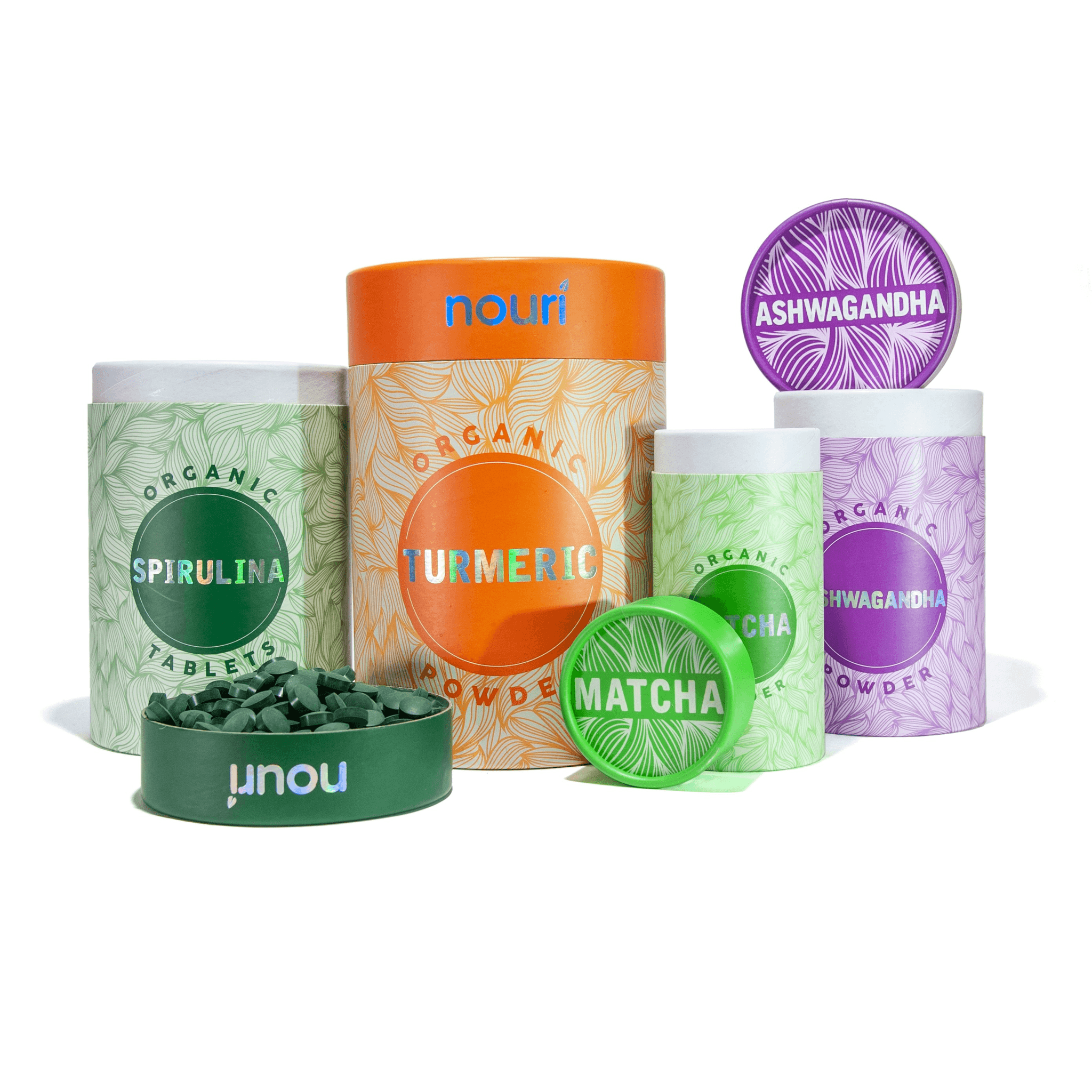
In wrapping up our exploration of FDA regulations, it’s clear that understanding FDA conditions of use is essential for ensuring food safety and quality. These conditions are not just bureaucratic red tape; they serve as a framework that guides manufacturers in the safe packaging and preservation of food products. By adhering to these guidelines, companies can protect consumers while also enhancing their brand reputation.
Summary of Key FDA Conditions of Use
The FDA conditions of use for food packaging encompass a wide array of regulations that dictate how materials can interact with food. This includes specific guidelines outlined in the FDA 21 CFR food contact materials, which detail what substances are permissible in direct contact with food items. Compliance with these standards is not merely advisable; it's a legal requirement that helps ensure consumer safety and product integrity.
Additionally, the importance of FDA Chemistry Guidance cannot be overstated when it comes to testing and approval processes for packaging materials. Manufacturers must navigate these waters carefully to avoid the pitfalls associated with non-compliance, which can lead to costly recalls or legal repercussions. Thus, understanding and implementing these conditions is vital for any business involved in the food industry.
The Future of FDA Regulations in Food Safety
Looking ahead, we can anticipate evolving FDA regulations that will likely reflect advancements in technology and changes in consumer preferences regarding food safety. As new materials emerge and innovative preservation techniques are developed, the framework surrounding FDA preservatives will also adapt accordingly. This evolution is crucial as it ensures that regulatory practices remain relevant and effective at protecting public health.
Moreover, as global trade continues to expand, collaboration between countries on standards—such as those established by organizations like China Inspection Pro—will become increasingly important. The future landscape will require manufacturers to stay informed about international compliance requirements alongside domestic ones like those found within the realm of FDA packaging requirements.
Importance of Ongoing Compliance and Inspection
Ongoing compliance with FDA conditions of use is not just a one-time checklist; it’s an ongoing commitment that requires vigilance from manufacturers at all stages—from production through distribution to retail shelves. Regular inspections help ensure adherence to established guidelines such as those outlined in 21 CFR related to food contact materials and preservatives used within various FDA food categories.
In essence, consistent monitoring protects consumers while allowing companies to maintain their competitive edge by avoiding potential pitfalls related to non-compliance or safety breaches. By prioritizing ongoing inspection processes alongside thorough understanding of regulatory frameworks like those set forth by the FDA, businesses can foster trust among consumers while contributing positively to public health outcomes.