
Introduction

In the world of fashion and accessories, leather products hold a special place, often symbolizing luxury and craftsmanship. However, ensuring the quality of these items is crucial for both manufacturers and consumers alike. This is where Leather Product Inspection comes into play, providing a systematic approach to evaluating leather goods for authenticity and quality.
Understanding Leather Product Inspection
Leather Product Inspection involves assessing various factors that determine the quality and authenticity of leather items. This process not only identifies genuine leather but also highlights any discrepancies that may exist in product labeling or manufacturing standards. By implementing thorough inspection protocols, businesses can ensure their products meet consumer expectations while maintaining brand integrity.
Importance of Genuine Leather Mark
The Genuine Leather Mark serves as a badge of honor for authentic leather products, helping consumers make informed purchasing decisions. With so many imitations on the market, this mark offers reassurance that what you're buying is indeed genuine leather, crafted with care and expertise. For manufacturers, displaying this mark can significantly enhance their reputation and foster customer loyalty.
Ensuring Compliance with International Legislation
Complying with International Legislation is vital for businesses operating in the global marketplace, especially in the leather industry where regulations are stringent. These laws govern everything from material sourcing to chemical testing processes to ensure consumer safety and environmental sustainability. Staying informed about these regulations not only helps avoid legal pitfalls but also enhances a company’s credibility in an increasingly conscientious consumer landscape.
The Basics of Leather Quality Control
Understanding the fundamentals of leather quality control is essential for anyone involved in the leather industry, from manufacturers to consumers. Quality control ensures that products meet specific standards, thus reinforcing the credibility of the Genuine Leather Mark. This section will explore various types of leather, key indicators of quality, and the vital role that leather product inspection plays in maintaining high standards.
Types of Leather and Their Characteristics
Leather comes in a variety of types, each with its unique characteristics and uses. Full-grain leather is considered the highest quality; it retains the natural grain and imperfections, which adds to its charm and durability. On the other hand, corrected-grain leather undergoes sanding and finishing processes to create a more uniform appearance but may lack some natural qualities.
Other varieties include split leather, which is made from the fibrous part of the hide after the top grain has been removed, often used for suede products; and bonded leather, which consists of scraps glued together—definitely not what you want if you’re looking for genuine quality! Understanding these differences is crucial when navigating through labels during your next shopping spree or conducting a thorough Leather Product Inspection.
Key Indicators of Leather Quality
When assessing leather quality, several key indicators can help distinguish between high-quality materials and inferior alternatives. First up is texture: genuine leather typically feels soft yet sturdy to touch without any synthetic sheen that fake leathers often exhibit. Another indicator is smell; authentic leather has a distinct aroma that cannot be replicated by synthetic materials.
Additionally, durability plays a significant role in determining quality; genuine leather should withstand wear over time without cracking or peeling easily. During your next inspection or while checking for compliance with international legislation regarding labeling standards, keep these indicators at the forefront to ensure you're making informed choices about your purchases.
Role of Leather Product Inspection
Leather product inspection serves as a critical checkpoint in maintaining quality throughout production processes. It involves evaluating raw materials as well as finished goods to ensure they meet established standards before reaching consumers or retailers. By implementing rigorous inspections at various stages—such as before dyeing or after finishing—manufacturers can catch potential issues early on.
Moreover, effective inspections help uphold compliance with international legislation concerning safety and environmental regulations associated with chemical testing in production processes. This not only protects consumers but also enhances brand reputation by ensuring that products bearing the Genuine Leather Mark are genuinely high-quality items worth investing in.
Evaluating Genuine Leather Mark
In a world where faux leather can sometimes outshine the real deal, understanding how to evaluate a Genuine Leather Mark is essential for consumers and businesses alike. This section dives into the nuances of identifying genuine leather, highlights the importance of consumer awareness, and sheds light on misleading labels that could lead buyers astray. By mastering these elements, one can ensure that their Leather Product Inspection processes are thorough and effective.
How to Identify Genuine Leather
Identifying genuine leather goes beyond just looking at its surface; it requires an understanding of its unique characteristics. Real leather typically has a distinct smell—a rich, earthy scent that synthetic alternatives simply can't replicate. Additionally, when you touch genuine leather, you'll notice its natural texture and softness; it should feel warm and pliable rather than cold and plastic-like.
Another telltale sign is the presence of imperfections; authentic leather often bears scars or marks from the animal's skin, which adds to its character. When conducting a Leather Product Inspection, checking for consistent grain patterns can also indicate authenticity—synthetic materials often have uniform patterns that lack individuality. Finally, if you're ever in doubt, look for a reputable Genuine Leather Mark or certification from trusted organizations to validate your purchase.
Consumer Awareness and Its Importance
With the rise of misleading marketing tactics and imitations flooding the market, consumers must educate themselves about what constitutes true quality in leather goods. By understanding how to identify genuine products through proper inspection techniques, buyers can avoid falling victim to subpar items disguised as high-end luxury.
Moreover, increased consumer awareness fosters accountability within companies as they strive to meet expectations regarding quality standards and compliance with international legislation. When customers demand transparency about sourcing and production methods—such as chemical testing for harmful substances—they encourage brands to prioritize ethical practices in their operations. Ultimately, well-informed consumers not only protect themselves but also contribute positively toward industry standards.
Misleading Labels to Watch Out For
In today's marketplace, misleading labels are unfortunately all too common; they can easily confuse even seasoned shoppers trying to navigate their way through various claims about leather authenticity. Terms like genuine, real, or authentic may appear prominently on packaging but don’t always guarantee high-quality materials or craftsmanship behind them—these terms are often used loosely without strict definitions attached!
Additionally, some products may be labeled as leather when they contain only small percentages of actual animal hide mixed with synthetic materials—a practice known as bonded leather. This means buyers must remain vigilant during their Leather Product Inspection process by scrutinizing product descriptions closely before making any purchases based solely on labeling claims alone!
To avoid falling prey to these marketing traps while shopping for genuine items worth investing in long-term durability—and style—it’s essential always check certifications related specifically back towards those Genuine Leather Marks mentioned earlier!
Complying with International Legislation
Navigating the world of leather production isn't just about aesthetics and craftsmanship; it also involves a maze of regulations that ensure quality and safety. Complying with international legislation is crucial for businesses aiming to maintain their reputation and meet consumer expectations. Understanding these regulations helps in implementing effective Leather Product Inspection practices, ensuring that products are both safe and genuine.
Overview of Leather Regulations
Leather regulations vary significantly across countries, but they generally focus on the quality of leather, environmental impact, and consumer safety. Many regions have established guidelines for labeling products, including the Genuine Leather Mark, which serves as a beacon for consumers seeking authenticity. Additionally, regulations often mandate chemical testing to ensure that harmful substances are not present in finished leather goods.
Impact of Non-compliance on Business
Failing to comply with international legislation can lead to severe repercussions for businesses in the leather industry. Non-compliance can result in hefty fines, product recalls, and even damage to brand reputation—something no company wants on its resume. Moreover, when consumers learn about non-compliance issues related to Leather Product Inspection or misleading labels like “Genuine Leather,” trust is eroded, making it difficult for brands to recover.
How to Stay Informed on Legal Changes
Staying updated on legal changes regarding leather regulations requires diligence and proactive measures from businesses. Subscribing to industry newsletters or joining professional organizations can provide valuable insights into new laws affecting the leather market. Additionally, regular training sessions focused on compliance will ensure that employees involved in Leather Product Inspection are well-versed in current standards and practices.
The Role of Chemical Testing

In the leather industry, chemical testing plays a pivotal role in ensuring that products meet safety and quality standards. This process is particularly crucial for Leather Product Inspection, as it helps identify harmful chemicals that could compromise both consumer safety and the integrity of genuine leather. By adhering to rigorous chemical testing protocols, manufacturers can enhance their credibility and align with the Genuine Leather Mark.
Common Chemicals in Leather Production
Leather production often involves a variety of chemicals used for tanning, dyeing, and finishing processes. Some of the most common substances include chromium salts, which are widely utilized for their effectiveness in preserving leather; however, they can pose significant health risks if not managed properly. Other chemicals like formaldehyde and azo dyes may also be present, making it essential for businesses to conduct thorough inspections to ensure compliance with international legislation regarding safe chemical use.
Safety Standards for Chemical Testing
To safeguard consumers and uphold industry standards, several safety regulations govern chemical testing in leather production. These standards are designed to minimize exposure to hazardous substances while ensuring that products are safe for use. Compliance with these safety guidelines is not just about legality; it's also about building trust with consumers who seek genuine leather products free from harmful chemicals.
Ensuring Eco-friendly Leather Products
The push towards sustainability has led many manufacturers to adopt eco-friendly practices in leather production, emphasizing the need for rigorous chemical testing as part of Leather Product Inspection processes. By prioritizing environmentally friendly materials and methods, companies can produce high-quality genuine leather that meets consumer demand while respecting ecological concerns. This commitment not only supports compliance with international legislation but also enhances brand reputation among increasingly eco-conscious shoppers.
Quality Inspection by China Inspection Pro
In the realm of leather products, ensuring quality is paramount. This is where China Inspection Pro steps in, offering a suite of services tailored to the needs of businesses seeking to uphold their standards in Leather Product Inspection. From evaluating the authenticity of materials to assessing compliance with international legislation, their expertise is invaluable for anyone serious about maintaining a genuine leather mark.
Services Offered by China Inspection Pro
China Inspection Pro provides a comprehensive range of services designed specifically for leather product inspection. These include thorough assessments of leather quality, verification of genuine leather marks, and detailed chemical testing to ensure that products meet safety standards. Additionally, they offer guidance on complying with international legislation, helping businesses navigate the complex landscape of regulations that govern leather production and sales.
Importance of Professional Quality Inspection
Engaging experts like China Inspection Pro ensures that your products not only meet consumer expectations but also adhere to legal requirements regarding safety and authenticity. By prioritizing Leather Product Inspection through professional channels, businesses can bolster consumer trust and avoid costly non-compliance issues that could tarnish their reputation.
Turning Findings into Actionable Recommendations
Once inspections are completed, turning findings into actionable recommendations is crucial for continuous improvement in product quality. China Inspection Pro excels at translating inspection results into practical steps that manufacturers can take to enhance their processes and products. This proactive approach not only helps in maintaining compliance with international legislation but also reinforces the integrity associated with genuine leather marks, ensuring that consumers receive only the best.
Conclusion
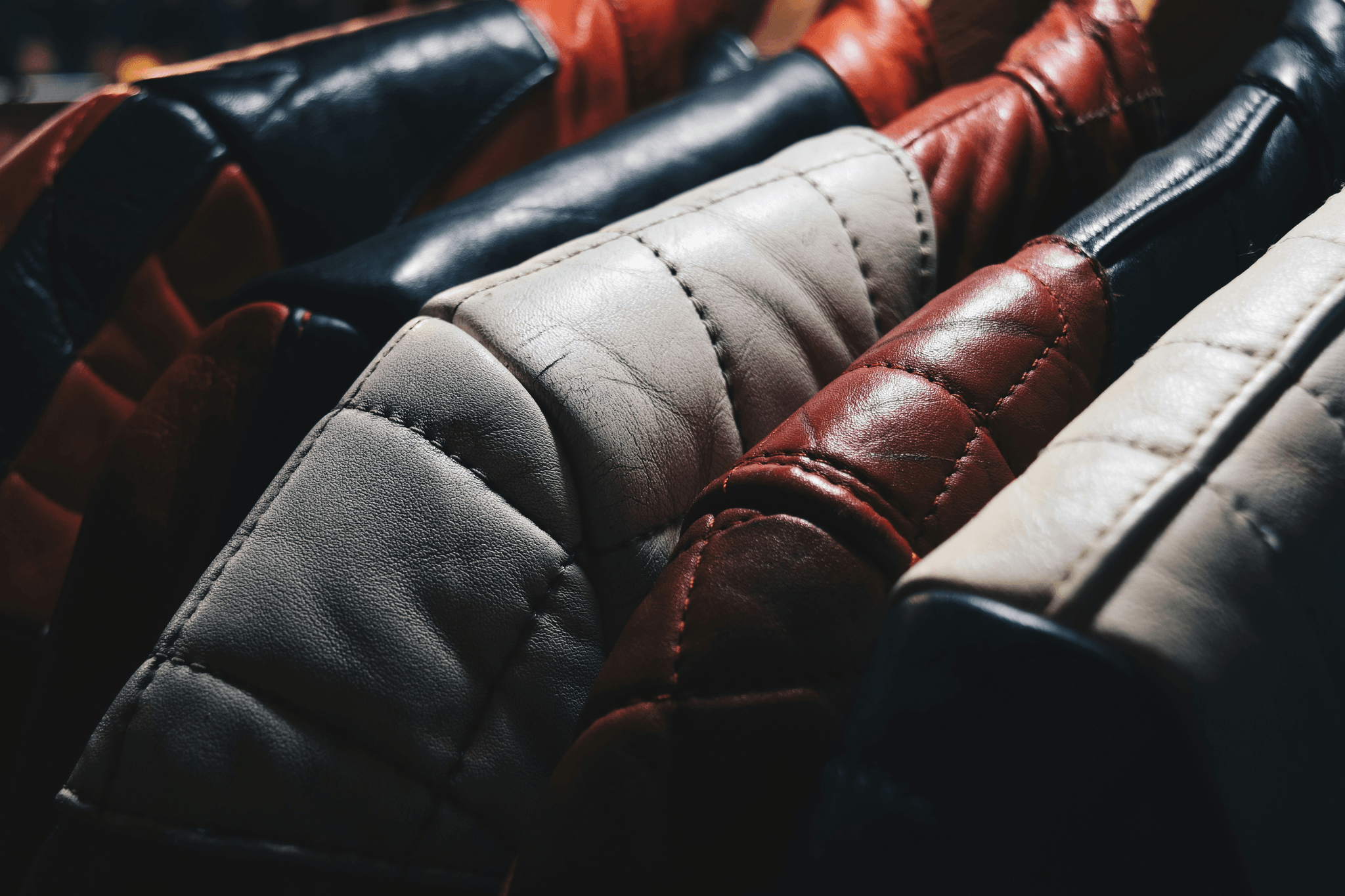
In wrapping up our exploration of Leather Product Inspection, it’s clear that the quality and authenticity of leather products are paramount in today’s market. The Genuine Leather Mark serves as a beacon for consumers seeking genuine items, while understanding compliance with international legislation is essential for manufacturers. Moreover, effective chemical testing not only ensures product safety but also reflects a commitment to eco-friendly practices.
Key Takeaways on Leather Product Inspection
Leather Product Inspection is an intricate process that encompasses evaluating various aspects of leather goods, from their origin to their chemical composition. Recognizing the Genuine Leather Mark can significantly enhance consumer confidence, ensuring they receive high-quality products. Additionally, complying with international legislation protects businesses from legal pitfalls and promotes ethical production standards.
The Future of Genuine Leather Products
As we look ahead, the future of genuine leather products seems promising yet challenging due to rising consumer awareness and environmental concerns. Brands will increasingly need to emphasize transparency in their supply chains and provide assurance through rigorous Leather Product Inspection processes. Those who adapt by prioritizing quality and sustainability will likely thrive in an evolving marketplace where informed consumers demand more than just aesthetics.
The Role of Quality Control in Consumer Trust
Rigorous inspections and adherence to international regulations ensure that customers feel secure in their purchases, knowing they are investing in quality items backed by thorough chemical testing and ethical practices. Ultimately, as consumers become savvier about what constitutes true value in leather goods, companies committed to quality inspection will stand out as leaders.