
Introduction
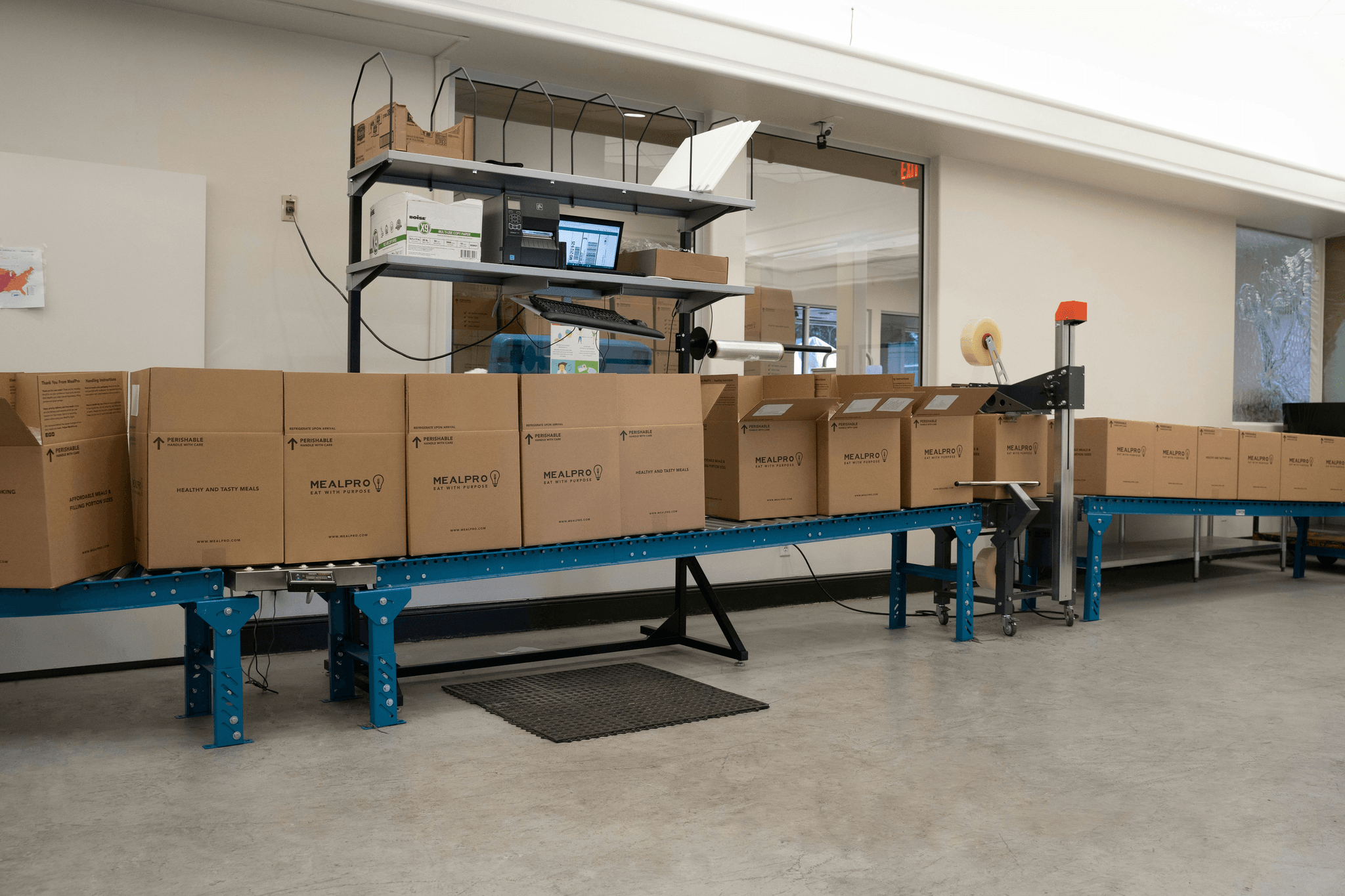
In today's competitive marketplace, robust Packaging Quality Control is not just a luxury—it's a necessity. Companies that prioritize quality assurance in their packaging processes stand to gain not only customer satisfaction but also brand loyalty. However, achieving effective quality control requires vigilance and an understanding of common pitfalls that can undermine even the best intentions.
The Importance of Robust Packaging Quality Control
Robust Packaging Quality Control ensures that products reach consumers in optimal condition, safeguarding both the product and the brand's reputation. When companies invest in comprehensive quality checks, they minimize the risk of defects that could lead to costly recalls or dissatisfied customers. This commitment to quality assurance reflects a company’s dedication to excellence and can set it apart in a crowded market.
Common Pitfalls in Quality Inspection
Despite its importance, many organizations fall prey to common pitfalls during their quality inspection processes. Relying too heavily on automated systems without adequate human oversight can lead to undetected flaws slipping through the cracks. Additionally, insufficient training for staff involved in quality control can result in inconsistent application of standards, ultimately compromising product integrity.
How to Ensure Compliance with Standards
To ensure compliance with industry standards, companies must establish clear protocols for their quality assurance efforts. Regular audits and employee training are crucial aspects of maintaining high-quality packaging practices and adhering to regulations. Furthermore, collaborating with experienced partners like China Inspection Pro can enhance your company’s ability to meet these standards effectively while streamlining the entire process control framework.
Visual Inspection

Visual inspection is a crucial step in the packaging quality control process, allowing companies to identify defects before their products reach consumers. This proactive approach not only saves time and resources but also protects brand reputation by ensuring that only high-quality products are delivered to the market. A well-executed visual quality inspection can significantly enhance overall quality assurance efforts, making it an indispensable part of any company's quality control strategy.
Spotting Defects Before They Reach Consumers
The primary goal of visual inspection in packaging quality control is to spot defects early in the production process. By identifying issues such as misprints, damaged materials, or incorrect labeling prior to distribution, companies can avoid costly recalls and customer complaints. Quality checks at this stage serve as a safety net, ensuring that consumers receive only the best products while maintaining high standards of quality assurance.
Importance of Aesthetic Quality Control
Aesthetic quality control goes beyond functionality; it plays a vital role in creating a positive first impression for consumers. Packaging that looks appealing not only attracts customers but also communicates brand values and professionalism. When companies prioritize aesthetic aspects during their quality inspection processes, they reinforce their commitment to excellence and enhance customer trust—an essential element for long-term success.
Tools to Aid Visual Quality Checks
To streamline visual inspections and improve accuracy in packaging quality control, various tools are available for use by quality assurance specialists. Items such as magnifying glasses, light tables, and color comparison charts can help detect subtle defects that may otherwise go unnoticed during routine checks. Moreover, integrating technology like digital cameras or image recognition software into the company’s process control can elevate the effectiveness of these visual inspections significantly.
Measurement Checks

In the realm of Packaging Quality Control, precise measurement checks are crucial for maintaining product integrity and ensuring customer satisfaction. Accurate dimensions and weight not only guarantee that products fit within their packaging but also play a significant role in shipping costs and compliance with regulations. Implementing rigorous quality checks during this phase can save companies from costly recalls and damaged reputations.
Ensuring Accurate Dimensions and Weight
Any discrepancies can lead to packaging that doesn't properly protect the product, resulting in potential damage during transit or handling. Companies must prioritize these measurements in their quality inspection processes to uphold standards and meet consumer expectations effectively.
Moreover, a focus on precise measurements enhances overall company quality control by minimizing waste associated with incorrect packaging sizes or weights. This diligence not only streamlines production but also fosters trust among partners, suppliers, and customers alike. After all, a well-measured package is often the first impression of your brand's commitment to quality.
Using Calipers and Weighing Scales
To achieve accurate measurements, utilizing tools like calipers and weighing scales is essential for any quality assurance specialist involved in Packaging Quality Control. Calipers allow for precise measurements of dimensions—be it length, width, or height—ensuring that every package meets required specifications down to the millimeter. Similarly, weighing scales provide critical data on product weight; any inaccuracies here can lead to significant issues downstream.
Incorporating these tools into regular quality checks ensures that companies maintain high standards throughout their production process. Not only does this promote operational efficiency through streamlined processes, but it also enhances customer satisfaction by delivering products as promised—all while keeping your brand reputation intact!
The Role of Tolerance Levels in Quality Assurance
Tolerance levels play a pivotal role in the realm of quality control within Packaging Quality Control frameworks. These predefined limits determine acceptable ranges for various measurements—allowing some leeway while still maintaining high-quality standards essential for compliance with industry regulations. Understanding these tolerance levels helps companies navigate potential pitfalls during the measurement process.
By establishing clear tolerance levels as part of their process control strategy, businesses can minimize errors associated with human judgment during inspections while maximizing consistency across production lines. This proactive approach not only bolsters confidence among stakeholders but also reinforces a culture committed to excellence throughout all aspects of operations—a hallmark of successful companies focused on effective quality assurance.
Material Verification
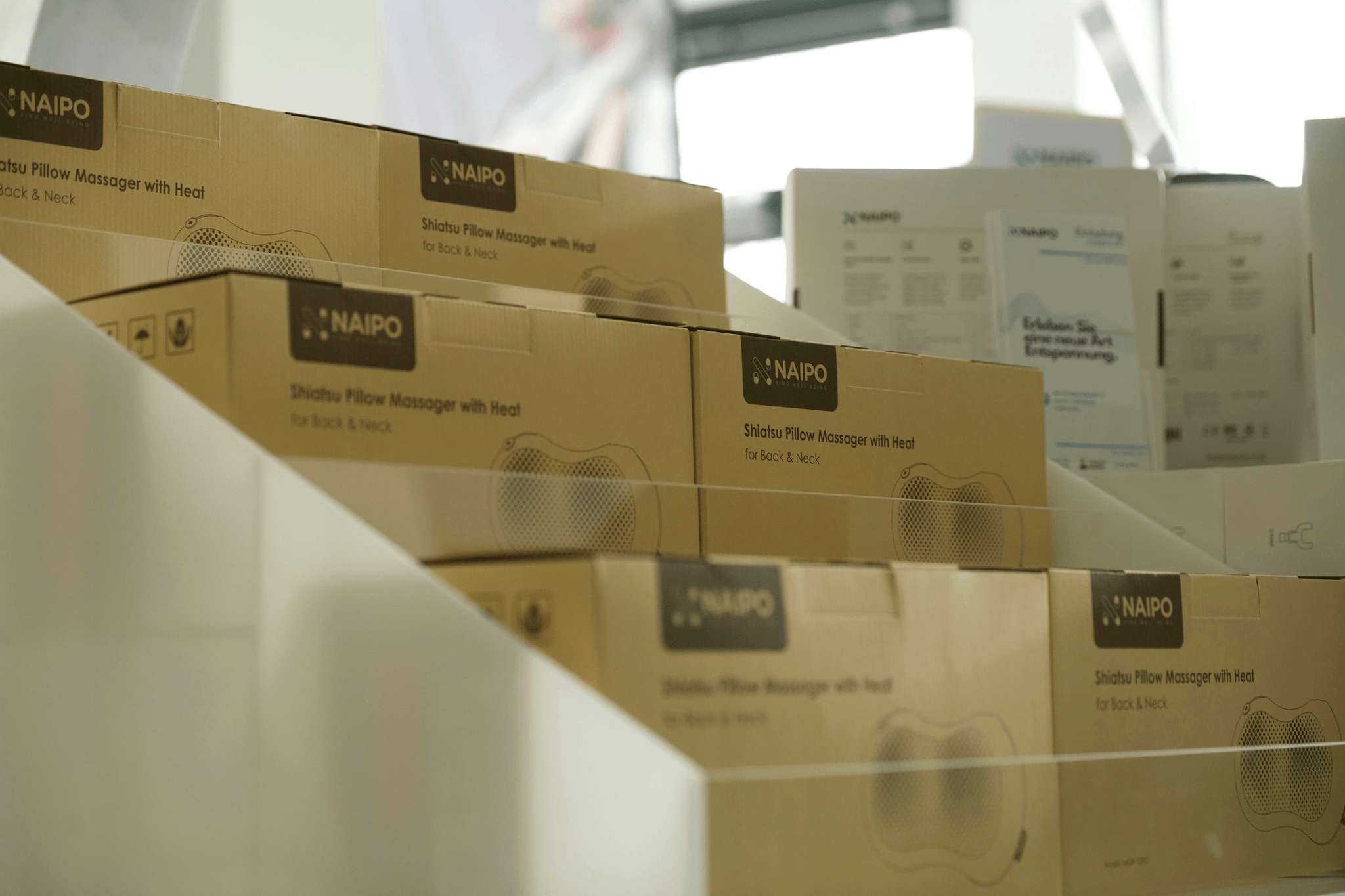
In the realm of Packaging Quality Control, material verification plays a crucial role in ensuring that the packaging not only protects the product but also meets consumer expectations. Selecting appropriate materials is paramount for maintaining quality assurance throughout the supply chain. A thorough understanding of material properties can significantly enhance company quality control efforts and help avoid costly errors down the line.
Identifying Appropriate Packaging Materials
Choosing the right packaging materials is essential for effective quality checks and overall product integrity. Factors such as weight, flexibility, moisture resistance, and recyclability should all be considered during this selection process to align with both regulatory standards and consumer preferences. By collaborating with a quality assurance specialist, companies can ensure they are utilizing materials that not only serve their purpose but also reflect their brand values.
Testing for Durability and Safety
Once suitable materials have been identified, rigorous testing is necessary to confirm their durability and safety under various conditions. This involves subjecting packaging to stress tests that simulate real-world scenarios like drops, temperature fluctuations, or exposure to moisture—ensuring that products remain safe from damage during transport and storage. Effective quality inspection procedures should include comprehensive assessments of these materials to guarantee they meet industry standards while providing peace of mind for consumers.
Collaborating with Suppliers for Quality Assurance
Collaboration with suppliers is vital in establishing a reliable process control system for material verification in Packaging Quality Control. Building strong relationships allows companies to gain insights into material sourcing practices while ensuring compliance with quality assurance protocols throughout the supply chain. Regular communication fosters transparency and helps maintain high-quality standards—ultimately leading to more effective quality checks that enhance brand reputation.
Functional Testing
Functional testing is a vital component of packaging quality control, ensuring that the packaging not only looks good but also performs effectively under real-world conditions. This stage is where the theoretical meets the practical; it’s about verifying that your packaging can withstand the rigors of transport and handling while maintaining product integrity. By implementing robust functional testing, companies can significantly enhance their overall quality assurance efforts.
Stress Testing for Product Protection
Stress testing involves subjecting packaging to extreme conditions to assess its durability and protective capabilities. This process helps identify weaknesses in materials or design before products reach consumers, thereby supporting effective quality control measures. A dedicated quality assurance specialist will often conduct these tests to ensure that every package can endure potential stresses during shipping and storage.
To perform stress tests effectively, various methods such as compression tests, drop tests, and vibration tests are employed. Each method simulates specific scenarios that packages may encounter in transit, revealing how well they can protect the product inside. Ultimately, thorough stress testing plays a crucial role in maintaining high standards of quality checks throughout the production process.
Simulating Transport and Handling Scenarios
Simulating transport and handling scenarios is essential for understanding how packages will perform in real-life situations. By recreating conditions such as rough handling or stacking during transportation, companies can gauge their packaging's effectiveness in protecting products from damage. This proactive approach enables businesses to refine their designs based on empirical data rather than assumptions.
During these simulations, various factors are considered—including weight distribution, environmental conditions like temperature changes, and humidity levels—which all affect packaging performance. Such comprehensive analysis not only enhances product safety but also boosts consumer confidence in a brand's commitment to quality assurance. Ensuring that your company’s quality control processes include these simulations will lead to better outcomes for both customers and manufacturers alike.
Role of Quality Inspection in Functional Control
Quality inspection plays an integral role in functional control by ensuring that all aspects of packaging meet established standards before reaching consumers. Regular inspections help identify any discrepancies early on—whether it's a flaw in material choice or an oversight during design—thus preventing costly recalls or customer complaints down the line. Incorporating rigorous quality checks into functional testing ensures that each package fulfills its intended purpose effectively.
Quality inspection teams monitor compliance with industry regulations while also aligning with company-specific benchmarks for excellence in packaging quality control. By prioritizing these inspections within your overall process control strategy, you set your brand up for long-term success through enhanced reliability and trustworthiness.
Compliance Testing
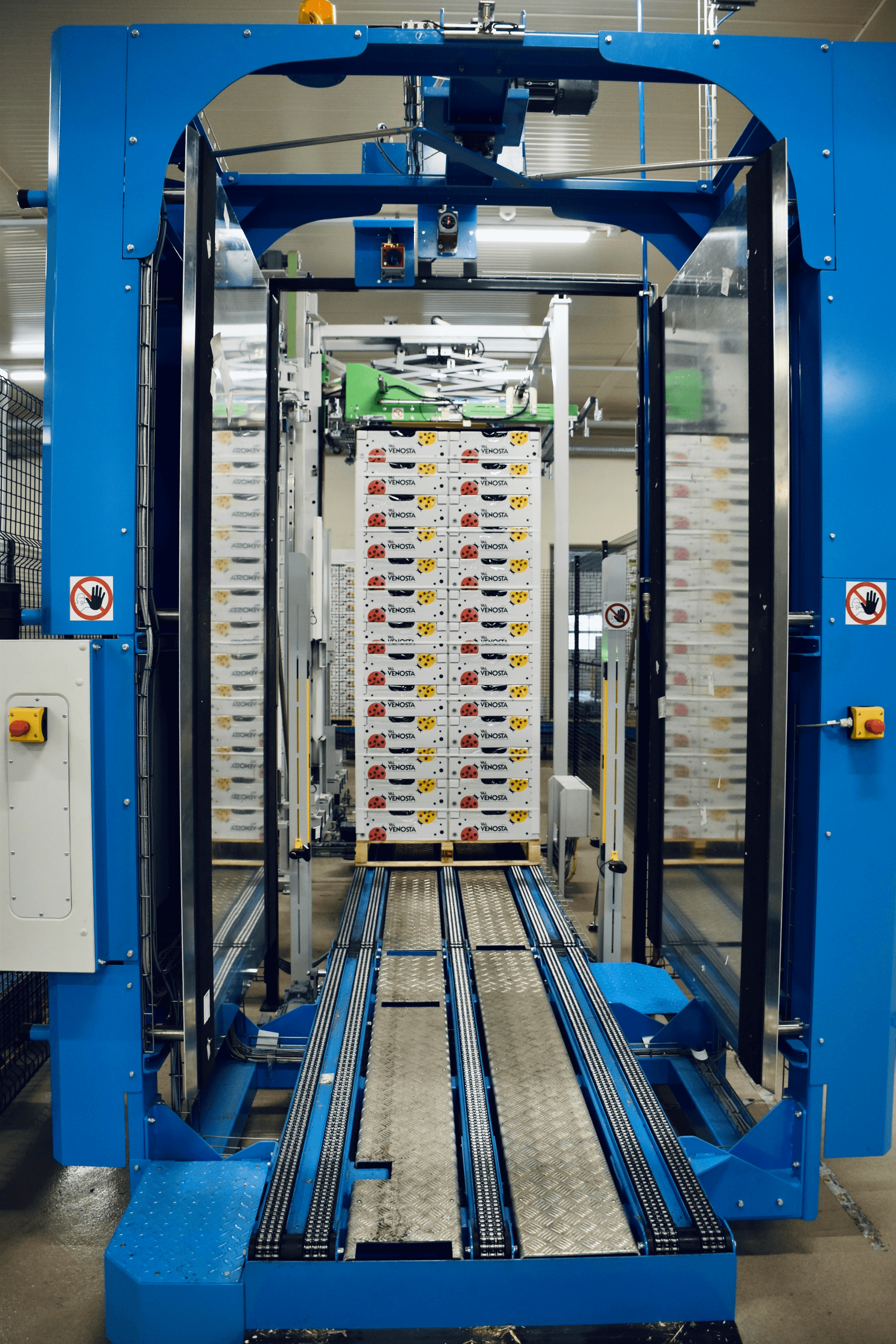
In the realm of Packaging Quality Control, compliance testing is an essential pillar that ensures products meet industry standards and regulations. This process not only protects consumers but also enhances brand reputation by demonstrating a commitment to quality assurance. When companies prioritize compliance, they can avoid costly recalls and legal issues while fostering trust with their customers.
Understanding Industry Standards and Regulations
Navigating the maze of industry standards and regulations is crucial for effective quality control in packaging. Organizations such as ASTM International, ISO, and various governmental bodies set forth guidelines that dictate everything from material safety to labeling requirements. Understanding these standards helps quality assurance specialists implement robust processes that guarantee compliance, ensuring products are safe for consumers and adhere to legal mandates.
Importance of Third-party Verification
Third-party verification acts as an impartial checkpoint in the quality inspection process, adding an extra layer of credibility to company quality control efforts. Engaging a reputable third-party firm can provide unbiased assessments of packaging materials and processes, which is invaluable for maintaining high-quality checks. This independent validation not only assures customers but also strengthens relationships with suppliers who are committed to delivering top-notch materials.
How China Inspection Pro Can Help
China Inspection Pro stands out as a leading service provider dedicated to enhancing Packaging Quality Control through its comprehensive suite of solutions tailored for global businesses. With a team of experienced quality assurance specialists, they offer thorough inspections that encompass all aspects of product packaging—from visual checks to functional testing—ensuring adherence to international standards. By partnering with China Inspection Pro, companies can streamline their process control efforts while gaining insights that drive continuous improvement in their overall quality assurance strategies.
Conclusion
In the realm of packaging, effective quality control is not just a checkbox on a list; it’s the backbone of a successful product launch. Companies that prioritize robust quality assurance practices can avoid costly mistakes and enhance their market reputation. By implementing comprehensive quality inspection methods, businesses can ensure their products meet both consumer expectations and regulatory standards.
Key Takeaways for Quality Control Success
To excel in packaging quality control, organizations must focus on a multi-faceted approach that includes visual inspections, measurement checks, and functional testing. Each component plays a critical role in identifying defects early in the process, thereby reducing waste and increasing efficiency. Remember, consistency in quality checks leads to improved product reliability and customer satisfaction.
Elevating Brand Trust Through Quality Assurance
Trust is earned through consistent delivery of high-quality products. When companies invest in rigorous quality assurance processes, they not only meet industry standards but also foster consumer confidence in their brand. A strong reputation for quality can set a company apart from its competitors and lead to increased loyalty among customers.
Next Steps for Enhanced Quality Checks
As you move forward with your packaging strategy, consider collaborating with experienced quality assurance specialists who can guide you through complex regulations and best practices. Investing in advanced tools for measurement checks and material verification will streamline your process control efforts significantly. Finally, don’t forget to routinely reassess your current systems to adapt to new challenges in the ever-evolving landscape of packaging quality control.