
Introduction
In today’s competitive manufacturing landscape, a Sustainable Warehouse isn’t just a buzzword — it’s a strategic necessity. Prioritizing energy efficiency and eco-friendly logistics practices can dramatically reduce operational costs while boosting your brand's green credentials. With the right warehouse management systems (WMS) and optimal warehouse design, manufacturers can create a more resilient, cost-effective supply chain that benefits both the planet and the bottom line.
Why a Sustainable Warehouse Matters for Manufacturers
A sustainable warehouse is essential for manufacturers aiming to meet rising environmental standards and consumer expectations. Incorporating eco-friendly practices into your warehouse operations demonstrates corporate responsibility and can lead to significant cost savings over time. By focusing on sustainability, manufacturers not only improve their reputation but also ensure compliance with future regulations, making their operations more resilient in an evolving marketplace.
Benefits of Eco-Friendly Logistics Practices
Implementing eco-friendly logistics practices—such as using LED lighting and optimizing space—can lead to remarkable reductions in energy consumption and waste. These sustainable initiatives often translate into lower utility bills and less reliance on non-renewable resources, ultimately enhancing profitability. Plus, adopting green practices positions your brand as an industry leader committed to environmental stewardship, which appeals to increasingly eco-conscious customers.
How Energy Efficiency Can Boost Profitability
Prioritizing energy efficiency within your warehouse operations directly impacts your profit margins by lowering operational expenses through reduced energy costs. Upgrading to LED lighting solutions is one of the simplest yet most effective ways to achieve this goal while improving visibility and safety in your facility. When combined with smart warehouse management systems (WMS) that streamline processes, energy-efficient strategies turn your warehouse into a leaner, greener powerhouse — all without sacrificing productivity.
Assessing Your Current Warehouse Setup
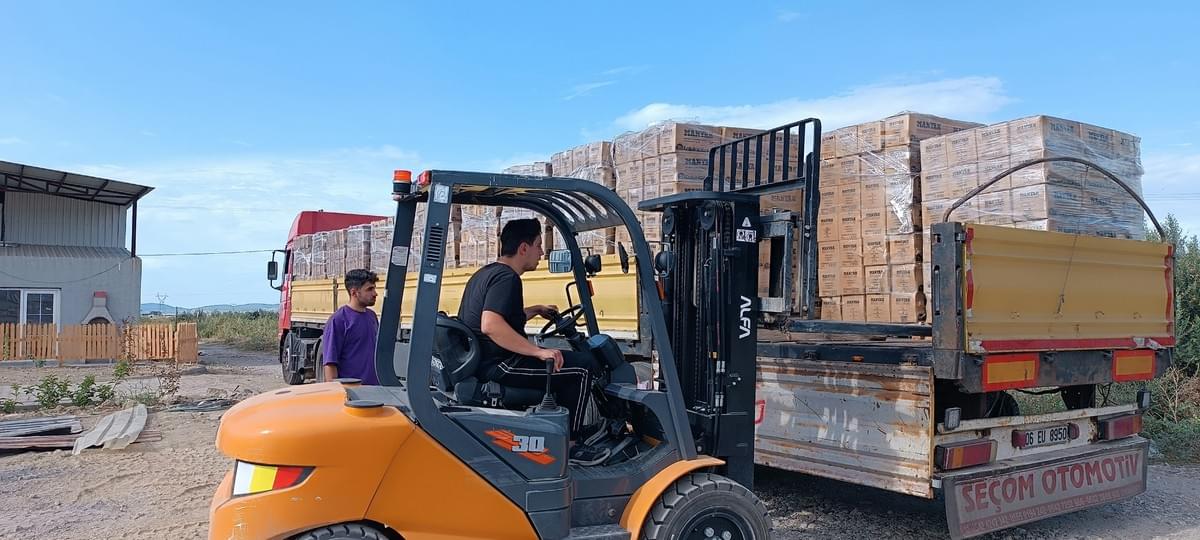
Before diving into upgrades, it’s crucial to take a hard look at your existing warehouse operations. Conducting a thorough sustainability audit helps identify where your current setup might be falling short of eco-friendly standards and highlights opportunities for improvement. This process sets the foundation for transforming your space into a truly sustainable warehouse that prioritizes energy efficiency and operational excellence.
A key part of evaluating your warehouse involves scrutinizing how energy is consumed across different zones. Look for areas where energy-draining equipment or outdated lighting systems are still in use, especially those that could benefit from modern solutions like LED lighting and smarter warehouse management systems (WMS). By pinpointing these inefficiencies, you can develop targeted strategies that maximize energy savings while supporting optimal warehouse design principles.
When assessing your existing warehouse management systems (WMS), consider whether they are equipped to support sustainability goals. An effective WMS can automate inventory tracking, optimize space utilization, and reduce waste—all vital components of a sustainable warehouse. Upgrading or integrating new WMS technologies not only streamlines operations but also reinforces your commitment to prioritizing energy efficiency and creating an eco-friendly logistics environment.
[Image description=warehouse interior with LED lighting, energy-efficient shelving, digital screens displaying data, workers using tablets for inventory management, eco-friendly signage, organized storage areas, clean floors], Image name=warehouse_sustainability_assessment, Alt tag=A sustainable warehouse with LED lighting and efficient management system
Implementing Optimal Warehouse Design
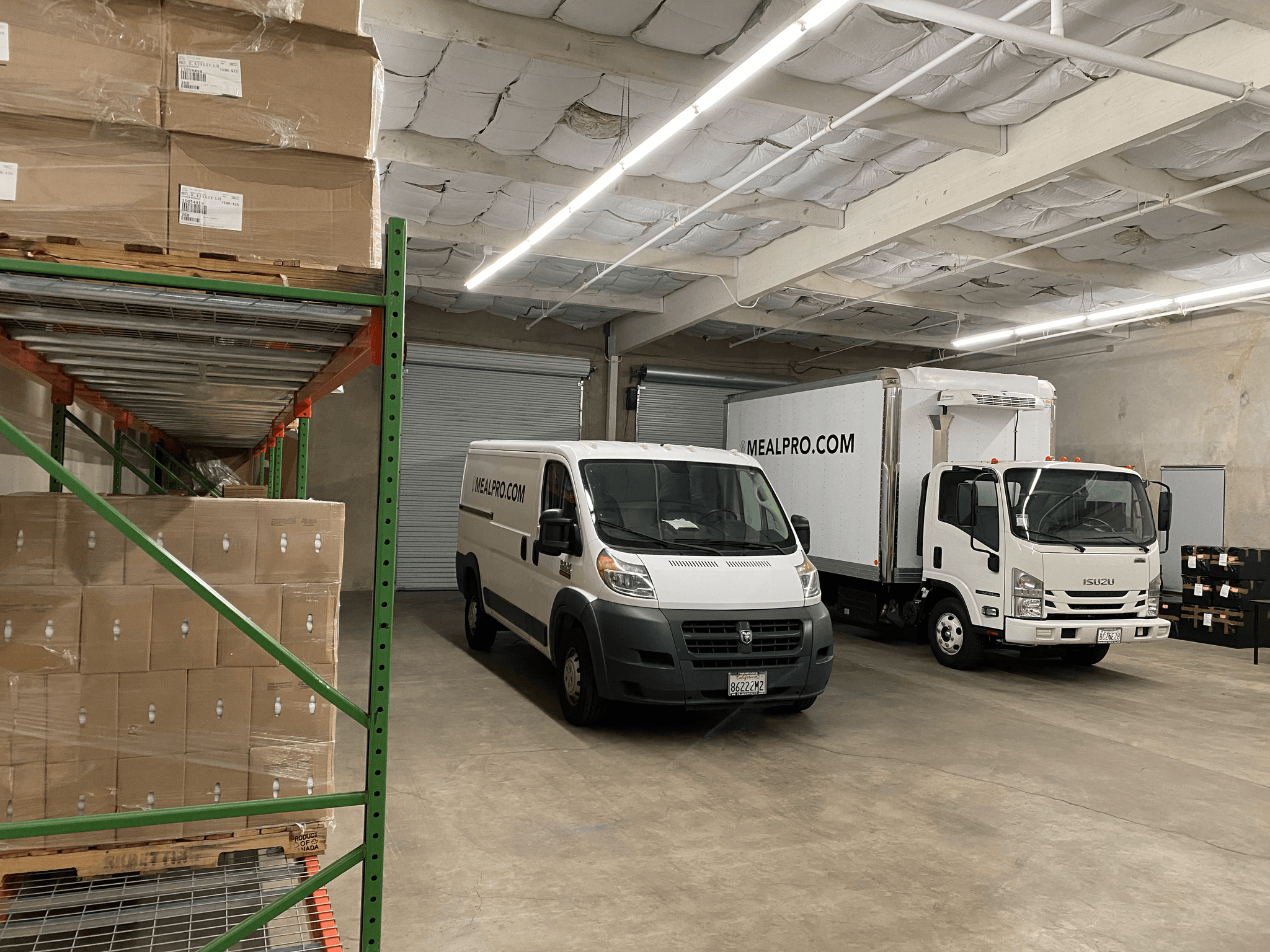
Creating a sustainable warehouse isn’t just about stacking shelves; it’s about designing a space that champions efficiency, flexibility, and eco-friendliness. An optimal warehouse design integrates sustainable practices with innovative layouts to reduce energy consumption and streamline operations. By focusing on these elements, manufacturers can build a facility that not only meets today’s needs but also adapts to future demands while emphasizing the importance of energy efficiency and sustainability.
Designing for Efficiency and Flexibility
The foundation of a sustainable warehouse begins with thoughtful design that prioritizes efficiency and flexibility. Incorporating modular layouts allows for easy reconfiguration as inventory needs change, reducing waste and unnecessary renovations. Using smart zoning within the warehouse ensures that high-traffic areas are optimized for quick access, minimizing energy use through strategic placement—think LED lighting illuminating only where needed, not the entire space at once.
Flexibility in design also means considering future growth or shifts in product lines, which aligns perfectly with the goals of a sustainable warehouse. When you plan for scalability, you avoid costly overhauls that drain resources and energy. Integrating Warehouse Management Systems (WMS) early on helps manage this adaptability seamlessly, ensuring your facility remains efficient regardless of operational changes.
Incorporating Structural Sustainability
Structural sustainability is more than just using eco-friendly materials; it’s about creating a durable framework that supports long-term operational efficiency. Utilizing sustainable building materials like recycled steel or low-impact concrete reduces environmental footprints while enhancing structural integrity. A well-designed structure minimizes thermal bridging and maximizes insulation—key factors when prioritizing energy efficiency—which significantly cuts down heating and cooling costs.
Incorporating green building standards such as LEED certification can elevate your sustainable warehouse to new heights of eco-consciousness. These standards encourage features like natural daylighting—supplemented by LED lighting solutions—and rainwater harvesting systems to further reduce resource consumption. The goal is to build an environment where every element contributes to reducing overall energy use without compromising safety or functionality.
Leveraging Technology for Space Optimization
Technology is the secret sauce in crafting an optimal warehouse design that maximizes space while minimizing waste—both physical and energetic. Advanced Warehouse Management Systems (WMS) play a pivotal role here by intelligently directing storage locations based on product turnover rates, reducing unnecessary movement and clutter. When combined with real-time data analytics, WMS can identify underutilized areas or bottlenecks—helping you redesign workflows with minimal disruption.
Moreover, integrating automation tools like conveyor belts or robotic pickers enhances space utilization by streamlining processes without expanding your footprint unnecessarily. Pairing these innovations with LED lighting solutions ensures illumination is focused precisely where needed—cutting down on wasted electricity—and demonstrates how prioritizing energy efficiency aligns perfectly with optimal warehouse design principles.
Prioritizing Energy Efficiency with LED Lighting
In the quest for a truly sustainable warehouse, prioritizing energy efficiency is non-negotiable. Transitioning to LED lighting solutions not only illuminates your space more brightly but also significantly reduces energy consumption. This move is a crucial step toward building a sustainable warehouse that aligns with eco-friendly logistics practices and enhances overall operational efficiency.
Transitioning to LED Lighting Solutions
Switching over to LED lighting is like giving your warehouse a breath of fresh, eco-friendly air. It involves replacing traditional incandescent or fluorescent fixtures with modern LEDs that consume far less power and last much longer. Incorporating LED lighting into your optimal warehouse design ensures that every corner is well-lit without draining your energy resources, making it an essential part of sustainable warehousing strategies.
Benefits of LED for Energy Savings
The benefits of LED lighting extend beyond just lower electricity bills; they play a pivotal role in prioritizing energy efficiency within your warehouse management systems (WMS). LEDs emit less heat, reducing cooling costs and creating a more comfortable environment for staff and equipment alike. This energy-efficient approach not only supports your sustainability goals but also boosts profitability by cutting down on operational expenses—truly a win-win scenario.
Real-World Examples of LED Implementation
Many forward-thinking warehouses have already embraced LED technology as part of their sustainable warehouse initiatives. For instance, some have integrated smart WMS-controlled lighting systems that adjust brightness based on occupancy or time of day, maximizing energy savings further. These real-world examples showcase how prioritizing energy efficiency through LED lighting can transform a conventional storage facility into an eco-conscious powerhouse—proof that sustainability pays off in both reputation and bottom line.
Leveraging Warehouse Management Systems Effectively
Maximizing the potential of a Sustainable Warehouse hinges on selecting the right Warehouse Management System (WMS). An optimal warehouse design incorporates WMS solutions that align with sustainability goals, enabling more efficient inventory control, reduced waste, and streamlined operations. When choosing a WMS, prioritize platforms that offer energy monitoring features and support integration with other eco-friendly technologies like LED lighting systems to enhance overall energy efficiency.
Automating processes through a well-integrated WMS is a game-changer for reducing unnecessary waste and optimizing resource use. For instance, automating order picking and stock replenishment minimizes errors and excess inventory, directly contributing to a more sustainable warehouse environment. By prioritizing energy efficiency within your WMS workflows, you can significantly lower operational costs while reinforcing your commitment to building a greener manufacturing footprint.
Integrating your Warehouse Management System with energy monitoring tools is essential for maintaining an eco-conscious operation. This synergy allows real-time tracking of energy consumption across various zones—like LED lighting—making it easier to identify inefficiencies and implement corrective actions promptly. Such integration supports continuous improvement in your Sustainable Warehouse, ensuring every aspect of the facility contributes to long-term environmental goals.
Collaborating with Quality Inspection Experts
Partnering with the right inspection experts can be a game-changer for your Sustainable Warehouse initiatives. These specialists help ensure that both your products and processes meet high standards, reducing waste and boosting efficiency. When you prioritize energy efficiency and sustainable practices during inspections, it becomes easier to identify areas where the warehouse design or management systems (WMS) can be optimized for better environmental performance.
Effective collaboration with inspection professionals also supports continuous improvement in your Sustainable Warehouse. They provide valuable insights into material handling, storage methods, and packaging that align with eco-friendly goals. Incorporating their feedback helps refine your operational strategies, making energy-efficient measures like LED lighting even more impactful while reinforcing the importance of optimal warehouse design.
Using inspection data wisely allows you to track progress toward sustainability targets and identify opportunities for further enhancements. For example, data on product quality and process consistency can highlight inefficiencies in space utilization or energy consumption within your warehouse management systems (WMS). This way, you can fine-tune your operations—improving not just product quality but also reducing environmental footprint through smarter design choices.
Sustainable Material Handling and Storage
Creating a truly sustainable warehouse isn’t just about energy-efficient lighting or smart tech; it also hinges on how you handle and store materials. Eco-friendly racking and shelving systems are game changers, reducing the environmental footprint while maximizing space. By choosing sustainable storage solutions, your warehouse management systems (WMS) can seamlessly coordinate inventory, minimize waste, and support your long-term sustainability goals.
Incorporating eco-friendly racking not only boosts the overall efficiency of an optimal warehouse design but also aligns with the broader mission of building a Sustainable Warehouse. These racks are often made from recycled materials or sustainably sourced timber, which helps reduce resource depletion. When combined with prioritizing energy efficiency, like integrating LED lighting—your warehouse becomes a shining example of green practices that benefit both the planet and your bottom line.
Reducing packaging waste is another vital component of a sustainable warehouse strategy. Implementing reusable or biodegradable packaging options can significantly cut down on landfill contributions. Your Warehouse management systems (WMS) can track packaging usage patterns, identify areas for waste reduction, and automate alerts for reordering eco-friendly supplies, making sustainability an effortless part of daily operations.
Recycling initiatives complete the circle by ensuring materials like plastics, cardboard, and metals are properly sorted and repurposed within your facility. A well-designed recycling program supports your goal of creating a sustainable warehouse environment where every item is given a second life. Leveraging WMS to monitor recycling metrics not only keeps your operations lean but also demonstrates your commitment to environmental responsibility—an essential trait for modern manufacturers aiming for eco-conscious credibility.