
Introduction
Ensuring accurate finished goods quantity before shipment is the backbone of a smooth supply chain. Mistakes in counting can lead to over- or under-delivery, causing delays, customer dissatisfaction, and financial losses. That’s why meticulous checks—like counting each piece one-by-one—are essential to confirm that the units and carton weight align perfectly with order specifications.
Accurate counting isn’t just about tallying items; it’s about defining the inner volume of each carton and verifying that no items are missing or damaged. When you check finished goods quantity thoroughly, you prevent discrepancies that could disrupt your inventory records or lead to costly rework. Precision in this process ensures every carton contains exactly what it should, making the entire supply chain more efficient and reliable.
Partnering with trusted quality inspection services like China Inspection Pro adds an extra layer of confidence. They help validate that the count of finished goods matches what’s documented, providing detailed reports that confirm your products meet quality and quantity standards. This combination of diligent manual checks and professional verification guarantees peace of mind for manufacturers and clients alike.
Manual Counting Techniques
When it comes to check finished goods quantity, manual counting remains a tried-and-true method that adds a layer of confidence before shipment. This technique involves counting each piece, one-by-one, to ensure no item slips through the cracks. While it might seem old school, meticulous manual counting helps verify units and carton weight, making sure everything aligns perfectly with the packing list.
To improve accuracy during check finished goods quantity, using standardized counting sheets is essential. These sheets serve as a reliable reference point for staff to record each counted item systematically. They also help prevent mistakes by providing a clear record of what has been checked, especially when verifying units and carton weight for consistency across multiple cartons.
Another critical aspect of manual counting is defining the inner volume of each carton beforehand. Knowing this helps workers anticipate how many units should fit comfortably inside without risking overstuffing or leaving empty space. When combined with careful counting each piece, one can easily identify discrepancies such as missing items or overpacked cartons during the check finished goods quantity process.
Technological Solutions for Quantity Checks
In today’s fast-paced supply chain, relying solely on manual methods to check finished goods quantity can lead to errors and delays. Implementing advanced technological solutions helps streamline the process, ensuring each carton’s contents are accurately counted. From barcode scanning to weight sensors, these tools help verify units and carton weight efficiently, reducing human error and increasing confidence in the final tally.
One of the most effective ways to check finished goods quantity is through barcode and QR code scanning. These codes encode detailed information about each product, allowing operators to quickly verify counts without counting each piece manually. When you scan a barcode or QR code, it instantly confirms whether the number of units matches the expected count, helping define the inner volume of each carton accurately. This method minimizes discrepancies caused by miscounts during manual counting each piece, especially when dealing with large quantities.
Automated counting systems like Zebra or Cognex are game-changers in ensuring precise quantity checks. These systems use high-speed cameras and image processing technology to count items at lightning speed, drastically reducing human error. By integrating these systems into your packaging line, you can verify units and carton weight simultaneously — a crucial step for defining the inner volume of each carton—without slowing down operations. Automated solutions also facilitate real-time monitoring, making it easier to spot inconsistencies early on.
Leveraging weight sensors and load cells embedded in packaging lines offers another layer of accuracy when checking finished goods quantity. These sensors measure the total weight of cartons as they move along the line, providing immediate feedback on whether units match expected weights based on defined standards. This approach helps define the inner volume of each carton more precisely by cross-referencing weight data with unit counts—ensuring no item is missing or overpacked—and prevents overweight or underweight issues that could compromise quality assurance.
Physical Inspection Procedures

When it comes to check finished goods quantity, a thorough physical inspection is indispensable. This process involves defining the inner volume of each carton to ensure that the number of units aligns with packing expectations. By clearly establishing the inner volume, you can prevent overstuffing or underfilling, which directly impacts the accuracy of your count when counting each piece, one-by-one.
During inspection, it’s crucial to check for missing or damaged items that could throw off your check finished goods quantity. Damaged goods or missing units often go unnoticed without meticulous physical checks, leading to discrepancies in total counts. Cross-verifying with packing lists and purchase orders helps confirm that every unit accounted for matches what was originally ordered and packed, reinforcing accurate check finished goods quantity.
Finally, verifying units and carton weight plays a vital role in this process. Consistent weight checks help identify if cartons are underfilled or overfilled, which could indicate missed items or excess packaging. Defining the inner volume of each carton beforehand makes it easier to spot inconsistencies during manual checks and ensures that your count remains reliable and precise.
Quality Inspection and Third-Party Verification
To truly check finished goods quantity with confidence, partnering with certified inspection services like China Inspection Pro is a smart move. These experts bring a keen eye for detail and ensure that every carton aligns with the actual count, reducing the risk of discrepancies. Their team meticulously inspects sample units, verifying that each piece has been counted correctly—whether counting each piece one-by-one or confirming that units and carton weight match the documented figures.
Inspecting sample units is an essential step in final quality assurance, especially when it comes to checking finished goods quantity. By defining the inner volume of each carton beforehand, inspectors can accurately determine whether the contents are complete or if some items are missing or damaged. This process involves cross-verifying actual counts against packing lists and purchase orders to ensure everything checks out before shipment leaves the warehouse.
Generating comprehensive inspection reports is vital for transparency and accountability in confirming finished goods count. These reports detail how many units were counted, whether any cartons exceeded weight limits, and if the inner volume was correctly defined during packing. Such documentation not only provides peace of mind but also serves as proof that quality inspection by third parties like China Inspection Pro has thoroughly checked finished goods quantity—eliminating surprises at customs or upon delivery.
Best Practices for Accurate Finished Goods Count
Implementing best practices is essential to check finished goods quantity accurately and avoid costly errors. Establishing clear procedures ensures everyone understands how to count each piece, one-by-one, and verify units and carton weight effectively. By defining the inner volume of each carton, teams can prevent overpacking or underfilling, which directly impacts the accuracy of finished goods counts.
Establishing Standard Operating Procedures
Creating detailed SOPs helps streamline the process of check finished goods quantity at every stage of packing and shipping. These procedures should specify how to count each piece, one-by-one, ensuring no item is missed during the tally. Including guidelines on verifying units and carton weight guarantees consistency across different shifts and personnel.
Training Staff on Counting and Inspection Protocols
Training staff thoroughly on counting each piece, one-by-one, minimizes human error when checking finished goods quantity. Employees must understand how to define the inner volume of each carton accurately to detect discrepancies early. Regular refresher courses on inspection protocols also reinforce the importance of verifying units and carton weight during routine checks.
Incorporating Real-Time Monitoring and Record-Keeping
Real-time monitoring systems can track progress as staff check finished goods quantity, providing instant feedback if inconsistencies arise. Recording data on units counted, carton weights, and inner volume definitions creates a reliable audit trail for future reference. This practice ensures that every step in verifying check finished goods quantity is documented meticulously for quality assurance.
Common Pitfalls and How to Avoid Them
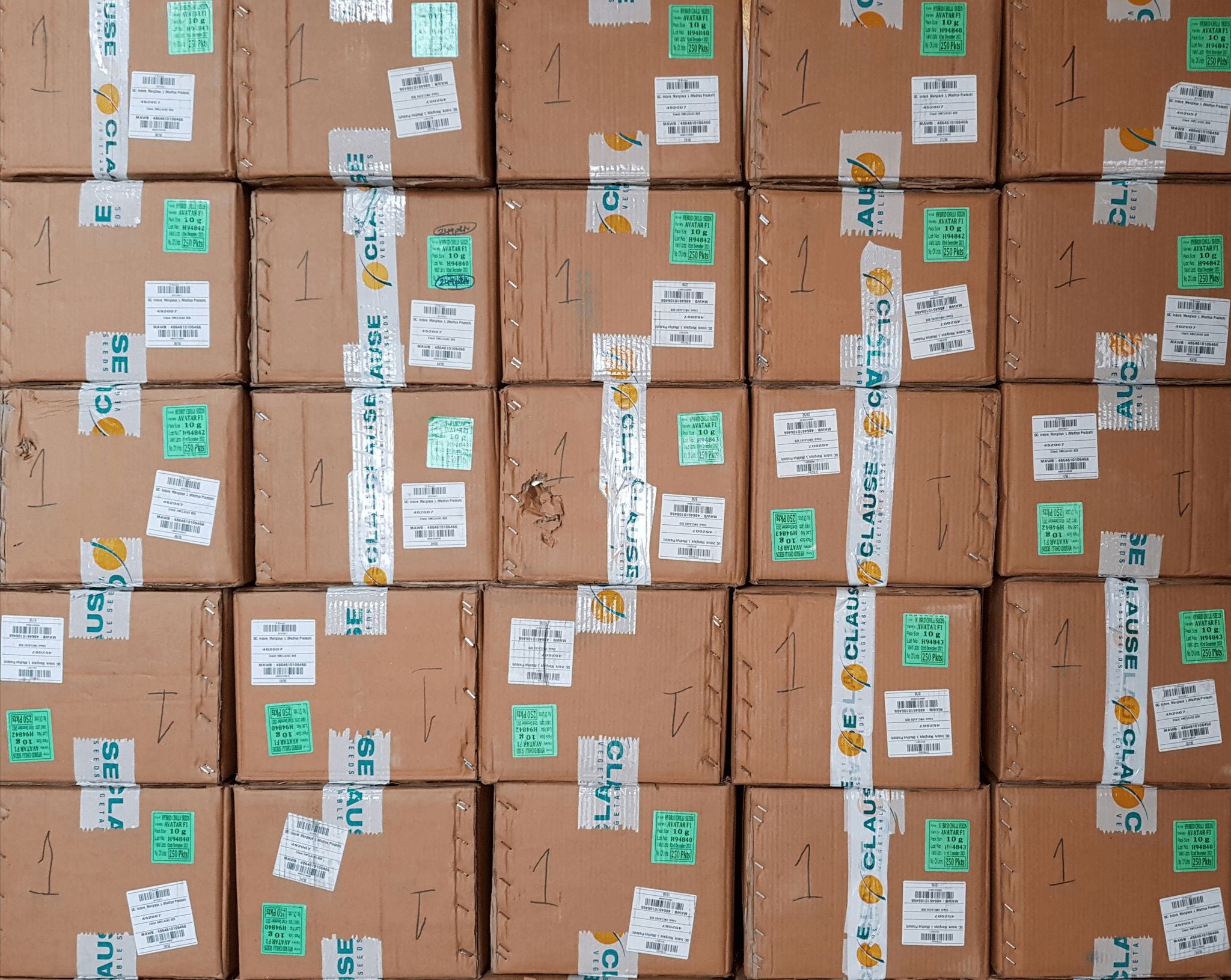
Even the most meticulous processes can stumble if you’re not careful. One of the biggest pitfalls in check finished goods quantity is human error during manual counting. Counting each piece, one-by-one, sounds straightforward but can turn into a counting chaos when fatigue or distraction sets in. To prevent this, establish a double-check system where two staff members verify counts independently, reducing the chances of mistakes slipping through.
Another common issue is failing to accurately monitor units and carton weight, which can lead to overweight or underweight cartons that throw off your entire inventory. Relying solely on visual estimates or rough calculations when checking finished goods quantity often results in discrepancies that ripple through your supply chain. Implementing precise scales and regularly verifying units and carton weight ensures consistency and helps you define the inner volume of each carton more accurately.
Addressing packaging defects and ensuring the correct inner volume of each carton is also crucial for avoiding costly errors. When cartons are improperly packed or damaged, it’s easy to mischeck finished goods quantity, leading to missing items or excess stock. Regularly inspecting cartons for defects and defining the inner volume of each carton beforehand allows your team to catch issues early before they impact overall accuracy.
Conclusion
Ensuring an accurate check finished goods quantity is the backbone of customer satisfaction and operational success. By meticulously counting each piece, one-by-one, companies can drastically reduce errors and avoid costly discrepancies. When you define the inner volume of each carton and verify units and carton weight, you build a reliable foundation for precise inventory management.
Combining manual counting techniques with automated solutions creates a robust system that enhances reliability in checking finished goods quantity. Manual methods like counting each piece, one-by-one, are essential for accuracy but are complemented by barcode scans and weight sensors that speed up the process. This dual approach ensures that no unit slips through the cracks while maintaining high standards of quality control.
Partnering with professional inspection services such as China Inspection Pro takes this process to the next level. They perform thorough inspections, including verifying units and carton weight, to confirm your finished goods count is spot on. Defining the inner volume of each carton during inspections helps prevent overpacking or underpacking issues—key factors in delivering what your customers expect every time.