
Introduction
When it comes to traveling, nobody wants their Bags and Suitcases Inspection to turn into a baggage nightmare. Proper inspection ensures that your luggage can withstand the rigors of travel, from rough handling to unexpected impacts. By understanding what goes into professional quality testing, travelers can rest assured their belongings are protected and durable.
Why Bags and Suitcases Inspection Matters
Bags and Suitcases Inspection is crucial because it directly impacts the longevity and reliability of your travel gear. Without thorough testing like load test, jerk test, or abuse test, even the sturdiest-looking luggage might falter under pressure. Investing in comprehensive inspection means fewer surprises at the baggage claim and more confidence in your travel companion.
Ensuring Durability Through Rigorous Testing
Rigorous testing methods such as fatigue test, item drop test, and structural assessments are designed to simulate real-world stresses that bags endure daily. These tests reveal weaknesses before they become costly repairs or replacements, ensuring your luggage can survive repeated use over time. When you opt for professional bags and suitcases inspection, you're choosing peace of mind knowing your luggage has been put through its paces.
What to Expect from Professional Quality Inspection
A top-tier bags and suitcases inspection involves a series of targeted tests including load test for weight capacity, jerk test for shock absorption, and abuse test for resistance against impacts or piercing objects. Expect meticulous evaluations that assess handle strength, wheel durability, zipper resilience, and overall structural integrity. This comprehensive process guarantees that only high-quality luggage reaches your hands—ready to face whatever journey lies ahead.
Load Test for Bags and Suitcases
When it comes to Bags and Suitcases Inspection, the load test is a critical step to ensure your luggage can handle the bumps and bruises of travel. This test simulates real-world pressure by applying weight loads that mimic heavy luggage, helping identify potential weak points before they become a problem. By conducting a thorough load test, manufacturers and inspectors can guarantee that each bag or suitcase maintains its integrity under stress, giving travelers peace of mind.
Simulating Heavy Luggage Pressure
During the load test phase of Bags and Suitcases Inspection, heavy pressure is simulated by stacking weights or applying force to mimic the weight of fully packed luggage. This process reveals how well the bag's material and structure can withstand intense pressure without deforming or breaking. It's an essential part of quality control that ensures your suitcase won't buckle under the weight of your essentials or burst open during transit.
Checking Handle and Wheel Strength
Handles and wheels are often the first components to fail under stress, making their strength a top priority in load testing. In this stage, inspectors apply force to handles to verify they won’t snap off when pulled with force or during rough handling scenarios tested in Bags and Suitcases Inspection. Similarly, wheels are tested for durability by rolling over uneven surfaces or applying lateral pressure—if they wobble or break, it's back to the drawing board for manufacturers.
Verifying Structural Integrity Under Weight
The structural integrity of a bag or suitcase is put through rigorous testing by applying sustained weights across different points on its surface. During this process, inspectors look for signs of warping, cracking, or seam failure—key indicators that might cause issues later on. A comprehensive load test ensures that every component—from zippers to corners—can handle long-term use without succumbing to stressors encountered in everyday travel.
Jerk Test to Assess Shock Absorption

The Jerk Test is a crucial part of Bags and Suitcases Inspection, designed to mimic the rough handling your luggage might endure during travel. This test subjects the suitcase to sudden movements and shocks, revealing how well it can absorb impact without damage. Conducting a thorough load test before the jerk test ensures that every component, from handles to wheels, can withstand real-world stress.
Mimicking Rough Handling Scenarios
In this phase of Bags and Suitcases Inspection, the suitcase is subjected to abrupt jolts and quick pulls that simulate baggage handlers tossing or dropping luggage unexpectedly. The goal is to see if the bag’s structure holds up under unpredictable forces, preventing contents from spilling or breaking inside. A good jerk test can save travelers from the frustration of broken zippers or cracked shells after just one rough trip.
Testing Frame Flexibility and Resilience
During the jerk test, flexibility is key—rigid frames might crack under pressure while overly soft materials could deform too easily. This part of Bags and Suitcases Inspection assesses whether the suitcase’s frame can bend slightly without losing integrity, ensuring durability over multiple trips. It’s all about striking that perfect balance between sturdiness and flexibility, verified through rigorous load testing.
Ensuring Suitcases Survive Sudden Movements
The ultimate aim of this phase in Bags and Suitcases Inspection is confirming that suitcases survive sudden jerks or drops without compromising their protective qualities. Whether it’s a quick tug on a handle or an accidental drop onto concrete, these tests verify resilience against unexpected movements during transit or storage. When done correctly as part of comprehensive inspection procedures like abuse tests and item drop tests, travelers can trust their luggage will keep their belongings safe no matter what chaos occurs en route.
Fatigue Test for Long-Term Durability
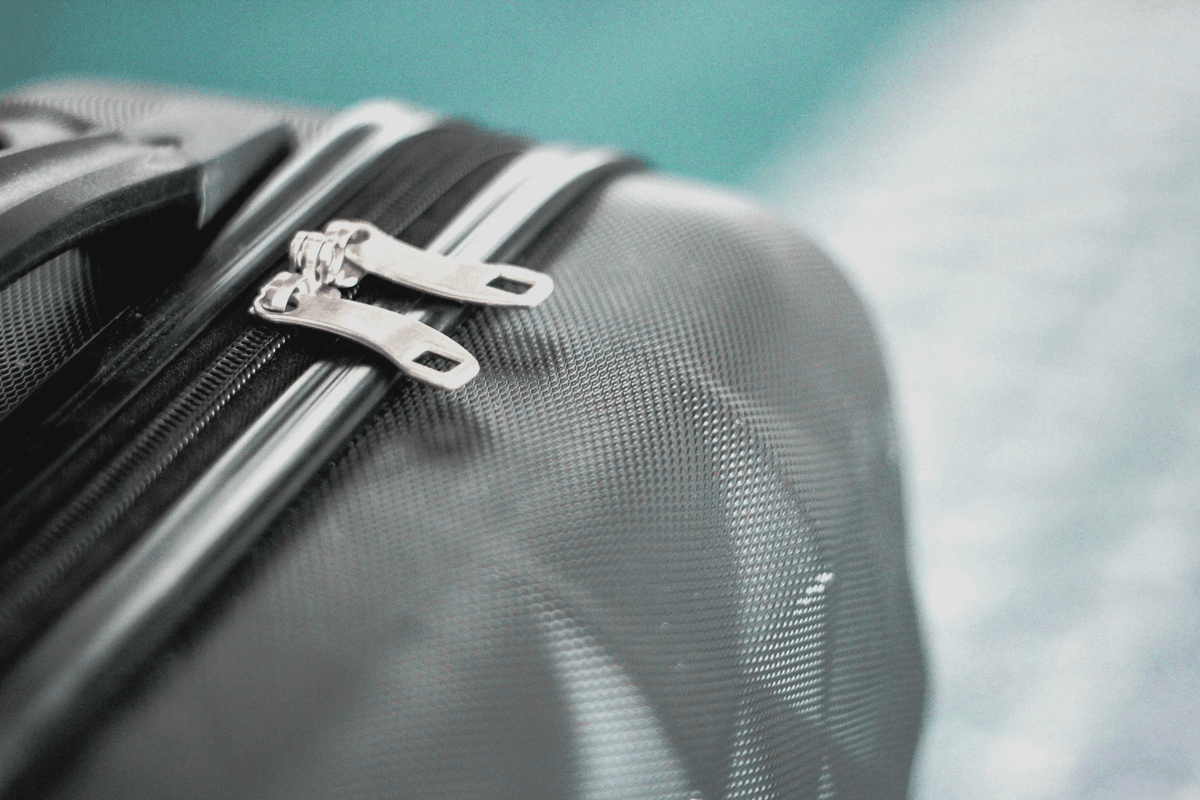
The fatigue test is a crucial part of Bags and Suitcases Inspection, designed to mimic the wear and tear these travel companions endure over time. By simulating repeated opening and closing cycles, this test assesses how well the product holds up after countless uses. It’s not just about passing the load test; it’s about ensuring your luggage remains reliable season after season.
Repeated Opening and Closing Cycles
During this phase of Bags and Suitcases Inspection, the suitcase or bag undergoes thousands of open-close cycles to replicate real-world usage. This process reveals whether zippers, handles, or clasps will break down prematurely under normal handling conditions. A high-quality fatigue test guarantees that your luggage can withstand daily routines without losing its charm—or functionality.
Assessing Material Wear Over Time
Beyond just hinges and zippers, the fatigue test scrutinizes how materials like fabric, plastic, or leather age with repeated stress. Over time, even durable fabrics can fray or weaken if not properly tested during Bags and Suitcases Inspection. This step ensures that every component—be it lining or outer shell—can survive long-term use without showing signs of early deterioration.
Confirming Longevity of Zippers and Seams
Zippers are often the first to give in when luggage faces constant abuse; hence, their endurance is vital in any comprehensive Bags and Suitcases Inspection. Seams must also hold firm through countless openings and closings without unraveling or splitting apart. Confirming these details during fatigue testing provides peace of mind that your travel gear will stay intact on every journey.
Abuse Test to Evaluate Damage Resistance
When it comes to Bags and Suitcases Inspection, the abuse test is a critical step to ensure your luggage can withstand the chaos of travel. This test pushes bags and suitcases to their limits by simulating real-world mishaps like crashes, drops, and rough handling. Conducting thorough abuse testing helps identify weak points that could lead to damage, ultimately ensuring long-term durability and customer satisfaction.
Impact Testing for Crashes and Drops
Impact testing is a cornerstone of Bags and Suitcases Inspection, especially when evaluating how well a suitcase can survive accidental crashes or falls from baggage carousels or airport stairs. During load tests involving impact scenarios, the suitcase is dropped from various heights onto hard surfaces to mimic mishandling during transit. These tests reveal whether handles, wheels, or structural frames can withstand sudden shocks without cracking or breaking.
Testing Against Piercing and Sharp Objects
Another vital aspect of abuse testing involves exposing luggage to piercing threats like sharp objects—think knives or metal tools—that might be encountered during rough baggage handling or theft attempts. This part of Bags and Suitcases Inspection assesses the resistance of outer shells against punctures or tears caused by sharp items in transit or storage. Ensuring high resistance against piercing not only prolongs the life of your bag but also protects its contents from potential damage.
Assessing Resistance to Water and Dust Intrusions
A comprehensive abuse test doesn't stop at physical impacts; it also evaluates how well bags resist environmental intrusions such as water splashes, dust particles, or dirt ingress—common issues faced during travel through varied climates and terrains. During these tests, suitcases are subjected to simulated rain showers or dusty environments while being sealed tightly inside protective chambers. Properly tested luggage will maintain its integrity against water penetration and dust intrusion, guaranteeing your belongings stay dry and clean regardless of travel conditions.
Item Drop Test for Practical Reliability
When it comes to Bags and Suitcases Inspection, the item drop test is a crucial step in ensuring your luggage can handle everyday mishaps. This test involves dropping suitcases from various heights to simulate real-world accidents, like a suitcase slipping off the baggage carousel or falling off a curb. By conducting thorough load tests during this process, manufacturers can identify weak points and reinforce vulnerable areas, ensuring that your bags and suitcases inspection results lead to more durable products.
Dropping from Various Heights
During the item drop test, bags and suitcases are released from different heights—ranging from waist level to overhead—to mimic accidental drops in airports or on sidewalks. This variety helps assess how well the luggage withstands impacts at different energy levels, which is essential for reliable Bags and Suitcases Inspection. Load tests at these heights reveal whether the suitcase's structure can absorb shocks without compromising its integrity or damaging contents.
Testing Corner and Edge Vulnerabilities
Corners and edges are typically the most vulnerable parts of any luggage, especially during an item drop test. By intentionally dropping suitcases onto these critical points, inspectors check for cracks, dents, or frame deformations that could compromise durability over time. A comprehensive Bags and Suitcases Inspection ensures that edges are reinforced enough to resist everyday bumps while maintaining overall resilience under load tests.
Ensuring Contents Remain Secure Under Impact
The ultimate goal of an effective item drop test is making sure contents stay safe no matter how hard your bag hits the ground. During this phase of Bags and Suitcases Inspection, internal padding and secure closures are scrutinized after each impact to verify they hold up against shock absorption challenges posed by load tests. When combined with abuse testing for water resistance or piercing resistance, this ensures your luggage maintains practicality even after rough handling.
Conclusion

When it comes to Bags and Suitcases Inspection, understanding the rigorous testing processes ensures you’re investing in durable, reliable luggage that can withstand life's unpredictable bumps and bruises. From load tests to abuse tests, each step plays a crucial role in verifying your bag’s resilience and longevity. With expert inspection, you gain peace of mind knowing your luggage has been thoroughly evaluated for every possible challenge.
How China Inspection Pro Enhances Your Bag Quality
China Inspection Pro elevates the quality of bags and suitcases by meticulously conducting comprehensive tests like load test, jerk test, fatigue test, abuse test, and item drop test. These evaluations help identify potential weak points before your luggage reaches the shelves or your hands. By focusing on these key areas through professional Bags and Suitcases Inspection, they ensure that only top-tier products make it to consumers who value durability over style alone.
Benefits of Professional Bags and Suitcases Inspection
Opting for professional Bags and Suitcases Inspection offers numerous advantages—most importantly, peace of mind that your luggage can handle everyday stressors such as heavy loads or rough handling scenarios. The load test confirms handle strength while the item drop test simulates real-world impacts to prevent surprises during travel. Additionally, thorough abuse testing ensures resistance against water intrusion or piercing threats—making sure your investment remains intact through thick and thin.
Making Informed Decisions with Expert Testing
With detailed insights from expert testing like fatigue tests assessing long-term wear or shock absorption evaluations via jerk tests, consumers are empowered to make informed choices about their bags’ quality. Knowing how a suitcase performs under stress allows you to select products built for endurance rather than fleeting trends. Ultimately, trusting a professional Bags and Suitcases Inspection service means choosing luggage designed for adventure—and ready for whatever life throws at it.