
Introduction
When it comes to choosing a mini portable fan, a thorough mini portable fan inspection can make all the difference between cool satisfaction and buyer’s remorse. This process helps identify common defects in handheld electric fans before they become costly problems, saving you time and money. Paying close attention to quality materials and the protective grille ensures your purchase is safe, durable, and built to last.
A detailed inspection checklist acts as your secret weapon, guiding you through every critical step of evaluating a mini portable fan’s integrity. It’s not just about making sure it works—it's about confirming that every component meets safety standards and quality expectations. By mastering this mini portable fan inspection, you can confidently select a product that will serve you well without surprise breakdowns or safety hazards.
Understanding the Basics of Mini Portable Fans

Getting a handle on what makes a mini portable fan tick is essential before diving into a thorough mini portable fan inspection. These compact cooling devices come with various features that can significantly impact their performance and safety. Knowing the key features of leading brands like Dyson and Honeywell helps you spot common defects in handheld electric fans early, ensuring you’re not caught off guard by subpar quality materials or poor design choices.
A good mini portable fan isn’t just about blowing air; it’s about durability, safety, and reliable performance. When inspecting these fans, understanding what to look for in terms of material quality is crucial—cheap plastics or flimsy metals are often signs of inferior craftsmanship that could lead to mechanical failures down the line. An effective inspection checklist guides you through evaluating these components, helping you identify common defects in handheld electric fans before making any purchase.
The protective grille plays a pivotal role in both safety and aesthetic appeal. It shields users from moving parts while contributing to the overall design integrity of the device. During your mini portable fan inspection, paying close attention to the protective grille’s attachment and condition can reveal potential safety issues or signs of manufacturing shortcuts—details that are often overlooked but critical for long-term reliability.
Common Defects in Handheld Electric Fans
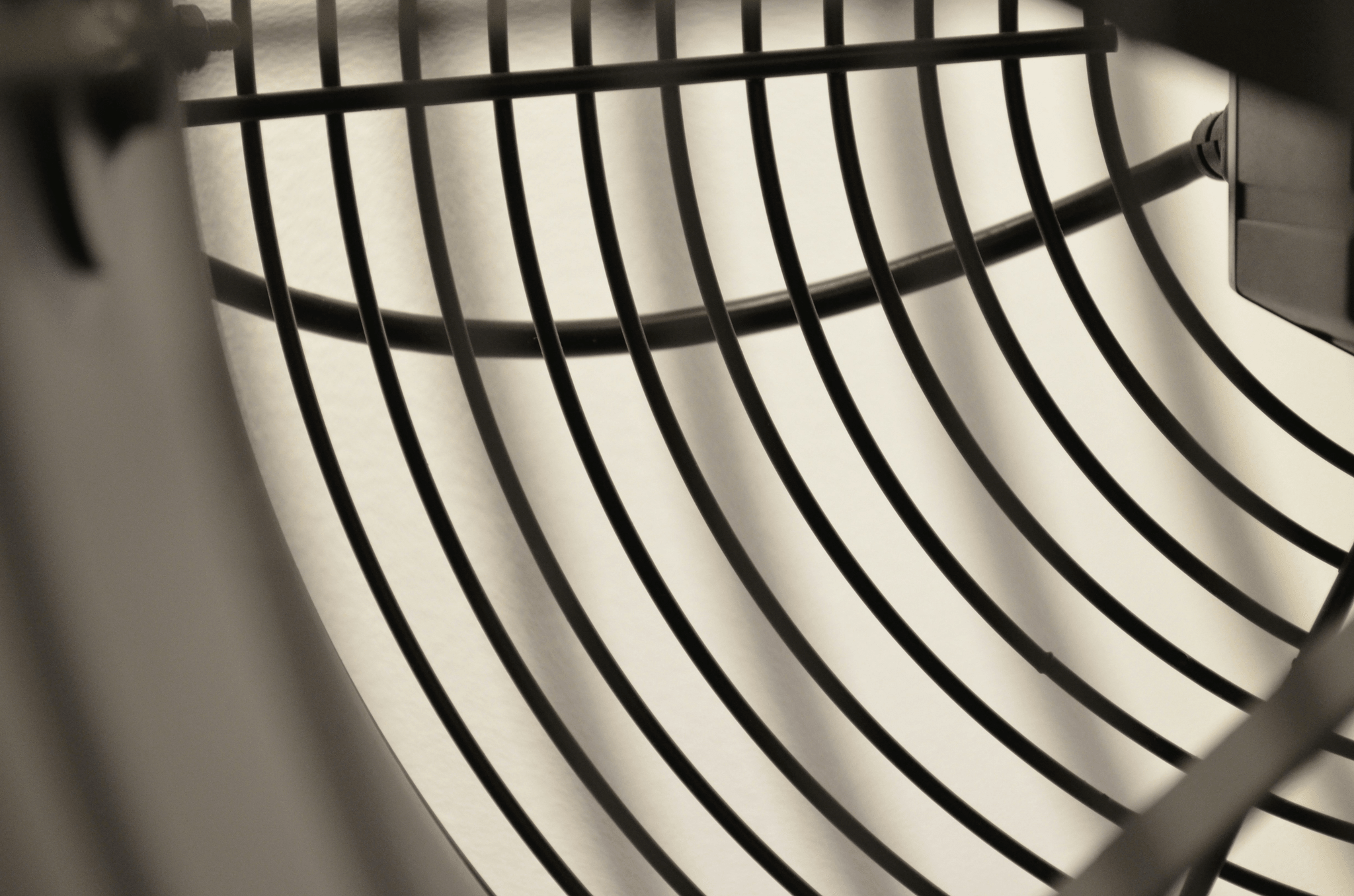
When diving into a mini portable fan inspection, understanding the common defects in handheld electric fans can save you from future headaches. These flaws often originate from manufacturing shortcuts or subpar quality materials, and they tend to show up early if you're vigilant. Spotting these issues during your inspection checklist ensures you’re investing in a reliable device that will keep you cool without unexpected breakdowns.
Typical Manufacturing Flaws to Watch For
During a thorough mini portable fan inspection, be on the lookout for typical manufacturing flaws such as uneven assembly, loose components, or misaligned protective grille. These defects are often signs of rushed production lines or cost-cutting measures that compromise overall quality materials. Such flaws can lead to safety hazards and mechanical failures down the line, so identifying them early is key to making an informed purchase.
Signs of Poor Assembly or Inferior Materials
Poor assembly is a red flag when inspecting handheld electric fans; it might manifest as rattling parts or uneven gaps around the protective grille. Inferior materials—like cheap plastics or thin metals—are common culprits behind early wear and tear, especially if they don’t meet safety standards. During your inspection checklist, always verify that the materials used feel sturdy and durable, ensuring your mini portable fan will stand up to regular use without falling apart.
How to Spot Early Mechanical Failures
Early mechanical failures in mini portable fans often show up as inconsistent airflow or strange noises during operation—clear signs you should pause and reassess during your inspection process. A quick test run can reveal issues with motor stability or faulty wiring that might not be obvious at first glance but could cause long-term problems if ignored. Keeping an eye out for these signs ensures your investment is based on high-quality materials and proper assembly rather than hidden defects lurking beneath the surface.
Remember, conducting an effective mini portable fan inspection isn't just about spotting obvious flaws; it’s about catching those subtle signs of poor assembly or inferior quality materials before they turn into costly repairs later on!
Evaluating Quality Materials and Build
When embarking on a mini portable fan inspection, understanding the quality materials used in the device is crucial. Genuine components are often more durable and reliable, whereas counterfeit parts can lead to common defects in handheld electric fans that compromise safety and performance. Carefully scrutinizing the materials helps you avoid falling for cheap imitations that may look similar but lack the robustness needed for long-term use.
High-grade plastics and metals are essential markers of a well-made mini portable fan. During your inspection checklist, pay close attention to the feel and weight of these materials—they should feel sturdy and premium, not flimsy or brittle. Using quality materials not only enhances durability but also ensures your fan withstands daily wear and tear, making it a smarter investment.
Ensuring long-term reliability starts with assessing these quality materials during your mini portable fan inspection. A solid build minimizes issues like motor failure or broken protective grilles over time. Remember, a well-constructed fan with high-quality components will give you peace of mind, reducing the chances of needing repairs caused by manufacturing defects or inferior parts.
Inspecting the Protective Grille and Safety Features

Ensuring the safety features of your mini portable fan begins with a thorough mini portable fan inspection focused on the protective grille. A well-designed grille not only keeps fingers safe but also prevents debris from damaging internal components. During this step, look for any signs of damage or looseness that could compromise safety or indicate common defects in handheld electric fans, which often appear as weak attachment points or bent bars. Remember, a quality materials build should include a sturdy and properly fitted grille that withstands daily use without falling apart.
Confirming Secure Attachment of the Grille
The first step in your mini portable fan inspection is verifying that the protective grille is firmly attached to the main body. Gently wiggle or tug on the grille—if it shifts easily, it might be a sign of poor assembly or inferior manufacturing quality, both common defects in handheld electric fans. A secure attachment ensures safety during operation and prolongs the lifespan of your device, so don’t overlook this simple but crucial check; weak points here can lead to dangerous accidents or costly repairs later.
Checking for Sharp Edges or Weak Points
Next up in your inspection checklist is scrutinizing the protective grille for sharp edges or weak spots that could pose safety risks during use. Sharp edges are often a telltale sign of subpar quality materials and poor finishing processes—both red flags when evaluating a mini portable fan’s durability and safety features. Carefully run your fingers along the edges; if you find any jagged spots or areas that seem prone to breaking, it’s time to reconsider whether this device meets safety standards before making a purchase.
Verifying Compliance with Safety Standards
Finally, an essential part of your mini portable fan inspection involves confirming that all safety features meet recognized standards and certifications. Look for labels indicating compliance with industry regulations—these are indicators that manufacturers have adhered to strict safety protocols involving protective grille design and overall build quality. Verifying these standards helps prevent buyer’s remorse by ensuring you’re choosing a product built with high-quality materials and proper safety features designed to withstand regular use.
Conducting a Comprehensive Inspection Checklist

Performing a thorough mini portable fan inspection is essential to avoid common defects in handheld electric fans and ensure you’re investing in a safe, durable product. This step-by-step guide helps you scrutinize every critical aspect, from materials to safety features, so you can confidently make your purchase. Remember, a detailed inspection checklist isn’t just about catching flaws; it’s about peace of mind that your new fan will last through many hot days ahead.
Step-by-Step Procedures for Mini Portable Fan Inspection
Start your mini portable fan inspection by examining the overall build quality. Check for any signs of poor assembly or manufacturing flaws that could hint at inferior materials or craftsmanship—common defects in handheld electric fans often originate here. Next, pay close attention to the protective grille; it should be securely attached with no loose or sharp edges that could compromise safety during use.
Proceed to test the fan’s motor and airflow by turning it on and observing its operation. Listen for unusual noises or vibrations which might indicate early mechanical failures—another common defect in handheld electric fans. While doing this, verify that all safety features are functional: the protective grille must be intact and properly aligned to prevent accidental contact with moving parts.
Finally, inspect the materials used in construction—look for high-quality plastics and metals that promise longevity. Genuine components are crucial for long-term reliability; counterfeit or cheap materials often lead to quick breakdowns. Completing this comprehensive inspection checklist ensures you catch potential issues early and select a mini portable fan built to last.
Using China Inspection Pro for Professional Assurance
To elevate your mini portable fan inspection from amateur hour to professional level, consider leveraging services like China Inspection Pro. Their experts conduct detailed evaluations focusing on quality materials and safety features such as the protective grille—key factors in avoiding common defects in handheld electric fans. Using their inspection checklist ensures every aspect of your potential purchase is scrutinized thoroughly, saving you from future headaches.
China Inspection Pro provides an unbiased assessment of whether the components meet international safety standards and if the build quality aligns with leading brands like Dyson or Honeywell. Their detailed reports help decode inspection results so you can interpret whether a product’s flaws are minor or deal-breakers—especially important when evaluating safety features like secure attachment of the grille and material integrity.
By trusting professional inspections, you'll gain confidence that your chosen mini portable fan has passed rigorous quality checks, including assessments of material authenticity and defect detection—all vital steps toward avoiding costly returns or replacements later on.
Interpreting Inspection Results for Final Decision Making
Once you've completed your own mini portable fan inspection—or received an expert report from China Inspection Pro—the next step is interpreting those results wisely. Focus on identifying any signs of common defects in handheld electric fans: loose parts, poor assembly, subpar materials, or compromised safety features like weak protective grilles—that could pose risks down the line.
If your inspection reveals high-quality materials coupled with a securely attached protective grille free from sharp edges or cracks, you're likely looking at a durable product ready for daily use. Conversely, discovering flimsy plastic components or loose fittings suggests potential mechanical failures early on; these issues should be red flags before finalizing your purchase decision.
Remember, thorough interpretation of inspection results empowers you to choose wisely between different models and brands while ensuring maximum safety through proper evaluation of critical elements like material quality and safety features—a smart move against future buyer’s remorse.
Conclusion
Navigating the world of mini portable fans doesn’t have to feel like a wild goose chase if you start with a solid mini portable fan inspection. Remember, paying attention to common defects in handheld electric fans and scrutinizing quality materials can save you from future headaches. A thorough inspection checklist is your best friend—helping you identify potential issues early and ensuring you’re investing in a safe, durable product.
Final Tips for a Confident Mini Portable Fan Purchase
When shopping for a mini portable fan, always conduct a detailed mini portable fan inspection before making your decision. Focus on examining the protective grille for any signs of weakness or sharp edges, as safety features are crucial in preventing accidents. Also, don’t forget to verify the presence of high-quality materials—these are key indicators of long-lasting performance and reliability.
How a Quality Inspection Elevates Product Confidence
Performing a comprehensive inspection not only uncovers common defects in handheld electric fans but also boosts your confidence that you're choosing the right device. An effective inspection checklist guides you through evaluating build quality and safety features, making sure that every component meets standards. Ultimately, this process transforms uncertainty into assurance, giving you peace of mind with your purchase.
Choosing Top Brands and Trusted Inspection Services Like China Inspection Pro
Opting for reputable brands known for their quality materials and robust safety features is always wise when considering a mini portable fan purchase. Pairing this with professional services like China Inspection Pro ensures that your product has undergone rigorous testing—spotting any flaws or manufacturing defects early on. Remember, investing in trusted brands combined with expert inspection services guarantees optimal performance and safety.