
Introduction
In the world of household appliances, Vacuum Cleaner Quality Control is the unsung hero ensuring that your trusty cleaner doesn’t quit after a few uses. When manufacturers prioritize rigorous quality control and testing standards, they deliver products that stand the test of time and meet customer expectations. Without strict adherence to Vacuum Cleaner Testing Requirements, even the most promising models can fall flat, leading to dissatisfied customers and costly recalls.
Effective vacuum cleaner quality control isn’t just about catching defects; it’s about creating a reliable product that consumers can trust day in and day out. By implementing comprehensive quality control and testing standards, brands can prevent issues before they reach the shelves—saving money and reputation in the long run. Ultimately, a well-structured approach to vacuum cleaner quality control helps companies stay ahead in a competitive market where durability and performance are king.
Industry standards play a crucial role in shaping testing procedures for vacuum cleaners around the globe. These standards set clear benchmarks for safety, performance, and durability—guidelines that manufacturers must follow to ensure their products meet consumer needs. When companies align their vacuum cleaner testing requirements with recognized industry norms, they not only enhance product credibility but also streamline compliance across markets worldwide.
Establish Clear Quality Control and Testing Standards

Setting a solid foundation for Vacuum Cleaner Quality Control begins with establishing clear, universally recognized standards. These standards serve as the backbone for all testing procedures, ensuring consistency and reliability across different manufacturers and markets. By defining precise Quality Control and Testing Standards, companies can streamline their processes and guarantee that every vacuum cleaner leaving the production line meets or exceeds industry expectations.
A key step in this process is aligning your vacuum cleaner testing requirements with established international norms. These benchmarks help create a common language for quality, safety, and performance metrics, making it easier to compare products globally. Implementing such standards not only elevates your Vacuum Cleaner Quality Control but also builds trust with consumers who rely on consistent performance.
To truly uphold high standards in vacuum cleaner manufacturing, collaboration with reputable certification bodies like Intertek and SGS is essential. These organizations bring expertise in verifying compliance with global standards and can provide third-party validation of your Vacuum Cleaner Quality Control efforts. Working closely with these certification bodies ensures your testing procedures are rigorous, transparent, and aligned with industry best practices.
Implement Rigorous Material and Component Inspection
Ensuring top-tier Vacuum Cleaner Quality Control starts with a meticulous examination of every component that goes into the product. When manufacturers adhere to strict Quality Control and Testing Standards, they can identify potential flaws early, reducing costly recalls later. This step is crucial in maintaining consistent Vacuum Cleaner Testing Requirements across different batches and models.
Verifying Motor and Filter Quality Through China Inspection Pro
The motor and filter are the heart and lungs of any vacuum cleaner, making their quality inspection non-negotiable. Leveraging China Inspection Pro allows brands to verify that these critical parts meet industry standards for durability, efficiency, and safety compliance. Regular inspections ensure that motors deliver optimal suction power without overheating, while filters maintain high filtration efficiency—both essential aspects of effective Vacuum Cleaner Quality Control.
Checking for Material Durability and Safety Compliance
Beyond the core components, the materials used in constructing vacuum cleaners must withstand daily wear and tear while remaining safe for consumers. Conducting thorough checks on plastic housings, brushes, and sealing materials ensures they align with global safety regulations and industry benchmarks. Incorporating these checks into your Vacuum Cleaner Testing Requirements guarantees your products are both durable and safe, reinforcing your commitment to quality control.
Ensuring Components Meet Industry Standards for Performance
Every component must not only be safe but also perform as promised under industry standards for quality control. This involves testing everything from wheels to electrical wiring against international norms to guarantee longevity and customer satisfaction. By rigorously inspecting each part during the manufacturing process, companies reinforce their adherence to Vacuum Cleaner Quality Control protocols—delivering reliable products that stand out in a crowded market.
Conduct Functional and Performance Testing
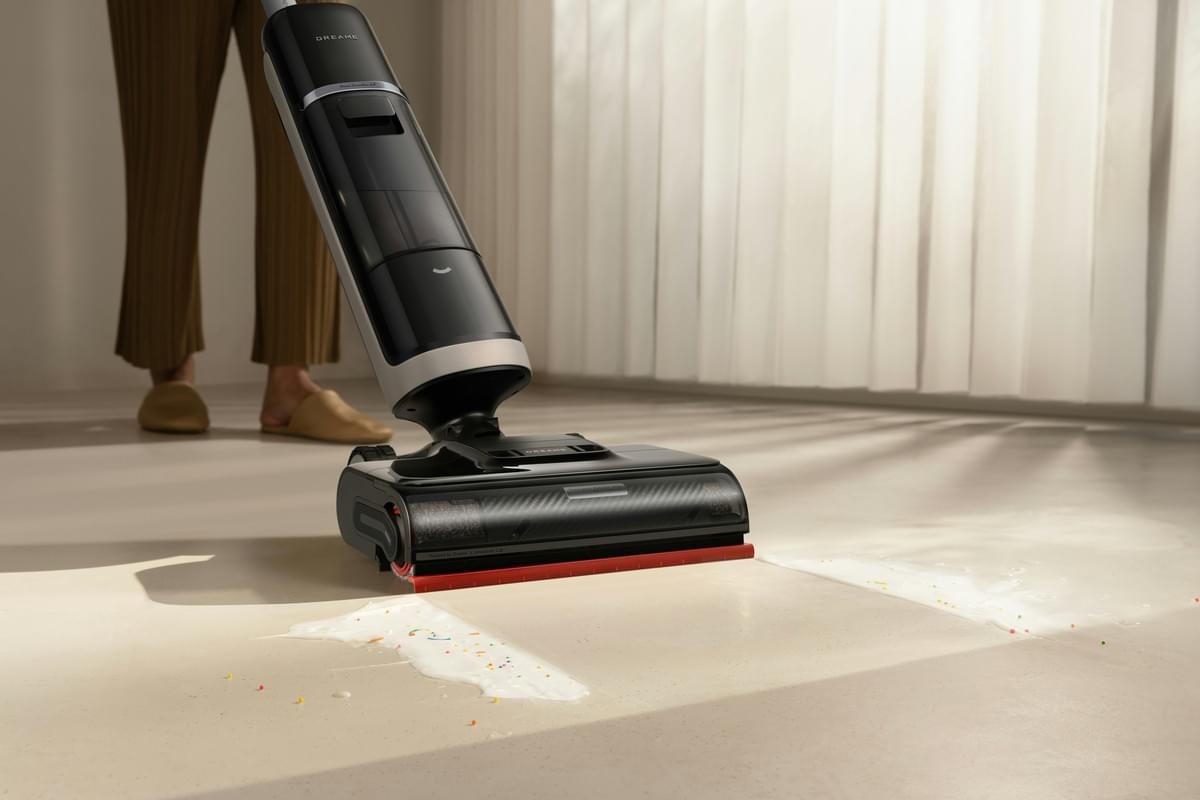
To ensure top-tier Vacuum Cleaner Quality Control, rigorous functional and performance testing must be embedded into the process. This step verifies that each unit meets the established Quality Control and Testing Standards, ensuring consistent performance across batches. By adhering to specific Vacuum Cleaner Testing Requirements, manufacturers can identify potential flaws early, saving costs and boosting customer confidence.
Assessing Suction Power and Filtration Efficiency
A critical aspect of Vacuum Cleaner Quality Control is measuring suction power accurately. High suction is a hallmark of effective cleaning devices, so testing must replicate real-world scenarios to validate this feature against industry benchmarks. Additionally, filtration efficiency tests determine how well the vacuum traps dust and allergens, aligning with established Vacuum Cleaner Testing Requirements for health-conscious consumers. Consistent assessment ensures that products not only meet but exceed the expected standards for performance.
Testing for Noise Levels and Ease of Use
Noise levels can make or break a vacuum’s appeal in modern households; therefore, evaluating sound output is essential in maintaining high-quality standards. During testing, noise emissions should stay within acceptable limits outlined by relevant Quality Control and Testing Standards to prevent customer dissatisfaction. Ease of use evaluations—such as maneuverability, weight distribution, and ergonomic design—are equally important in delivering a user-friendly product that adheres to industry expectations.
Simulating Real-World Usage Conditions
The ultimate test for any vacuum cleaner lies in its ability to perform under actual usage conditions. Simulating scenarios like furniture cleaning, carpet agitation, or handling different debris types helps verify that the device maintains optimal performance over time—a core principle of Vacuum Cleaner Quality Control. Incorporating these practical tests aligns with both Industry Standards and specific Vacuum Cleaner Testing Requirements, ensuring durability and customer satisfaction are built into every unit.
Integrate Continuous Improvement Practices
To truly excel in Vacuum Cleaner Quality Control, it’s crucial to embed continuous improvement practices into your process. Analyzing test data with a keen eye helps uncover hidden flaws that could compromise product performance or safety. By regularly reviewing these insights, manufacturers can fine-tune their Quality Control and Testing Standards, ensuring each vacuum cleaner meets or exceeds industry benchmarks.
Adopting feedback loops from customer reports is the secret sauce for ongoing enhancement. Customer experiences often reveal practical issues that laboratory tests might overlook, such as ease of use or noise levels. Incorporating this real-world input into your Vacuum Cleaner Testing Requirements allows for adjustments that boost customer satisfaction and strengthen your overall Vacuum Cleaner Quality Control system.
Staying updated with evolving Vacuum Cleaner Testing Requirements and Industry Standards is essential to maintain competitive edge. Regulations and consumer expectations are constantly shifting, demanding agility from manufacturers committed to top-tier Vacuum Cleaner Quality Control. Regularly revisiting and refining your testing procedures ensures compliance while fostering innovation—keeping your products ahead of the curve.
Document and Standardize Testing Procedures
Establishing clear and comprehensive documentation is the backbone of effective Vacuum Cleaner Quality Control. When you create detailed protocols, you ensure that every product undergoes consistent testing aligned with industry standards and Vacuum Cleaner Testing Requirements. Well-documented procedures serve as a reference point for teams, reducing errors and streamlining the process of maintaining high-quality standards.
Creating Detailed Protocols for Consistency
Developing meticulous testing protocols is essential to uphold Quality Control and Testing Standards across all vacuum cleaner models. These protocols should specify every step—from material inspection to performance assessments—making sure each unit meets the established Vacuum Cleaner Testing Requirements. By standardizing procedures, manufacturers can prevent deviations that compromise product quality or safety, ultimately reinforcing customer trust.
Maintaining Records to Support Compliance
Keeping thorough records is vital for demonstrating adherence to industry standards in Vacuum Cleaner Quality Control. Documentation of test results, inspection reports, and corrective actions provides a transparent trail that can be reviewed during audits or certifications. This practice not only supports compliance with international norms but also helps identify recurring issues early, enabling continuous improvement in vacuum cleaner manufacturing processes.
Training Staff on Quality Inspection Best Practices
Educating staff on proper inspection techniques ensures that everyone involved in Vacuum Cleaner Quality Control understands the importance of adhering to testing standards. Regular training sessions should cover updates in industry benchmarks, new testing requirements, and best practices for identifying defects or safety concerns. Well-trained personnel are more likely to uphold rigorous quality standards, leading to products that excel in performance and durability.
Partner with Industry Experts for Validation
Partnering with seasoned industry experts is a smart move to elevate your vacuum cleaner quality control efforts. These professionals bring invaluable insights into the latest Vacuum Cleaner Testing Requirements and ensure your products meet or exceed established Quality Control and Testing Standards. By collaborating with specialists, you gain access to advanced testing methods that can uncover hidden flaws and improve overall product reliability.
Leveraging China Inspection Pro’s Professional Services
China Inspection Pro offers tailored services that align perfectly with your Vacuum Cleaner Quality Control needs. Their expertise in adhering to international standards ensures that your testing procedures meet rigorous Quality Control and Testing Standards, reducing the risk of costly recalls or reputational damage. Utilizing their comprehensive inspection solutions helps you verify materials, components, and performance metrics according to industry benchmarks, making sure every vacuum cleaner passes muster before hitting shelves.
Using Third-Party Testing for Unbiased Results
Relying solely on internal assessments can sometimes lead to biased results, which is why third-party testing becomes essential in maintaining objective standards for vacuum cleaners. Independent labs provide unbiased evaluations based on strict Vacuum Cleaner Testing Requirements and Quality Control and Testing Standards, giving you confidence in your product’s performance claims. This external validation not only boosts consumer trust but also positions your brand as committed to transparency and excellence.
Applying Actionable Recommendations for Quality Enhancement
Once testing results are in, industry experts help translate data into actionable steps that enhance overall quality control processes. Whether it’s refining materials or optimizing performance criteria based on Vacuum Cleaner Testing Requirements, these recommendations ensure continuous improvement aligned with evolving standards. Implementing expert advice guarantees your products stay ahead of the curve while consistently meeting or surpassing established Quality Control and Testing Standards.
Conclusion
A solid approach to Vacuum Cleaner Quality Control is the backbone of a successful manufacturer. When you establish rigorous Quality Control and Testing Standards, you not only meet industry benchmarks but also build trust with your customers. Staying committed to these standards ensures your vacuum cleaners perform reliably and last longer, turning satisfied users into loyal advocates.
The Key Benefits of Robust Vacuum Cleaner Quality Control
Implementing comprehensive Vacuum Cleaner Quality Control offers numerous advantages, including fewer returns and repairs, enhanced brand reputation, and increased market competitiveness. By adhering to strict Vacuum Cleaner Testing Requirements, companies can identify flaws early in the production process, saving costs and time down the line. Ultimately, consistent quality control translates into products that outperform expectations and foster customer loyalty.
How to Keep Up with Changing Testing Standards
The landscape of industry standards is constantly evolving, making it crucial for brands to stay informed about new Vacuum Cleaner Testing Requirements. Regularly collaborating with certification bodies like Intertek or SGS helps ensure compliance with the latest standards and regulations. Incorporating ongoing training and updating internal protocols allows your team to adapt seamlessly to these changes without missing a beat in your quality assurance processes.
Turning Quality Control into a Competitive Advantage
Transforming robust Vacuum Cleaner Quality Control from a mere requirement into a strategic strength can set your brand apart from competitors. By showcasing adherence to top-tier Quality Control and Testing Standards, you demonstrate commitment to excellence that appeals to discerning consumers. Leveraging continuous improvement practices ensures your products remain ahead of evolving industry benchmarks, making quality control not just an obligation but a key differentiator.