
Introduction
Gas Turbine Generator Testing is a crucial step in ensuring the reliable and efficient operation of power plants. Proper testing not only confirms that equipment performs as expected but also helps identify potential issues before they escalate into costly failures. Implementing a well-structured Routine Testing List can streamline this process, making it more manageable and less time-consuming.
Without a doubt, one of the biggest hurdles in Gas Turbine Generator Testing is avoiding common challenges such as inaccurate readings, overlooked faults, or unnecessary downtime. Mistakes during tests like the Phase Sequence Test or No-Load Current and Losses Test can lead to misdiagnosis or damage if not carefully managed. Overcoming these hurdles requires attention to detail and adherence to proven procedures that prioritize safety and precision.
Optimized testing strategies significantly save time and costs by reducing repetitive errors and minimizing equipment downtime. Conducting Temperature Rise Tests with advanced thermal imaging tools or performing Dielectric Tests efficiently ensures quick results without compromising safety. When all auxiliary devices are tested thoroughly, the overall process becomes smoother, leading to more reliable performance assessments in less time.
Preparing for Effective Gas Turbine Generator Testing
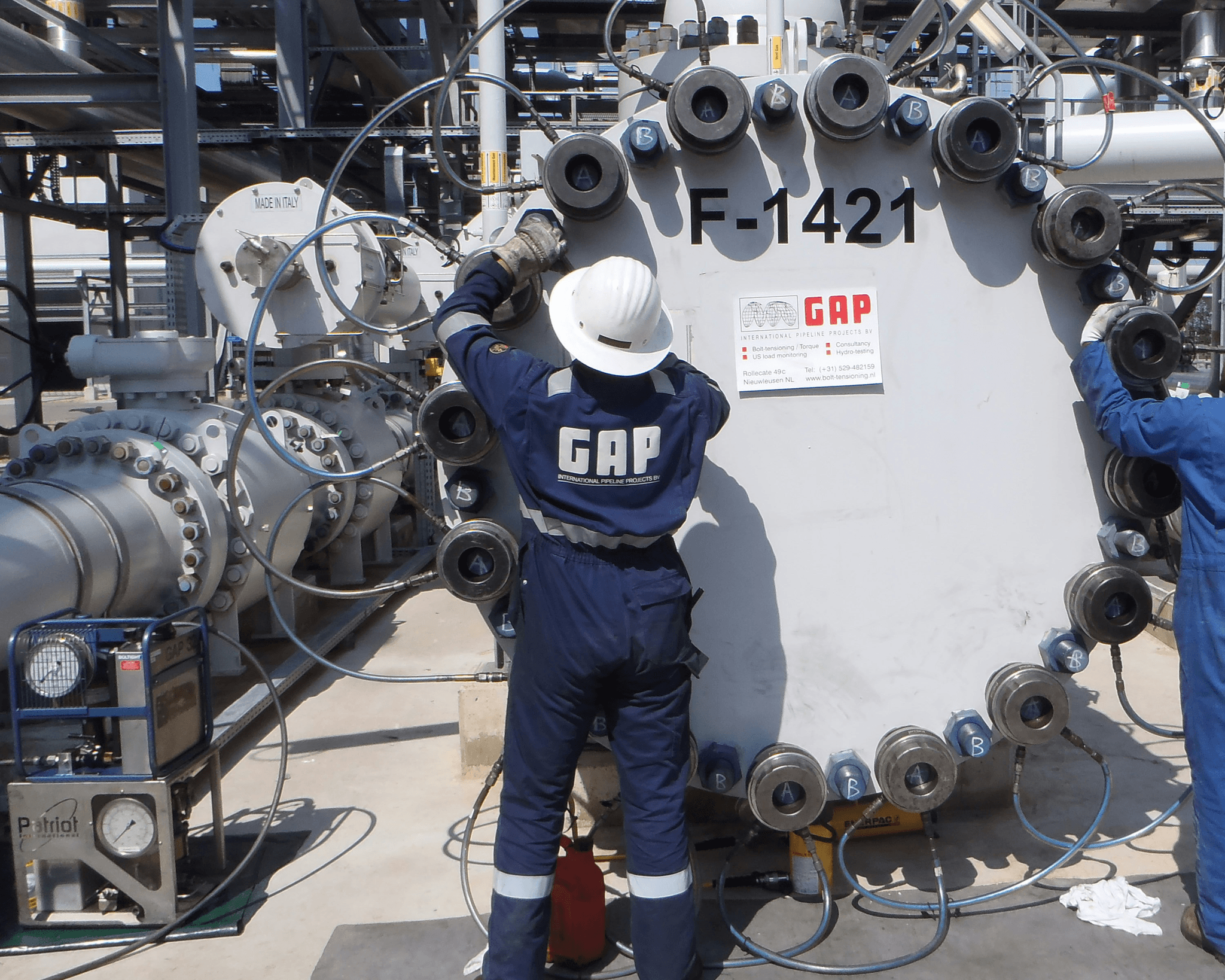
Getting ready for Gas Turbine Generator Testing isn’t just about flipping switches; it’s about laying a solid foundation to ensure every test runs smoothly and yields reliable results. A well-prepared plan minimizes surprises, reduces downtime, and keeps your maintenance team confident that all aspects—from the Phase Sequence Test to dielectric assessments—are covered. Proper preparation means you’re not just testing; you're optimizing the entire process for accuracy and efficiency.
Before diving into tests like the No-Load Current and Losses Test or Temperature Rise Test, establishing a comprehensive Routine Testing List is crucial. This list acts as your roadmap, ensuring no critical step is overlooked during Gas Turbine Generator Testing. It also helps prioritize tasks such as testing auxiliary devices, verifying cooling systems, and conducting phase sequence checks—making sure each component gets the attention it deserves without wasting time.
Equally important is ensuring proper equipment calibration before any testing begins. Accurate results in dielectric tests or temperature rise assessments depend heavily on precision instruments calibrated to industry standards. When your tools are spot-on, you reduce errors during tests on all auxiliary devices and enhance confidence in your findings—saving time spent re-testing or troubleshooting later.
Coordinating your testing schedule with plant operations can be a game-changer in maintaining productivity while performing Gas Turbine Generator Testing. Clear communication ensures that tests like the phase sequence check or thermal imaging don’t disrupt production cycles unnecessarily. By aligning testing times with operational windows, you streamline everything from routine maintenance to complex diagnostics like dielectric or temperature rise tests—keeping downtime minimal and efficiency high.
Mastering Phase Sequence Test Procedures
Getting the phase sequence right is crucial in Gas Turbine Generator Testing because a misstep here can lead to equipment damage or inaccurate results. A well-executed phase sequence test ensures that the rotor spins in the correct direction, preventing costly mistakes down the line. Remember, verifying the phase sequence is not just a box to check; it’s the foundation of effective routine testing and reliable generator performance.
Verifying Correct Rotor Rotation
Before diving into more complex tests, always confirm that your rotor rotates correctly during Gas Turbine Generator Testing. This step involves using simple tools like a phase rotation indicator or a multimeter to verify the rotor’s direction. Conducting this verification as part of your routine testing list helps catch issues early, saving time and avoiding unnecessary rework later on.
Avoiding Phase Sequence Mistakes
Phase sequence mistakes are among the most common pitfalls in Gas Turbine Generator Testing, often leading to overheating or mechanical stress if ignored. To prevent these errors, double-check your connections and utilize reliable testing instruments designed for phase sequence tests. Incorporating these best practices into your routine testing list reduces risks and enhances overall test accuracy.
Using Reliable Testing Instruments
The success of any phase sequence test hinges on employing dependable testing instruments capable of delivering precise results every time. Investing in high-quality testers not only streamlines Gas Turbine Generator Testing but also minimizes false readings that could compromise other tests like no-load current and losses tests or dielectric assessments. Reliable instruments are your best allies for ensuring consistent, accurate results across all auxiliary devices during comprehensive generator evaluations.
Streamlining No-Load Current and Losses Tests
Efficiency in Gas Turbine Generator Testing hinges on how well you streamline your No-Load Current and Losses Tests. These tests are crucial for identifying inefficiencies that could lead to costly downtime or equipment damage. By adopting a systematic approach, you can gather accurate data quickly, minimizing the time spent on routine testing list items while ensuring reliable results.
Efficient Data Collection Methods
When conducting Gas Turbine Generator Testing, utilizing advanced data acquisition tools is essential for efficient No-Load Current and Losses Tests. Automated measurement systems reduce human error and speed up data collection, allowing technicians to focus on analysis rather than manual recording. Incorporating digital logging devices ensures that all parameters—such as current, voltage, and power factor—are captured precisely, facilitating a smoother testing process aligned with your routine testing list.
Interpreting Results Accurately
Interpreting the results of No-Load Current and Losses Tests requires a keen eye for detail; misreadings may lead to overlooking potential issues like core losses or stray load currents. During Gas Turbine Generator Testing, comparing real-time data against manufacturer specifications helps identify irregularities early on. Accurate interpretation also involves understanding how phase sequence test outcomes influence overall efficiency—mistakes here can cascade into larger problems if not promptly addressed.
Identifying Sources of Unnecessary Losses
Pinpointing sources of unnecessary losses during Gas Turbine Generator Testing is vital for optimizing performance and extending equipment lifespan. Common culprits include poor insulation—highlighted during dielectric tests—or worn-out cooling systems examined through tests on all auxiliary devices. By systematically analyzing data from temperature rise tests alongside loss measurements, technicians can uncover hidden inefficiencies such as excessive heat generation or insulation breakdowns that inflate losses without adding value.
Conducting Accurate Temperature Rise Tests

Performing a temperature rise test is a critical step in Gas Turbine Generator Testing, ensuring the equipment operates within safe thermal limits. During this phase, it’s essential to monitor temperature changes meticulously to prevent overheating and potential damage to the generator components. Incorporating a well-structured Routine Testing List helps streamline these assessments and guarantees consistency across tests on all auxiliary devices.
Monitoring Temperature Limits in Real Time
Real-time monitoring of temperature limits is fundamental for effective Gas Turbine Generator Testing. Using precise sensors and data acquisition systems allows technicians to observe temperature fluctuations as they happen, providing immediate insights into the generator's thermal performance. This proactive approach helps identify issues early, so corrective actions can be taken before costly damage occurs, especially during tests on all auxiliary devices or dielectric tests.
Using Advanced Thermal Imaging Tools
Advanced thermal imaging tools elevate the accuracy of temperature rise tests by visually capturing hot spots and uneven heat distribution across the generator’s surface. These tools are invaluable during routine testing procedures because they enable quick identification of potential problem areas without invasive procedures. When conducting tests on all auxiliary devices or during phase sequence test procedures, thermal imaging ensures that no overheating goes unnoticed.
Preventing Overheating and Damage
Preventing overheating is the ultimate goal of any temperature rise test in Gas Turbine Generator Testing; it safeguards both personnel and equipment from harm. By setting appropriate thresholds based on manufacturer specifications or industry standards, technicians can stop testing immediately if temperatures exceed safe limits, especially during no-load current and losses test phases. Proper calibration of thermal sensors combined with vigilant monitoring during dielectric tests ensures that your generator remains cool under pressure—literally—and operationally sound.
Performing Dielectric Tests Safely

When it comes to Gas Turbine Generator Testing, dielectric tests are crucial for assessing insulation integrity and ensuring reliable operation. These tests demand meticulous safety precautions because high voltages are involved, and any mishandling can lead to accidents or equipment damage. Incorporating dielectric tests into your routine testing list requires a disciplined approach to protect both personnel and the generator itself.
Ensuring Proper Insulation Resistance
The foundation of safe Gas Turbine Generator Testing lies in verifying insulation resistance before conducting dielectric tests. This step helps identify potential weaknesses that could compromise performance or safety during operation. Regularly performing insulation resistance checks as part of your routine testing list ensures early detection of deterioration, saving time and costly repairs later on.
Protecting Personnel and Equipment
Safety is paramount when performing dielectric tests; proper protective gear and adherence to protocols are non-negotiable. During these high-voltage procedures, personnel must stay at safe distances, use insulated tools, and follow established safety standards to prevent electrical shocks or arc flashes. Additionally, safeguarding equipment involves grounding all systems correctly and using reliable testing instruments that comply with industry standards.
Interpreting Dielectric Test Results
Interpreting the results of dielectric tests accurately is vital for making informed decisions about the generator’s health status. Anomalies such as low insulation resistance or unexpected leakage currents can indicate issues needing immediate attention within your Gas Turbine Generator Testing process. Proper analysis prevents unnecessary downtime by catching problems early through precise evaluation of test data, ultimately extending equipment lifespan.
Incorporating rigorous dielectric tests into your overall Gas Turbine Generator Testing plan ensures not only optimal performance but also a safer working environment—because a spark-free operation is always better than a spark-filled disaster!
Testing Auxiliary Devices for Optimal Performance

Ensuring all auxiliary devices are functioning flawlessly is a critical component of comprehensive Gas Turbine Generator Testing. These devices, including exciters, control systems, and cooling units, directly impact the efficiency and reliability of the generator. Conducting thorough Tests on all auxiliary devices during routine testing helps identify potential issues early, saving time and costly repairs later.
Examining Exciters and Control Systems
The exciters and control systems are the heartbeat of your gas turbine generator's stability. During routine testing, inspecting these components ensures they respond correctly to load changes and maintain voltage regulation. Proper examination during Gas Turbine Generator Testing also verifies that phase sequence tests are accurately performed without hiccups or misfires, which could otherwise cause system instability.
Verifying Cooling Systems Functionality
Cooling systems keep your generator from overheating during operation—an essential aspect of temperature rise tests. When performing Gas Turbine Generator Testing, verifying cooling system performance ensures that heat is effectively dissipated, preventing unnecessary temperature increases that could damage equipment. Regular checks on cooling fans, pumps, and heat exchangers help maintain optimal operating conditions while minimizing downtime.
Minimizing Downtime During Testing
Time is money in the power generation world; thus, minimizing downtime during auxiliary device tests is paramount. Incorporating a well-structured Routine Testing List allows for efficient scheduling of dielectric tests and no-load current and losses tests alongside other inspections to avoid extended outages. Streamlining these procedures ensures that testing on all auxiliary devices does not interfere with plant availability while still delivering accurate results critical for reliable operation.
Incorporating China Inspection Pro for Quality Assurance
Partnering with China Inspection Pro elevates your Gas Turbine Generator Testing to a new level of precision and reliability. Their professional inspection services ensure every component, from the rotor to auxiliary devices, meets rigorous industry standards. This thorough approach minimizes surprises during routine testing and helps you maintain peak performance.
Professional Inspection Services for Gas Turbine Generators
China Inspection Pro specializes in comprehensive inspections tailored specifically for Gas Turbine Generator Testing. Their experts meticulously evaluate critical elements like the phase sequence test, no-load current and losses test, and temperature rise test results to identify potential issues early. With their support, you can confidently perform routine testing list procedures knowing your equipment is in top shape.
Detailed Reporting and Actionable Recommendations
One of the standout features of China Inspection Pro is their detailed reporting on all aspects of Gas Turbine Generator Testing. These reports include insights from dielectric tests, assessments on auxiliary devices, and evaluations of cooling systems—each providing actionable recommendations. Such clarity helps streamline maintenance plans and ensures your generator operates efficiently with minimal downtime.
Meeting Industry Standards and Regulatory Requirements
Ensuring compliance with industry standards is crucial during any gas turbine generator testing process. China Inspection Pro’s services are aligned with international regulations, guaranteeing that your testing procedures meet or exceed regulatory requirements. From verifying insulation resistance through dielectric tests to inspecting auxiliary systems, their expertise safeguards your operations against compliance issues.
Conclusion
Effective Gas Turbine Generator Testing is the backbone of reliable power generation, and proper planning makes all the difference. Developing a comprehensive Routine Testing List ensures that every critical aspect, from phase sequence verification to auxiliary device checks, is systematically addressed. When testing procedures are well-organized, it minimizes downtime and reduces costly errors, ultimately boosting overall efficiency.
Leveraging advanced technologies plays a pivotal role in achieving accurate results during Gas Turbine Generator Testing. Tools like thermal imaging for temperature rise tests and digital instruments for dielectric assessments enhance precision and speed. Incorporating innovative solutions streamlines No-Load Current and Losses Tests while ensuring data integrity across all phases of testing.
Partnering with seasoned professionals who specialize in Gas Turbine Generator Testing guarantees that each step—from initial preparations to detailed inspections—is executed flawlessly. Experts bring valuable insights into conducting tests on all auxiliary devices, interpreting complex results accurately, and adhering to industry standards. Their guidance helps prevent overlooked issues, ensuring your generator performs reliably over its lifespan.