
Introduction
Water Tube Boiler Inspection is a vital process that ensures the equipment operates at peak efficiency while maintaining safety standards. Regular inspections help identify potential issues early, preventing costly downtime and energy loss. By paying close attention to details like the Water Tube Boiler Data Sheet and approved drawings, operators can keep their systems running smoothly and efficiently.
Proper maintenance of water tube boilers offers numerous benefits, including extended lifespan, improved safety, and optimized performance. Conducting thorough Water Tube Boiler Inspection allows for accurate assessment of internal and external components, reducing unexpected failures. Utilizing resources such as Material Test Reports and Water Tube Boiler Strength calculation sheets ensures that all parts meet industry standards and safety requirements.
However, Water Tube Boiler Inspection comes with its set of challenges. Accessing internal components can be difficult without proper procedures, making visual and non-destructive testing essential yet complex. Additionally, ensuring compliance with Welding Specification Procedures and verifying that the Packing List aligns with actual materials can be tricky but are crucial for a comprehensive assessment.
Preparing for the Water Tube Boiler Inspection
Getting ready for a Water Tube Boiler Inspection is like prepping for a big performance; every detail counts. Proper preparation ensures that the inspection runs smoothly and that no critical aspect is overlooked. From gathering essential documents to reviewing technical specifications, this phase sets the foundation for a successful assessment.
Gathering the Water Tube Boiler Data Sheet
The first step in your water tube boiler inspection prep is to gather the Water Tube Boiler Data Sheet. This document serves as your blueprint, containing vital information about the boiler’s design, operating parameters, and maintenance history. Ensuring its accuracy helps inspectors verify that everything aligns with operational standards and safety requirements, making it an indispensable part of your Water Tube Boiler Inspection process.
Reviewing Approved Drawings for Compliance
Next up is reviewing the approved drawings related to your water tube boiler. These drawings should be meticulously checked against actual conditions to confirm compliance with industry standards and project specifications. Pay special attention to details like welds, baffles, and water wall panels—these are often governed by Welding Specification Procedures—and any discrepancies could compromise boiler integrity during inspection.
Collecting Material Test Reports and Packing List
Finally, collect all Material Test Reports along with the Packing List before initiating your Water Tube Boiler Inspection. Material Test Reports confirm that all components meet required quality standards, while the Packing List helps verify that all parts arrived intact and match documented specifications. Don’t forget: cross-referencing these documents with water tube boiler strength calculation sheets can reveal potential stress points or flaws early on—saving you headaches later.
Visual Inspection Procedures
When conducting a Water Tube Boiler Inspection, the first step is to thoroughly check for corrosion and scaling, which can significantly impair boiler efficiency and safety. Inspectors should reference the Water Tube Boiler Data Sheet to understand the specific materials used, as this guides the identification of corrosion types and scaling patterns. A detailed visual assessment helps pinpoint areas where corrosion may have compromised tube integrity or where scaling has caused blockages, making it crucial to cross-reference findings with the approved drawings to ensure compliance with design specifications.
Next, inspecting welds according to Welding Specification Procedures is vital for ensuring structural integrity. During this process, inspectors should examine weld joints on external components and water tubes themselves, verifying that all welds conform to industry standards outlined in the Water Tube Boiler Data Sheet and approved drawings. Using non-destructive testing methods aligned with these welding procedures helps detect micro-cracks or flaws that might not be visible but could lead to failure under operational stresses. Proper documentation of these inspections is essential for future reference and must be supported by Material Test Reports when necessary.
Finally, assessing the external condition of the boiler involves a comprehensive visual check of all accessible surfaces. This includes inspecting for signs of wear, deformation, leaks, or other damages that could affect performance or safety. The inspector should review Water Tube Boiler Strength calculation sheets during this phase to confirm that external conditions align with safety margins established in these calculations. Additionally, reviewing the Packing List ensures all components are present and correctly installed per approved drawings—any discrepancies here could indicate potential issues needing further internal inspectio
Internal Inspection Steps
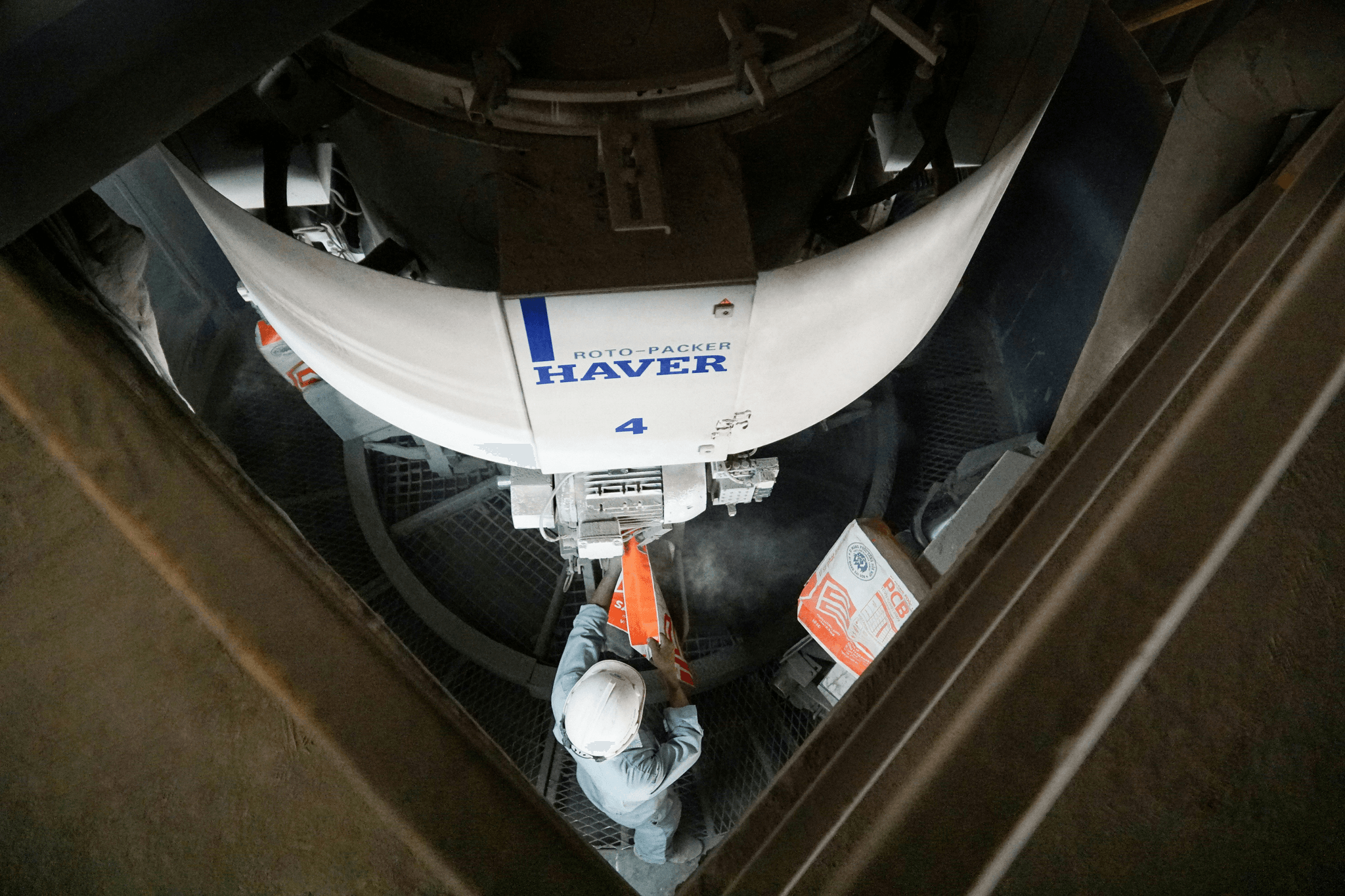
The internal inspection of a water tube boiler is a critical phase that ensures the longevity and safety of the entire system. Before diving into the inspection, it’s essential to review the Water Tube Boiler Data Sheet thoroughly, as this document provides vital information about tube dimensions, materials, and design specifications. Cross-referencing this with the approved drawings helps verify that all components align with original design parameters, facilitating a smooth inspection process.
Once prepared, technicians proceed to carefully remove sections of water tubes for detailed examination. During this step, inspecting these tubes involves checking for corrosion, erosion, or scaling that could compromise boiler efficiency. This process is guided by Water Tube Boiler Strength calculation sheets to assess whether the remaining thickness meets safety standards; non-destructive testing methods are often employed here to detect hidden flaws without damaging the tubes.
After removing and inspecting the water tubes, attention shifts to examining other internal components such as baffles and furnace parts. These elements are scrutinized against the approved drawings and welding specification procedures to ensure welds are intact and free from cracks or defects. Additionally, reviewing Material Test Reports and packing lists helps confirm that all materials used in these components comply with industry standards and original specifications.
Next up is verifying the condition of water wall panels—these are crucial in heat transfer efficiency. A thorough visual check against approved drawings ensures panels have not warped or suffered thermal fatigue over time. Using Water Tube Boiler Data Sheet references during this step guarantees that panel thickness aligns with safety requirements outlined in relevant strength calculation sheets.
Finally, documenting every detail uncovered during internal inspection sets the stage for maintenance planning and future inspections. Detailed notes on tube integrity, baffle conditions, and panel status should be compiled alongside supporting materials like Material Test Reports for traceability. Keeping accurate records ensures compliance with industry standards while facilitating ongoing Water Tube Boiler Inspection efforts.
Thickness and Strength Assessment
Ensuring the structural integrity of a water tube boiler is no trivial task, but it's absolutely vital for safe operation and efficiency. The process starts with a thorough review of the water tube boiler strength calculation sheets, which serve as the backbone for assessing whether the boiler can handle operational stresses. These sheets are prepared based on detailed data from the water tube boiler data sheet, which provides critical parameters like pressure ratings, temperature limits, and material specifications.
During this stage, inspecting the water tube boiler approved drawings becomes essential to verify that all components conform to design standards. Cross-referencing these drawings with actual measurements helps identify any discrepancies that could compromise strength or safety. Incorporating data from material test reports further ensures that the materials used meet industry standards, adding an extra layer of confidence before proceeding with non-destructive testing.
Using non-destructive testing methods allows inspectors to detect internal flaws or weaknesses without damaging the tubes. Techniques such as ultrasonic testing or radiography are employed to scan for cracks, corrosion pits, or thinning walls—issues that might not be visible during a visual inspection. Confirming that each water tube's thickness aligns with safety standards involves comparing test results against specifications outlined in the water tube boiler strength calculation sheets; this step is crucial to prevent potential failures down the line.
To streamline inspection accuracy and traceability, inspectors should also review the packing list accompanying each shipment of parts and materials. This ensures all components used in assembly adhere to approved specifications documented in the material test reports. By integrating these comprehensive evaluations—strength calculation sheets review, NDT results, and verified documentation—the integrity of your water tube boiler remains uncompromise
Functional and Safety Testing
Water Tube Boiler Inspection isn’t just about peering inside; it’s about ensuring the entire system functions flawlessly and safely. During this phase, verifying safety valves and controls is paramount to prevent catastrophic failures. A thorough review of the Water Tube Boiler Data Sheet helps confirm that all safety devices are correctly rated and calibrated, aligning with manufacturer specifications and compliance standards.
Testing feed water and drainage systems is another critical step in Water Tube Boiler Inspection. Proper operation of these systems ensures efficient heat transfer and prevents corrosion or scaling issues that could compromise boiler integrity. Cross-referencing the Packing List and Material Test Reports guarantees that all components are up to standard before conducting operational tests, while consulting approved drawings confirms correct installation procedures.
Assessing burner performance and combustion efficiency rounds out this vital phase. Using data from the Water Tube Boiler Strength calculation sheets helps evaluate whether the boiler can withstand operational stresses during burner testing. During combustion tests, inspecting welds according to Welding Specification Procedures ensures no leaks or weaknesses develop under high-temperature conditions—an essential check during Water Tube Boiler Inspection.
Final Documentation and Certification
Once the Water Tube Boiler Inspection wraps up, compiling a comprehensive inspection report is essential. This report should incorporate valuable insights from China Inspection Pro, ensuring that all findings are thoroughly documented and aligned with industry standards. A well-prepared report not only highlights areas of concern but also showcases compliance with the Water Tube Boiler Data Sheet specifications, making future audits smoother.
Ensuring all documentation meets industry standards is a critical step in the process. This involves cross-checking the Water Tube Boiler Approved Drawings against actual inspection results to verify compliance. Additionally, reviewing Material Test Reports and Welding Specification Procedures ensures that every component used during maintenance or repair adheres to safety and quality benchmarks, reinforcing the integrity of the entire system.
Planning for ongoing maintenance and re-inspection is where foresight becomes your best friend. Use your Water Tube Boiler Strength calculation sheets to establish baseline parameters for tube thickness and structural integrity over time. Incorporating these details into your documentation facilitates scheduled re-inspections, helping prevent unexpected failures and extending boiler longevity through proactive care.
Conclusion
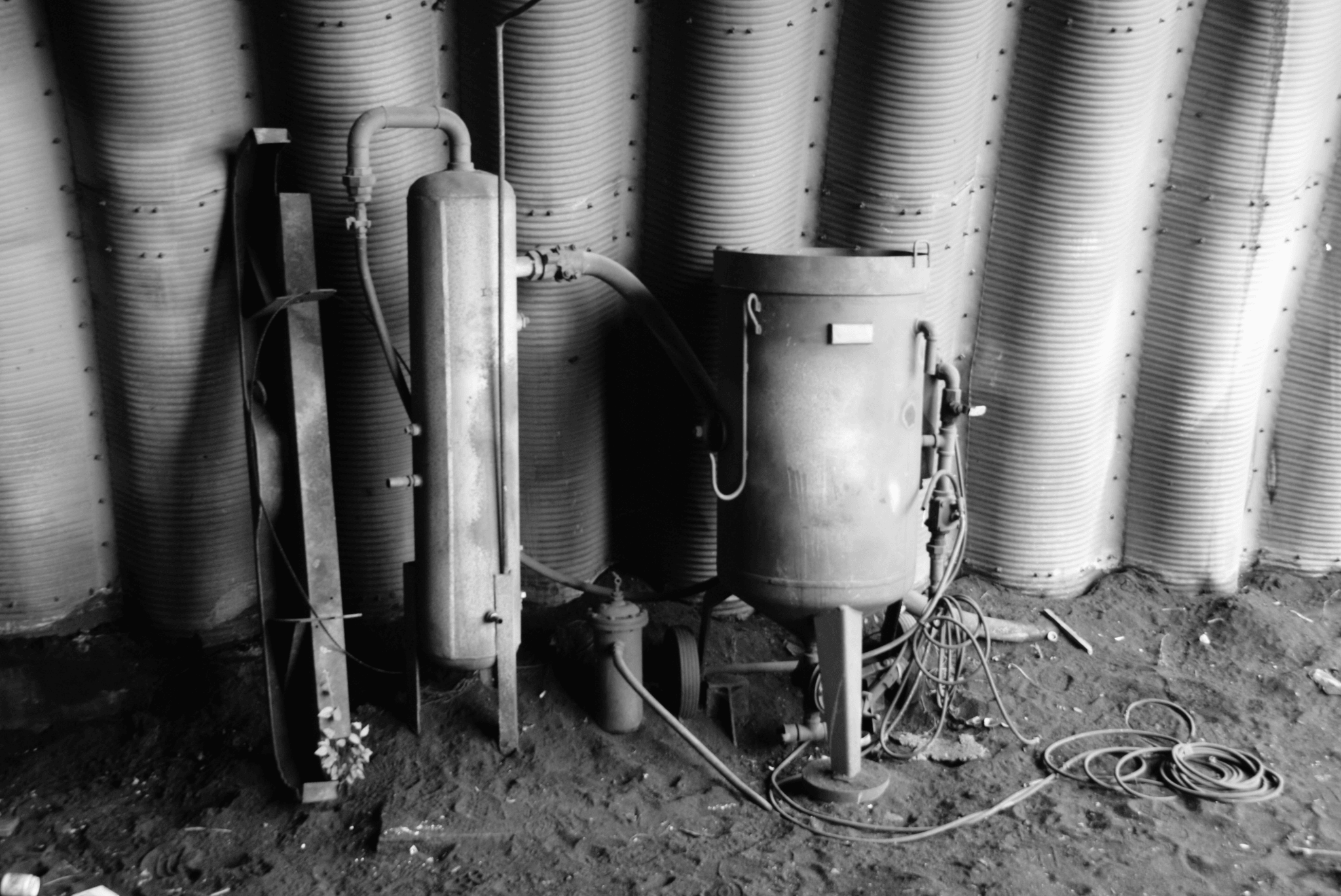
Regular Water Tube Boiler Inspection is the secret sauce to keeping your system running smoothly and efficiently. By consistently reviewing your Water Tube Boiler Data Sheet and cross-referencing it with Water Tube Boiler Approved Drawings, you can catch potential issues before they escalate. Incorporating thorough inspections into your maintenance routine ensures that every component, from water tubes to safety controls, performs at its peak, saving you costly downtime and repairs down the line.
Leveraging detailed data such as Water Tube Boiler Strength calculation sheets along with Material Test Reports and Packing Lists provides a comprehensive view of your boiler’s health. These documents serve as a roadmap for identifying wear and tear or material fatigue, guiding targeted interventions that prolong equipment lifespan. Remember, a well-documented Water Tube Boiler Inspection process not only boosts reliability but also helps in making informed decisions about future upgrades or replacements.
Staying ahead in boiler maintenance means partnering with professionals who understand the intricacies of Water Tube Boiler Inspection procedures. Expert inspectors utilize Welding Specification Procedures to verify weld integrity and assess internal conditions accurately. By integrating these practices into your routine, supported by meticulous documentation, you ensure compliance with industry standards while optimizing performance—making every inspection a step toward long-term operational excellence.