
Introduction
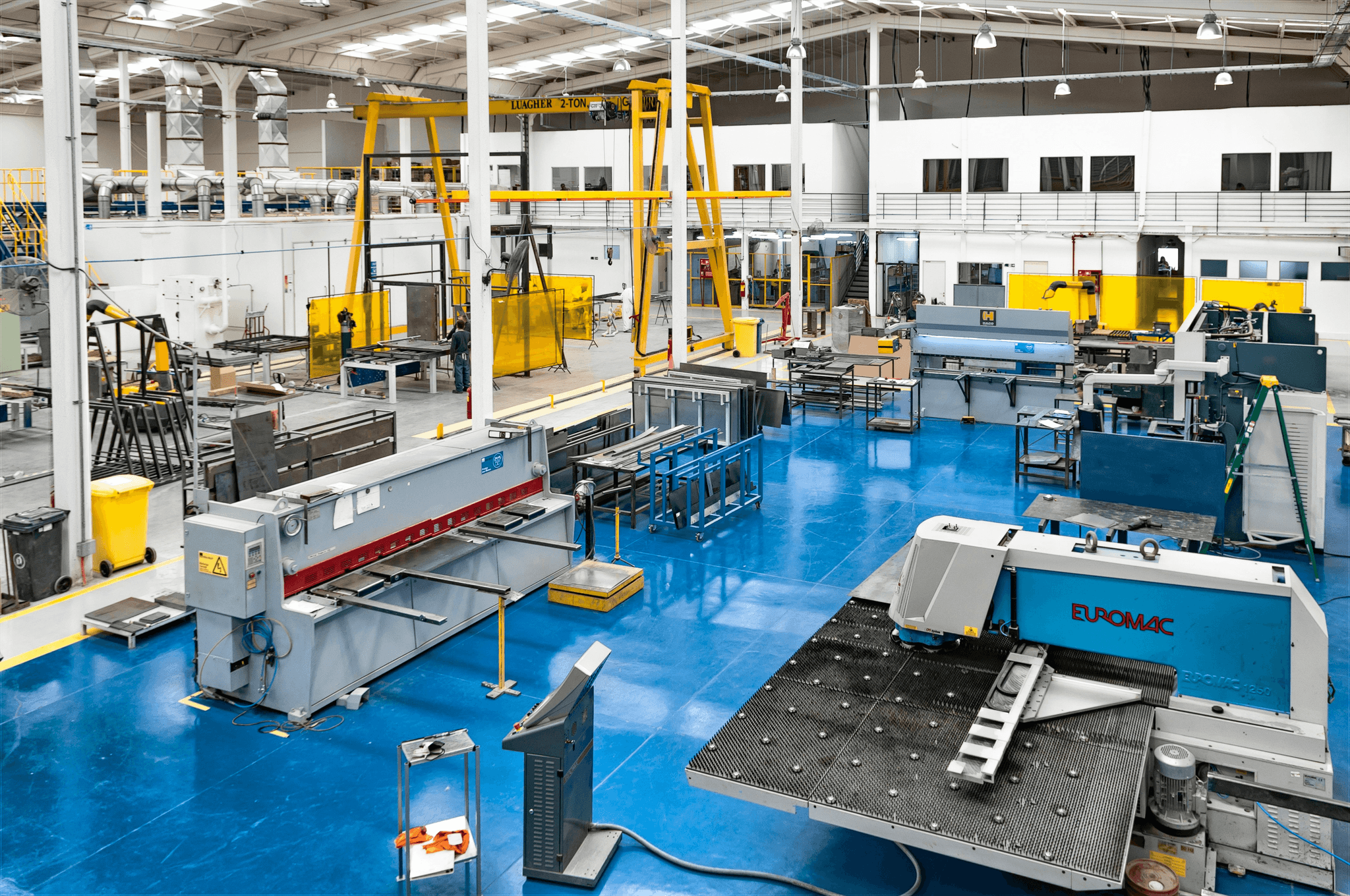
Getting into the world of Manufacturing Sporting Goods is like mastering a sport—precision, strategy, and timing are everything. Creating a manufacturing strategy that aligns with market demands can turn a good product into a great one, setting your brand apart in a crowded field. Whether you're sourcing materials or finding the right production facility, understanding the latest trends and technologies is crucial for staying ahead of the game.
Efficiently sourcing materials ensures you get quality without breaking the bank, making it easier to develop a quality control system that guarantees top standards. When you find a production facility that fits your needs, it becomes easier to implement lean manufacturing principles and optimize workflows. Staying on top of technological advancements helps in creating innovative solutions that speed up production while maintaining high-quality standards.
In this fast-paced industry, keeping an eye on trends and integrating new technologies can give you the competitive edge needed to succeed. Developing a comprehensive approach—from sourcing the best materials to establishing rigorous quality control systems—lays the foundation for long-term success in Manufacturing Sporting Goods. Remember, every step counts in turning raw ideas into finished products that athletes trust and love.
Creating a Manufacturing Strategy
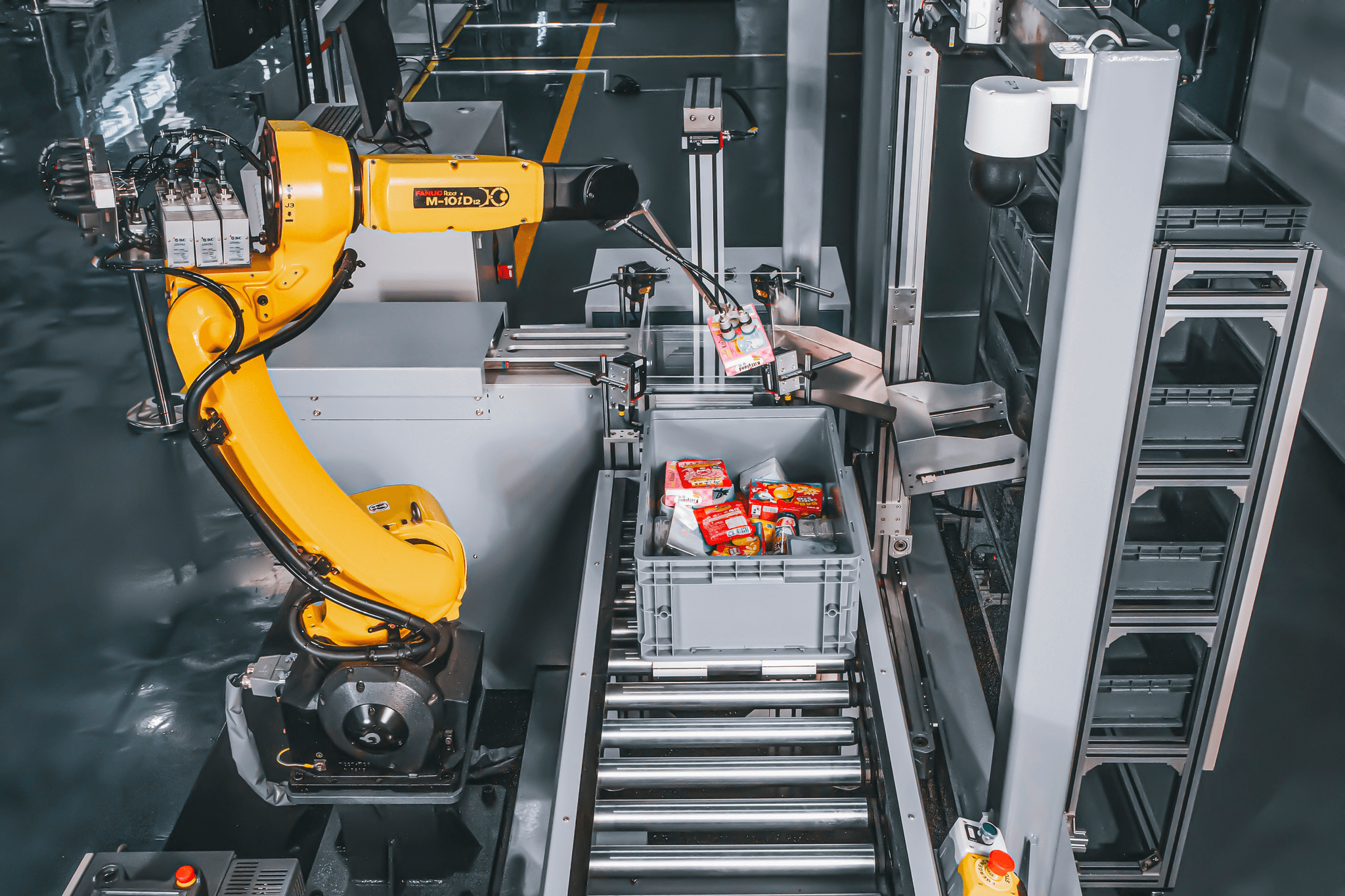
Developing a solid manufacturing strategy is the cornerstone of success in the competitive world of sporting goods. When you’re creating a manufacturing strategy, it’s crucial to set clear goals that align with your brand’s vision and market demands. Think of it as plotting your route — knowing where you want to go helps you choose the right tools, such as sourcing materials efficiently and finding a production facility that can handle your volume without breaking a sweat.
A well-crafted plan for manufacturing sporting goods involves more than just choosing suppliers; it requires integrating sourcing strategies that prioritize quality while controlling costs. Creating a manufacturing strategy also means developing processes that are scalable and adaptable, ensuring your product line can evolve with consumer trends. By focusing on these elements early on, you lay the groundwork for a seamless quality control system that keeps your products top-notch from start to finish.
When creating a manufacturing strategy, remember that sourcing materials effectively is key to maintaining consistency and durability in sporting goods. Building relationships with reliable suppliers ensures you source materials that meet high standards without blowing up your budget. Additionally, selecting the right production facility plays an essential role — it should have the capacity and capabilities to support your goals while minimizing logistical headaches.
Source Materials Effectively

Creating a manufacturing strategy for sporting goods begins with sourcing the right materials. Building strong relationships with reliable suppliers is crucial to ensure consistent quality and timely delivery, which ultimately impacts your overall production schedule. When you source materials effectively, you're setting a solid foundation for manufacturing sporting goods that meet both performance standards and consumer expectations.
Building Relationships with Suppliers Like Wilson Sporting Goods
Establishing partnerships with trusted suppliers is the backbone of successful manufacturing sporting goods. Wilson Sporting Goods exemplifies how nurturing supplier relationships can lead to better pricing, priority service, and access to innovative materials. When creating a manufacturing strategy, don’t just focus on transactions—think long-term collaborations that foster mutual growth and reliability in sourcing materials.
Ensuring Material Quality Through Sourcing Strategies
To develop a quality control system that consistently delivers high-caliber sporting goods, sourcing strategies must prioritize material integrity from the outset. This involves vetting suppliers for adherence to industry standards, requesting certifications, and conducting regular audits. The goal is clear: source materials that align with your quality benchmarks while maintaining efficiency in the supply chain.
Negotiating Costs Without Sacrificing Quality
Negotiation plays a pivotal role when sourcing materials for manufacturing sporting goods; it's about striking the perfect balance between cost savings and quality assurance. Crafting a strategic approach allows you to negotiate favorable terms without compromising on durability or performance standards essential for top-tier sports equipment. Remember, finding affordable sources shouldn’t mean sacrificing excellence—your customers will thank you for it.
---
This section emphasizes how creating a manufacturing strategy hinges heavily on sourcing the right materials effectively while maintaining quality and cost-efficiency—key ingredients in producing top-notch sporting goods at scale.
Find a Production Facility
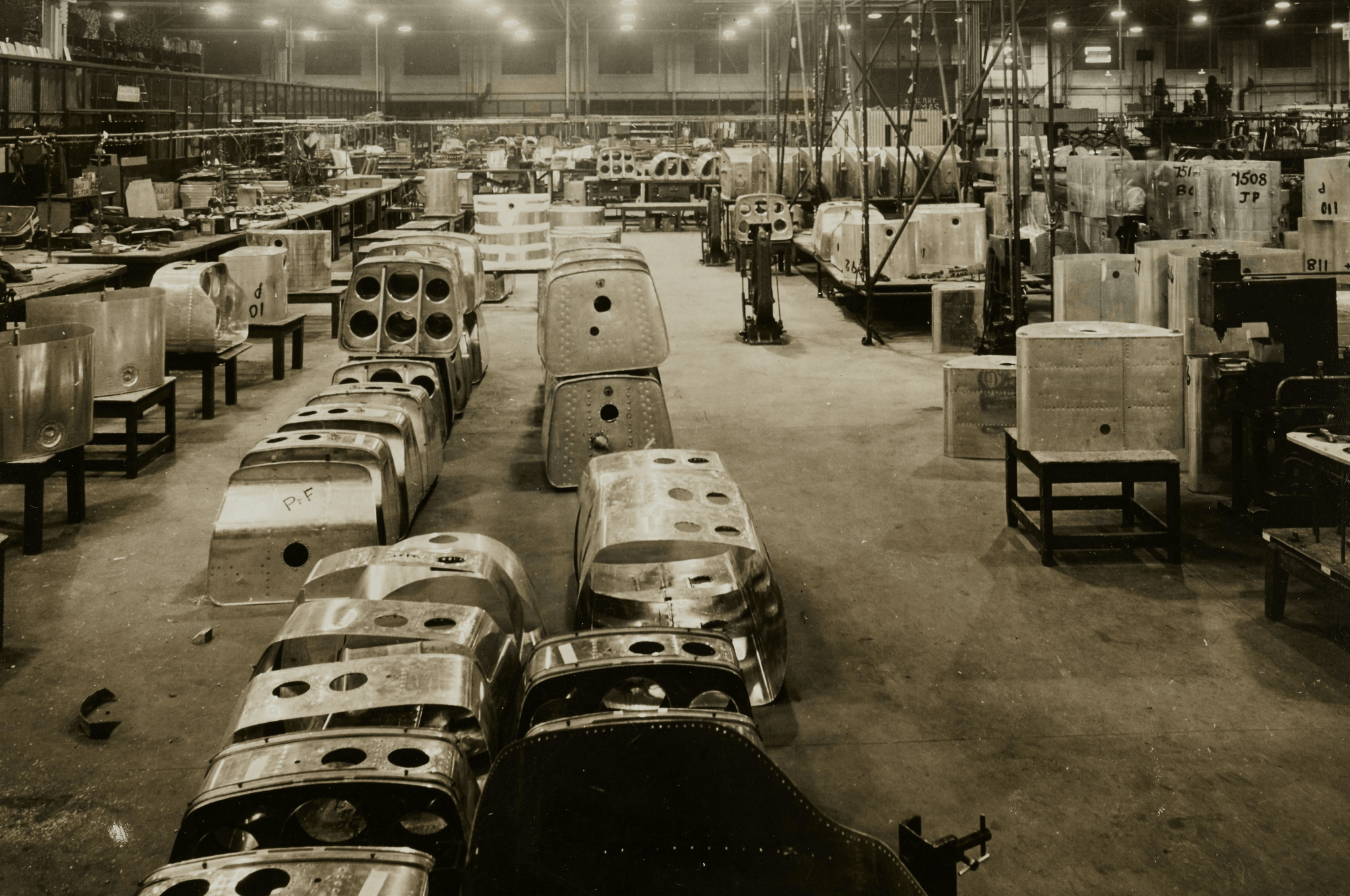
Selecting the perfect production facility is a crucial step in creating a manufacturing strategy for sporting goods. This decision impacts everything from quality control to delivery timelines, so it’s essential to choose wisely. The right factory will not only meet your current needs but also adapt as your brand scales, ensuring manufacturing sporting goods remains efficient and cost-effective.
When creating a manufacturing strategy, evaluating the capabilities and capacity of potential facilities is paramount. You want a partner that can handle your volume without compromising quality or speed. Think of it like sourcing materials—if the supplier can’t keep up with demand or meet quality standards, your entire production process could suffer; the same applies when finding a production facility.
Location and logistics are often overlooked but are just as vital when sourcing materials and planning your manufacturing process. A strategically located factory reduces shipping costs, shortens lead times, and minimizes delays—factors that directly influence your ability to stay ahead in the competitive sporting goods market. Balancing proximity to markets with access to reliable transportation networks ensures smooth operations from start to finish.
Implement Lean Manufacturing Principles
Implementing lean manufacturing principles is essential for creating a manufacturing strategy that maximizes efficiency in the competitive world of manufacturing sporting goods. By reducing waste, companies can streamline their operations, cut costs, and improve overall product quality. This approach allows brands to stay agile and responsive to market demands while maintaining high standards in sourcing materials and finding the right production facility.
Reducing Waste as Under Armour Does
Reducing waste is a cornerstone of lean manufacturing principles, especially when creating a manufacturing strategy for sporting goods. Under Armour demonstrates how minimizing excess inventory, defective products, and unnecessary motions can lead to significant savings and faster turnaround times. When source materials are carefully managed and quality control systems are rigorous, waste diminishes naturally—ensuring every inch of your production process counts toward delivering top-tier products.
Optimizing Workflow Efficiency
Optimizing workflow efficiency involves designing processes that flow seamlessly from sourcing materials to final inspection. By analyzing each step in the manufacturing process, companies can identify bottlenecks that slow down production or inflate costs. Finding a production facility with flexible capabilities supports this goal because it enables quick adjustments without sacrificing quality or compliance—key factors when developing a solid manufacturing strategy for sporting goods.
Using Just-In-Time Inventory Systems
Just-In-Time (JIT) inventory systems are game-changers in reducing storage costs and preventing overproduction—a critical aspect of lean manufacturing principles in sporting goods manufacturing. When sourcing materials effectively and aligning with reliable suppliers, companies can receive components exactly when needed, avoiding excess stockpiles that tie up capital. Developing a quality control system ensures that even with rapid turnover, product standards remain high while keeping the supply chain lean and responsive.
Develop a Quality Control System
Creating a manufacturing strategy for sporting goods isn’t just about speed and cost; it’s about ensuring every product meets high standards of quality. Developing a robust quality control system is the backbone of manufacturing sporting goods that stand out in the market. When you focus on rigorous inspections and continuous improvement, you turn good products into great ones, building trust with consumers and boosting brand reputation.
Applying best practices from China Inspection Pro can transform your approach to quality. These experts have mastered the art of meticulous inspections, which helps identify flaws early in the manufacturing process. Integrating their methods into your creating a manufacturing strategy ensures that every batch of sporting goods aligns with strict quality benchmarks, reducing costly rework or recalls down the line.
Conducting rigorous inspections and testing is crucial for maintaining consistency across your sporting goods lineup. This process involves checking raw materials before sourcing them, as well as ongoing assessments during production. When you find a production facility capable of supporting these high standards, you’re setting yourself up for success by catching issues early and preventing defective products from reaching consumers.
Implementing continuous improvement practices keeps your quality control system ahead of the curve. Regularly analyzing inspection data allows you to fine-tune processes, source better materials, or even adjust factory workflows to enhance product durability and performance. This cycle not only elevates your creating a manufacturing strategy but also ensures that your brand stays competitive in an ever-evolving market.
Incorporate Technology and Automation
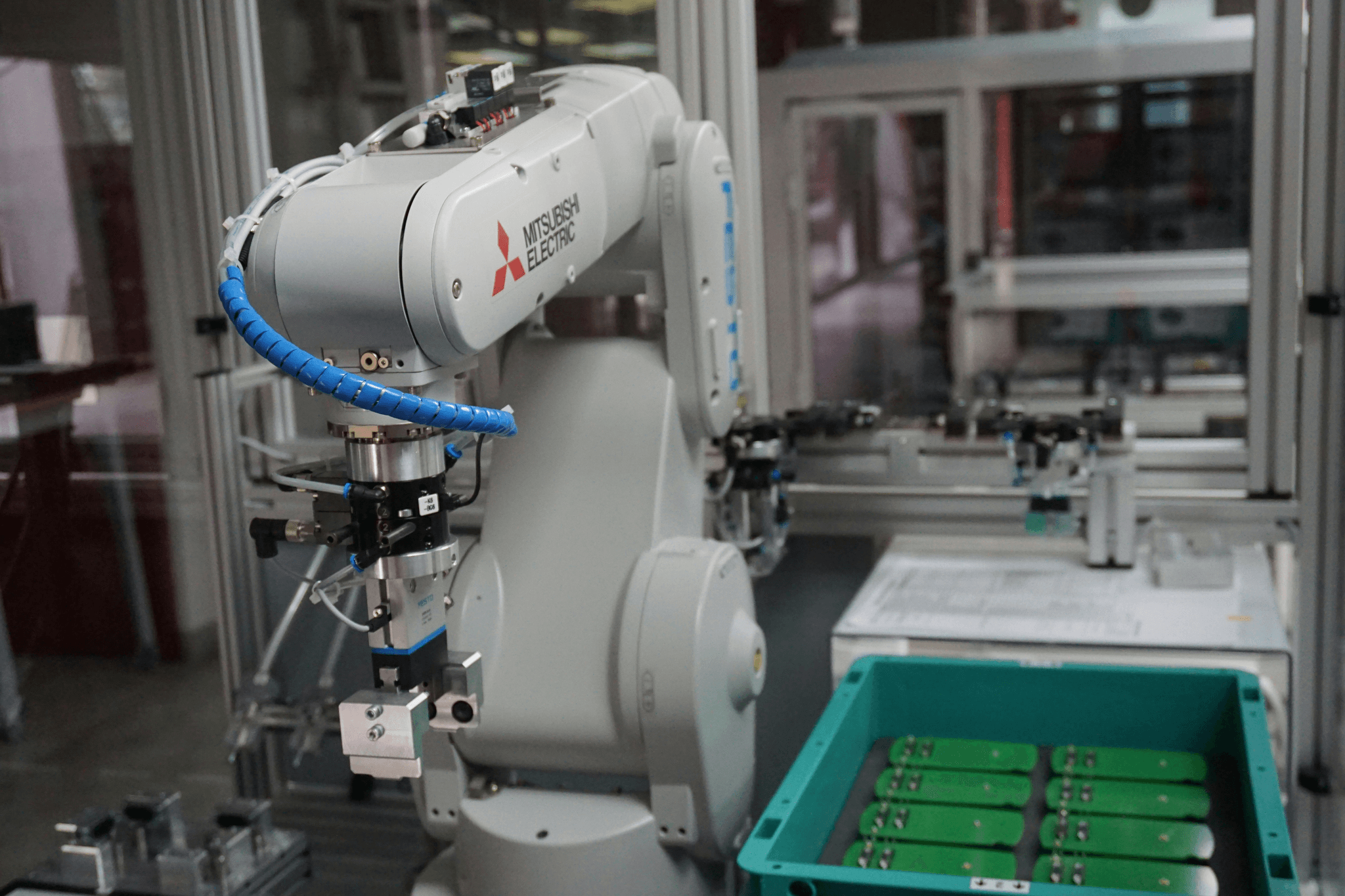
In the fast-paced world of Manufacturing Sporting Goods, staying ahead means embracing cutting-edge technology and automation. Creating a manufacturing strategy that leverages these innovations can drastically improve efficiency, reduce costs, and boost product quality. By integrating robotics and data-driven systems, companies can streamline their processes from sourcing materials to final inspection, ensuring they remain competitive in a crowded market.
Employing Robotics Like Adidas Factory Automation
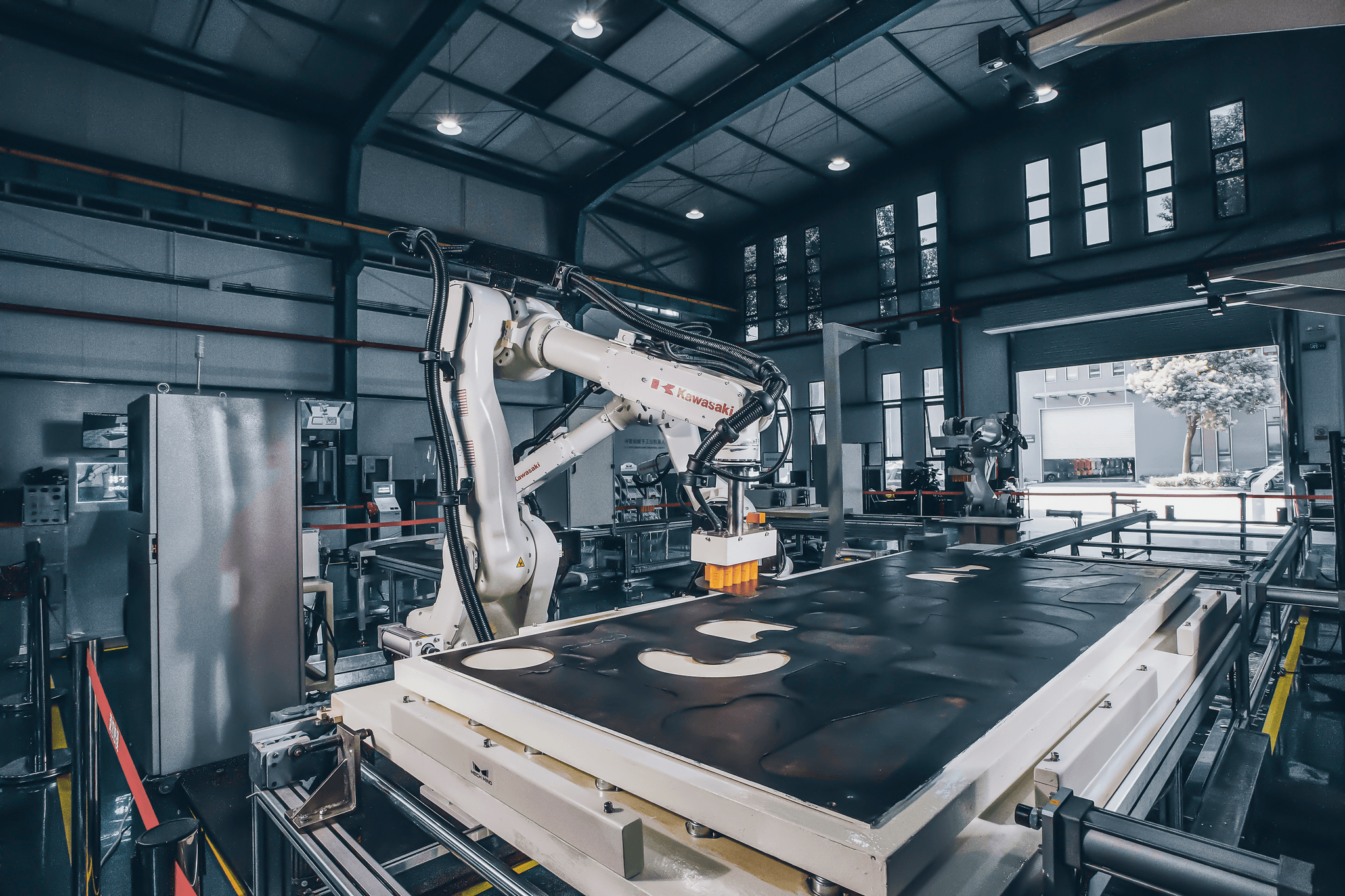
Robotics have revolutionized how companies approach creating a manufacturing strategy for sporting goods. Adidas’s factory automation exemplifies how deploying robots on assembly lines can increase speed while maintaining high standards of quality control. Implementing robotics not only accelerates production but also minimizes human error, making it easier to source materials efficiently and find a reliable production facility that supports automated workflows.
Leveraging Data with Manufacturing Analytics
Data is the new gold in manufacturing sporting goods; harnessing analytics allows for real-time monitoring of every stage—from sourcing materials to final inspection. Creating a manufacturing strategy that includes robust data analysis helps identify bottlenecks early and optimize workflows continuously. These insights enable manufacturers to refine their processes, find better suppliers, and develop quality control systems that adapt dynamically to changing demands.
Enhancing Production Speed and Precision
Automation tools like robotic arms or AI-powered inspection systems dramatically enhance both speed and precision in manufacturing sporting goods. By integrating these technologies into your process—whether at the sourcing stage or during final testing—you ensure each product meets strict quality standards while reducing lead times. A well-implemented automation system transforms your factory into a lean machine capable of quickly adapting to market trends and customer preferences.
Focus on Sustainability and Eco-Friendly Practices
Creating a manufacturing strategy for sporting goods isn’t just about speed and cost—it’s increasingly about sustainability. Emulating Patagonia’s environmental approach can inspire brands to embed eco-conscious practices into every step of manufacturing sporting goods. When you prioritize creating a manufacturing strategy that emphasizes eco-friendly methods, you not only appeal to environmentally aware consumers but also position your brand as a leader in sustainable innovation.
Source materials play a crucial role in this green transformation. Using recycled and sustainable materials is key to reducing environmental impact while maintaining product quality. By sourcing materials responsibly, companies can lower their carbon footprint and meet the rising demand for eco-friendly sporting goods, making sustainability an integral part of their manufacturing strategy.
Reducing the carbon footprint in manufacturing involves rethinking everything from energy consumption to waste management. Find a production facility that values renewable energy sources and implements green practices—this aligns with creating a manufacturing strategy focused on sustainability. Developing a quality control system that monitors environmental impact ensures that eco-friendly standards are maintained without sacrificing product excellence.
Conclusion
Successfully manufacturing sporting goods isn’t just about throwing products together; it’s about crafting a strategic plan that keeps your operations lean, high-quality, and future-ready. Creating a manufacturing strategy that aligns with market demand and business goals ensures you stay competitive in this fast-paced industry. Remember, source materials wisely to maintain quality while controlling costs, find the right production facility to meet capacity needs, and develop a robust quality control system that catches defects before they hit the shelves—these are the pillars of sustainable success in manufacturing sporting goods.
A well-thought-out plan for manufacturing sporting goods sets the tone for efficiency and innovation. When you create a manufacturing strategy tailored to your brand’s unique needs, you’re better equipped to adapt to trends and technological advancements. Whether sourcing premium materials or selecting an optimal facility location, every decision impacts your bottom line—and ultimately, your reputation as a leader in sporting goods.
Prioritizing quality and compliance isn’t just good practice; it’s essential for building trust with consumers and retailers alike. Developing a quality control system ensures consistency across batches and reduces costly recalls or returns down the line. Staying ahead in the game means continuously refining your approach—integrating new technologies or sustainable practices—to keep your manufacturing sporting goods process at the forefront of innovation.