
Introduction

The sporting goods market is a dynamic and competitive landscape, filled with opportunities for innovation and growth. As consumers increasingly prioritize health and fitness, the demand for high-quality sporting goods continues to rise. Understanding the nuances of this market is essential for any entrepreneur looking to make a mark in manufacturing sporting goods.
Understanding the Sporting Goods Market
To successfully navigate the sporting goods market, one must grasp its diverse segments, from athletic apparel to specialized equipment. Trends can shift rapidly, influenced by everything from technological advancements to changing consumer preferences. By staying attuned to these shifts, manufacturers can tailor their products effectively and meet the evolving needs of their target audience.
Importance of Manufacturing Sporting Goods
Manufacturing sporting goods is not just about producing items; it’s about creating experiences that enhance athletic performance and enjoyment. The right manufacturing processes ensure that products are not only functional but also durable and appealing to consumers. This focus on quality is crucial as it directly impacts brand reputation and customer loyalty in an industry where competition is fierce.
Key Considerations for Success
Success in manufacturing sporting goods hinges on several key considerations that can’t be overlooked. First, understanding your target audience will inform every decision you make—from product design to marketing strategies. Additionally, implementing effective strategies such as sourcing materials wisely, finding a suitable production facility, and developing a robust quality control system are all critical steps that pave the way for long-term success in this vibrant industry.
4 Essential Steps In Manufacturing Sporting Goods
Manufacturing sporting goods is a nuanced process that requires careful planning and execution. To ensure success in this competitive market, it's essential to follow 4 essential steps in manufacturing sporting goods. These steps will guide you from understanding your audience to developing a robust business plan that sets the stage for your venture.
Defining Your Target Audience
The first step in manufacturing sporting goods is to define your target audience clearly. Understanding who will use your products helps tailor features, marketing strategies, and pricing models effectively. Whether you're targeting professional athletes or casual weekend warriors, knowing their needs and preferences allows for more focused product development.
Once you've identified your audience, consider conducting surveys or focus groups to gather insights directly from potential customers. This feedback can inform everything from design aesthetics to functionality, ensuring that the end product resonates with its intended users. Ultimately, defining your target audience not only enhances customer satisfaction but also drives sales and brand loyalty.
Identifying Product Range and Features
Next up is identifying the product range and features that will set your offerings apart in the crowded marketplace of manufacturing sporting goods. Start by analyzing current trends within the industry while considering gaps you could fill with innovative designs or unique functionalities. This phase is crucial for creating a compelling lineup that addresses specific needs of your target demographic.
In addition to product variety, focus on key features that enhance usability and performance—think moisture-wicking materials for apparel or ergonomic grips for equipment. The right combination of products and features can make all the difference in attracting consumers who are willing to invest in quality gear. Remember, innovation doesn't just mean new; it often means better!
Establishing a Business Plan
With a clear understanding of your target audience and product range established, it’s time to create a comprehensive business plan—a cornerstone of successful manufacturing sporting goods operations. Your business plan should outline everything from operational strategies to financial projections while also detailing how you intend to navigate challenges along the way.
Be sure to include elements such as marketing strategies, distribution channels, and pricing models tailored specifically for your identified audience segments. A well-thought-out business plan not only serves as a roadmap but also becomes an invaluable tool when seeking investors or partners interested in joining you on this exciting journey into manufacturing sporting goods.
Create a Manufacturing Strategy

Creating a manufacturing strategy is a pivotal step in the journey of manufacturing sporting goods. This strategy will not only guide your production process but also help you navigate the complexities of the market. A well-defined manufacturing strategy ensures that you can effectively source your materials, find a production facility, and develop a quality control system that meets industry standards.
Analyzing Competitive Landscape
Before diving into manufacturing sporting goods, it’s essential to analyze the competitive landscape. Understanding who your competitors are and what they offer will provide valuable insights into market gaps and opportunities for differentiation. By evaluating their strengths and weaknesses, you can position your products more effectively and identify unique features that will appeal to your target audience.
Moreover, keep an eye on emerging trends within the sporting goods sector; innovation often dictates success in this ever-evolving market. Use tools such as SWOT analysis (Strengths, Weaknesses, Opportunities, Threats) to gain a comprehensive view of where you stand relative to competitors. This analysis will be instrumental when you move on to defining your product range and features.
Setting Clear Goals and Objectives
Once you've analyzed the competitive landscape, it’s time to set clear goals and objectives for your manufacturing strategy. These goals should be specific, measurable, achievable, relevant, and time-bound (SMART), providing a roadmap for all aspects of your business operations in manufacturing sporting goods. Whether it’s achieving a certain sales target or launching new products within a specific timeframe, clarity in objectives helps keep everyone aligned.
Setting these objectives also aids in prioritizing tasks as you work through the 4 essential steps in manufacturing sporting goods—defining your target audience and establishing a business plan become more focused when guided by clear goals. Remember that these goals should evolve as you gather feedback from customers and adjust to market demands.
Determining Budget and Resources
Determining budget and resources is crucial for executing an effective manufacturing strategy in sporting goods production. Start by outlining all potential costs associated with sourcing materials, finding a production facility, labor expenses, marketing initiatives, and quality control systems—don’t forget those hidden costs! A well-planned budget not only helps prevent overspending but also allows for strategic allocation of resources where they’ll have the most impact.
Additionally, consider how much capital is necessary for initial investments versus ongoing operational expenses; this balance is vital for long-term sustainability. By understanding your financial landscape early on, you can make informed decisions that align with both short-term needs and long-term growth aspirations.
Source Your Materials
When diving into the world of Manufacturing Sporting Goods, sourcing materials is a pivotal step that can make or break your venture. The materials you choose not only affect the quality of your final products but also influence production costs and timelines. Therefore, taking the time to carefully navigate this process can set a strong foundation for success.
Finding Reliable Suppliers
The first step in sourcing materials is finding reliable suppliers who understand the nuances of Manufacturing Sporting Goods. Start by conducting thorough research online, attending trade shows, and networking within industry circles to identify potential partners. Once you've compiled a list of candidates, it's essential to vet them by checking references, reviewing their track record, and assessing their capacity to meet your specific needs.
In addition to reliability, consider suppliers who specialize in sporting goods materials; they often have better insights into trends and innovations that could enhance your product line. Building relationships with these specialized suppliers can provide you with access to exclusive materials or early releases of new technologies in the market. After all, having a supplier who understands your vision can be invaluable as you move forward in creating a manufacturing strategy.
Evaluating Material Quality and Costs
Once you've identified potential suppliers for your Manufacturing Sporting Goods project, evaluating material quality and costs becomes crucial. Request samples from multiple suppliers so you can compare not just prices but also durability and performance characteristics relevant to your products. Remember that while it might be tempting to go for the lowest cost option, sacrificing quality can lead to higher returns or customer dissatisfaction down the line.
Establishing criteria for material evaluation will help streamline this process; think about factors like sustainability, weight-to-strength ratios, and compliance with industry standards. Additionally, keeping an eye on market trends can help you identify which materials are becoming popular among consumers—this knowledge could give you an edge over competitors when defining your product range and features later on in the 4 Essential Steps In Manufacturing Sporting Goods.
Building Long-term Supplier Relationships
Once you've settled on reliable suppliers who offer quality materials at competitive prices, focus on building long-term relationships with them—a key factor in successful Manufacturing Sporting Goods endeavors. Open communication is vital; regularly check-in with your suppliers about their capabilities and any changes in pricing or availability that may affect production schedules.
Engaging in collaborative projects or joint ventures can further strengthen these relationships; consider co-developing new materials or engaging in shared marketing initiatives that benefit both parties involved. A solid partnership means you're more likely to receive favorable terms during negotiations as well as priority access during peak demand periods, essential elements when it comes time to find a production facility for scaling up operations effectively.
Find a Production Facility
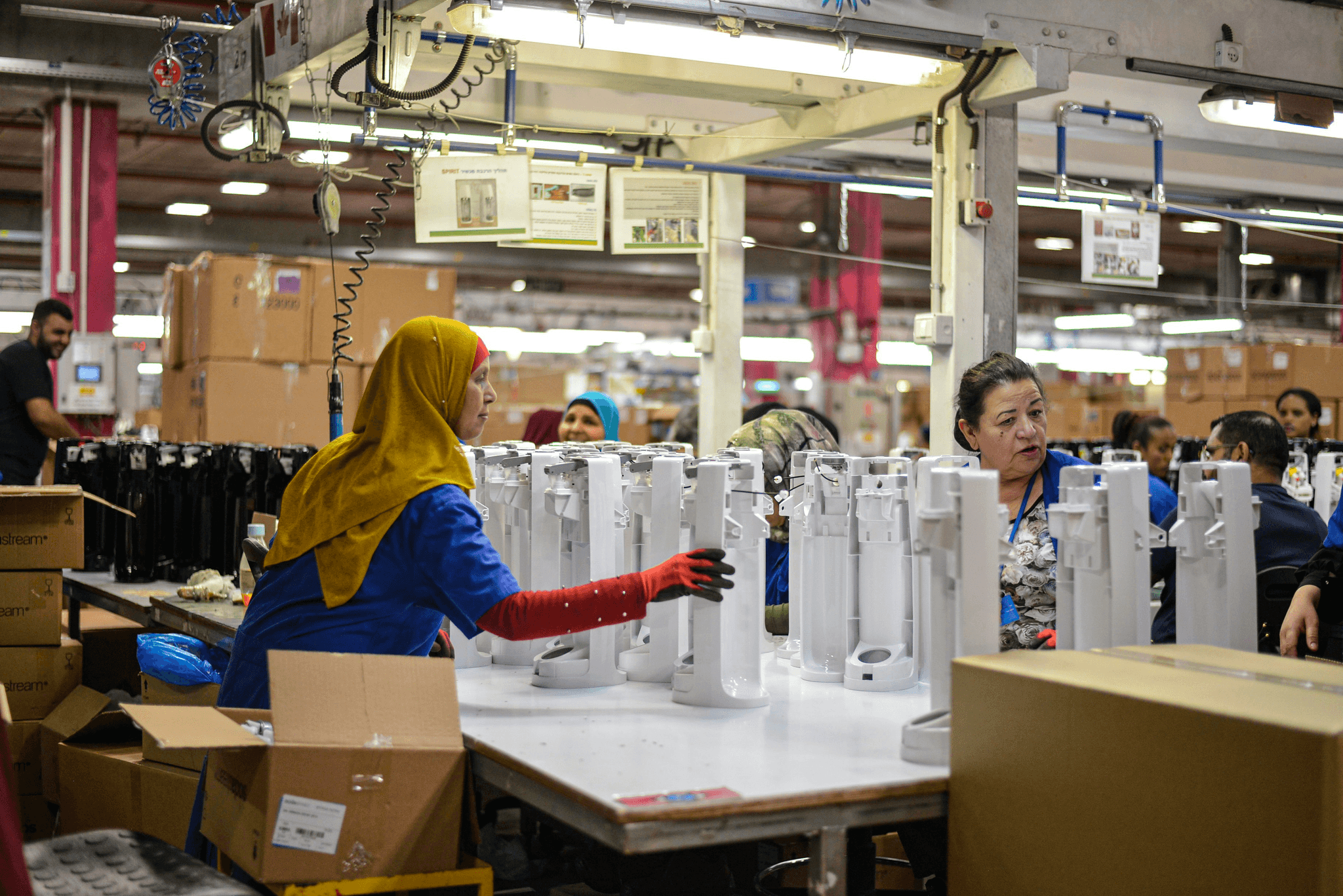
Finding the right production facility is crucial in the journey of manufacturing sporting goods. This decision can significantly impact your operational efficiency, product quality, and overall business success. Whether you choose to produce domestically or overseas, careful consideration of various factors will ensure that your manufacturing strategy aligns with your business goals.
Choosing Between Domestic and Overseas Production
When it comes to manufacturing sporting goods, one of the first decisions you'll face is whether to go domestic or overseas with your production facility. Domestic production often offers advantages like shorter shipping times and easier communication, but it can come at a higher cost. On the other hand, overseas production can be more cost-effective but may introduce challenges such as language barriers and longer lead times.
The choice between these two options should be guided by your target audience's preferences and your product specifications. If you're aiming for high-quality products with quick turnaround times, domestic facilities might be more appealing. Conversely, if you're looking to scale quickly while keeping costs low, overseas production could be the way to go.
Ultimately, weighing the pros and cons of each option will help you make an informed decision that supports your overall manufacturing strategy. Consider not only financial implications but also logistical aspects that may affect your supply chain.
Comparing Costs and Benefits
Once you've narrowed down potential locations for your production facility, it's time to dive into comparing costs and benefits associated with each option. Manufacturing sporting goods involves various expenses—labor costs, material sourcing expenses, transportation fees—that can differ greatly depending on where you set up shop. Conducting a thorough cost analysis will provide insight into which option aligns best with your budget while still meeting quality standards.
In addition to direct costs like labor and materials, consider indirect costs such as tariffs or import duties if you choose overseas production. These hidden expenses can sneak up on you if you're not vigilant during the planning phase of manufacturing sporting goods. Evaluating all these factors will equip you with a comprehensive understanding of what each facility offers in terms of value versus expenditure.
Moreover, don't forget about potential benefits beyond just financials—think about factors like scalability and flexibility in response to market demands as well! A facility that allows for quick adjustments in production volume could save you time and money in the long run.
Ensuring Compliance with Regulations
Navigating regulations is another critical aspect when finding a suitable production facility for manufacturing sporting goods. Different countries have varying laws concerning labor practices, environmental standards, safety regulations, and product compliance requirements that must be adhered to throughout the manufacturing process. Understanding these regulations will help ensure that your products meet industry standards while avoiding costly fines or disruptions down the line.
It's essential to conduct thorough research on both local laws where you plan to manufacture as well as international regulations related specifically to sporting goods—especially if you're considering overseas options! Partnering with legal experts who specialize in compliance matters can streamline this process significantly.
Lastly, establishing strong relationships with suppliers who are knowledgeable about regulatory requirements can further enhance compliance efforts within your entire supply chain management strategy when sourcing materials for manufacturing sporting goods effectively!
Develop a Quality Control System
In the competitive world of manufacturing sporting goods, establishing a robust quality control system is paramount. This system not only ensures that products meet high standards but also builds trust with customers and stakeholders. By focusing on quality assurance processes, inspections, and staff training, you can enhance your overall manufacturing strategy.
Implementing Quality Assurance Processes
Quality assurance processes are the backbone of effective manufacturing sporting goods. These processes involve systematic monitoring and evaluation at various stages of production to ensure that every item meets specified criteria. By integrating these practices into your operations, you can identify defects early, reduce waste, and enhance product reliability—key elements in the 4 essential steps in manufacturing sporting goods.
To implement these processes effectively, begin by defining quality benchmarks based on industry standards and customer expectations. Regular audits should be conducted to assess compliance with these benchmarks while fostering a culture of accountability among your production teams. Ultimately, a strong quality assurance framework will not only improve product quality but also streamline operations across your supply chain.
Utilizing China Inspection Pro for Inspections
When it comes to sourcing materials or finding a production facility overseas, utilizing services like China Inspection Pro can be a game-changer for manufacturers in the sporting goods sector. This platform provides comprehensive inspection services that help ensure your products meet international quality standards before they reach consumers' hands. With their expertise in assessing factories and conducting pre-shipment inspections, you can mitigate risks associated with overseas manufacturing.
By incorporating such inspection services into your quality control system, you gain an extra layer of confidence in the materials sourced and the final products produced. This proactive approach is crucial when navigating complex supply chains involved in manufacturing sporting goods while ensuring compliance with regulations across different markets. Moreover, regular inspections allow for timely adjustments to be made if any discrepancies arise during production.
Training Staff on Quality Standards
No quality control system can thrive without well-trained staff who understand the importance of maintaining high-quality standards throughout the manufacturing process. Training employees on these standards creates a workforce that is both knowledgeable and committed to excellence—a vital aspect when implementing a successful manufacturing strategy for sporting goods. Regular workshops and training sessions should focus on best practices related to material handling, equipment operation, and defect detection.
Moreover, fostering an environment where employees feel empowered to voice concerns about potential quality issues can significantly enhance overall product integrity. Incorporating feedback loops where staff contribute ideas for improving processes will further solidify their investment in achieving top-notch results while reducing errors during production runs—essential elements in finding a production facility that aligns with your vision for success in this competitive market.
In conclusion, developing an effective quality control system is integral to successful manufacturing sporting goods; it safeguards brand reputation while ensuring customer satisfaction through consistent product excellence.