
Introduction

Getting product requirements right at the outset is like laying a solid foundation for a building—without it, everything risks collapsing later. When you clarify requirements early on, you set clear expectations for material and design specifications, making it easier to prevent quality defects before they even occur. This proactive approach not only saves time but also helps you address quality defects in a QC checklist effectively, ensuring that every inspection point aligns with your product’s true needs.
Overlooking crucial details can be costly—think of costly rework, customer complaints, or even product recalls. Without detailed packaging requirements and thorough on-site product tests and checks, small issues can snowball into big problems that compromise your product's integrity. By paying close attention to these details from the start, you create a safety net that prevents quality defects from slipping through the cracks.
Effective communication is your secret weapon in saving your product from avoidable mistakes. Clear documentation—like defect classification systems and other documents that help you prevent quality defects—ensures everyone is on the same page, reducing misunderstandings along the way. When stakeholders understand product requirements fully and are aligned on packaging standards and inspection protocols, it becomes much easier to address quality defects proactively rather than reactively.
The Importance of Clear Product Requirements
Clear product requirements are the foundation for preventing quality defects before they even have a chance to take root. When specifications are ambiguous or incomplete, it becomes much harder to address quality defects in a QC checklist effectively, leading to costly rework and delays. Precise product requirements help all stakeholders understand exactly what is expected, streamlining on-site product tests and checks that verify conformity from the start.
Well-defined material and design specifications serve as the blueprint for preventing quality defects; they clarify what materials to use and how components should be assembled. Without these details, suppliers may cut corners or misunderstand expectations, making it tougher to address quality defects in a QC checklist later on. Incorporating comprehensive packaging requirements into the initial product requirements also ensures that packaging protects product integrity and meets compliance standards—preventing packaging-related quality issues down the line.
Setting precise functionality expectations is critical because vague descriptions often lead to inconsistent outcomes and increased defect rates. Clear communication about features allows inspectors during on-site tests and checks to verify whether products meet these standards right away, reducing the likelihood of defects slipping through. Additionally, aligning stakeholders on project goals ensures everyone is working toward the same quality benchmarks, which simplifies defect classification and helps identify root causes more efficiently.
Incorporating other documents that help you prevent quality defects—such as technical specifications, drawings, supplier quality agreements, and inspection reports—fortifies your product requirements. These documents act as supplementary tools that provide detailed guidance during manufacturing and inspection processes, making it easier to spot potential issues early. When all these elements are aligned through clear product requirements, you create a proactive environment where preventing quality defects becomes second nature rather than an afterthought.
Addressing Quality Defects in a QC Checklist
Effectively addressing quality defects in a QC checklist is the cornerstone of preventing quality defects and ensuring your product requirements are met. By incorporating critical inspection points, you create a comprehensive framework that captures potential issues early in the process. This proactive approach helps prevent quality defects from slipping through the cracks, saving time and costs down the line.
Prioritizing common defect types allows your team to focus on areas most prone to issues, making your QC checklist more targeted and efficient. When you understand which defect types frequently occur—whether related to packaging requirements or manufacturing flaws—you can tailor inspections accordingly. This strategic focus ensures that addressing quality defects becomes an ongoing process rather than a reactive afterthought.
Updating QC checklists with industry insights is essential for staying ahead of emerging challenges and integrating best practices. Incorporating data from on-site product tests and checks, along with other documents that help you prevent quality defects such as technical specifications or inspection reports, keeps your checklist relevant. Regular updates enable continuous improvement in product requirements and help prevent quality defects before they escalate.
Establishing Robust Packaging Requirements

Creating solid packaging requirements is essential to prevent quality defects from slipping through the cracks. When product requirements are clear and comprehensive, it becomes easier to address quality defects in a QC checklist, especially during on-site product tests and checks. Proper packaging not only safeguards the product but also minimizes the chances of damage or mislabeling, which are common sources of quality issues.
Ensuring Packaging Protects Product Integrity
To prevent quality defects related to damage during transit or handling, packaging must be designed with the product’s specific requirements in mind. Addressing quality defects in a QC checklist involves verifying that packaging materials meet industry standards and are suitable for the product's nature. Robust packaging requirements should include shock absorption, moisture resistance, and secure sealing—elements crucial for maintaining product integrity throughout the supply chain.
Including Labeling and Compliance Standards
Packaging isn't just about protection; it also involves accurate labeling that complies with international standards and regulations. Clear labeling helps prevent quality defects stemming from misidentification or incorrect information, which can lead to customer complaints or legal issues. Incorporating detailed labeling standards into your packaging requirements ensures consistency across shipments and helps you leverage other documents that help you prevent quality defects, such as technical specifications and inspection reports.
Preventing Packaging-Related Quality Issues
Many quality issues originate from inadequate packaging practices—such as improper sealing or insufficient cushioning—that can cause damage before products reach consumers. Regularly updating your QC checklist based on defect classification data allows you to identify recurring packaging-related problems early on. By establishing strict packaging requirements and conducting on-site product tests and checks, you can proactively address potential flaws before they escalate into costly returns or reputation damage.
Conducting On-site Product Tests and Checks
On-site product tests and checks are the frontline defense in preventing quality defects before products leave the factory. These real-time inspections allow teams to catch issues immediately, addressing quality defects in a QC checklist on the spot, which significantly reduces costly rework later. By embedding thorough product requirements into your testing procedures, you ensure that every item meets specified standards, preventing quality defects from slipping through the cracks.
When conducting these checks, leveraging data collected during inspections helps identify patterns that could lead to future defects. This proactive approach enables continuous improvement of your product requirements and packaging requirements, ensuring they remain aligned with industry standards. Incorporating other documents that help you prevent quality defects—like technical specifications and supplier quality agreements—further enhances your ability to prevent quality issues during on-site tests.
Collaborating with trusted partners like China Inspection Pro can boost the accuracy of your on-site product tests and checks. Their expertise ensures defect classification is precise, providing valuable insights into root causes of any issues detected. Regularly updating your QC checklist based on inspection data and defect classifications keeps your process sharp and prevents quality defects from recurring down the line.
Classifying and Analyzing Defects Effectively
To prevent quality defects effectively, establishing a robust defect classification system is essential. This system helps teams quickly identify and categorize issues during on-site product tests and checks, making addressing quality defects in a QC checklist more straightforward. When you classify defects properly, it becomes easier to prioritize corrective actions and streamline communication among stakeholders.
Tracking root causes over time is another critical step in preventing quality defects. By consistently analyzing defect data gathered from inspections and other documents that help you prevent quality defects, companies can uncover patterns that point to underlying issues in product requirements or packaging requirements. This ongoing analysis ensures continuous improvement, reducing the likelihood of recurring problems and enhancing overall product quality.
Using data to improve product requirements is the final piece of the puzzle. When defect classification reveals common flaws or recurring issues, this information should feed back into refining material specifications, design details, or packaging standards. Incorporating insights from defect analysis allows for proactive adjustments in product requirements, ultimately preventing quality defects before they reach the customer.
Leveraging Additional Documents to Prevent Quality Defects
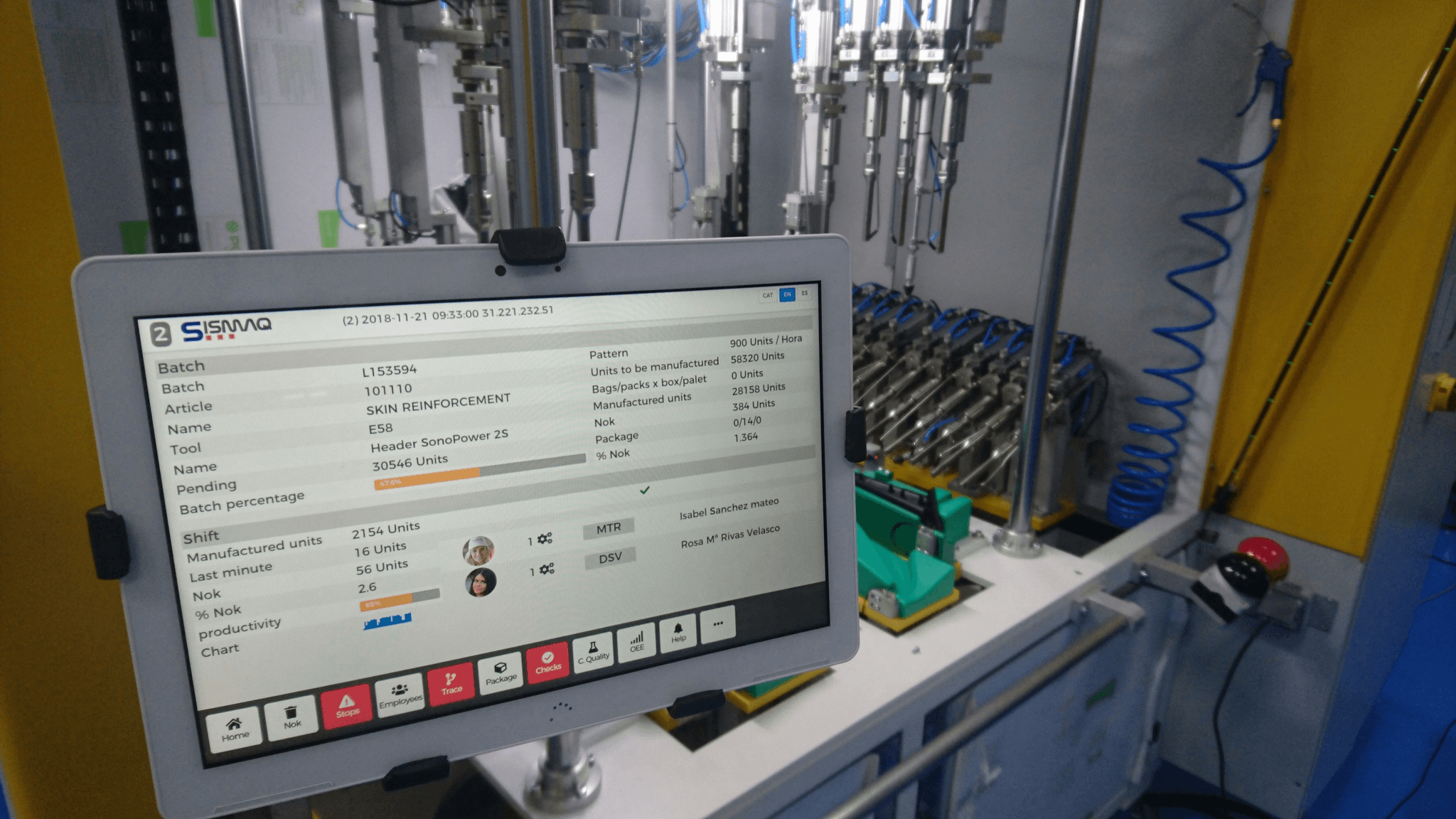
Utilizing other documents that help you prevent quality defects is a strategic move in maintaining high product standards. Technical specifications and drawings serve as the blueprint for product requirements, ensuring everyone is aligned on what needs to be achieved. When these documents are clear and detailed, they significantly reduce the risk of overlooking critical packaging requirements or other key aspects that could lead to defects.
Reviewing supplier quality agreements is another essential step in addressing quality defects in a QC checklist. These agreements set expectations for manufacturing processes, inspection standards, and defect classification protocols. By thoroughly examining these documents, you can identify potential gaps early on and implement corrective measures before issues escalate during on-site product tests and checks.
Incorporating inspection and test reports into your quality management system provides real-time data that helps prevent quality defects proactively. These reports offer insights into defect trends, root causes, and areas needing improvement—allowing you to refine product requirements accordingly. When combined with other documents like technical drawings or packaging standards, inspection reports empower teams to address quality defects efficiently and ensure consistent product excellence.
Conclusion
Clear product requirements are the backbone of preventing quality defects from slipping through the cracks. When teams understand exactly what is expected—whether it's material specifications, packaging requirements, or functionality—they can address quality defects in a QC checklist more effectively. This clarity ensures that everyone involved is aligned, reducing costly rework and boosting overall product quality.
China Inspection Pro plays a vital role in enhancing product quality by providing thorough on-site product tests and checks. These real-time inspections help catch issues early, allowing you to prevent quality defects before they reach your customer. By leveraging detailed defect classification and other documents that help you prevent quality defects, businesses can stay ahead of potential problems and maintain a high standard of excellence.
Utilizing additional documents such as technical specifications, supplier quality agreements, and inspection reports helps create a comprehensive approach to preventing quality defects. These resources provide valuable insights into packaging requirements and other critical details that might otherwise be overlooked. Incorporating these documents into your process fosters continuous improvement through better documentation, ultimately elevating your product’s reliability and customer satisfaction.