
Introduction
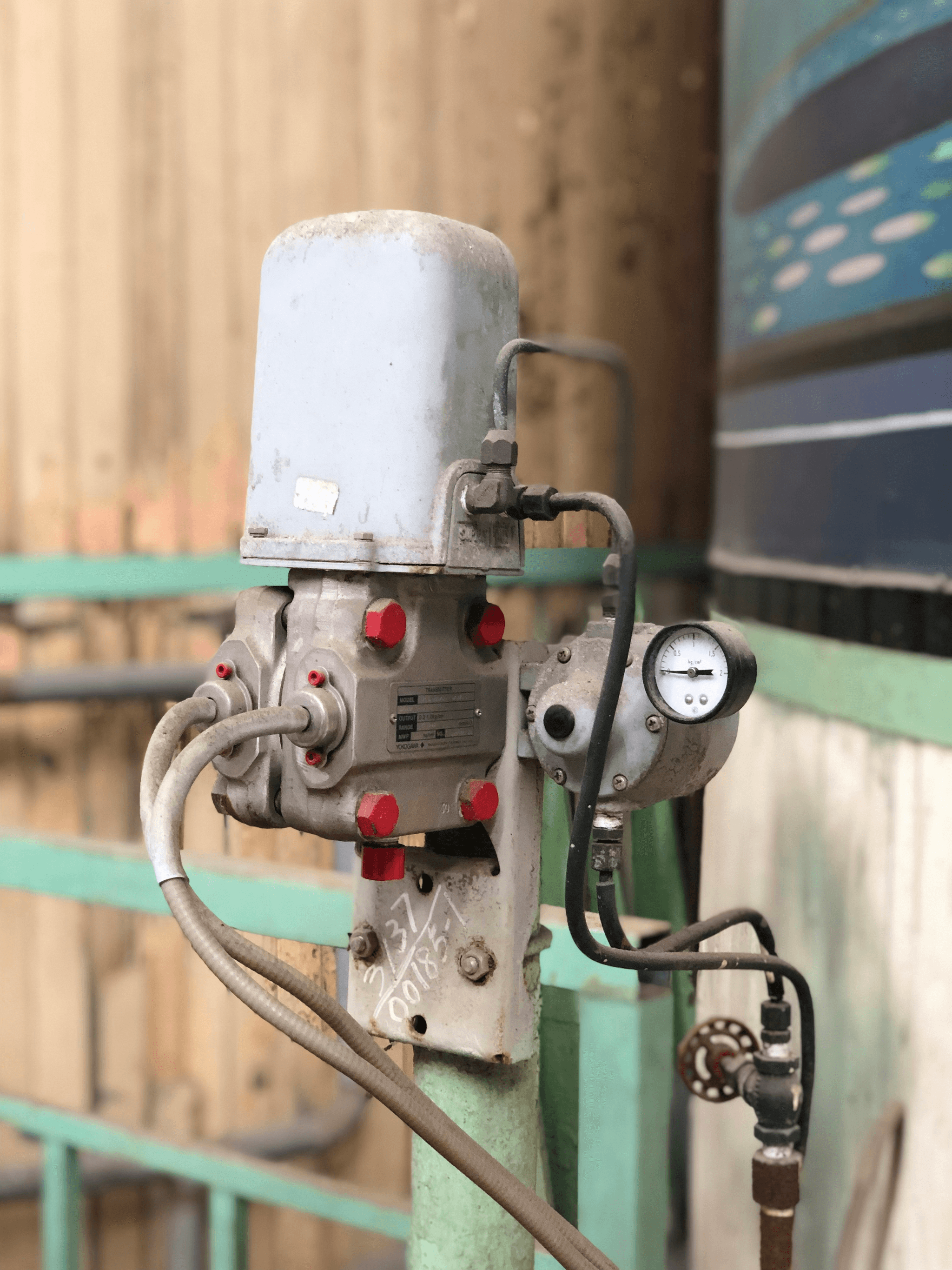
Keeping your pumps in top shape isn’t just about avoiding breakdowns; it’s about ensuring peak performance every day. Regular Pump Inspection plays a crucial role in catching issues early before they turn into costly repairs or downtime. By adhering to strict Pump Quality Control Standards, you can extend equipment life and maintain operational efficiency with confidence.
Ensuring Peak Performance with Pump Inspection
Pump Inspection is the secret weapon for maintaining optimal operation and preventing unexpected failures. Mechanical Inspections, including checking seals and bearings, are vital to identify wear and tear that could compromise performance. Incorporating Audible Inspections allows maintenance teams to listen for abnormal sounds indicating potential problems, while Visual Inspections help spot leaks or corrosion early on—making sure your pump runs smoothly and efficiently.
Why Regular Inspections Save You Money
Investing in routine Pump Inspection might seem like an extra expense at first glance, but it pays off by reducing costly repairs down the line. Consistent Mechanical, Audible, and Visual Inspections ensure issues are caught early, preventing major damage that could halt production or require expensive replacements. Adhering to Pump Quality Control Standards guarantees your equipment operates reliably, minimizing unplanned downtime and saving money over the long haul.
Understanding the Importance of Pump Quality Control Standards
Pump Quality Control Standards set the benchmark for safe and efficient operation across industries worldwide. These standards emphasize thorough inspections—mechanical, audible, and visual—to maintain high levels of reliability and safety. Following industry regulations not only ensures compliance but also enhances your facility’s reputation by demonstrating commitment to quality assurance in pump maintenance practices.
The Fundamentals of Pump Inspection
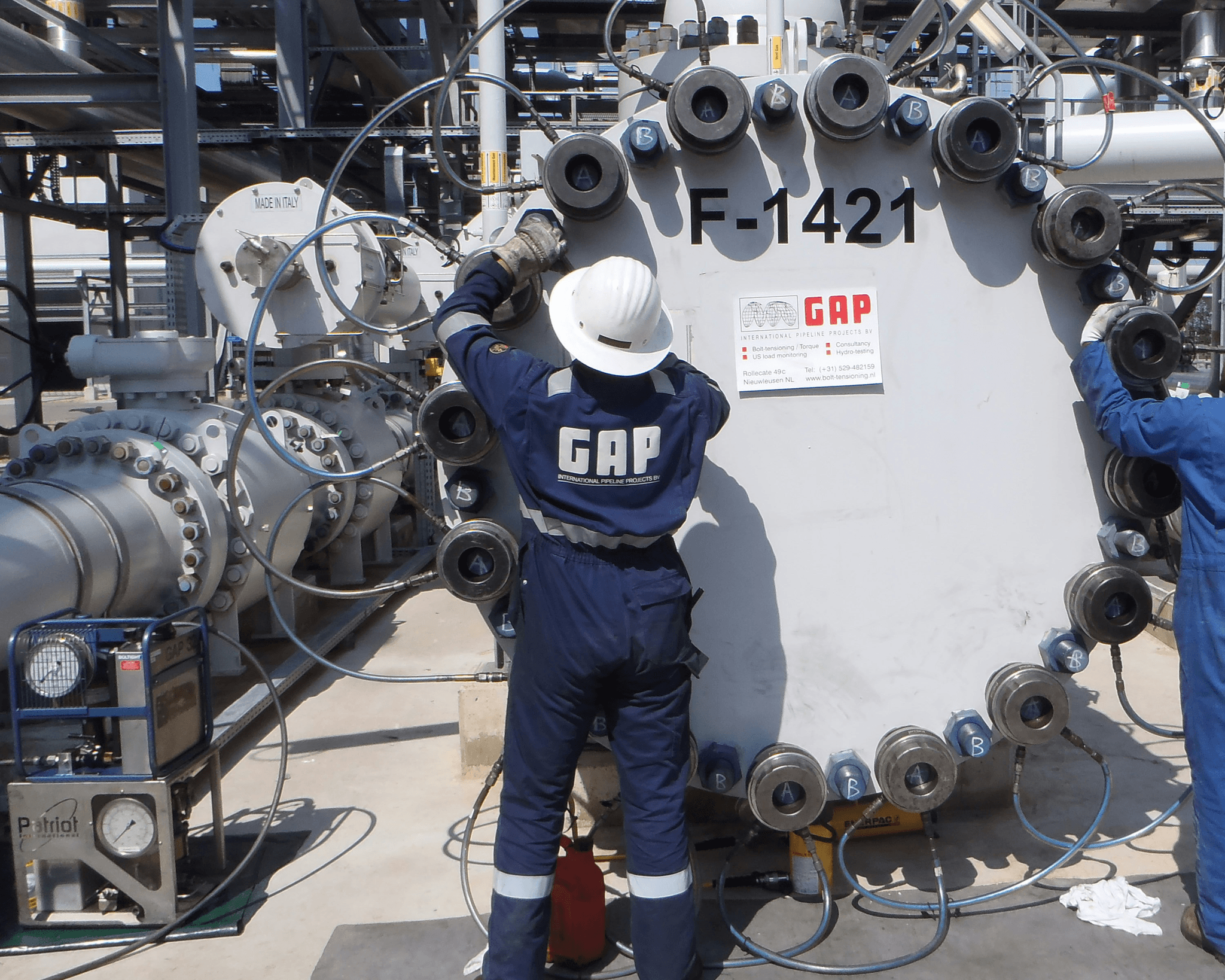
Understanding the core aspects of pump inspection is essential for maintaining optimal performance and extending the lifespan of your equipment. Mechanical inspections form the backbone of any comprehensive pump quality control standards, allowing technicians to identify issues before they escalate. Alongside mechanical checks, audible inspections and visual inspections work hand-in-hand to provide a well-rounded approach that keeps pumps running smoothly and efficiently.
Mechanical Inspections Unveiled
Mechanical inspections are the foundation of effective pump inspection routines, focusing on the physical components that keep a pump operating reliably. These inspections involve checking bearings, seals, impellers, and casings for signs of wear or damage that could compromise pump performance. Adhering to strict pump quality control standards during mechanical inspections ensures early fault detection and helps prevent costly breakdowns down the line.
Regular mechanical inspections are vital because they help identify issues like misalignment or bearing failure before they cause major problems. When performed consistently, these inspections support compliance with industry standards and boost overall equipment reliability. Incorporating thorough mechanical checks into your pump inspection plan is a smart move towards ensuring peak performance and longevity.
The Role of Audible Inspections in Maintenance
Audible inspections add an often-overlooked layer to routine pump inspection processes by listening for unusual sounds indicating trouble brewing inside the system. Strange noises such as grinding, squealing, or knocking can be early signs of bearing failure or cavitation—issues that threaten to derail your pump quality control efforts if left unchecked. By integrating audible inspections into regular maintenance schedules, technicians can catch problems early before they lead to costly repairs or downtime.
This type of inspection is especially valuable because it’s quick, non-invasive, and can be performed without dismantling equipment—saving time and resources while still providing critical insights into pump health. When combined with visual checks and adherence to industry standards for pump inspection procedures, audible assessments become an indispensable part of maintaining reliable operations.
Visual Inspections for Early Fault Detection
Visual inspections are perhaps the most straightforward yet powerful tool in any comprehensive pump inspection arsenal—think of them as your first line of defense against potential failures. During these checks, technicians look for leaks, corrosion spots, loose components, or abnormal wear patterns that could signal underlying issues affecting your pumps’ efficiency or safety compliance with Pump Quality Control Standards. Catching these visual cues early allows teams to address problems proactively rather than reactively.
Effective visual inspection practices should be an integral part of every routine maintenance cycle because they enable quick identification of faults before they develop into serious malfunctions. Coupling visual insights with mechanical evaluations and audible cues creates a holistic approach aligned with international standards—ultimately safeguarding your investment while ensuring continuous operation at optimal levels.
Key Components of a Comprehensive Pump Inspection Protocol
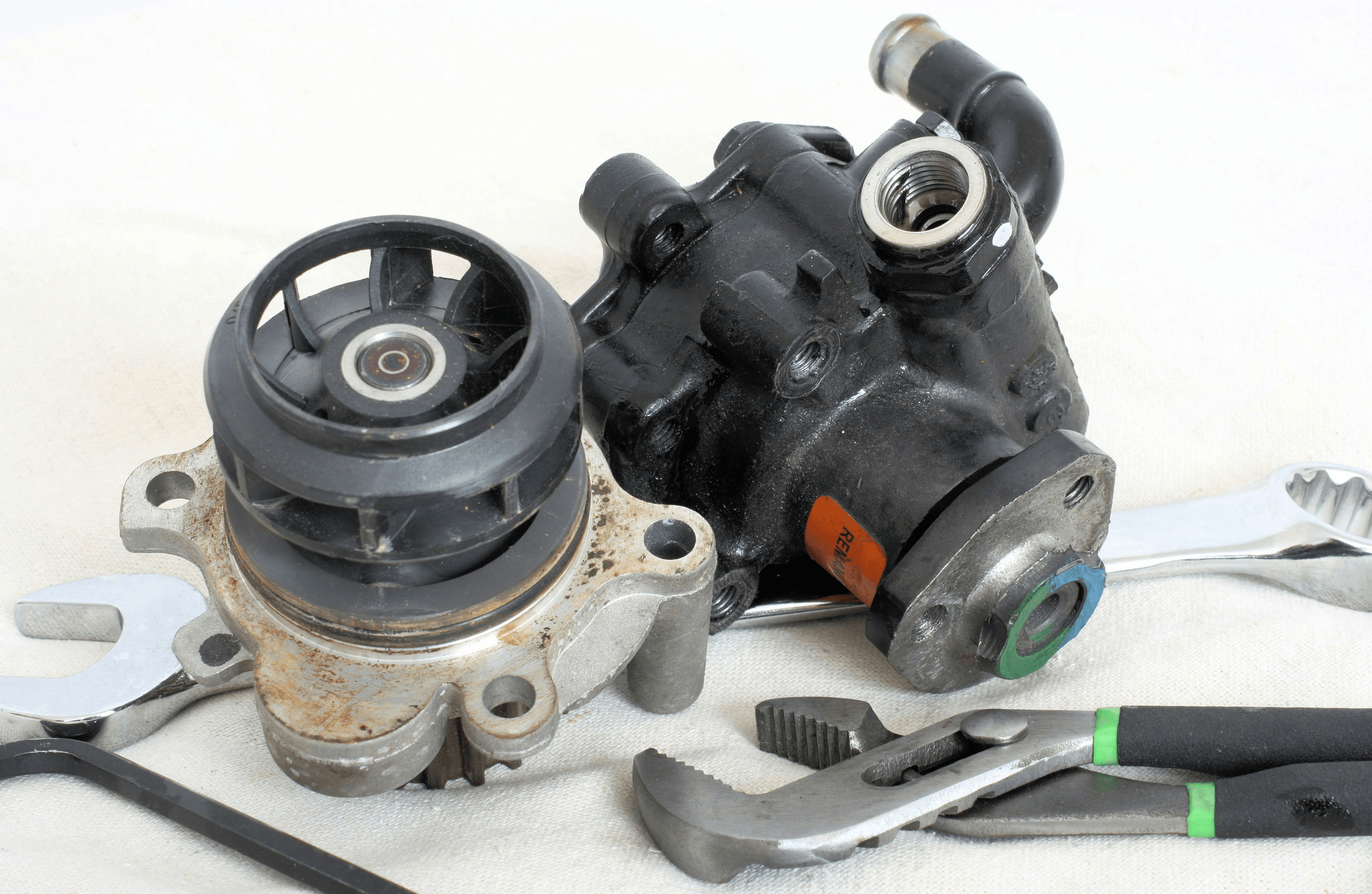
A thorough pump inspection is the backbone of maintaining optimal performance and adhering to pump quality control standards. It involves a combination of mechanical inspections, audible inspections, and visual inspections to catch issues early before they escalate into costly repairs. By focusing on these key components, you ensure your pump operates smoothly and reliably, aligning with industry standards.
Checking Bearings and Seals
Bearings and seals are critical to pump operation, often serving as the first line of defense against leaks and mechanical failures. During pump inspection, inspecting bearings for signs of wear or overheating is essential; unusual noises detected during audible inspections can indicate impending failure. Seals should also be checked for leaks or deterioration, as compromised seals can lead to contamination and reduced efficiency, violating pump quality control standards.
Inspecting Impellers and Casings
Impellers are at the heart of a pump’s ability to move fluids efficiently; therefore, inspecting them during a comprehensive pump inspection is vital. Visual inspections help identify cracks, corrosion, or erosion that could impair performance or cause vibrations detectable through audible inspections. Casings should also be examined for cracks or deformations that could compromise structural integrity—adhering to pump quality control standards ensures these components meet industry safety benchmarks.
Monitoring Pump Alignment and Mounting
Proper alignment and secure mounting are often overlooked but are fundamental during mechanical inspections for maintaining optimal vibration levels—detectable via audible inspections—and preventing undue wear on components. Misalignment can cause excessive vibration or noise that signals potential failure points in your pump system. Regularly monitoring these aspects not only aligns with pump quality control standards but also prolongs equipment lifespan by reducing unnecessary stress on parts.
Implementing Effective Pump Inspection Schedules
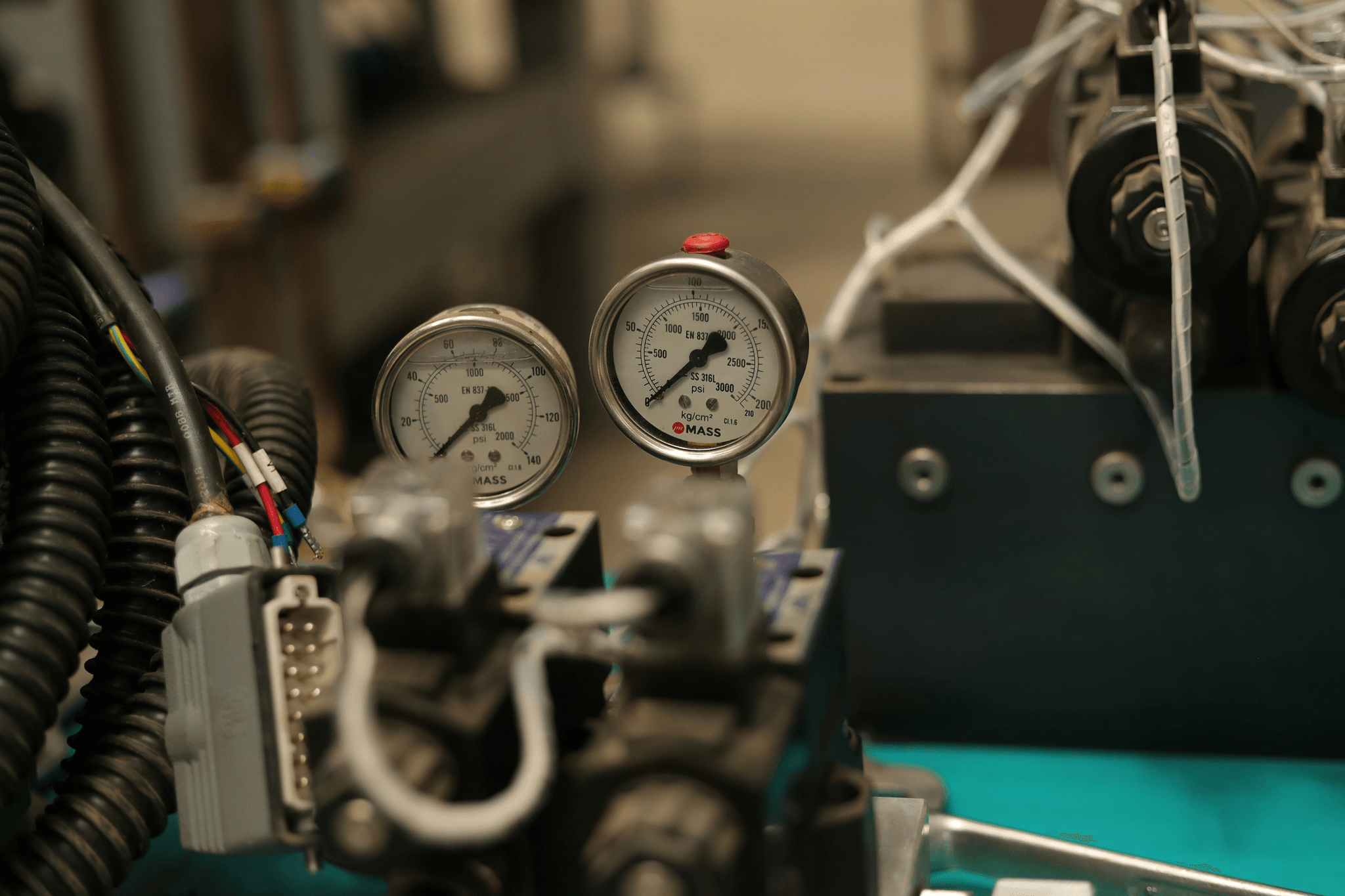
Establishing a robust pump inspection schedule is the backbone of maintaining optimal performance and extending equipment lifespan. A well-planned approach balances routine checks with predictive strategies, ensuring issues are caught early before they escalate into costly repairs. Incorporating thorough Mechanical Inspections, Audible Inspections, and Visual Inspections aligns perfectly with Pump Quality Control Standards, creating a comprehensive safety net for your operations.
Routine versus Predictive Inspections
Routine inspections serve as the first line of defense against pump failures, involving scheduled Mechanical Inspections, Audible Inspections, and Visual Inspections to catch obvious signs of wear or damage. These checks are typically performed at regular intervals based on manufacturer recommendations or industry standards to ensure consistent performance. Conversely, predictive inspections leverage data collection and analysis tools to forecast potential failures before they happen, allowing maintenance teams to plan repairs proactively in accordance with Pump Quality Control Standards.
The key difference lies in their approach: routine inspections follow a fixed schedule regardless of equipment condition, while predictive inspections adapt based on real-time data insights. Combining both methods ensures your pump operates smoothly while adhering to industry best practices for Pump Inspection schedules. This hybrid approach minimizes downtime and maximizes reliability by aligning maintenance activities with actual equipment needs rather than arbitrary timelines.
Leveraging Automation and Data Collection
Modern pump maintenance hinges on leveraging automation and data collection for smarter inspection routines. Automated systems can continuously monitor vibration levels, temperature fluctuations, and sound patterns—crucial aspects covered during Audible Inspections—providing real-time insights into pump health. Integrating sensors that track these parameters helps enforce Pump Quality Control Standards by delivering precise information that guides maintenance decisions.
Data-driven approaches enable maintenance teams to perform targeted Mechanical Inspections only when anomalies are detected or predicted through analytics software. This not only saves time but also enhances accuracy in identifying potential issues like seal leaks or bearing degradation early on. By harnessing automation alongside traditional visual checks and audible assessments, companies can optimize their pump inspection schedules effectively—reducing unexpected failures and improving overall reliability.
Best Practices from Companies like China Inspection Pro
Leading organizations such as China Inspection Pro exemplify best practices in implementing effective pump inspection schedules by emphasizing strict adherence to Pump Quality Control Standards combined with innovative inspection techniques. They prioritize routine Mechanical Inspections complemented by regular Audible Checks to detect subtle changes in sound that could indicate internal problems—like cavitation or imbalance—that might otherwise go unnoticed until failure occurs.
Furthermore, these companies integrate advanced data collection tools into their inspection protocols, enabling predictive maintenance strategies that align perfectly with industry standards for pump quality assurance. Their approach demonstrates how leveraging expertise from professional inspection services can elevate your preventive maintenance plans—ensuring your pumps stay reliable longer while reducing operational costs.
Common Pump Issues and How to Detect Them
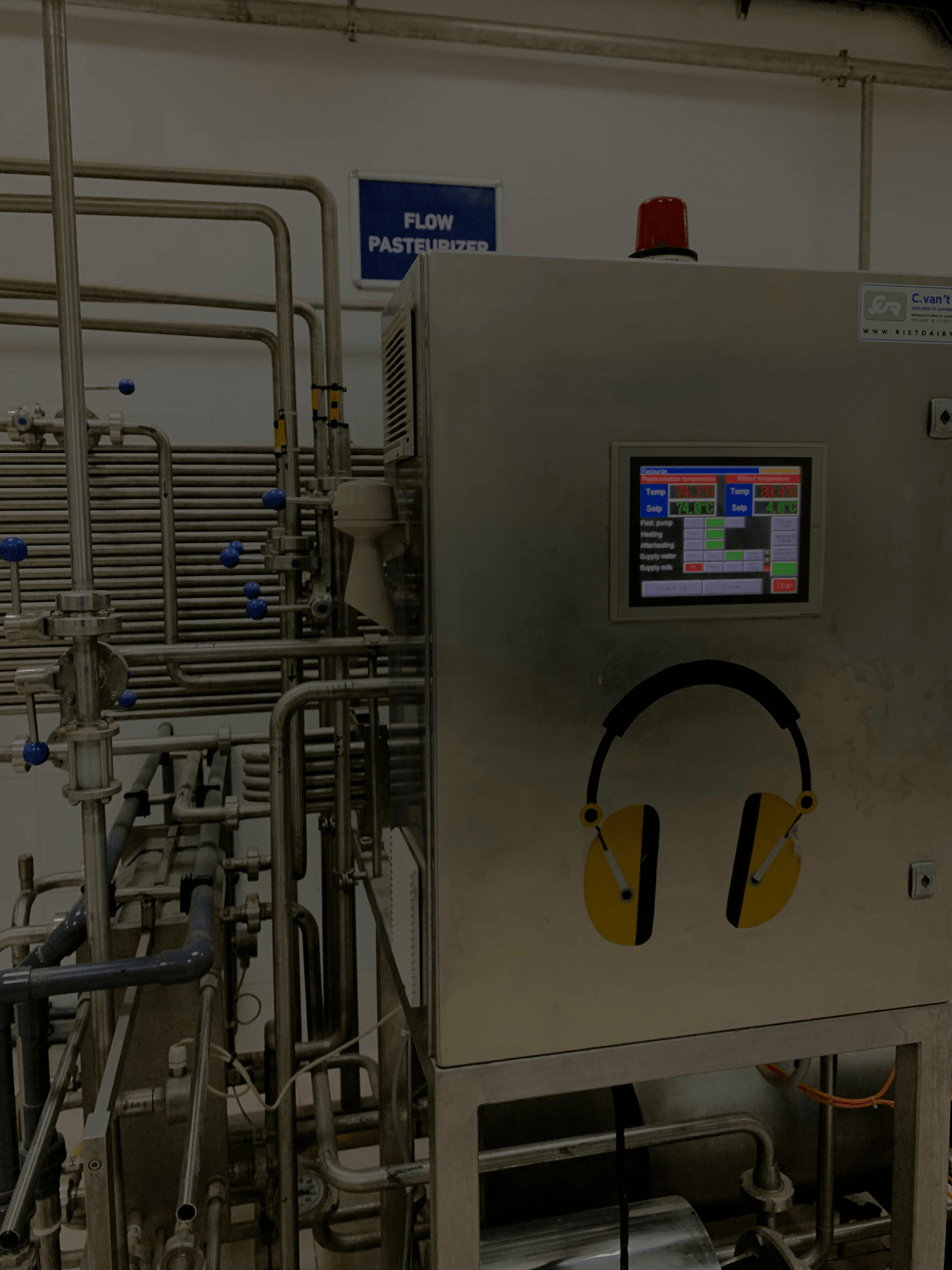
Even the most robust pumps can fall prey to common issues that threaten their performance and longevity. Regular Pump Inspection is essential to catch these problems early, preventing costly downtime and repairs. By integrating Mechanical Inspections, Audible Inspections, and Visual Inspections into your routine, you can uphold Pump Quality Control Standards and keep your equipment running smoothly.
Signs of Cavitation and Vibration
Cavitation is one of the sneakiest culprits behind pump failure, often manifesting as excessive vibration or noise during operation. Audible Inspections are invaluable here—they help detect abnormal sounds like banging or a high-pitched squeal that signal cavitation issues. Incorporating thorough Pump Inspection routines ensures you catch these symptoms early, aligning with strict Pump Quality Control Standards before they escalate into major damage.
Identifying Corrosion and Wear
Corrosion and wear are silent enemies that can quietly degrade pump components over time. Visual Inspections play a critical role in spotting rust, pitting, or erosion on impellers and casings—key indicators that your pump isn't performing at its best. Regular Mechanical Inspections help monitor these signs closely, ensuring your team maintains compliance with Pump Quality Control Standards while extending equipment lifespan.
Troubleshooting Power and Performance Drop
A sudden drop in power or efficiency often points to underlying issues like impeller damage or misalignment—problems best caught through comprehensive Pump Inspection protocols. Listening for unusual noises during Audible Inspections can reveal mechanical misalignments or bearing failures affecting performance. Addressing these early with diligent inspections not only adheres to industry standards but also keeps your operations humming without unexpected surprises.
Adhering to Pump Quality Control Standards
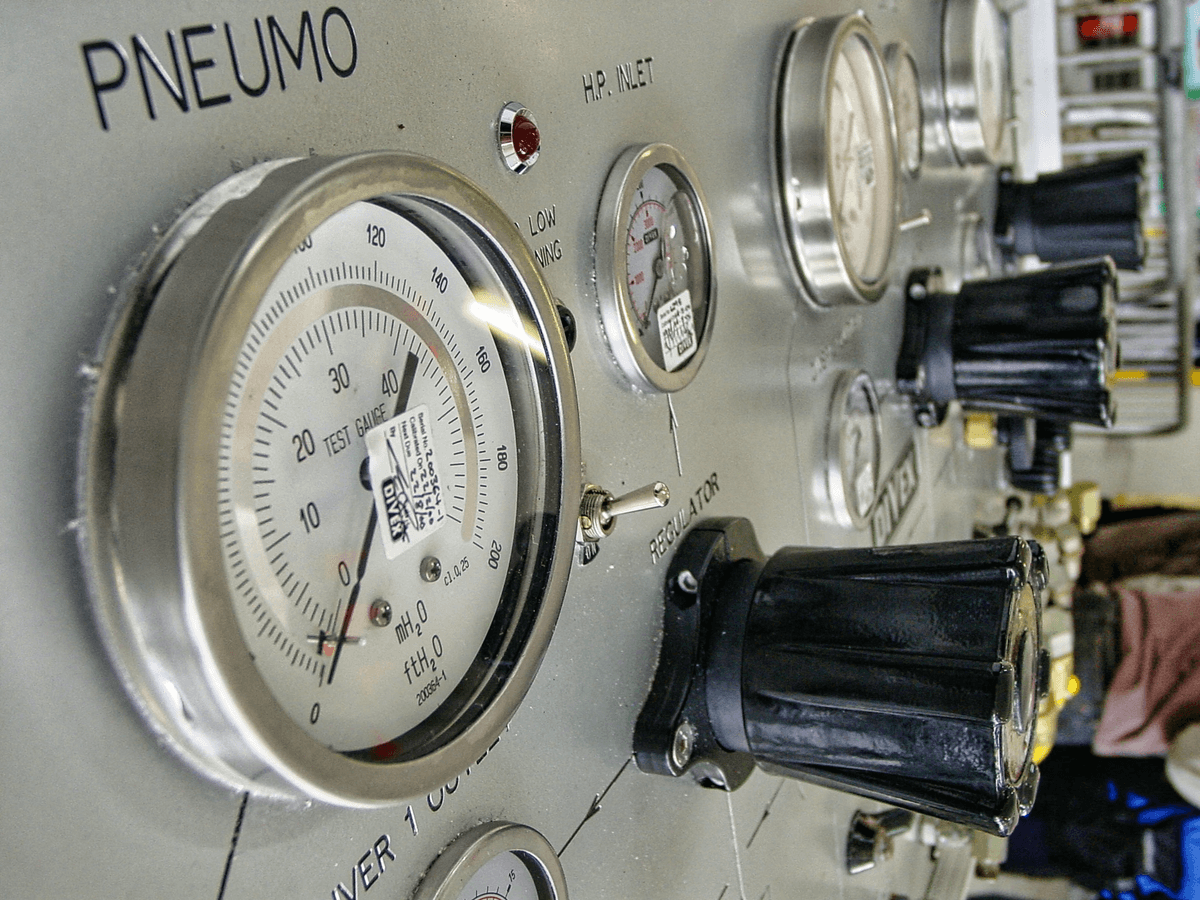
Maintaining top-notch pump performance isn't just about routine checks; it’s about aligning with the right standards to ensure reliability and efficiency. Pump Inspection plays a crucial role in upholding these standards by emphasizing Mechanical Inspections, Audible Inspections, and Visual Inspections. When these inspection methods are integrated into your quality control protocols, you’re better equipped to detect early faults and prevent costly failures down the line.
Adhering to internationally recognized Pump Quality Control Standards provides a framework for consistent inspection procedures. These standards often specify detailed guidelines for Mechanical Inspections, ensuring that components like bearings and seals meet safety and performance benchmarks. Incorporating Audible Inspections helps identify abnormal noises that signal underlying issues, while Visual Inspections allow for quick detection of corrosion or wear—keeping your pump in tip-top shape.
Ensuring compliance with industry regulations is essential for avoiding penalties and maintaining operational licenses. Regular Pump Inspection guided by established standards ensures your equipment adheres to safety protocols and environmental requirements. Companies like China Inspection Pro support this process by offering expert guidance on implementing industry-specific pump quality control measures, helping you stay ahead of compliance challenges while optimizing maintenance routines.
Enhancing Maintenance with Professional Inspection Services
Partnering with professional inspection services elevates your maintenance game by ensuring that every pump operates at peak efficiency. These specialists bring a keen eye for detail, conducting thorough Mechanical Inspections, Audible Inspections, and Visual Inspections that uncover hidden issues before they escalate. When you outsource Pump Inspection to seasoned experts, you're not just ticking boxes—you’re proactively safeguarding your equipment against unexpected failures and costly downtime.
Benefits of Outsourcing to Experts
Outsourcing Pump Inspection to industry professionals guarantees adherence to stringent Pump Quality Control Standards, which is crucial for maintaining reliable operations. Experts utilize advanced tools and techniques for Mechanical Inspections and Audible Inspections that might be overlooked during routine in-house checks. This approach saves time, reduces human error, and ensures compliance with international standards—delivering peace of mind while freeing your team to focus on core tasks.
Case Study: Boosting Reliability in Manufacturing
A manufacturing plant struggling with frequent pump failures decided to partner with a specialized inspection firm. Through comprehensive Visual Inspections combined with Audible Inspections and rigorous Mechanical Checks, the company identified early signs of seal wear and misalignment—issues that violated Pump Quality Control Standards. After implementing the recommended maintenance plan based on detailed inspection results, the plant saw a 30% reduction in downtime and significant cost savings due to fewer emergency repairs.
Integrating Inspection Results into Maintenance Plans
Incorporating detailed findings from professional Pump Inspection services into your maintenance schedule transforms reactive fixes into proactive strategies. Regular reports from Mechanical, Audible, and Visual Inspections help prioritize repairs aligned with Pump Quality Control Standards, ensuring longevity and optimal performance. This integration creates a cycle of continuous improvement where inspections inform maintenance planning—keeping pumps running smoothly longer.
Conclusion
Ensuring your pumps operate at peak performance starts with diligent Pump Inspection. Regularly conducting Mechanical Inspections, Audible Inspections, and Visual Inspections not only prolongs equipment life but also keeps unexpected breakdowns at bay. Adhering to strict Pump Quality Control Standards is the cornerstone of reliable operations and cost savings in the long run.
Elevate Your Pump Reliability with Proper Inspections
When you prioritize proper Pump Inspection routines, you're investing in the longevity and dependability of your equipment. Mechanical Inspections help catch wear and tear early, while Audible Inspections can alert you to issues that aren't visible but are just as critical. Coupled with Visual Inspections, these practices form a comprehensive approach aligned with Pump Quality Control Standards that guarantee your pumps perform optimally day after day.
The Value of Strict Mechanical and Audible Checks
Mechanical Checks are vital for identifying subtle signs of component fatigue or misalignment before they escalate into costly failures. Meanwhile, Audible Inspections serve as an early warning system—listening for unusual sounds that indicate problems lurking beneath the surface. Together, strict Mechanical and Audible Checks reinforce your commitment to maintaining high Pump Quality Control Standards, saving money and preventing downtime.
Partnering with China Inspection Pro for Quality Assurance
Partnering with experts like China Inspection Pro elevates your maintenance game by integrating professional Pump Inspection services into your routine. Their specialists excel in providing thorough Mechanical, Audible, and Visual Inspections aligned with industry standards—ensuring compliance with global Pump Quality Control Standards. With their support, you can confidently uphold high-quality standards while optimizing pump performance and minimizing operational risks.