
Introduction
Performing a Pump Casing Hydrostatic Test is more than just a routine check; it's a vital step in ensuring the integrity and longevity of your pump system. This liquid testing process helps detect potential weaknesses before they turn into costly failures, saving time and money in the long run. When it comes to pump casing inspection, understanding why this test matters can make all the difference in maintaining safe and efficient operations.
Why Pump Casing Hydrostatic Test Matters
The importance of conducting a Pump Casing Hydrostatic Test cannot be overstated, especially when it involves liquid testing to verify the strength of your pump casing. This test allows technicians to identify leaks or cracks that could compromise safety or cause operational downtime. Ensuring that the water temperature for testing is properly regulated during this process enhances accuracy and prevents false readings, making every pump casing inspection more reliable.
Ensuring Compliance and Safety Standards
Compliance with industry safety standards is essential for any operation involving pump systems, and a thorough Pump Casing Hydrostatic Test is often part of these requirements. Properly executed liquid testing not only confirms the structural integrity but also assures regulatory bodies that your equipment meets strict safety criteria. Regularly scheduled pump casing inspections help maintain high safety standards while reducing risks associated with unexpected failures or accidents.
How China Inspection Pro Supports Your Testing Needs
When it comes to expert support for your pump casing inspection needs, China Inspection Pro stands out as a trusted partner. We provide comprehensive services tailored to ensure your hydrostatic tests are performed correctly, including guidance on water temperature for testing and precise data recording during liquid testing procedures. With our professional assistance, you can confidently uphold safety standards and extend the lifespan of your pump systems through regular inspections—making sure every hydrostatic test delivers accurate results every time.
Understanding Pump Casing Hydrostatic Test
The Pump Casing Hydrostatic Test is a crucial step in pump casing inspection, designed to verify the integrity and safety of the casing under pressure. During this test, the pump casing is filled with liquid, usually water, and pressurized to check for leaks or weaknesses. Conducting this test properly ensures that the pump casing can withstand operational pressures without failure, making it an essential part of maintenance and quality assurance.
A key aspect of the Pump Casing Hydrostatic Test involves selecting the right water temperature for testing. Using water at an appropriate temperature helps prevent thermal stresses that could lead to false leak detections or damage during liquid testing. Proper management of water temperature for testing not only improves accuracy but also extends the lifespan of the pump casing by reducing material stress during inspection.
Understanding the typical industries and applications where pump casing inspection with hydrostatic testing is employed highlights its importance across various sectors. Industries such as oil and gas, power generation, chemical processing, and water treatment rely heavily on ensuring their equipment’s integrity through liquid testing. These industries depend on rigorous Pump Casing Hydrostatic Tests to maintain safety standards and comply with regulatory requirements.
Preparing for the Hydrostatic Test
Getting ready for a pump casing inspection involves more than just flipping a switch and hoping for the best. Proper preparation ensures your pump casing inspection yields accurate results and helps identify potential issues before they become costly disasters. The key is to plan carefully, paying close attention to water temperature for testing, selecting the correct pump casing, and gathering all necessary equipment and documentation.
Before diving into the liquid testing phase, it’s crucial to select the right pump casing for inspection. Not all casings are created equal—some are designed for specific pressure ranges or materials—and choosing the wrong one can compromise your entire hydrostatic test. Ensuring you have the appropriate pump casing on hand sets a solid foundation for a successful Pump Casing Hydrostatic Test that accurately reflects its integrity.
Next up is understanding the importance of water temperature for testing. The water used during hydrostatic testing should be at an optimal temperature—usually between 20°C and 25°C—to ensure accurate pressure readings and prevent thermal stresses that could skew results. Managing water temperature for testing carefully not only protects your equipment but also guarantees reliable data during liquid testing procedures.
Finally, gathering all necessary equipment and documentation is essential before starting any pump casing inspection. This includes pressure gauges, safety gear, test certificates, and detailed records of previous inspections or repairs. Properly prepared with these tools in hand, you’ll streamline your process and make sure every aspect of your hydrostatic test adheres to safety standards while providing trustworthy results.
Step-by-Step Guide to Conducting the Test
Performing a Pump Casing Hydrostatic Test requires precision and attention to detail. It begins with ensuring the pump casing is properly prepared for liquid testing, which involves filling it with water or an appropriate test fluid. During this phase, maintaining the correct water temperature for testing is crucial, as temperature fluctuations can affect the accuracy of the test results and potentially lead to misinterpretation of the pump casing inspection outcomes. Once filled, verifying that all connections are secure prevents leaks that could compromise the integrity of the liquid testing process.
Filling the Pump Casing with Liquid
The first step in a successful pump casing inspection involves filling the casing with water or a suitable liquid testing medium. It’s important to remove any trapped air pockets during filling because they can cause inconsistent pressure readings and obscure leak detection efforts. Ensuring that the water temperature for testing is within recommended limits helps maintain consistent material properties and accurate results throughout the hydrostatic test. Proper filling also means checking that all valves are closed tightly once filled to prevent accidental pressure drops during subsequent steps.
Applying Test Pressure Safely
Once filled, applying test pressure must be done gradually and carefully to avoid damaging the pump casing or causing safety hazards. Using calibrated pressure equipment ensures accurate readings during this phase of liquid testing; over-pressurizing can lead to false failures or even catastrophic failure of your pump casing inspection process. Always monitor water temperature for testing closely since it influences how materials respond under pressure—too hot or too cold can distort results or mask leaks. Safety protocols should be strictly followed during pressurization, including wearing protective gear and having emergency relief valves in place.
Monitoring and Recording Test Data
Throughout the hydrostatic test, continuous monitoring is essential for detecting leaks or weaknesses in your pump casing inspection process. Record all data meticulously—pressure levels, water temperature for testing, duration of each phase—and watch for any sudden drops indicating potential failure points. This detailed documentation not only aids in interpreting test results but also provides evidence needed for certification standards compliance later on; remember, a thorough record keeps your pump casing inspection transparent and trustworthy. Regularly checking gauges and noting environmental conditions ensures you capture an accurate picture of your pump’s integrity under simulated operational stresses.
Common Challenges and How to Overcome Them
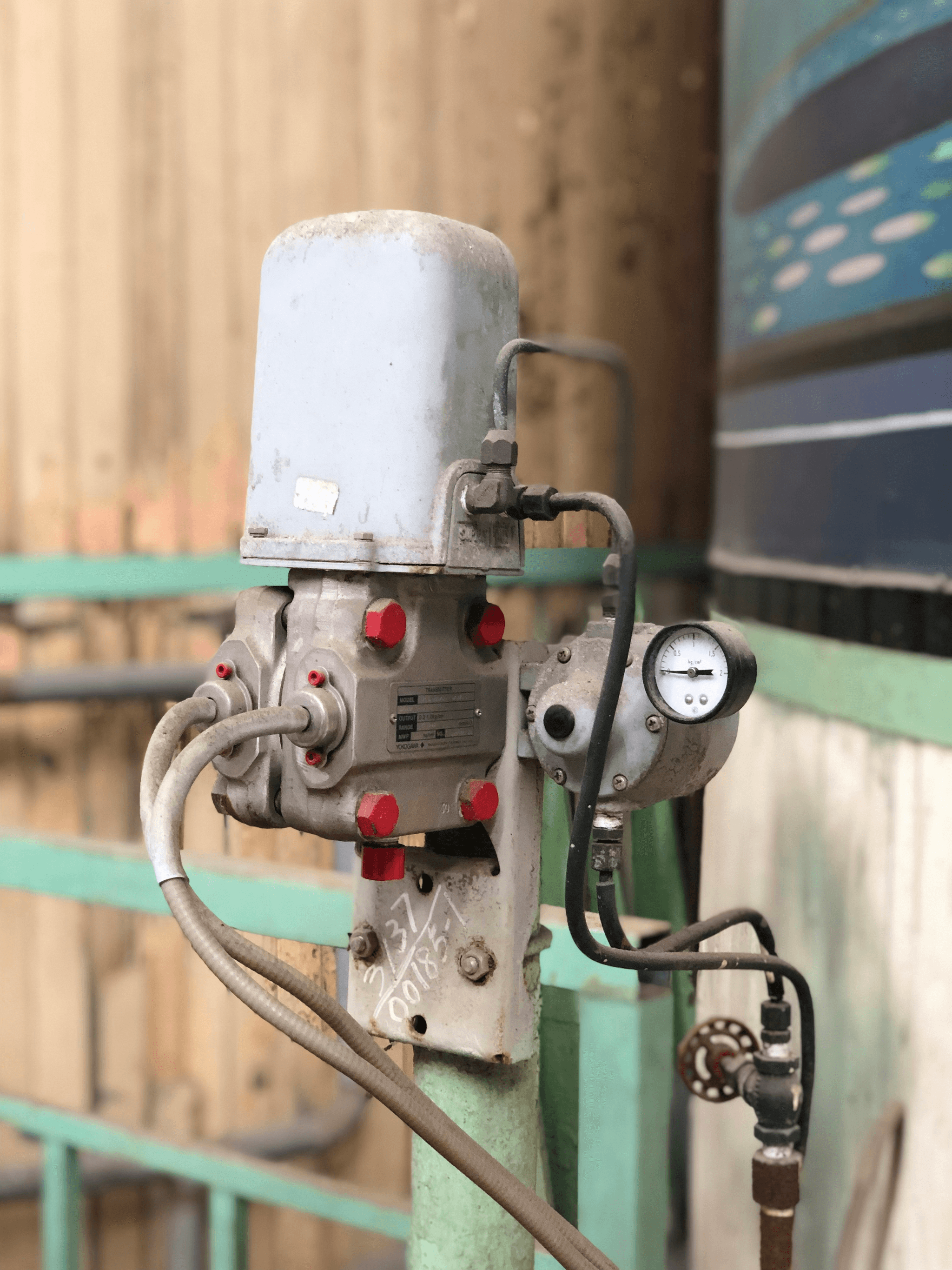
Conducting a Pump Casing Hydrostatic Test isn’t always smooth sailing; even seasoned professionals encounter hurdles along the way. From leaks to temperature issues, these challenges can compromise the accuracy of your pump casing inspection and delay certification. Knowing how to troubleshoot these common problems ensures your liquid testing remains reliable and efficient.
Identifying Leaks During Liquid Testing
Leaks are the nemesis of any pump casing inspection, often hiding in plain sight until they cause trouble. During a Pump Casing Hydrostatic Test, a tiny leak can go unnoticed if you're not vigilant, leading to inaccurate results or missed defects. To catch leaks early, it's vital to monitor pressure drops and visually inspect all joints and welds carefully during the liquid testing process.
Using proper equipment like pressure gauges and soap solution can help reveal even minor leaks that might otherwise escape notice. Remember, water temperature for testing plays a crucial role—if it's too cold or hot, it may affect material expansion and hide small leaks. Consistent water temperature for testing ensures more accurate leak detection during your pump casing inspection.
Managing Water Temperature Fluctuations
Water temperature fluctuations during a Pump Casing Hydrostatic Test can throw off your entire assessment by affecting material behavior and pressure readings. If water is too hot or cold, it might cause expansion or contraction in the pump casing material, leading to false positives or negatives in leak detection during liquid testing. Maintaining a stable water temperature for testing is essential for consistent results.
To manage this challenge effectively, use insulated tanks or controlled heating/cooling systems when preparing water for testing. Ensuring uniformity in water temperature helps prevent misinterpretation of test data and strengthens the credibility of your pump casing inspection report.
Dealing with Unexpected Pressure Loss
Unexpected pressure loss during the hydrostatic test can be perplexing—did you miss a leak? Did the equipment malfunction? Such issues demand quick troubleshooting because they cast doubt on whether your pump casing is truly sound or if something went wrong during liquid testing.
First, double-check all connections, valves, and fittings—sometimes a loose seal causes sudden pressure drops that mimic leaks. If no visible issues are present but pressure continues to decline unexpectedly, consider re-evaluating your water temperature for testing; improper temperatures may impact material integrity under test conditions. Addressing these unexpected pressure losses promptly guarantees accurate interpretation of test results and enhances overall safety standards.
Interpreting Test Results and Certification
Once the pump casing inspection is complete, the real work begins—interpreting the data collected during the Pump Casing Hydrostatic Test. Analyzing pressure and leakage data helps determine whether the casing can withstand operational stresses or if it requires repairs. Proper evaluation ensures that water temperature for testing was maintained within optimal ranges, as fluctuations can skew results and lead to misdiagnosis of potential issues.
Understanding how to interpret these results is crucial for making informed decisions about equipment safety and longevity. If pressure drops or leaks are detected during liquid testing, it indicates possible weaknesses or cracks in the pump casing that need addressing before deployment. Accurate analysis not only confirms compliance with standards but also guides necessary pump casing inspection intervals, preventing costly failures down the line.
Certification and quality assurance standards hinge on thorough documentation of test outcomes. When a pump casing passes hydrostatic testing with acceptable pressure and leakage levels, it can be certified safe for use in various industries. Ensuring that these certifications align with international standards reinforces confidence in your equipment’s integrity—especially when considering water temperature for testing, which must be carefully controlled throughout liquid testing to guarantee valid results.
Best Practices for Effective Pump Casing Inspection
Maintaining the integrity of your pump casing through regular inspection is crucial to prevent costly failures and downtime. Establishing a consistent routine for pump casing inspection, including scheduled pump casing hydrostatic tests, ensures early detection of potential issues. Remember, the water temperature for testing during these inspections should be carefully controlled to mimic real operating conditions and produce reliable results.
Professional services from China Inspection Pro play a pivotal role in optimizing your pump casing inspection process. Their expertise ensures that every liquid testing phase is performed accurately, adhering to industry standards and safety protocols. Leveraging their experience can help you interpret test data more effectively and make informed decisions about maintenance or repairs.
Enhancing safety and reliability isn't a one-time effort; it requires ongoing vigilance through regular checks. Conducting routine pump casing hydrostatic tests with proper attention to water temperature for testing helps identify weaknesses before they become catastrophic failures. Trusting professional inspectors from China Inspection Pro guarantees thorough assessments, giving you confidence in your equipment’s durability and operational safety.
Conclusion
Successfully conducting a Pump Casing Hydrostatic Test is crucial for ensuring the integrity and safety of your pump systems. Remember, proper preparation, accurate water temperature for testing, and thorough liquid testing procedures are the backbone of reliable results. Engaging professional pump casing inspection services can make all the difference in catching potential issues before they escalate.
Key Takeaways for Successful Hydrostatic Testing
The key to a successful Pump Casing Hydrostatic Test lies in meticulous planning and execution. Always ensure you select the right pump casing for inspection and maintain optimal water temperature for testing to prevent false readings or damage during liquid testing. Accurate monitoring and recording of test data are vital, as they help identify leaks or weaknesses that could compromise your system's performance.
Importance of Professional Inspection Services
Relying on professional inspection services from trusted providers like China Inspection Pro can streamline your pump casing inspection process. Experts bring experience in managing water temperature for testing, ensuring compliance with safety standards while minimizing risks associated with liquid testing procedures. Their expertise guarantees that every pressure test is thorough, precise, and compliant with industry standards—saving you time and avoiding costly mistakes.
Building Confidence in Pump Casing Integrity
Regularly performing pump casing inspections through proven hydrostatic testing methods builds confidence in your equipment's reliability. When you prioritize proper liquid testing techniques and adhere to best practices, you're proactively preventing failures that could lead to costly downtime or safety hazards. Ultimately, investing in professional services helps maintain high standards of quality assurance while reinforcing trust in your pump system's durability.