
Introduction
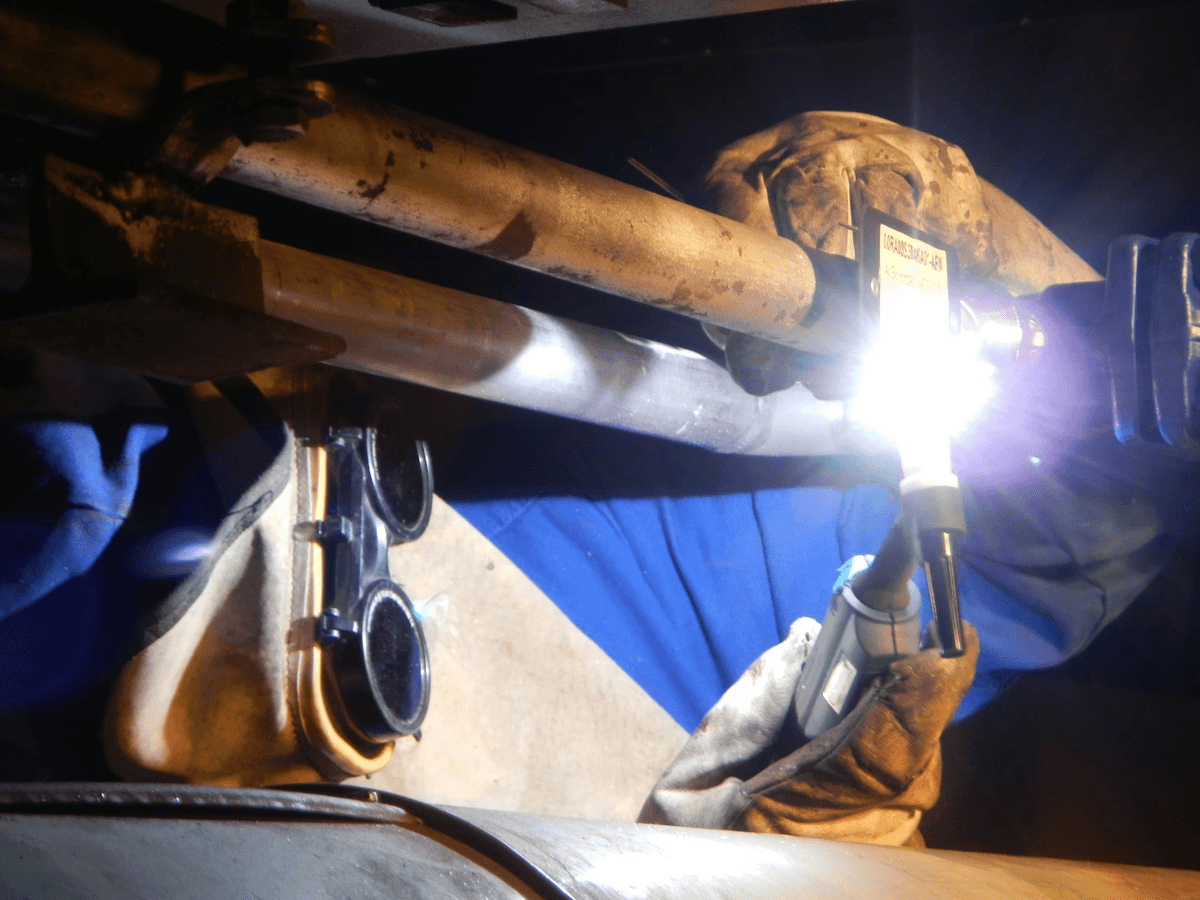
Ensuring the reliability of silencers begins with a well-structured Silencer Inspection and Test Plan that covers every stage of production. A clear plan helps identify potential issues early, from visual inspection during fabrication to rigorous leak testing for sleeve type nozzles, ensuring each unit meets safety and performance standards. Without a comprehensive approach, even the best-designed silencers risk failure; hence, a systematic process is essential to keep quality in check.
Ensuring Reliability with a Clear Silencer Inspection and Test Plan
A well-defined Silencer Inspection and Test Plan acts as the backbone of quality assurance, guiding manufacturers through critical steps like visual and dimensional inspections during fabrication. Incorporating tests such as the silencer reinforcement pad air-soap test ensures early detection of leaks or weak points before assembly advances further. When these procedures are meticulously followed, the final product's durability is guaranteed, making the Silencer Production weld test and leak tests for sleeve type nozzles more effective and reliable.
Why a Systematic Approach Matters in Silencer Manufacturing
Taking a systematic approach to silencer manufacturing means integrating every inspection phase—from visual checks to detailed weld tests—into one cohesive process. This method minimizes errors during silencer production weld tests by ensuring consistent adherence to standards at each step, including inspecting reinforcing pads with air-soap methods or performing leak tests on sleeve type nozzles for accuracy. Ultimately, this disciplined workflow boosts confidence that each silencer will perform reliably under real-world conditions.
How China Inspection Pro Supports High-Quality Silencer Testing
China Inspection Pro provides expert guidance throughout every stage of your Silencer Inspection and Test Plan, helping you implement thorough visual and dimensional inspections during fabrication while streamlining processes like the silencer reinforing pad air-soap test or leak testing for sleeve type nozzles. Their team’s expertise ensures that your silencers undergo rigorous testing—covering everything from initial welds to final leak assessments—so you can certify compliance confidently. Partnering with China Inspection Pro means elevating your quality assurance game while reducing risks associated with defective silencers reaching customers.
Preparing for a Successful Silencer Inspection and Test Plan
Getting ready for a comprehensive Silencer Inspection and Test Plan requires meticulous planning and attention to detail. Ensuring that every aspect of the silencer’s production process aligns with industry standards sets the foundation for a smooth inspection phase. From reviewing specifications to training personnel, each step helps prevent surprises during critical tests like the Silencer Production weld test or leak detection procedures.
Before diving into the actual testing, it’s crucial to thoroughly review all design specifications and industry standards related to silencer manufacturing. This review guarantees that your team understands the parameters for visual and dimensional inspection during fabrication, making sure every component meets quality expectations. Proper preparation here ensures that when you conduct the Silencer Reinforcing pad air-soap test or perform the Silencer Leak test for sleeve type nozzle, everything is up to par.
Gathering essential testing equipment and resources is next on the checklist. High-quality tools are vital for accurate results during visual inspections, dimensional checks, or weld testing. Equipping your team with reliable instruments ensures consistency across all phases of the Silencer Inspection and Test Plan, especially during critical steps like the silencer production weld test or leak detection procedures.
Training inspection personnel is often overlooked but remains one of the most important steps in preparing for a successful plan. Well-trained inspectors can identify issues early during visual and dimensional inspections during fabrication, reducing rework later on. Educated staff will also be more effective when conducting specialized tests such as the silencer reinforcing pad air-soap test or leak tests for sleeve type nozzles, ensuring every measurement is precise.
Visual and Dimensional Inspection During Fabrication
During the manufacturing process, a thorough Silencer Inspection and Test Plan emphasizes the importance of meticulous visual and dimensional inspection during fabrication. This step ensures that no manufacturing defect or surface integrity issue slips through, which could compromise the silencer’s performance or safety. By diligently checking for surface cracks, corrosion, or deformation, inspectors can catch potential problems early, aligning with the rigorous standards outlined in the Silencer Inspection and Test Plan.
Verifying dimensional accuracy against detailed drawings is a cornerstone of quality assurance in silencer production. The Silencer Production weld test often relies on precise measurements to confirm that all parts fit perfectly before proceeding to welding stages. Any deviation from specified dimensions can lead to leaks or structural weaknesses, making this inspection phase critical for maintaining compliance with industry standards.
Documenting findings for traceability is an essential practice embedded within the Silencer Inspection and Test Plan framework. Every measurement taken and defect identified during visual and dimensional inspection during fabrication must be recorded systematically. These records serve as proof of quality control efforts and are invaluable when performing subsequent tests like the silencer reinforcing pad air-soap test or leak testing for sleeve type nozzles.
Conducting the Silencer Reinforcing Pad Air-Soap Test
Before diving into the more complex phases of your Silencer Inspection and Test Plan, it’s crucial to perform the Silencer Reinforcing pad air-soap test. This step acts as an early warning system, catching leaks or weak points before they become costly issues down the line. Properly executing this test ensures that the reinforcing pads are sealed tightly, which is vital for maintaining overall silencer integrity and performance.
Applying the Air-Soap Method for Reinforcing Pads
The air-soap method is a classic yet effective technique used during silencer fabrication to detect leaks in reinforcing pads. To begin, pressurize the pad with clean, compressed air while applying a soap solution around its edges and seams. When bubbles form, they reveal tiny leaks or imperfections that could compromise your Silencer Production weld test results later on. This step not only saves time but also prevents defective parts from progressing further in your inspection process.
Identifying Leaks and Weak Points Early
Spotting leaks early during this phase can save you from headaches during final testing or certification processes. The presence of bubbles indicates areas where sealing might be compromised—these need immediate attention before moving forward with subsequent tests like the Silencer Leak test for sleeve type nozzles or weld inspections. Addressing these issues upfront ensures your team maintains a high standard consistent with industry standards outlined in your Silencer Inspection and Test Plan.
Ensuring Reinforcing Pad Integrity Before Final Assembly
Once all leaks are identified and repaired, it’s essential to re-test to confirm that reinforcing pads hold tight under pressure—this guarantees their integrity before final assembly. Skipping this step could lead to failures during operational use or when subjected to rigorous testing such as the Silencer Leak test for sleeve type nozzles later on in production. Remember, a thorough reinforcement check keeps your silencers performing reliably and aligns perfectly with your systematic approach outlined in the Silencer Inspection and Test Plan.
Performing the Silencer Production Weld Test
The Silencer Inspection and Test Plan emphasizes the importance of a thorough silencer production weld test to ensure structural integrity and compliance with safety standards. During this phase, welds are scrutinized meticulously to catch any imperfections that could compromise performance or safety. A well-executed silencer production weld test not only guarantees durability but also boosts confidence in the final product.
Ensuring Weld Quality Meets Industry and Safety Standards
To uphold the integrity of the silencer, it's crucial that every weld aligns with industry standards and safety regulations outlined in your Silencer Inspection and Test Plan. This involves inspecting weld bead consistency, penetration depth, and overall fusion quality, which directly influence the silencer's longevity. Any deviations detected during this phase should prompt immediate corrective actions to prevent future failures or leaks.
Utilizing Non-Destructive Testing Methods
Non-destructive testing (NDT) methods are invaluable tools during the silencer production weld test, allowing inspectors to evaluate weld quality without damaging the component. Techniques such as ultrasonic testing, radiography, or dye penetrant inspections help identify internal flaws or surface cracks early in fabrication. Incorporating these NDT methods into your Silencer Inspection and Test Plan ensures comprehensive coverage for detecting potential issues before proceeding further.
Recording Weld Test Results for Compliance and Certification
Accurate documentation is a cornerstone of a robust Silencer Inspection and Test Plan; recording all results from the silencer production weld test is essential for traceability and certification purposes. These records should detail inspection methods used, findings, any repairs made, and final approval status—serving as proof of compliance with industry standards. Proper record-keeping not only facilitates audits but also reassures clients about product reliability.
Conducting the Silencer Leak Test for Sleeve Type Nozzle
Performing the Silencer Leak test for sleeve type nozzle is a critical step in ensuring product integrity and safety. This phase requires meticulous setup and precise interpretation to identify any potential leaks that could compromise performance. Properly executing this test not only aligns with your Silencer Inspection and Test Plan but also helps prevent costly failures down the line.
Setting Up for Accurate Leak Detection
To kick off the leak test, ensure that all components of the silencer are clean, dry, and properly assembled according to the Silencer Inspection and Test Plan. Use calibrated pressure gauges and leak detection equipment designed specifically for silencers with sleeve type nozzles to guarantee accuracy. It’s essential to establish a stable testing environment—eliminate drafts, vibrations, or temperature fluctuations that might skew results—and verify that all connections are tight before pressurizing the system.
Interpreting Leak Test Results Precisely
Once pressurized, carefully monitor pressure levels throughout the test duration; any sudden drops could indicate leaks in the sleeve type nozzle assembly. Pay close attention to sound emissions or use ultrasonic detectors if necessary—these can help detect even minor leaks that may escape visual inspection during fabrication. Remember, a thorough review of leak test results should be documented as part of your Silencer Visual and Dimensional Inspection during Fabrication process; this ensures traceability and compliance with industry standards.
Addressing Detected Leaks to Prevent Failures
If leaks are detected during your Silencer Leak test for sleeve type nozzle, immediate action is required—identify whether it’s due to poor welds or faulty sealing surfaces from your Silencer Production weld test or visual inspections during fabrication. Repair or re-weld affected areas following approved procedures outlined in your inspection plan; do not proceed until you confirm that all leaks have been effectively sealed. Addressing these issues promptly helps avoid future failures in service, safeguarding both performance and reputation.
Final Evaluation and Documentation
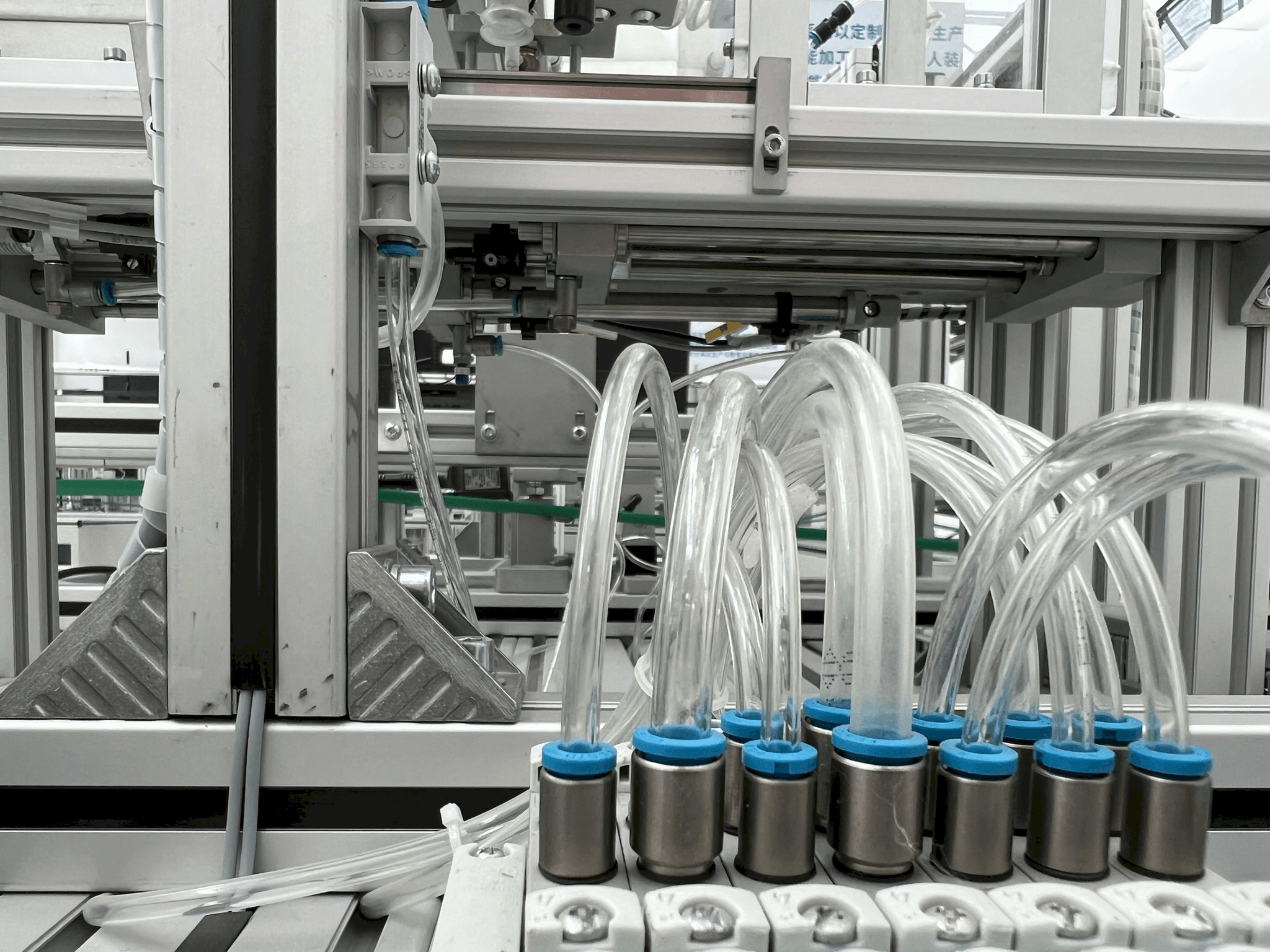
After completing the various stages of the Silencer Inspection and Test Plan, compiling comprehensive test reports and inspection records is essential for ensuring traceability and accountability. These records should detail every step, from visual and dimensional inspections during fabrication to the results of the silencer production weld test, reinforcing pad air-soap test, and leak testing for sleeve type nozzles. Well-organized documentation not only helps in verifying compliance but also serves as invaluable evidence during audits or customer reviews.
Analyzing data for consistency and reliability is a critical phase that transforms raw inspection results into actionable insights. By carefully reviewing each aspect of the Silencer Inspection and Test Plan, including weld quality assessments and leak detection outcomes, manufacturers can identify patterns or recurring issues that might compromise performance. This deep dive ensures that every silencer leaving production meets high standards, reducing the risk of failures in service due to overlooked flaws during visual and dimensional inspections or testing phases.
Preparing documents for certification and customer assurance involves synthesizing all inspection findings into clear, professional reports that highlight compliance with industry standards. These documents should include detailed results from the silencer production weld test, reinforcing pad air-soap tests, and leak tests for sleeve type nozzles to demonstrate product integrity. When these records are meticulously prepared, they serve as proof of quality assurance, fostering trust with clients while supporting certifications that validate your rigorous Silencer Inspection and Test Plan.
Conclusion

Mastering the art of a comprehensive Silencer Inspection and Test Plan is crucial for ensuring each component meets stringent quality standards. From visual and dimensional inspection during fabrication to rigorous testing like the silencer production weld test, every step plays a vital role in catching defects early. A well-executed plan not only guarantees durability but also boosts customer confidence in your silencer products.
Leveraging China Inspection Pro for expert evaluation elevates your inspection process to new heights. Their proficiency in assessing key stages—such as the silencer reinforcing pad air-soap test and leak testing for sleeve type nozzles—ensures that every detail is scrutinized thoroughly. Incorporating their insights into your Silencer Inspection and Test Plan can help you identify potential issues before they become costly failures, streamlining production and certification.
Continuous improvement remains the backbone of exceptional silencer manufacturing. Regularly reviewing results from the silencer visual and dimensional inspection during fabrication, along with feedback from leak tests, keeps your process ahead of potential flaws. By refining your Silencer Inspection and Test Plan over time, you uphold high standards of performance, safety, and reliability—making sure every silencer leaving your facility is top-notch.