
Introduction
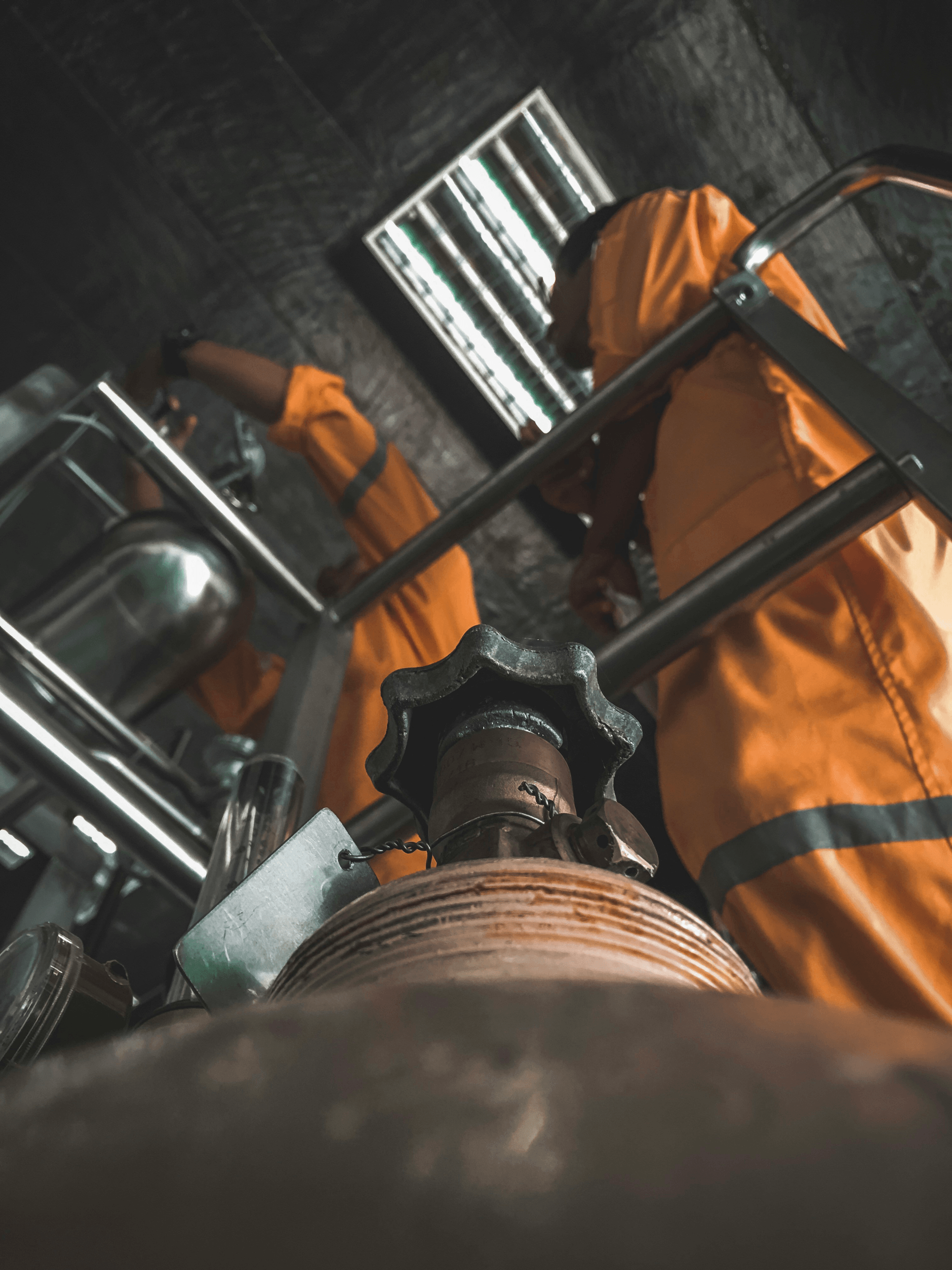
In the world of industrial operations, ensuring the reliability and efficiency of pumps is crucial. Pump inspection plays a pivotal role in maintaining optimal performance, reducing downtime, and prolonging equipment life. By implementing rigorous inspection protocols, companies can safeguard their investments while enhancing operational safety.
Importance of Pump Inspection
Pump inspection is not just a routine task; it’s a fundamental aspect of effective maintenance strategies. Regular inspections help identify potential issues before they escalate into costly failures, ultimately saving time and resources. Moreover, thorough pump inspections contribute to overall system reliability and efficiency, which are essential for meeting production demands.
Types of Pump Inspection Techniques
There are various techniques employed in pump inspection that cater to different aspects of pump performance. Mechanical inspections focus on the internal components to ensure everything operates smoothly, while audible inspections utilize sound analysis to detect anomalies that might indicate underlying problems. Visual inspections serve as the first line of defense against visible wear and tear, providing immediate insights into the condition of pumps.
Role of Quality Control in Pump Performance
Quality control is integral to successful pump management as it ensures adherence to established standards throughout the inspection process. By implementing robust pump quality control standards, organizations can systematically reduce errors and enhance product quality. Ultimately, effective quality control not only boosts pump performance but also fosters trust among stakeholders by guaranteeing consistent operational excellence.
Understanding Pump Inspection Protocols
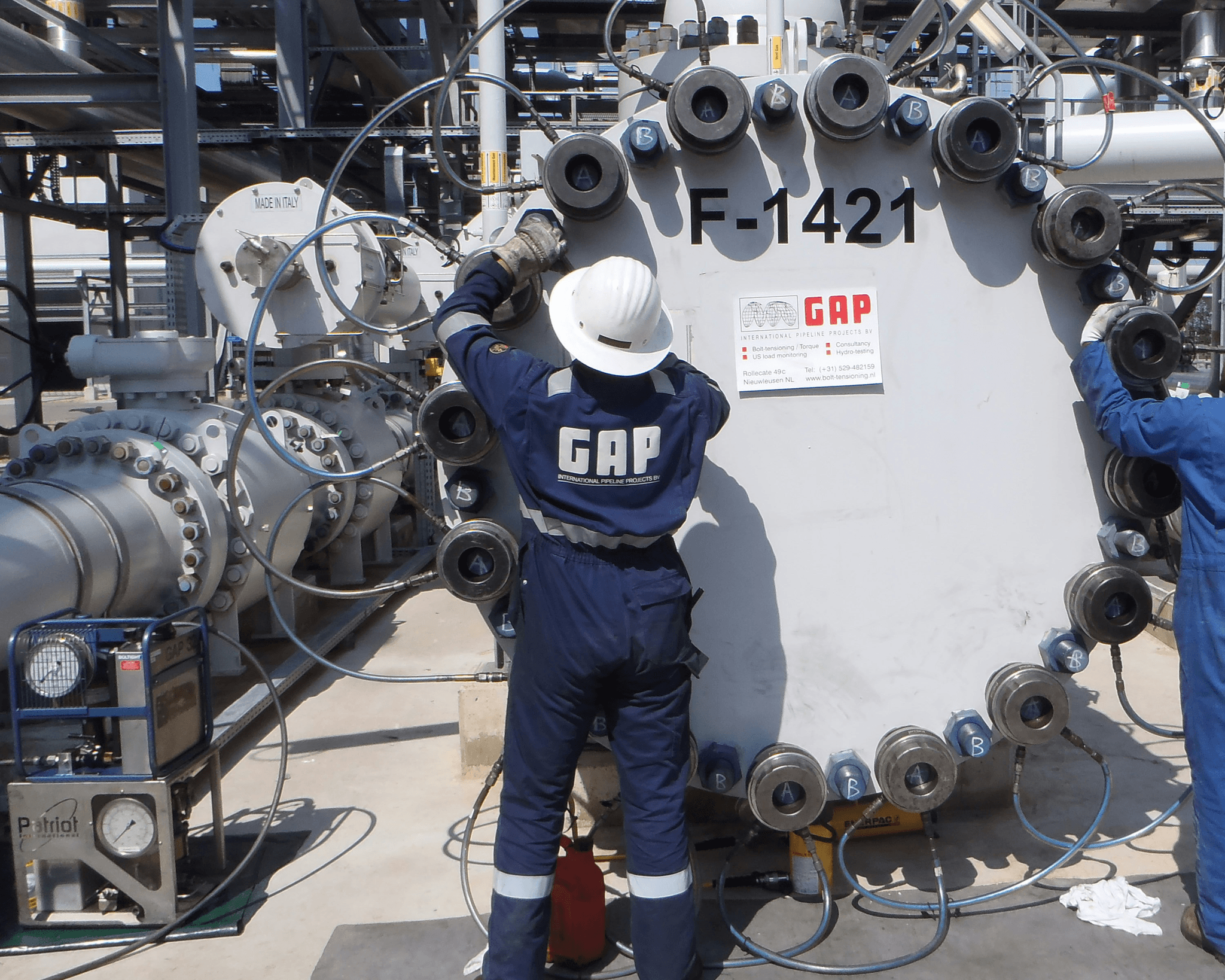
When it comes to ensuring the longevity and efficiency of pumps, understanding pump inspection protocols is key. These protocols not only help in identifying potential issues before they escalate but also play a crucial role in maintaining compliance with pump quality control standards. A well-structured inspection routine can significantly enhance the overall performance and safety of pumping systems.
Overview of Pump Inspection
Pump inspection encompasses a variety of techniques aimed at evaluating the condition and functionality of pumps. This process includes visual inspections, mechanical inspections, and even audible inspections to detect anomalies that could lead to failures. By regularly conducting thorough pump inspections, operators can ensure that their systems are running smoothly and efficiently.
Importance of Regular Mechanical Inspections
Regular mechanical inspections are vital for identifying wear and tear that may not be visible during standard visual checks. These inspections delve deeper into the mechanics of pumps, helping to uncover issues such as misalignment or bearing wear that could compromise performance. By adhering to a schedule for mechanical inspections, facilities can avoid costly downtime and maintain compliance with essential pump quality control standards.
How Audible Inspections Enhance Safety
Audible inspections add another layer of safety by allowing inspectors to listen for unusual sounds that may indicate problems within the pump system. Sounds like grinding or excessive vibration can be early warning signs of more significant issues lurking beneath the surface. Incorporating audible inspections into your regular maintenance routine not only enhances safety but also contributes to a more comprehensive approach to pump inspection.
Visual Inspections: The First Line of Defense
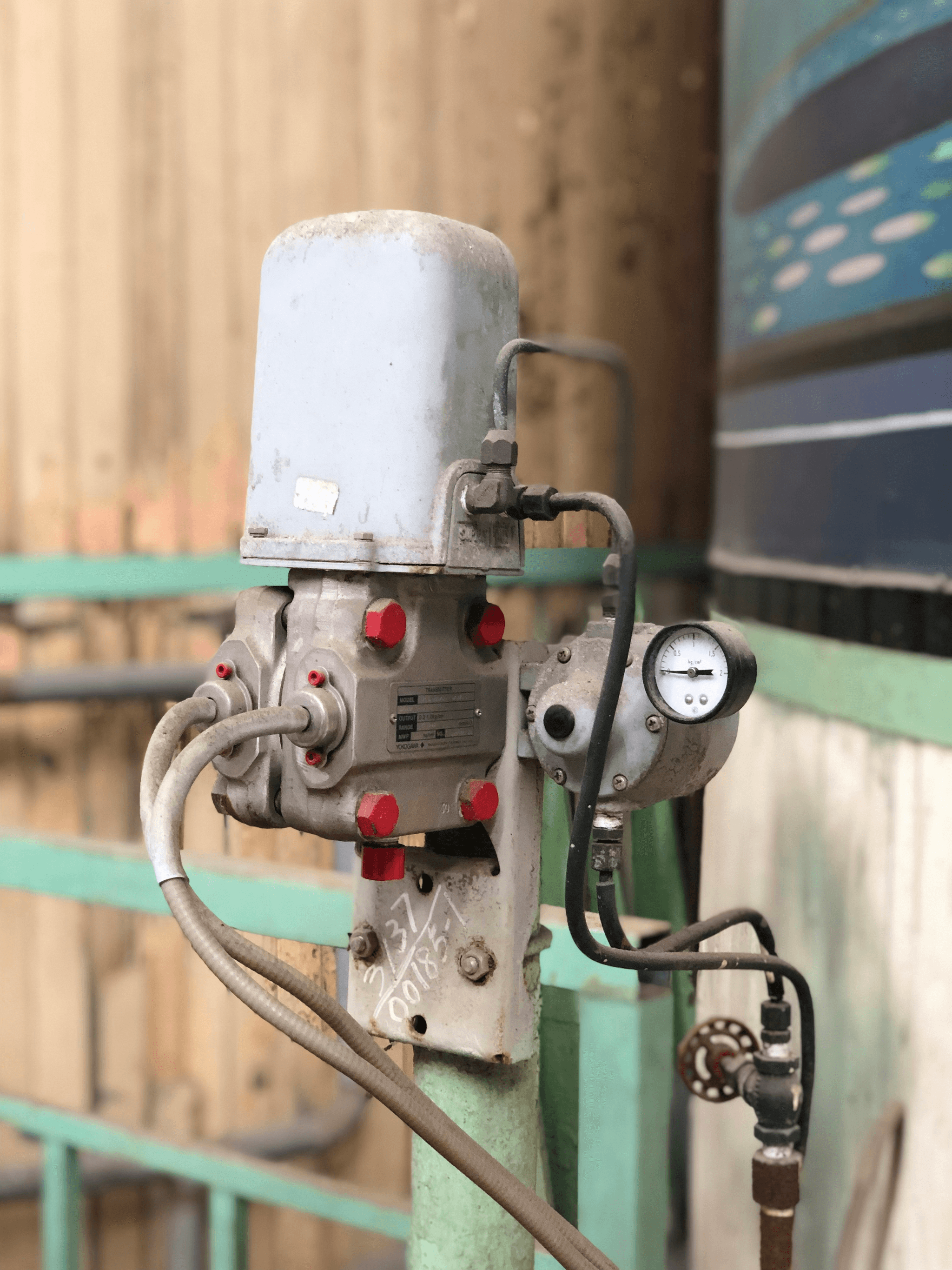
Visual inspections are a critical aspect of pump inspection, serving as the first line of defense against potential mechanical failures. By scrutinizing the visible components of a pump, technicians can identify issues before they escalate into major problems. This proactive approach not only enhances safety but also contributes to the overall effectiveness of pump quality control standards.
Key Elements of Visual Inspections
When conducting visual inspections, several key elements come into play that help ensure comprehensive assessments. Inspectors should focus on checking for leaks, corrosion, and signs of wear on seals and fittings, as these can indicate underlying problems. Additionally, evaluating the alignment and condition of mounting hardware is crucial; misalignment can lead to premature mechanical failures if left unaddressed.
Another essential element is inspecting the surrounding environment for any potential hazards that could affect pump performance or safety. This includes checking for adequate ventilation and ensuring that there are no obstructions around the pump unit. By paying attention to these details during visual inspections, technicians can effectively mitigate risks associated with pump operation.
Common Issues Identified During Visual Inspections
Visual inspections often reveal a variety of common issues that can compromise pump functionality and safety. One frequent problem is fluid leaks from seals or connections, which not only waste resources but may also pose environmental hazards if ignored over time. Corrosion on metal components is another red flag; it weakens structural integrity and can lead to catastrophic failures if not addressed promptly.
Furthermore, inspectors might notice unusual vibrations or sounds emanating from the pump during their assessments—these audible signs often indicate mechanical issues that require further investigation through more detailed audible inspections or mechanical inspections. Lastly, buildup of debris or foreign materials around pumps can hinder performance and should be cleared during routine checks to maintain optimal operation.
Best Practices for Conducting Visual Inspections
To maximize the effectiveness of visual inspections in maintaining high standards for pumps, certain best practices should be followed consistently. First and foremost, creating a comprehensive inspection checklist tailored to specific equipment ensures that no critical elements are overlooked during evaluations. This checklist should incorporate various aspects such as visual checks for leaks, alignment assessments, and environmental factors affecting safety.
Training your team on effective inspection techniques is equally important; knowledgeable personnel will be better equipped to recognize potential issues early on during their evaluations. Regular workshops or refresher courses will keep skills sharp and enhance overall team performance in conducting thorough visual inspections.
Finally, leveraging technology—such as digital cameras or thermal imaging devices—can significantly enhance inspection processes by allowing for more detailed documentation and analysis of findings over time. Integrating these technological tools into routine practices elevates both efficiency and accuracy in adhering to established pump quality control standards.
Implementing Pump Quality Control Standards
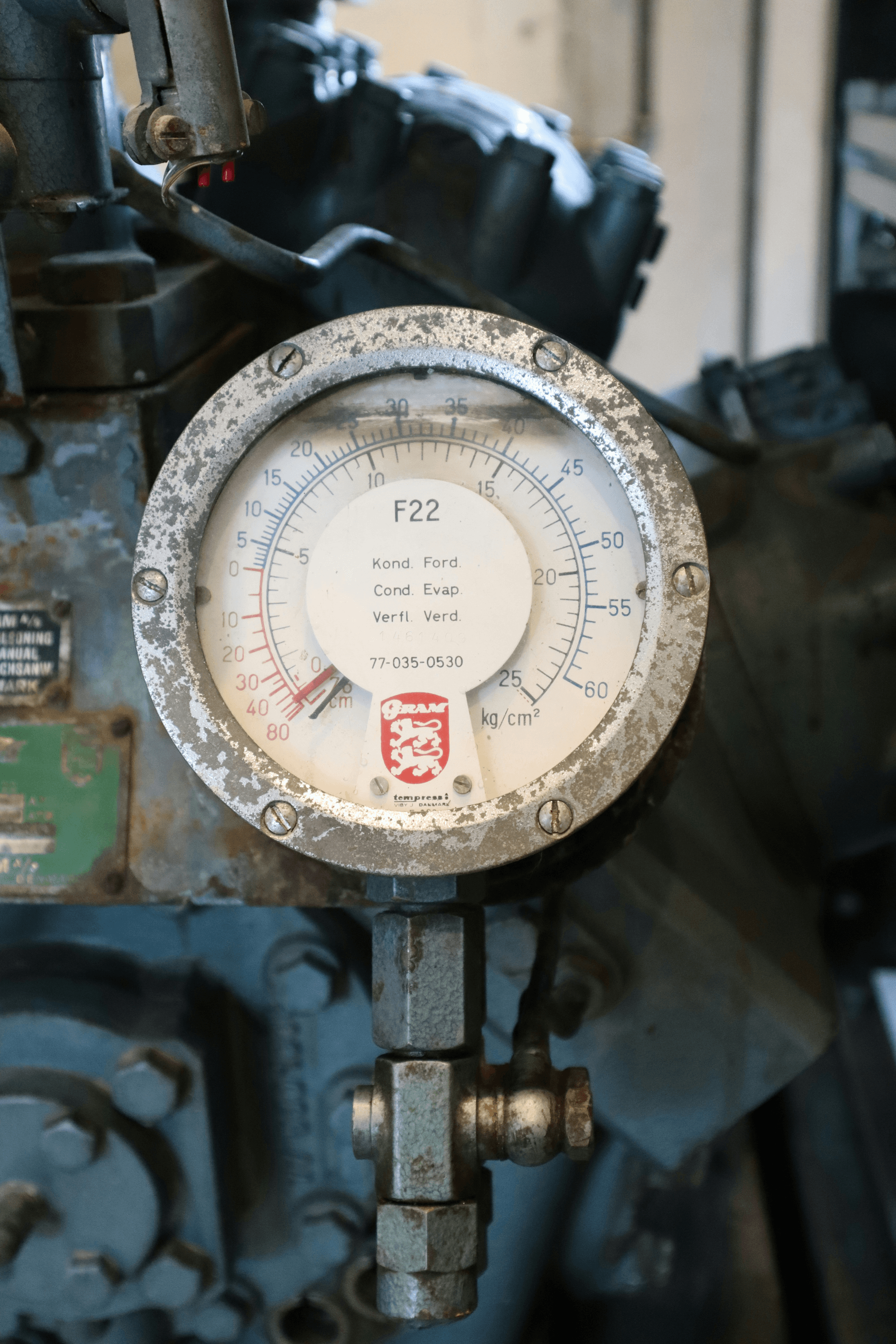
In the realm of pump management, establishing robust Pump Quality Control Standards is paramount. These standards serve as a benchmark for ensuring that pumps operate efficiently and reliably throughout their lifespan. By adhering to these guidelines, organizations can significantly reduce the risk of pump failures and enhance overall operational safety.
What Are Pump Quality Control Standards
Pump Quality Control Standards are systematic protocols designed to evaluate and maintain the performance of pumps in various applications. They encompass a range of inspection techniques, including Mechanical Inspections, Audible Inspections, and Visual Inspections, aimed at identifying potential issues before they escalate into costly problems. Essentially, these standards ensure that every pump meets specific performance criteria and safety regulations.
Implementing these standards involves regular assessments that not only check for mechanical integrity but also evaluate operational efficiency. This proactive approach helps in detecting anomalies early on, thus safeguarding against unexpected downtimes or catastrophic failures. In short, adhering to Pump Quality Control Standards is not just about compliance; it’s about fostering a culture of safety and reliability in pump operations.
How to Ensure Compliance with Industry Standards
To ensure compliance with industry standards related to pump quality control, organizations must first familiarize themselves with the relevant regulations governing their specific sector. This includes understanding the requirements for Mechanical Inspections and how they play a crucial role in maintaining pump integrity over time. Regular training sessions should be conducted to keep staff updated on best practices for conducting Audible Inspections and Visual Inspections effectively.
Additionally, integrating technology into the inspection process can greatly enhance compliance efforts. Utilizing advanced monitoring systems allows for real-time data collection during inspections, making it easier to identify deviations from established standards promptly. Moreover, documenting all inspections meticulously ensures that any findings are addressed swiftly and transparently.
Benefits of Adhering to Quality Control Standards
Adhering to Pump Quality Control Standards offers a multitude of benefits that extend beyond mere compliance with regulations. For starters, consistent adherence leads to improved operational efficiency by minimizing the likelihood of unexpected breakdowns through regular Mechanical Inspections and timely maintenance interventions. This not only saves costs associated with repairs but also extends the lifespan of pumps significantly.
Furthermore, implementing stringent quality control measures fosters a culture of accountability within teams responsible for conducting Audible Inspections and Visual Inspections. When employees understand the importance of these inspections in maintaining quality standards, they are more likely to take ownership of their roles in ensuring optimal pump performance. Ultimately, this commitment translates into enhanced safety for both personnel and equipment alike.
In conclusion, embracing Pump Quality Control Standards is an investment in safety and efficiency that pays dividends over time through reduced downtime and improved reliability.
The Role of China Inspection Pro in Pump Quality
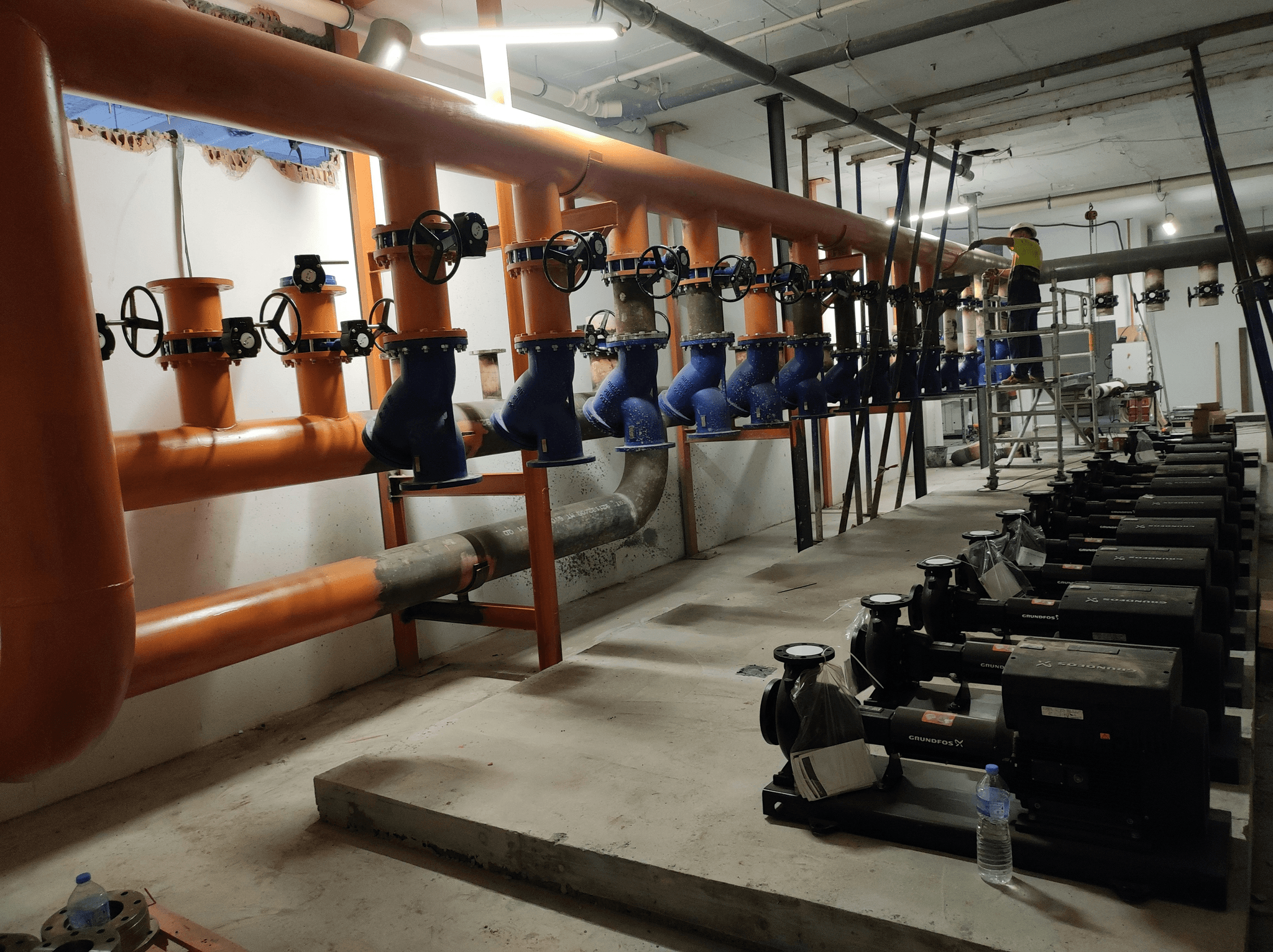
In the realm of pump quality assurance, China Inspection Pro stands out as a leading provider dedicated to enhancing pump performance through meticulous inspection services. Their comprehensive approach ensures that all aspects of pump inspection, from mechanical inspections to visual inspections, are executed with precision and expertise. By focusing on quality control standards, they help clients maintain optimal operational efficiency and safety.
Services Offered by China Inspection Pro
China Inspection Pro offers a wide range of services tailored to meet the specific needs of the pumping industry. Their offerings include thorough mechanical inspections that evaluate the internal workings of pumps, ensuring that components function harmoniously together. Additionally, they conduct audible inspections to detect potential issues through sound analysis and provide visual inspections that identify any visible wear or damage before it escalates into serious problems.
What sets China Inspection Pro apart is their commitment to adhering to established pump quality control standards during each inspection phase. This dedication not only guarantees compliance with industry regulations but also enhances the reliability and longevity of your pumping systems. With their state-of-the-art technology and experienced inspectors, clients can trust that every aspect of pump inspection is handled with utmost care.
Success Stories in Pump Inspection
China Inspection Pro has amassed an impressive portfolio of success stories showcasing their impact on various industries reliant on pumping systems. One notable case involved a major oil refinery where routine mechanical inspections revealed critical wear in several pumps before they failed, saving the company from costly downtime and repairs. Thanks to their proactive approach and timely interventions through audible inspections, this refinery was able to enhance its operational efficiency significantly.
Another success story highlights a water treatment facility where visual inspections uncovered corrosion in key components that could have led to severe environmental hazards if left unchecked. By implementing corrective measures based on these findings, the facility not only improved its compliance with environmental regulations but also fortified its reputation within the community as a responsible operator.
These examples underscore how effective pump inspection services provided by China Inspection Pro can lead to substantial improvements in safety and performance across various sectors.
Why Choose China Inspection Pro for Quality Assurance
Selecting China Inspection Pro for your pump quality assurance needs means partnering with an organization renowned for its rigorous standards and unparalleled expertise in pump inspection techniques. Their emphasis on mechanical inspections ensures that all moving parts are thoroughly evaluated for performance integrity while audible inspections provide an additional layer of safety by detecting anomalies early on.
Moreover, their commitment to visual inspections ensures no detail goes unnoticed; it's often these small oversights that can lead to larger issues down the line if not addressed promptly. Clients who choose China Inspection Pro benefit from tailored solutions designed around industry-specific challenges while enjoying peace of mind knowing they are compliant with essential pump quality control standards.
In summary, when it comes to maintaining high-performance pumping systems through reliable inspection practices, choosing China Inspection Pro is an investment in both safety and efficiency—one you won't regret!
Best Practices for Effective Pump Inspection
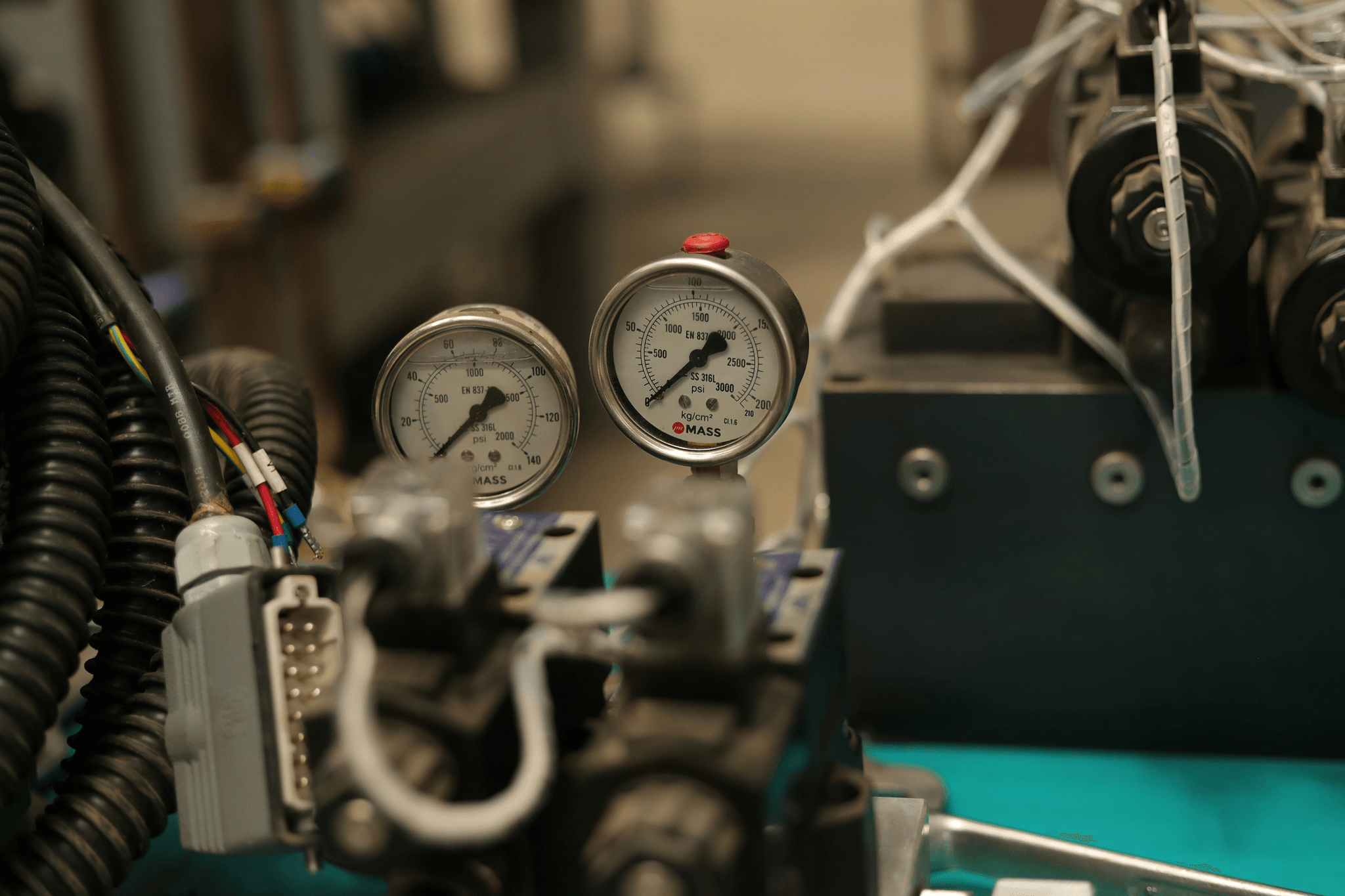
In the world of pump management, effective inspection is crucial to ensure optimal performance and longevity. Implementing best practices can significantly enhance the reliability of your pump systems, minimizing downtime and costly repairs. Let's dive into some key strategies that will elevate your pump inspection game.
Creating a Comprehensive Inspection Checklist
A well-crafted inspection checklist is the backbone of any successful pump inspection regime. It should encompass all critical aspects, including visual inspections, mechanical inspections, and audible inspections to ensure no detail is overlooked. By systematically checking each item on your list, you can identify potential issues before they escalate into major problems.
Regular updates to this checklist are essential to incorporate new findings or changes in pump quality control standards. This ensures that your team remains aligned with industry best practices and regulatory requirements. A comprehensive checklist not only streamlines the inspection process but also fosters accountability among team members.
Training Your Team on Inspection Techniques
Investing in training for your team is non-negotiable when it comes to effective pump inspection practices. Proper training equips employees with the skills needed for thorough mechanical inspections and enhances their ability to conduct visual inspections accurately. Moreover, understanding how to perform audible inspections effectively can help detect subtle issues that might otherwise go unnoticed.
Encouraging a culture of continuous learning within your organization will keep your team updated on the latest techniques and technologies in pump quality control standards. Regular workshops or refresher courses can help maintain high levels of competency across all staff members involved in inspections. Ultimately, a knowledgeable team translates into better performance and reliability for your pumps.
Leveraging Technology for Enhanced Inspections
In today's digital age, technology plays a pivotal role in enhancing pump inspection processes. Utilizing advanced tools such as infrared thermography or vibration analysis can provide deeper insights during mechanical inspections than traditional methods alone could offer. These technologies enable more precise identification of potential failures before they occur, thereby improving overall safety.
Moreover, software solutions designed specifically for managing visual inspections can streamline data collection and reporting processes significantly. This not only saves time but also ensures compliance with established pump quality control standards by maintaining accurate records of all inspections conducted over time. Embracing technology in your inspection protocols will lead to more efficient operations and ultimately better-performing pumps.
Conclusion
In wrapping up our exploration of pump inspection, it's clear that a thorough understanding and implementation of various inspection techniques are essential for optimal pump performance. From mechanical inspections that delve into the inner workings to visual inspections that catch potential issues before they escalate, each method plays a vital role in maintaining efficiency and safety. Additionally, integrating audible inspections can enhance your ability to detect irregularities early on, ensuring your pumps run smoothly.
Key Takeaways on Pump Inspection Protocols
Pump inspection protocols are not just a box to tick; they are the backbone of effective pump management. Regular mechanical inspections help identify wear and tear that could lead to catastrophic failures if left unchecked. Meanwhile, visual inspections serve as the first line of defense against common issues like leaks and corrosion, making them indispensable in any maintenance routine.
The Importance of Quality Control Standards
Quality control standards in pump inspection ensure consistency and reliability across all operational processes. Adhering to these standards not only boosts confidence among stakeholders but also enhances overall safety and performance metrics within the industry. By embracing robust pump quality control standards, organizations can mitigate risks, reduce downtime, and ultimately save costs associated with unexpected failures.
Final Thoughts on Effective Pump Management
Effective pump management hinges on a proactive approach to inspection and maintenance practices. By leveraging techniques such as mechanical, visual, and audible inspections alongside rigorous adherence to quality control standards, businesses can safeguard their investments while optimizing performance outcomes. Remember: an ounce of prevention is worth a pound of cure—so invest in your pumps today for smoother operations tomorrow!