
Introduction
Ensuring the reliability of your pump system isn’t just about hope and prayers—it’s about rigorous testing, especially through a well-executed Pump Mechanical Run Test. This process helps identify potential issues before they turn into costly failures, with special attention to critical parameters like Bearing Temperature, Lube Oil Temperature, and Pressure. When these factors are monitored meticulously during the test, you gain confidence in your pump’s performance and longevity.
Monitoring temperature and pressure—particularly the Test Water Inlet and Outlet Temperature along with Cooling Water in and out Temperature and Pressure—is essential for a comprehensive understanding of pump health. Fluctuations in these readings can signal underlying problems that might compromise efficiency or cause damage over time. Regularly checking these parameters during a Pump Mechanical Run Test ensures early detection of anomalies, safeguarding your investment.
China Inspection Pro stands out by enhancing the accuracy of pump inspections through advanced techniques tailored for precise measurement of temperature and pressure data. Their expertise ensures that every aspect of the Pump Mechanical Run Test is conducted with high precision, from bearing temperature to cooling water conditions. Partnering with China Inspection Pro means you get reliable results that help extend your pump’s lifespan while maintaining compliance with industry standards.
Preparing for the Pump Mechanical Run Test
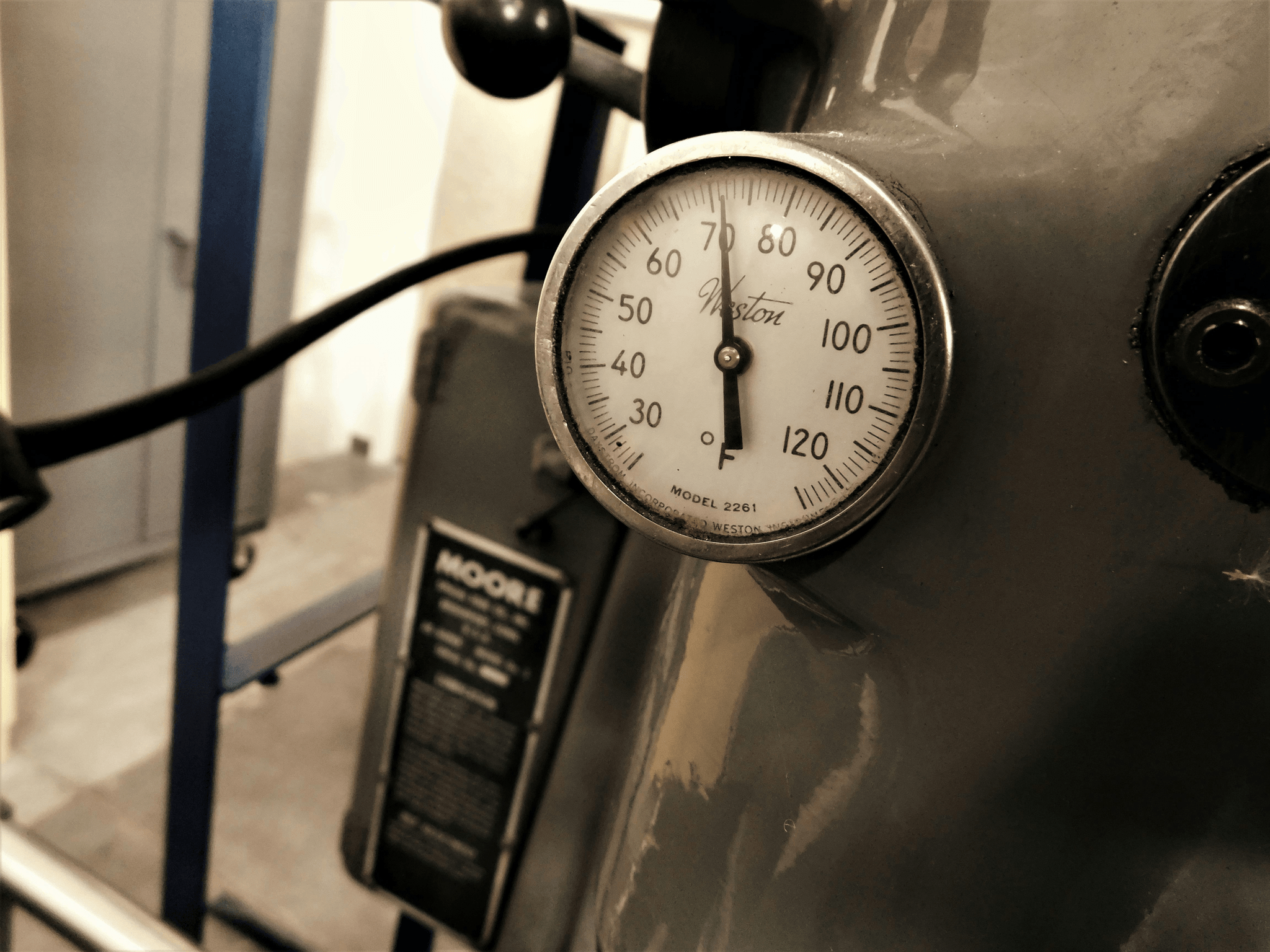
Before diving into the Pump Mechanical Run Test, thorough preparation is key to ensuring accurate results and equipment safety. Start by verifying that all testing equipment is calibrated and functioning properly, especially sensors monitoring Bearing Temperature, Lube Oil Temperature, and Pressure. Double-check safety protocols are in place to protect personnel from high-pressure systems or hot surfaces during the test.
Next, set up the test parameters with precision, making sure to define acceptable ranges for Water Inlet and Outlet Temperatures as well as Cooling Water in and out Temperatures and Pressures. Accurate setup of these parameters ensures that readings for Bearing Temperature, Lube Oil Temperature, and other critical data are reliable throughout the test. Proper configuration minimizes surprises when monitoring pump performance during the actual Pump Mechanical Run Test.
Finally, coordinate with relevant certification agencies and inspection standards to align your testing procedures accordingly. This includes ensuring that all measurement instruments meet industry standards for accuracy when recording Water Inlet/Outlet Temperatures or Cooling Water pressures. Clear communication with inspectors about your planned setup helps streamline approval processes and guarantees compliance with industry norms.
Conducting the Pump Mechanical Run Test
Performing the Pump Mechanical Run Test is a critical step in ensuring your pump operates smoothly and efficiently. This phase involves a series of detailed checks and data recordings that help identify potential issues before they escalate. Properly conducting this test requires attention to key parameters like Bearing Temperature, Lube Oil Temperature and Pressure, Test Water Inlet and Outlet Temperature, and Cooling Water in and out Temperature and Pressure.
Starting Up and Initial Checks
The first stage of the Pump Mechanical Run Test involves carefully starting up the pump while conducting initial checks. Before pressing the start button, verify that all safety protocols are in place, including emergency stops and protective barriers. Once the pump begins to run, observe for any abnormal vibrations or noises that could indicate misalignment or mechanical issues. During this phase, it’s essential to monitor Bearing Temperature closely because sudden spikes can signal impending bearing failure or lubrication problems.
Monitoring Bearing Temperature and Lubrication
Once the pump is running steadily, continuous monitoring of Bearing Temperature becomes vital for assessing mechanical health. Elevated bearing temperatures can suggest inadequate lubrication or excessive friction within the bearings themselves. Simultaneously, keep an eye on Lube Oil Pressure; low pressure might mean insufficient lubrication flow which could lead to overheating or damage over time. Maintaining optimal bearing temperature along with proper lube oil pressure ensures longevity of components during the Pump Mechanical Run Test.
Recording Test Water Inlet and Outlet Temperature
Accurate recording of Test Water Inlet and Outlet Temperature provides insights into how well cooling is managing heat generated during operation. Fluctuations here can indicate blockages or inefficiencies in heat transfer processes affecting overall performance. During this stage, ensure consistent data collection at regular intervals—any anomalies should be logged immediately for analysis post-test.
Managing Cooling Water In and Out Temperature and Pressure
Effective management of Cooling Water in and out Temperature along with Pressure readings guarantees that cooling systems are functioning correctly throughout the Pump Mechanical Run Test. An increase in inlet temperature coupled with rising pressure might point toward cooling system strain or fouling issues requiring attention before full operation resumes regularly. Proper regulation helps prevent overheating which could compromise pump integrity over extended use.
Observing and Logging Pump Performance Data
Throughout the test, diligent observation combined with meticulous logging of all performance data creates a comprehensive picture of pump health under real operating conditions. Record parameters such as flow rates, vibrations, bearing temperatures, water inlet/outlet temperatures, as well as cooling water pressures—all crucial for diagnosing potential faults early on during your Pump Mechanical Run Test process. This detailed documentation supports troubleshooting efforts later while also providing benchmarks for future maintenance schedules.
Interpreting Test Results for Optimal Performance
Interpreting the results of a Pump Mechanical Run Test is essential for ensuring your equipment operates at peak efficiency and longevity. By carefully analyzing key temperature and pressure readings, you can identify potential issues before they escalate into costly failures. Proper interpretation hinges on understanding how bearing temperature, lube oil temperature and pressure, test water inlet and outlet temperature, as well as cooling water in and out temperature and pressure, interact during the test.
Analyzing Bearing and Lube Oil Temperatures
Bearing temperature during a Pump Mechanical Run Test provides immediate insight into the health of your pump's components. Elevated bearing temperatures often signal excessive friction or inadequate lubrication, which could lead to premature failure if not addressed promptly. Similarly, monitoring lube oil temperature and pressure helps ensure that lubricants are effectively reducing wear; any unusual spikes or drops can be red flags indicating lubrication issues or potential bearing problems.
Assessing Water Temperature and Pressure Readings
Test water inlet and outlet temperatures are critical indicators of how well the cooling system is functioning during the Pump Mechanical Run Test. A significant difference between inlet and outlet temperatures suggests effective heat transfer, but if these readings are abnormal or inconsistent with expectations, it may point to cooling inefficiencies or blockages. Additionally, monitoring cooling water in and out pressure helps confirm that the cooling water flow remains stable; fluctuations here could compromise overall pump performance or hint at system blockages.
Identifying Anomalies and Troubleshooting
During a Pump Mechanical Run Test, anomalies such as unexpected rises in bearing temperature or irregularities in water pressure should trigger immediate investigation. For instance, sudden increases in lube oil temperature coupled with rising bearing temperatures may indicate lubrication failure requiring quick troubleshooting to prevent damage. Likewise, irregular cooling water in/out pressures might suggest leaks or flow restrictions that need fixing before they impact pump reliability.
Ensuring Compliance with Industry Standards
Finally, interpreting test results isn't just about fixing problems—it's about ensuring your pump meets industry standards for safety and performance. Comparing your measured parameters—bearing temperature, lube oil data, test water inlet/outlet temperatures, cooling water pressures—with established benchmarks ensures compliance with regulations like API 610 or ASME standards. Proper analysis guarantees that your equipment not only performs optimally but also adheres to rigorous quality assurance protocols set by China Inspection Pro.
Common Challenges and Solutions
Even the most well-planned Pump Mechanical Run Tests can hit a few snags. Unexpected temperature fluctuations, pressure drops, and system variances are common hurdles that require quick thinking and precise action. Luckily, understanding these challenges helps keep your pump running smoothly and reliably.
Managing Unexpected Temperature Fluctuations
During a Pump Mechanical Run Test, sudden changes in bearing temperature or lube oil temperature can throw off your readings and raise alarms. These fluctuations often indicate lubrication issues or cooling system inefficiencies that need immediate attention. Regularly monitoring the test water inlet and outlet temperature helps identify abnormal patterns early, preventing potential damage to critical components.
Addressing Pressure Drop Issues
A sudden pressure drop during the test could signal blockages or leaks in the cooling water in and out pressure lines or inadequate flow rates. When pressure drops occur unexpectedly, it’s crucial to check the cooling water system's performance—especially the in and out temperature and pressure readings—to pinpoint the root cause. Correcting these issues ensures your pump maintains optimal performance without risking overheating or mechanical failure.
Handling Cooling Water System Variances
Variations in cooling water in and out temperature or pressure can significantly impact test results, leading to misleading conclusions about pump health. Fluctuations might stem from inconsistent water supply or inadequate regulation of cooling water flow during the Pump Mechanical Run Test. Implementing consistent procedures for managing cooling water parameters guarantees accurate data collection and reliable assessment of pump condition.
Utilizing China Inspection Pro for Accurate Inspections
When faced with persistent challenges like fluctuating temperatures or unexpected pressure drops, leveraging China Inspection Pro can make all the difference. Their expertise ensures precise inspection of bearing temperature, lube oil temperature and pressure, as well as test water inlet/outlet temperatures during your Pump Mechanical Run Test. This professional support guarantees you get trustworthy data for informed decision-making—saving time, effort, and potential costly repairs down the line.
Best Practices for Future Pump Tests
To keep your Pump Mechanical Run Test results sharp and reliable, establishing a routine maintenance and inspection schedule is paramount. Regularly checking bearing temperature, lube oil temperature, and pressure ensures early detection of anomalies that could compromise pump performance. When you plan these inspections ahead of time, you’re more likely to catch issues like fluctuating water inlet and outlet temperatures or cooling water in and out temperature variances before they escalate.
Using certified instruments during each Pump Mechanical Run Test is crucial for obtaining trustworthy data. Precise measurement of bearing temperature, along with accurate readings of test water inlet and outlet temperature, helps in assessing the health of your pump system. Reliable sensors also ensure that cooling water in and out temperature and pressure are correctly monitored, providing a clear picture of operational efficiency.
Documenting results meticulously turns every Pump Mechanical Run Test into a learning opportunity. Recording trends in bearing temperature, lube oil pressure, and cooling water in/out temperatures over multiple tests allows for continuous improvement. This practice helps identify patterns—like rising test water inlet temperatures—that may indicate underlying issues needing attention.
Leveraging expert insights from China Inspection Pro can elevate your pump testing game to new heights. Their guidance on interpreting fluctuations in bearing temperature or sudden drops in cooling water pressure can prevent costly failures down the line. Partnering with professionals ensures your Pump Mechanical Run Test procedures stay aligned with industry standards while maximizing accuracy for all critical parameters.
Conclusion
Regularly performing a Pump Mechanical Run Test isn’t just a box to check; it’s your first line of defense in protecting your investment. By consistently monitoring critical parameters like bearing temperature, Lube Oil Temperature and Pressure, and the test water inlet and outlet temperature, you catch potential issues before they escalate into costly failures. These routine checks help ensure your pump runs smoothly over its lifespan, saving you money and downtime in the long run.
Precise monitoring during each Pump Mechanical Run Test plays a pivotal role in extending pump longevity. Keeping a close eye on cooling water in and out temperature and pressure allows you to optimize cooling efficiency, preventing overheating or undue wear on components. When you track these variables meticulously, you’re better equipped to identify anomalies early—whether they involve bearing temperature spikes or fluctuations in lube oil pressure—ultimately preserving the health of your equipment.
Partnering with China Inspection Pro elevates your Pump Mechanical Run Test process by providing expert insights and reliable inspection standards. Their advanced tools ensure that measurements of bearing temperature, Lube Oil Temperature and Pressure, as well as cooling water parameters, are accurate every time. With their support, you gain confidence that each test delivers precise data—helping you make informed decisions for maintenance and performance optimization.