
Introduction
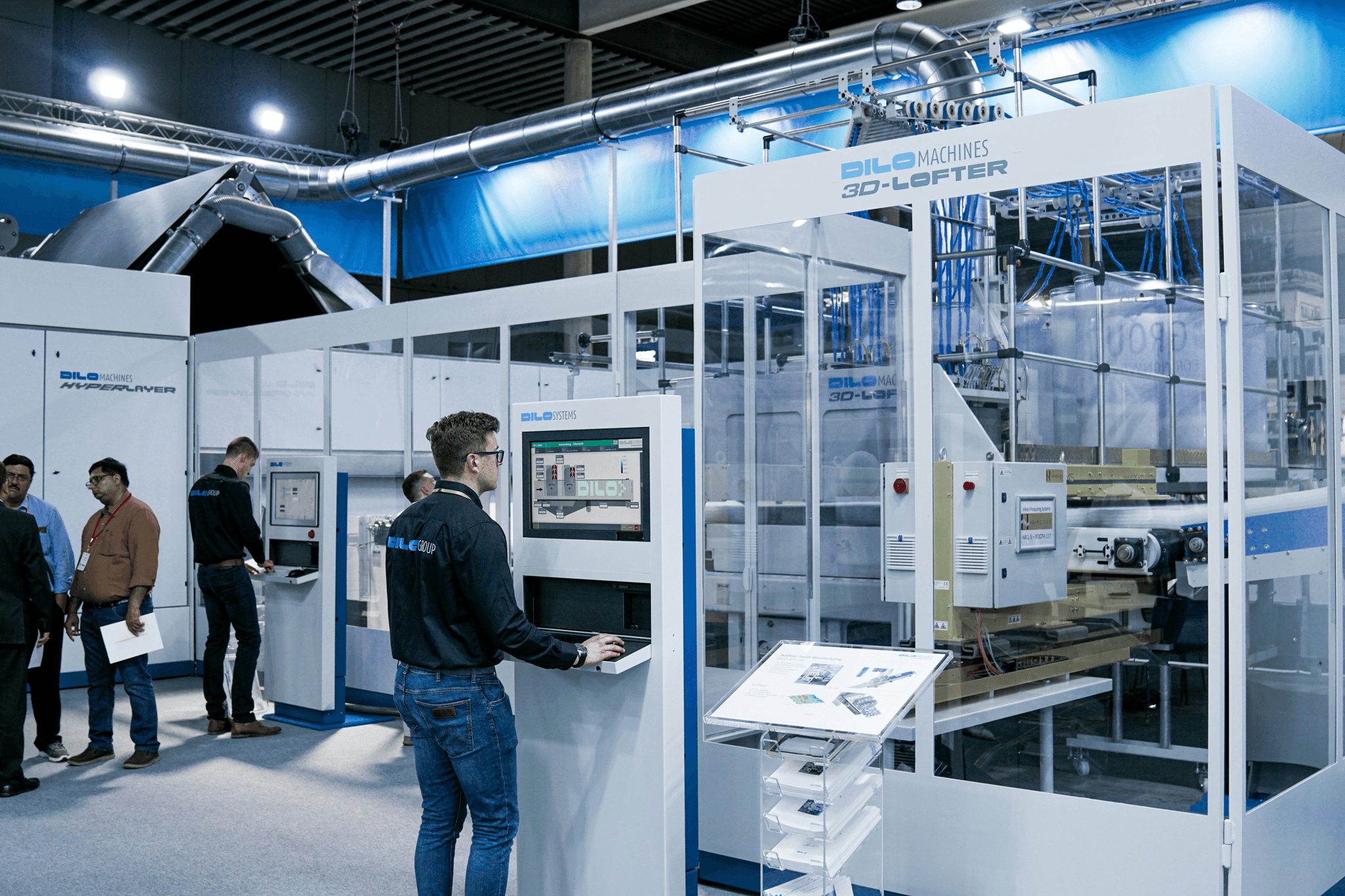
In today’s competitive marketplace, the significance of quality assurance inspections cannot be overstated. Quality control is not just a buzzword; it's a vital process that ensures products meet established standards and customer expectations. By prioritizing quality assurance, businesses can enhance their reputation and drive success.
Understanding the Role of Quality Assurance
Quality assurance plays a crucial role in maintaining product integrity throughout the manufacturing process. It encompasses systematic activities designed to ensure that quality requirements are fulfilled, ultimately leading to consistent product reliability. This proactive approach helps organizations identify potential issues before they escalate, fostering a culture of excellence.
The Importance of Quality Inspections
Quality inspections serve as the frontline defense against defects and inconsistencies in products. These checks are essential for verifying that each item meets specific criteria, thereby safeguarding both consumer trust and brand reputation. Without rigorous quality inspections, companies risk financial losses and damage to their credibility in the market.
How Quality Control Impacts Business Success
Effective quality control in manufacturing directly correlates with business success by reducing waste and increasing efficiency. Companies that invest in comprehensive quality assurance processes often see improved customer satisfaction rates, leading to repeat business and positive word-of-mouth referrals. In essence, prioritizing quality is not just about meeting standards; it’s about setting your business up for long-term growth.
Defining Quality Assurance Inspections
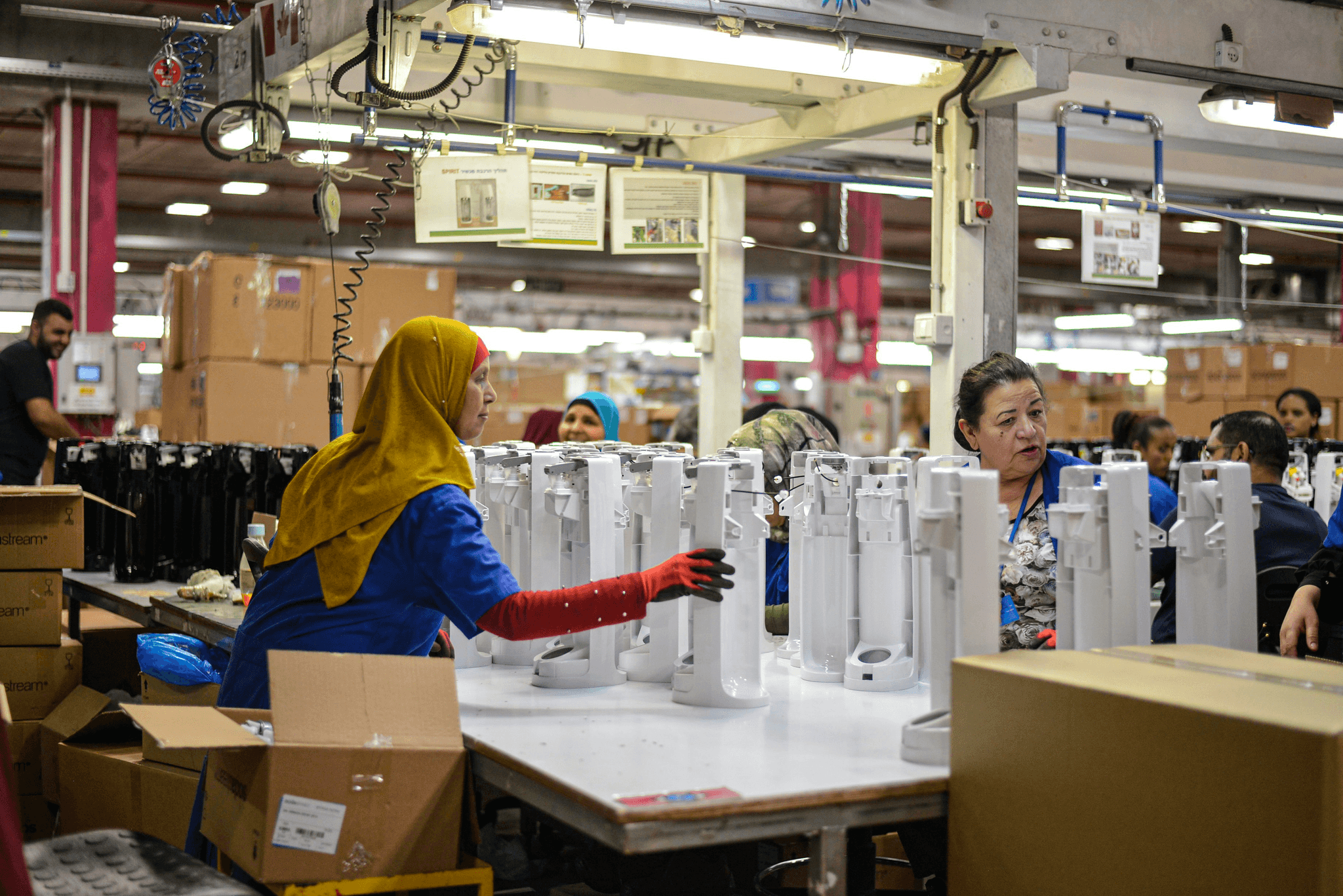
Quality assurance inspections are the backbone of any robust quality control system. They encompass a series of processes aimed at ensuring that products meet specified standards before they reach the consumer. By systematically evaluating various aspects of production, quality assurance not only helps in maintaining high standards but also fosters trust among consumers and stakeholders.
Overview of Quality Assurance Processes
Quality assurance processes involve a comprehensive set of activities designed to maintain and improve product quality throughout the manufacturing cycle. These processes typically include planning, documentation, implementation, monitoring, and continuous improvement initiatives. Each step is crucial for identifying defects early on and ensuring that quality control measures are effectively integrated into every phase of production.
In practice, quality assurance inspections serve as checkpoints where products undergo rigorous evaluation against predefined criteria. This proactive approach minimizes errors and enhances product reliability while reducing waste and inefficiencies in manufacturing. Ultimately, these processes form a critical link between production practices and customer satisfaction.
Importance of Standards in Quality Control
Standards play a pivotal role in quality control by providing clear benchmarks for performance and compliance within the manufacturing sector. They help organizations establish consistent procedures for conducting quality checks and ensure that all products adhere to safety regulations and industry norms. Without these standards, companies risk producing inconsistent or subpar products that can tarnish their reputation.
Moreover, adhering to established standards during quality assurance inspections enables manufacturers to remain competitive in an increasingly global market. It ensures that their offerings not only meet local requirements but also align with international expectations for quality and safety. In this way, standards act as both a shield against potential risks and a ladder toward excellence.
The Connection Between Quality Inspections and Product Reliability
The relationship between quality inspections and product reliability is undeniable; rigorous inspection protocols are essential for guaranteeing that consumers receive dependable products. When manufacturers invest time in thorough quality assurance inspections, they significantly reduce the likelihood of defects reaching the market—leading to enhanced consumer trust and brand loyalty over time.
Furthermore, effective quality control practices directly correlate with lower return rates due to faulty items or customer dissatisfaction—ultimately saving companies both time and money in warranty claims or recalls. This connection underscores the importance of integrating regular inspections into manufacturing routines as part of an overarching commitment to excellence in product delivery.
The Impact of Quality Assurance on Manufacturing

Quality assurance inspections play a pivotal role in the manufacturing sector, directly influencing efficiency and productivity. By implementing robust quality control measures, manufacturers can streamline processes, reduce waste, and enhance overall output. The integration of quality assurance into manufacturing not only ensures compliance with industry standards but also fosters a culture of continuous improvement.
Enhancing Efficiency Through Quality Control
Quality control in manufacturing is essential for maintaining high production standards while minimizing defects. When quality assurance inspections are prioritized, manufacturers can identify inefficiencies early on, allowing for timely interventions that save both time and resources. This proactive approach to quality checks leads to optimized workflows and improved product reliability, ultimately boosting customer satisfaction.
Case Study: Toyota's Quality Control Practices
Toyota is renowned for its commitment to quality assurance through meticulous quality inspections and innovative practices like the Toyota Production System (TPS). Their focus on eliminating waste and ensuring every component meets strict quality standards has made them a leader in the automotive industry. By embedding quality control deeply within their culture, Toyota demonstrates how effective quality assurance can drive operational excellence and enhance competitive advantage.
Lessons Learned from Quality Inspections
The experiences of various companies highlight critical lessons learned from rigorous quality inspections. Consistent application of quality control measures can prevent costly recalls and bolster brand reputation by ensuring product reliability. Additionally, embracing a mindset that values ongoing improvement through regular audits leads to sustainable success in manufacturing operations.
Quality Assurance Inspections: A Risk Management Tool
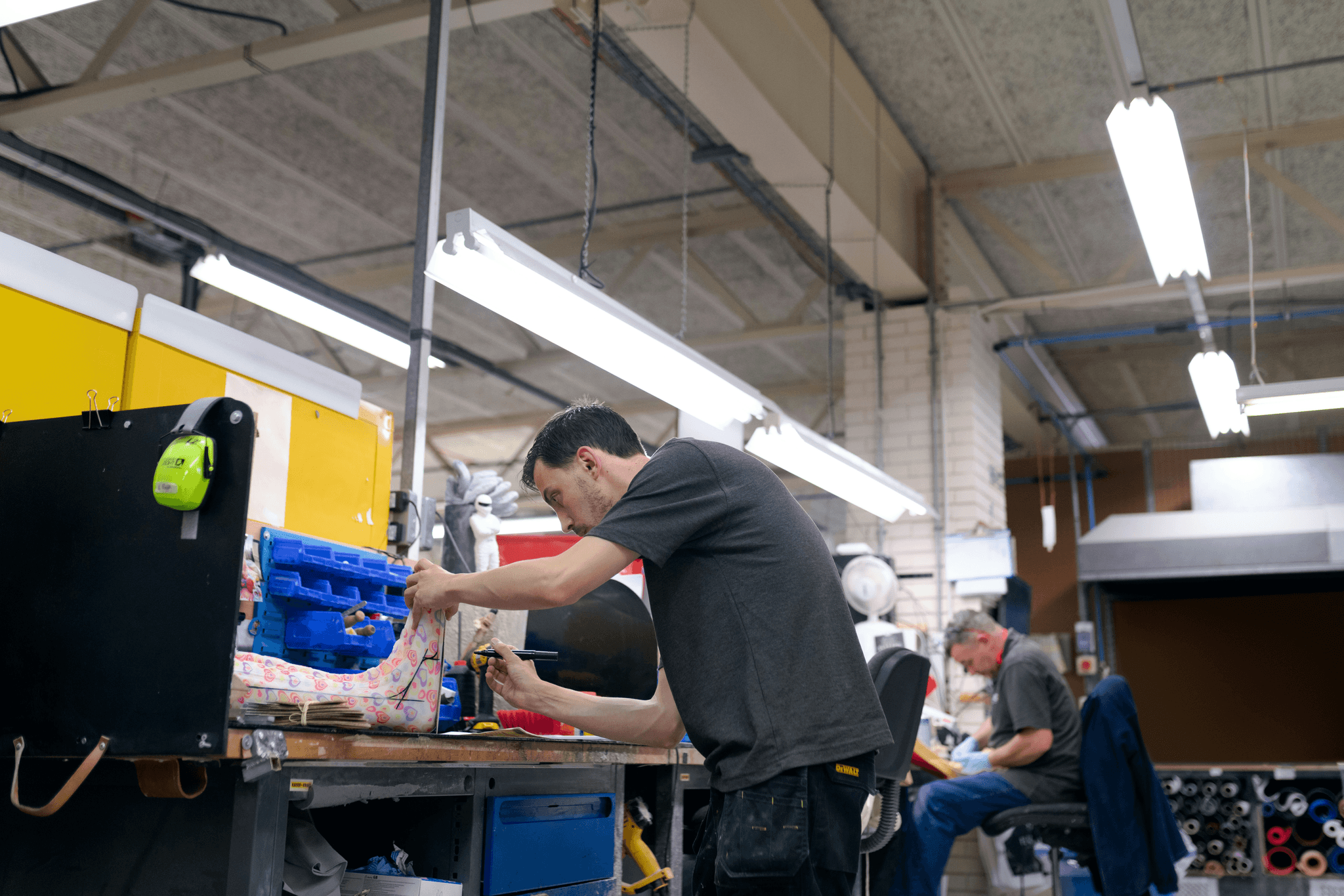
In the high-stakes world of manufacturing, quality assurance inspections serve as a vital risk management tool. These inspections are not merely a box to check; they are proactive measures that help identify potential flaws before they escalate into significant issues. By implementing thorough quality checks, businesses can ensure that their products meet established standards, thereby safeguarding both their reputation and bottom line.
Identifying Potential Flaws Early
Early identification of potential flaws is one of the primary benefits of quality assurance inspections. Through rigorous quality control processes, manufacturers can detect deviations from standards at various stages of production, minimizing the risk of defective products reaching consumers. This proactive approach not only enhances product reliability but also fosters trust among customers who value consistent quality and assurance.
Moreover, these early interventions can significantly reduce rework and scrap rates in manufacturing. When flaws are caught early during quality inspections, corrective actions can be taken swiftly without incurring substantial costs associated with late-stage defects. Ultimately, this leads to more efficient operations and a stronger commitment to maintaining high-quality standards.
Mitigating Financial Losses with Quality Checks
Quality checks play an essential role in mitigating financial losses that could arise from product failures or recalls. By investing in comprehensive quality assurance processes, companies can avoid the costly consequences associated with poor-quality products hitting the market. The financial implications of defective goods extend beyond immediate costs; they can damage brand reputation and erode customer loyalty over time.
In fact, effective quality control in manufacturing has been shown to yield significant returns on investment by reducing waste and increasing customer satisfaction rates. When customers receive reliable products that meet their expectations consistently due to stringent quality checks, they are more likely to become repeat buyers and advocates for the brand. Thus, maintaining robust quality assurance practices is not just about compliance—it's about ensuring long-term profitability.
Real-World Example: Boeing's Quality Assurance Challenges
Boeing's recent challenges highlight the critical importance of effective quality assurance inspections within large-scale manufacturing operations. The company faced significant scrutiny related to its 737 MAX aircraft following safety concerns linked to inadequate quality control measures during production processes. This situation underscores how lapses in quality inspections can lead to catastrophic outcomes—not only financially but also in terms of public safety.
The fallout from these issues has prompted Boeing to reassess its approach toward quality assurance and implement more stringent inspection protocols moving forward. Lessons learned from this experience emphasize that robust quality control systems must be integrated into every aspect of production—from design through delivery—to prevent similar crises in the future. Ultimately, Boeing's journey serves as a cautionary tale for manufacturers everywhere about prioritizing rigorous quality checks as a fundamental component of risk management strategies.
The Role of Technology in Quality Inspections
In today's fast-paced manufacturing environment, technology plays a pivotal role in enhancing quality assurance inspections. Advanced tools and systems streamline the quality control process, ensuring that products meet rigorous standards before they hit the market. By integrating innovative technologies, businesses can significantly improve their quality assurance practices while reducing human error.
Utilizing Advanced Tools for Quality Assurance
The advent of sophisticated technologies has transformed how quality inspections are conducted in various industries. Automated systems, such as AI-driven inspection tools and machine vision technology, enable companies to perform thorough quality checks with remarkable speed and accuracy. These advanced tools not only identify defects early but also provide valuable data that can inform ongoing improvements in quality control processes.
Moreover, employing software solutions for tracking and analyzing inspection results enhances transparency across the organization. This data-centric approach allows teams to pinpoint recurring issues and trends, thus refining their quality assurance strategies over time. Ultimately, leveraging these advanced tools ensures that quality inspections are not just a checklist item but a fundamental aspect of the production process.
The Future of Quality Control in Manufacturing
The future of quality control in manufacturing is poised to be shaped by continuous advancements in technology and automation. As industries increasingly adopt smart manufacturing techniques, we can expect more integrated systems that combine real-time data analytics with proactive quality assurance measures. This shift will allow businesses to predict potential flaws before they escalate into costly defects.
Additionally, the rise of Industry 4.0 emphasizes connectivity between machines and systems, creating opportunities for more effective collaboration among teams focused on maintaining product integrity through rigorous quality checks. In this evolving landscape, organizations that prioritize innovation in their quality assurance practices will likely maintain a competitive edge over those that do not adapt quickly enough.
Highlighting China Inspection Pro's Innovative Approaches
China Inspection Pro stands out as a leader in implementing cutting-edge solutions for effective quality assurance inspections across various sectors. Their commitment to utilizing state-of-the-art technology ensures comprehensive coverage during the inspection process while minimizing errors associated with traditional methods of quality control in manufacturing. By employing mobile applications and cloud-based platforms, they facilitate seamless communication between inspectors and manufacturers.
Their innovative approaches not only enhance efficiency but also provide clients with real-time updates on inspection statuses and results—an essential feature for businesses striving for transparency throughout their supply chains. By embracing these modern techniques, China Inspection Pro exemplifies how integrating technology into quality inspections can lead to improved product reliability and customer satisfaction.
Building a Quality-Driven Culture
Creating a culture centered around quality is essential for any organization aiming for long-term success. A quality-driven culture not only enhances product reliability but also fosters employee engagement and satisfaction. By prioritizing quality assurance inspections, companies can ensure that every team member understands the significance of their role in maintaining high standards.
Training Employees on Quality Assurance Principles
Training employees on quality assurance principles is the cornerstone of a robust quality control framework. This involves educating staff about the importance of quality inspections and how they contribute to overall business success. Regular workshops and training sessions can help instill a mindset focused on continuous improvement, enabling employees to identify potential issues before they escalate into costly defects.
Moreover, when employees understand the intricacies of quality assurance, they become more vigilant during their daily tasks. They learn to appreciate how meticulous attention to detail during production affects product reliability and customer satisfaction. Ultimately, well-trained employees can elevate the standard of quality control in manufacturing, leading to fewer errors and higher-quality outputs.
Empowering Teams to Focus on Quality Inspections
Empowering teams to prioritize quality inspections is crucial for fostering an environment where everyone feels responsible for maintaining high standards. When teams are encouraged to take ownership of their work processes, they are more likely to engage in thorough quality checks at every stage of production. This proactive approach not only reduces defects but also promotes a shared commitment to excellence among team members.
Incorporating feedback loops where employees can share insights about potential improvements in the inspection process further enhances this culture of empowerment. It encourages collaboration across departments and ensures that everyone contributes toward achieving superior product outcomes through effective quality control measures. By making quality assurance an integral part of daily operations, businesses can streamline processes while enhancing overall performance.
Success Story: Apple’s Commitment to Product Quality
Apple Inc.'s unwavering commitment to product quality serves as a shining example for organizations looking to build a culture centered around excellence in manufacturing practices. The tech giant meticulously integrates rigorous quality assurance inspections throughout its supply chain, ensuring that every component meets its high standards before reaching consumers. This relentless focus on detail not only enhances customer satisfaction but also solidifies Apple's reputation as an industry leader.
Apple's approach includes extensive training programs designed specifically for its workforce, emphasizing the importance of adhering strictly to established guidelines during production processes. By empowering teams with knowledge and tools necessary for effective inspections, Apple has managed to maintain consistency in delivering top-notch products worldwide while minimizing recalls or defects significantly over time.
The result? An iconic brand synonymous with innovation and reliability—a testament that building a strong culture around quality assurance pays off handsomely in today’s competitive landscape.
Conclusion
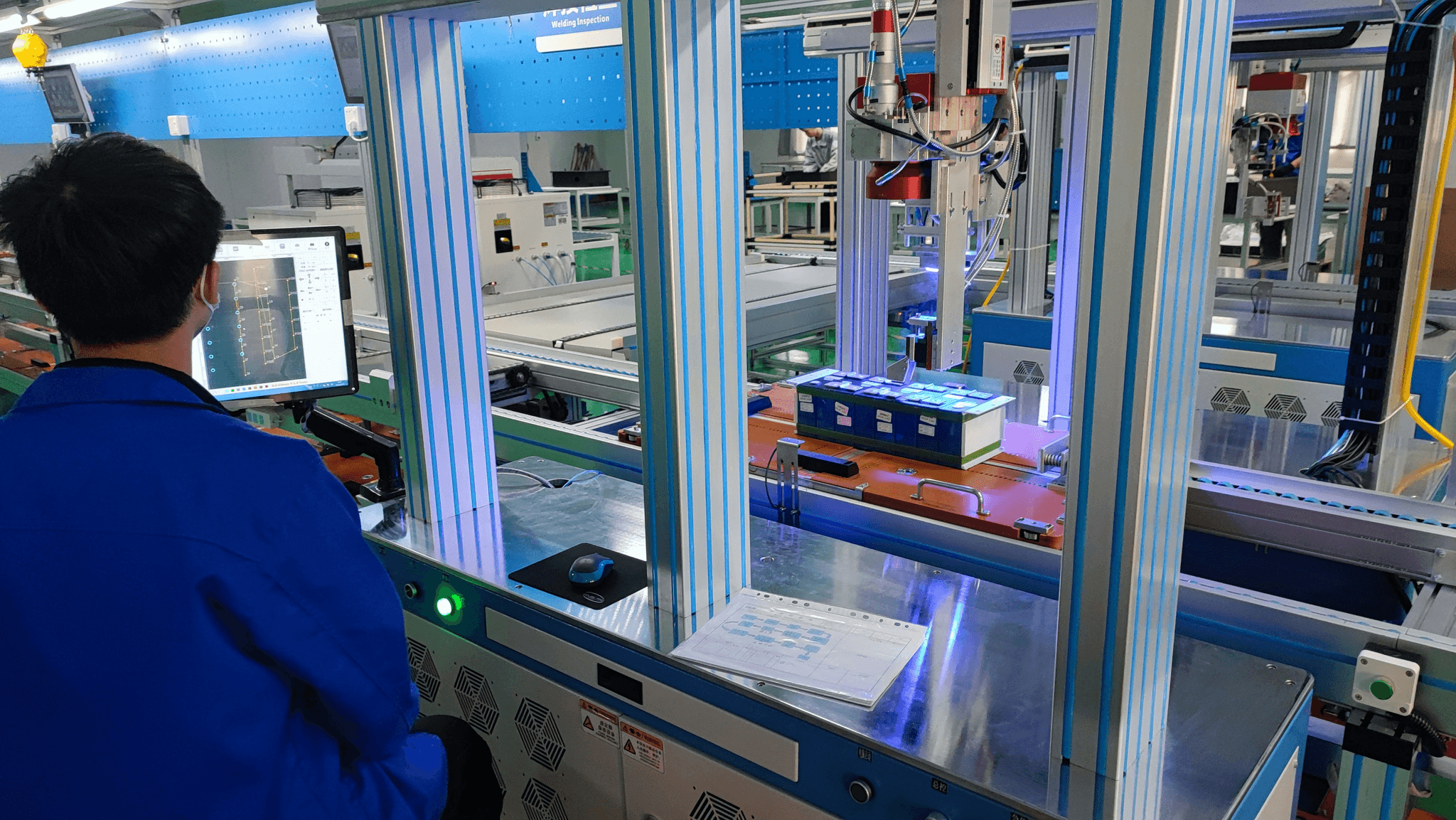
In the fast-paced world of manufacturing, the importance of comprehensive quality control cannot be overstated. Quality assurance inspections serve as the backbone of this process, ensuring that products meet established standards and are free from defects. When implemented effectively, quality control not only enhances product reliability but also fosters customer trust and loyalty.
The Benefits of Comprehensive Quality Control
Comprehensive quality control brings numerous benefits to organizations striving for excellence. By integrating quality assurance inspections throughout the production process, companies can identify issues before they escalate into costly problems. Additionally, a robust quality control framework helps reduce waste and improve operational efficiency, ultimately leading to higher profit margins.
Quality Assurance as a Competitive Advantage
In today’s competitive market, companies that prioritize quality assurance stand out from their peers. By investing in effective quality inspections and rigorous quality checks, businesses can differentiate themselves through superior products and services. This commitment to quality not only attracts loyal customers but also positions organizations favorably against competitors who may overlook the significance of thorough quality control in manufacturing.
Future Trends in Quality Inspections and Assurance
As technology continues to evolve, so too will the landscape of quality assurance inspections. Emerging trends such as automation and artificial intelligence are set to revolutionize how businesses approach quality checks, making them faster and more accurate than ever before. Companies like China Inspection Pro are already leading the charge by implementing innovative approaches that promise a future where proactive quality control becomes standard practice rather than an afterthought.