
Introduction
In the dynamic world of manufacturing, quality audits play an indispensable role in ensuring that products meet established standards and customer expectations. The importance of quality audits in manufacturing cannot be overstated; they serve as a critical checkpoint for identifying defects and improving processes. By implementing robust quality management systems (QMS), manufacturers can streamline operations and enhance product reliability, ultimately leading to greater customer satisfaction.
Importance of Quality Audits in Manufacturing
Quality audits are essential for maintaining high standards within the manufacturing sector. They help organizations assess compliance with regulations and internal policies while also identifying areas for improvement. Without regular audits, it becomes challenging to answer questions like What are the 4 types of inspections? or How do I write an inspection report? since consistent evaluation is key to understanding operational efficacy.
The Role of Quality Management Systems
Quality Management Systems (QMS) act as a framework within which quality audits operate effectively. These systems provide structured processes that guide manufacturers in documenting procedures, conducting inspections, and generating reports—such as a comprehensive manufacturing inspection report. Furthermore, a well-implemented QMS helps organizations establish standard operating procedures that align with industry best practices.
Key Benefits of Manufacturing Inspections
Manufacturing inspections yield numerous benefits that go beyond mere compliance checks; they foster continuous improvement and operational excellence. For instance, knowing how to make an inspection report in Excel can simplify data compilation and analysis, making it easier to track performance over time. Additionally, understanding what are the 4 points of inspection ensures that every critical aspect is evaluated thoroughly, enhancing product quality while minimizing risk.
Understanding Quality Audits

Quality audits are a crucial component of maintaining high standards in manufacturing. They serve as systematic evaluations to ensure that processes, products, and systems meet established quality criteria. By understanding the intricacies of quality audits, organizations can enhance their overall efficiency and product reliability.
Definition and Purpose of Quality Audits
Quality audits are formal examinations of a company's quality management system (QMS) to verify compliance with internal policies and external regulations. The primary purpose is to identify areas for improvement while ensuring that products meet customer expectations and regulatory requirements. In essence, these audits help manufacturers maintain a competitive edge by ensuring consistent quality in their offerings.
How Do I Write an Inspection Report?
Writing an effective inspection report is essential for documenting findings from quality audits. To start, gather all relevant data during the inspection process; this includes observations, measurements, and any deviations from standards. Then, organize this information into a clear structure: introduction, findings, conclusions, and recommendations—this will help answer the question: How do I write an inspection report?
When crafting your manufacturing inspection report in Excel or any other format, be sure to include critical details such as dates, locations, equipment used during inspections, and personnel involved. Visual aids like charts or graphs can enhance understanding but keep it straightforward—clarity is key! Finally, ensure that your report is concise yet comprehensive enough to inform stakeholders about necessary actions.
The Role of Quality Standards in Audits
Quality standards play a pivotal role in shaping the framework within which quality audits operate. They provide benchmarks against which products and processes can be evaluated during inspections—think ISO 9001 or industry-specific guidelines like AS9100 for aerospace manufacturing. Understanding these standards allows auditors to assess compliance effectively while also answering the question: What are the 4 types of inspections?
Incorporating recognized quality standards into audit practices not only ensures consistency but also fosters trust among customers who rely on these certifications for assurance of product integrity. Additionally, adherence to established guidelines helps organizations pinpoint critical control points—essentially what are the 4 points of inspection? This structured approach leads to enhanced accountability and continuous improvement across manufacturing processes.
[Image description=quality auditor examining products on assembly line with checklist in hand, factory setting with machinery visible in background], Image name=quality_audit_process_overview, Alt tag=manufacturing inspection report showcasing audit process steps
Types of Inspections in Manufacturing

In the world of manufacturing, inspections are pivotal to ensuring product quality and compliance with industry standards. Different types of inspections serve unique purposes, helping manufacturers identify defects and ensure that products meet customer expectations. Understanding what these inspections entail is key to crafting a robust manufacturing inspection report.
What Are the 4 Types of Inspections?
When it comes to manufacturing, there are generally four main types of inspections: incoming inspections, in-process inspections, final inspections, and pre-shipment inspections. Incoming inspections focus on raw materials before they enter production, ensuring that everything meets specified criteria. In-process inspections occur during production to catch defects early; final inspections assess the finished product just before it leaves the factory; and pre-shipment inspections verify quality right before delivery—each type plays a crucial role in maintaining high standards.
If you're wondering how do I write an inspection report for each type? Start by documenting findings clearly for each inspection stage. This will not only help track quality over time but also provide a comprehensive overview when you need to present your findings or address issues with stakeholders.
Visual Inspections vs. Functional Testing
Visual inspections involve examining products for physical defects such as scratches, dents, or color inconsistencies—essentially looking at how something appears at first glance. On the other hand, functional testing dives deeper by assessing whether a product performs its intended function correctly under various conditions. Both methods play significant roles in producing a detailed manufacturing inspection report; visual checks can often identify obvious flaws while functional tests ensure reliability and performance.
When considering how to make an inspection report in Excel for both visual and functional tests, it's important to create separate sections within your spreadsheet for clarity. This way you can easily compare results from different types of assessments without losing sight of what each test reveals about overall quality.
Pre-shipment Inspections and Their Importance
Pre-shipment inspections are critical as they serve as the last line of defense against defective products reaching customers—no one wants unhappy clients! These assessments typically include checking packaging integrity, verifying quantities against orders, and conducting final functionality tests if applicable. The importance of pre-shipment inspections cannot be overstated: they not only protect brand reputation but also reduce costs related to returns or rework.
To ensure your pre-shipment inspection process is effective, remember the four points of inspection: completeness (are all items included?), accuracy (do items match specifications?), functionality (do they work properly?), and presentation (is packaging intact?). Incorporating these principles into your reports will enhance their value significantly while providing actionable insights into product readiness.
Crafting an Effective Inspection Report

Creating a manufacturing inspection report is not just about filling out forms; it's an art that combines thoroughness and clarity. When you craft your report effectively, you ensure that it serves its purpose—communicating findings and recommendations clearly to stakeholders. A well-structured inspection report can be a powerful tool for continuous improvement in the manufacturing process.
How to Make an Inspection Report in Excel
So, how do I write an inspection report? Well, if you're looking to make one in Excel, you're in luck! Start by setting up a clean spreadsheet with clearly labeled columns for essential data points such as item description, inspection criteria, results, and any comments or recommendations. Utilize Excel's built-in features like drop-down lists for standardized responses and conditional formatting to highlight issues at a glance.
Once your template is set up, fill it out during inspections while ensuring accuracy and consistency. Remember to save your reports regularly and back them up; nobody wants to lose their hard work! Finally, consider adding charts or graphs if you have numerical data—visuals can make your findings more digestible.
Essential Components of a Manufacturing Inspection Report
When crafting a manufacturing inspection report, certain components are non-negotiable for effectiveness. First off, include an executive summary that provides a snapshot of the findings; this allows busy stakeholders to grasp key points quickly without diving into details right away. Next comes the detailed section where you outline what was inspected—this should answer questions like What are the 4 types of inspections? relevant to your context.
Moreover, don't forget sections for observations and non-conformance issues discovered during inspections; these are critical for identifying areas needing attention or improvement. Lastly, wrap it all up with actionable recommendations based on your findings—this turns mere observations into steps forward!
Tips for Clear and Concise Reporting
In the world of quality audits and inspections, clarity is king! To achieve this in your manufacturing inspection report, use straightforward language devoid of jargon unless absolutely necessary; remember that not everyone reading it may be familiar with technical terms. Bullet points can also be your best friend—use them to break down complex information into digestible bites.
Additionally, stick to the facts while avoiding unnecessary fluff or filler content; every word should serve a purpose related to What are the 4 points of inspection? or other relevant queries from readers. Finally, always proofread before sending out reports; typos can undermine credibility faster than you can say quality control!
Core Principles of Inspection Processes

In the realm of manufacturing, establishing a robust inspection process is essential for ensuring product quality and compliance with standards. Understanding the core principles behind inspections can significantly enhance the effectiveness of your quality management systems (QMS). This section delves into the four key points of inspection, the establishment of critical control points, and highlights the importance of thorough documentation.
Establishing Critical Control Points
Establishing critical control points (CCPs) in your inspection process ensures that any potential hazards are identified and mitigated before they affect production quality. CCPs act as checkpoints throughout the manufacturing process where specific criteria must be met; this proactive approach minimizes risks associated with defects. By integrating CCPs into your inspections, you can effectively answer questions such as: How do I write an inspection report? since each critical point will need to be documented clearly and thoroughly in reports.
Moreover, identifying these key areas allows inspectors to focus their efforts where it counts most—on those aspects that could lead to significant issues if not monitored closely. Implementing CCPs not only enhances product safety but also boosts overall efficiency by reducing waste and rework costs.
The Importance of Documentation
Documentation plays a pivotal role in any successful manufacturing inspection report; without it, all those meticulous inspections would be for naught! A well-documented report provides a clear record of findings, decisions made during inspections, and actions taken—crucial for both internal reviews and external audits alike. Moreover, when answering How to make an inspection report in Excel?, having structured documentation makes data entry more manageable while ensuring consistency across reports.
Additionally, proper documentation supports continuous improvement initiatives by allowing teams to analyze trends over time; you can track what are the 4 types of inspections conducted regularly and identify areas needing attention or refinement. Ultimately, thorough documentation reinforces accountability within teams while serving as a valuable reference for future inspections or audits.
Leveraging Expertise for Quality Control
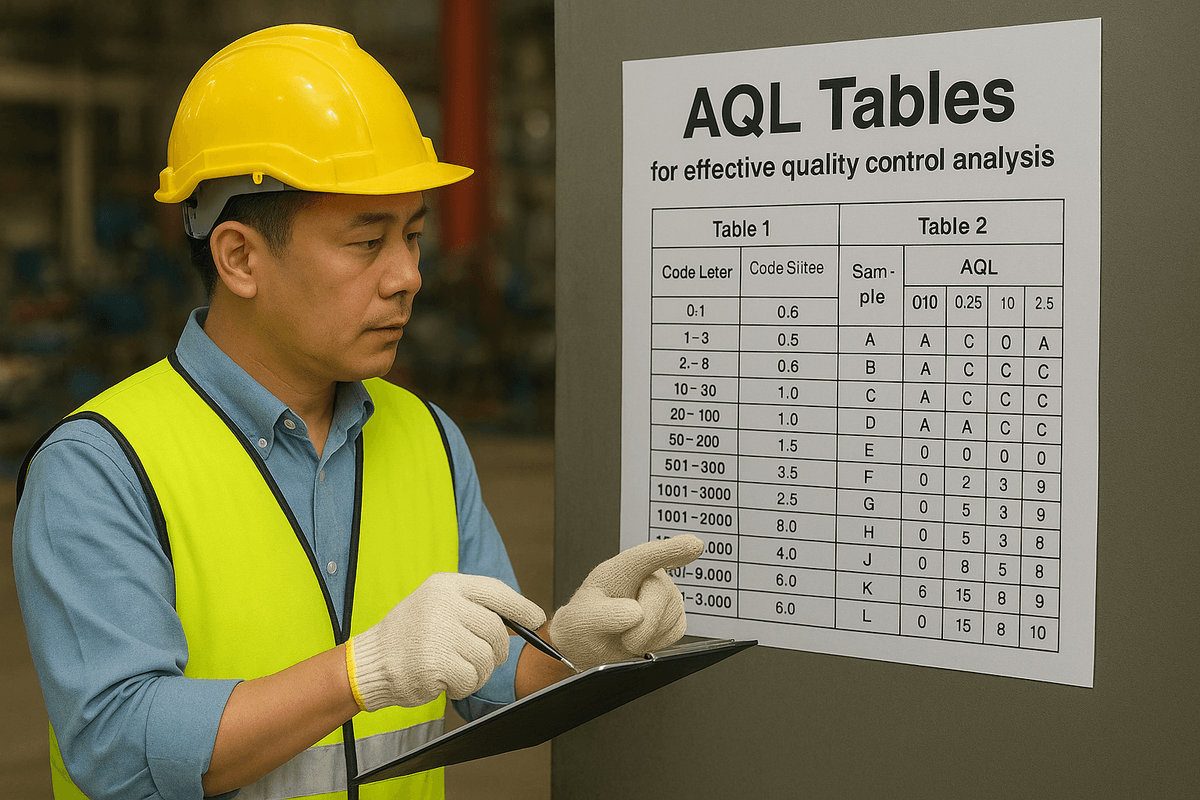
In the realm of quality control, leveraging expertise is paramount. Companies that invest in professional services for quality audits can significantly enhance their manufacturing processes. Not only do these experts bring specialized knowledge, but they also provide valuable insights that can lead to improved product quality and compliance with industry standards.
The Role of China Inspection Pro in Quality Audits
China Inspection Pro plays a pivotal role in conducting thorough quality audits throughout the manufacturing process. Their experienced inspectors are well-versed in what are the 4 types of inspections, ensuring that every aspect of production is scrutinized effectively. By utilizing their services, manufacturers can rest assured that their products meet stringent quality standards before reaching consumers.
When considering how do I write an inspection report?, partnering with a knowledgeable service like China Inspection Pro simplifies this process. They not only perform the inspections but also assist in crafting comprehensive manufacturing inspection reports that highlight critical findings and recommendations. This collaboration ensures that all relevant details are captured accurately, allowing manufacturers to address any issues promptly.
How Professional Services Enhance Product Quality
Engaging professional services for quality control provides numerous benefits beyond just passing inspections. These experts implement best practices and proven methodologies to enhance overall product quality, ensuring compliance with industry regulations and customer expectations. By understanding what are the 4 points of inspection, they focus on critical areas that directly impact product performance and safety.
Moreover, professional inspectors offer an objective perspective on production processes, identifying potential weaknesses or areas for improvement that internal teams might overlook. Their insights can lead to actionable strategies for continuous improvement—essentially turning feedback into a roadmap for success in future production runs. This proactive approach not only boosts product quality but also fosters a culture of accountability within organizations.
Actionable Recommendations for Continuous Improvement
To truly capitalize on the benefits of expert-led inspections, manufacturers should implement actionable recommendations derived from their findings consistently. One effective way to start is by developing a robust framework around how to make an inspection report in Excel; this allows teams to track progress over time easily and identify trends or recurring issues within the manufacturing process.
Additionally, focusing on what are the 4 types of inspections helps establish a comprehensive evaluation strategy tailored to specific products or processes. Regularly revisiting these methods ensures continuous alignment with evolving industry standards and customer demands while reinforcing best practices across all levels of production.
Lastly, fostering open communication between internal teams and external auditors can create a feedback loop essential for sustained improvements over time. By valuing insights from both perspectives—internal operations and external evaluations—manufacturers can achieve higher efficiency rates while consistently delivering top-notch products.
Conclusion
In wrapping up our exploration of manufacturing inspections, it’s clear that a robust quality audit process is essential for maintaining high standards in production. Understanding the intricacies of a manufacturing inspection report can significantly enhance product quality and compliance. By knowing how to write an inspection report effectively, manufacturers can communicate findings clearly and drive improvements in their processes.
Key Takeaways on Manufacturing Inspections
One of the foremost takeaways is the significance of understanding what are the 4 types of inspections: pre-production, during production, pre-shipment, and post-production. Each type serves a unique purpose in ensuring that products meet established quality standards before reaching consumers. Additionally, grasping how to make an inspection report in Excel streamlines documentation and enhances clarity in reporting findings.
Another critical point revolves around the four points of inspection that every manufacturer should consider: specification compliance, performance verification, visual checks, and functional testing. These points help ensure thorough evaluations during each stage of production. Ultimately, effective inspections not only prevent defects but also foster a culture of continuous improvement.
Next Steps for Implementing QMS Strategies
To implement effective Quality Management System (QMS) strategies, organizations should start by conducting comprehensive training on how do I write an inspection report tailored to their specific needs. This training will empower employees with the necessary skills to document findings accurately and efficiently. Furthermore, integrating regular reviews of manufacturing inspection reports into management meetings can facilitate informed decision-making based on real-time data.
Companies must also prioritize establishing critical control points aligned with industry standards to enhance their overall inspection processes. By doing so, they can ensure that any deviations from expected quality levels are promptly addressed before they escalate into larger issues. Regular audits will serve as checkpoints for assessing compliance with these QMS strategies.
Future Trends in Quality Audits and Inspections
Looking ahead, we anticipate several trends shaping the future landscape of quality audits and inspections within manufacturing sectors globally. The integration of advanced technologies such as AI-driven analytics will revolutionize how manufacturers conduct inspections and generate reports—making it easier than ever to compile a comprehensive manufacturing inspection report quickly and accurately.
Moreover, there’s an increasing emphasis on sustainability practices within audits; companies are now expected not just to meet product specifications but also adhere to environmental regulations throughout their supply chains. As businesses continue adapting to these changes, staying informed about what are the 4 types of inspections will be vital for maintaining competitive advantages in this evolving market.