
Introduction
In the realm of construction and property management, building structural audits serve as a critical tool for ensuring safety and compliance. These audits are comprehensive evaluations that assess the integrity of a structure, providing insights into its current condition and potential risks. Understanding the audit meaning in this context is essential for property owners who wish to safeguard their investments and ensure the longevity of their buildings.
Understanding Building Structural Audits
A building structural audit goes beyond mere inspections; it involves a detailed examination of a structure's components, including foundations, beams, and load-bearing walls. This process helps identify any weaknesses or damages that could compromise safety or lead to costly repairs down the line. By grasping the significance of these audits, stakeholders can make informed decisions about maintenance and improvements while adhering to relevant compliance audit standards.
The Importance of Safety and Compliance
Safety is paramount in any construction endeavor, making regular audits indispensable for identifying potential hazards before they escalate into serious issues. Compliance with local regulations not only protects occupants but also shields property owners from legal repercussions that may arise from negligence. An effective audit company can help ensure that all safety measures are met, fostering an environment where both residents and workers feel secure.
How Audits Impact Property Value
Regular building structural audits can significantly enhance property value by addressing issues proactively rather than reactively. Properties with documented compliance from thorough audits often attract higher interest from buyers due to perceived safety and reliability. In essence, investing in regular audits translates into long-term financial benefits by preserving asset value while minimizing unexpected repair costs.
What is a Building Structural Audit?
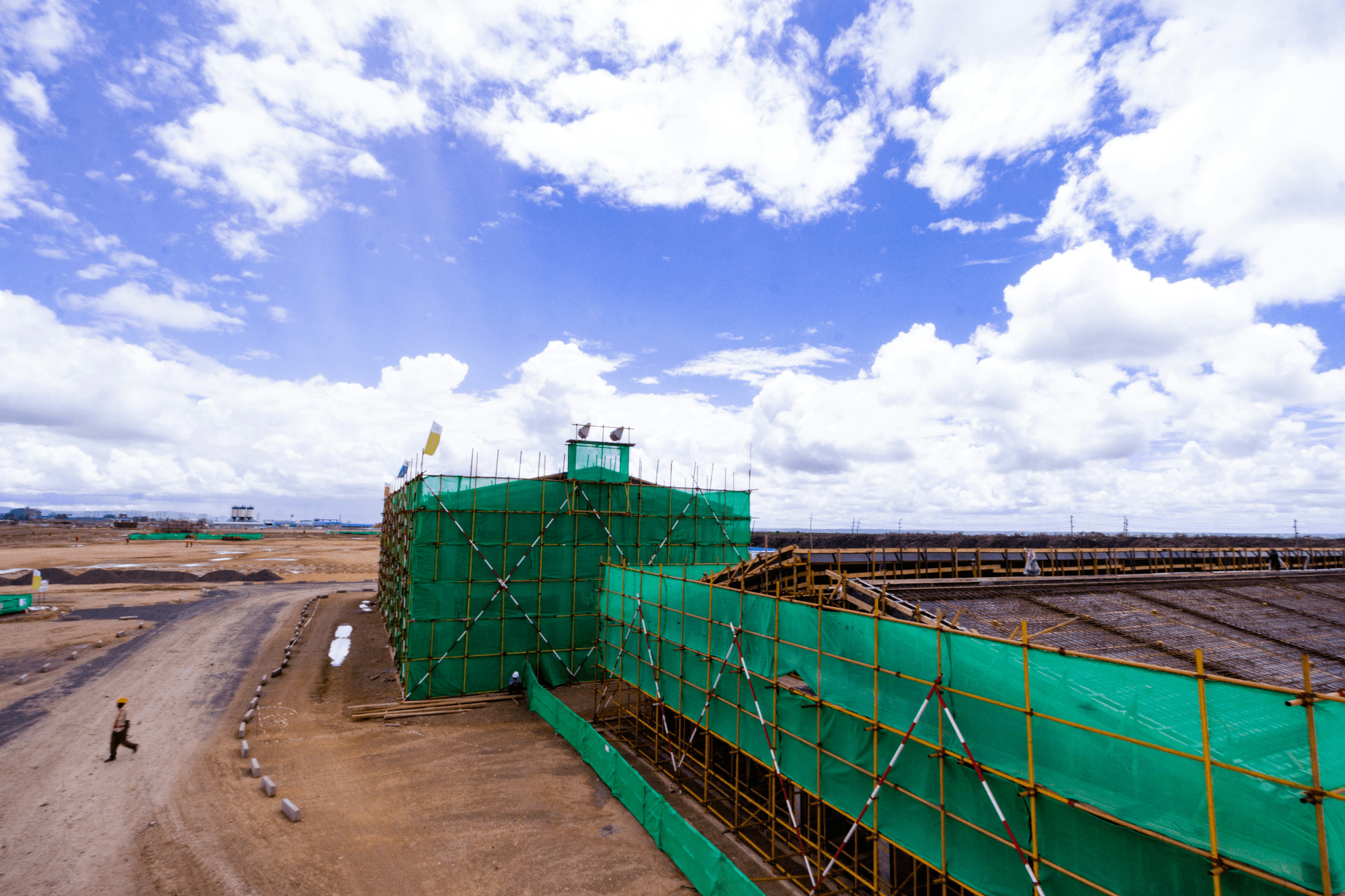
A building structural audit is a comprehensive evaluation that assesses the integrity and safety of a structure. This type of audit goes beyond mere inspections; it delves into the very bones of the building, ensuring that every beam, column, and foundation is sound. Understanding the audit meaning in construction helps stakeholders appreciate its critical role in maintaining property value and safety.
Defining Audit Meaning in Construction
In construction, an audit refers to a systematic examination of various elements within a building to ensure compliance with safety standards and regulations. The term audit often conjures images of financial assessments, but when it comes to structures, it encompasses much more than just numbers. A building structural audit evaluates physical conditions, material quality, and adherence to design specifications—essentially acting as a health check for your property.
Key Components of a Structural Audit
Key components of a structural audit include visual inspections, material testing, and structural analysis. Inspectors evaluate load-bearing elements like beams and columns for signs of wear or damage while also assessing non-structural components that could affect overall safety. Additionally, they may employ advanced technologies such as drones or thermal imaging to detect issues that aren’t readily visible—making sure every nook and cranny is accounted for.
Differences Between Compliance Audit and Structural Audit
While both compliance audits and structural audits aim to ensure safety and adherence to regulations, they focus on different aspects of buildings. A compliance audit primarily verifies whether specific codes or regulations are being followed—think fire codes or zoning laws—while a structural audit digs deeper into the physical condition of the structure itself. Essentially, an audit company conducting a compliance audit might check if permits were obtained correctly; however, during a building structural audit, they would assess whether those permits translate into safe practices within the actual construction.
Why Regular Audits are Essential
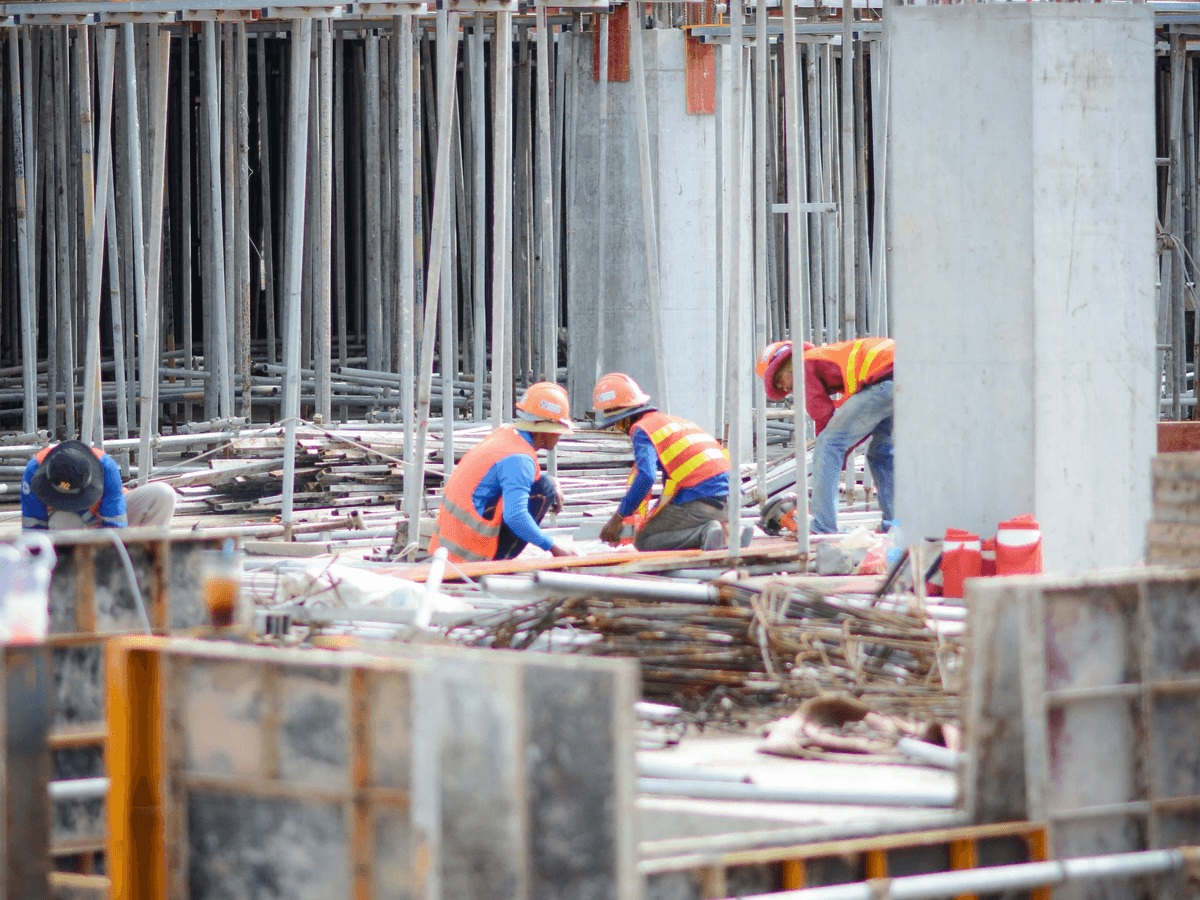
In the realm of construction and property management, regular audits serve as a crucial line of defense against unforeseen issues. A building structural audit is not just a checklist; it's an in-depth examination that can reveal potential weaknesses in a structure. By prioritizing these audits, property owners and managers can ensure their buildings remain safe, compliant, and valuable.
Assessing Structural Integrity
Assessing structural integrity is one of the primary reasons for conducting regular building structural audits. These audits provide a comprehensive analysis of key components like beams, columns, and foundations to ensure they meet safety standards. By understanding audit meaning in this context, stakeholders can identify vulnerabilities that may pose risks to occupants or lead to significant structural failures.
Regular assessments help maintain the longevity of the building while also ensuring compliance with local regulations and standards. An audit company specializing in structural evaluations can pinpoint areas requiring immediate attention or future monitoring. This proactive approach minimizes the risk of catastrophic failures that could arise from neglecting essential maintenance.
Preventing Costly Repairs
One of the most compelling arguments for implementing routine building structural audits is their ability to prevent costly repairs down the line. By identifying issues early on—be it minor cracks or moisture intrusion—property owners can address them before they escalate into major problems requiring extensive remediation efforts. This foresight saves not only money but also time and stress associated with emergency repairs.
Moreover, regular audits contribute to overall financial health by preserving property value over time. When buildings are well-maintained through consistent auditing practices, they command higher market prices and attract quality tenants or buyers who appreciate safety compliance as much as aesthetics. In essence, investing in an audit company’s expertise translates into long-term savings that far exceed initial costs.
Enhancing Safety Compliance
Enhancing safety compliance is another critical reason for conducting regular building structural audits. These assessments ensure that properties adhere to current codes and regulations designed to protect occupants from hazards such as fire risks or structural collapses. A thorough understanding of both compliance audit requirements and structural evaluations allows property managers to create safer environments for everyone involved.
Furthermore, having documented evidence from these audits can be invaluable during inspections by local authorities or insurance companies. It demonstrates due diligence on part of the owner while potentially lowering insurance premiums due to reduced risk profiles associated with well-maintained properties. Ultimately, prioritizing safety through regular auditing helps foster trust between landlords and tenants while contributing positively to community standards.
The Role of an Audit Company
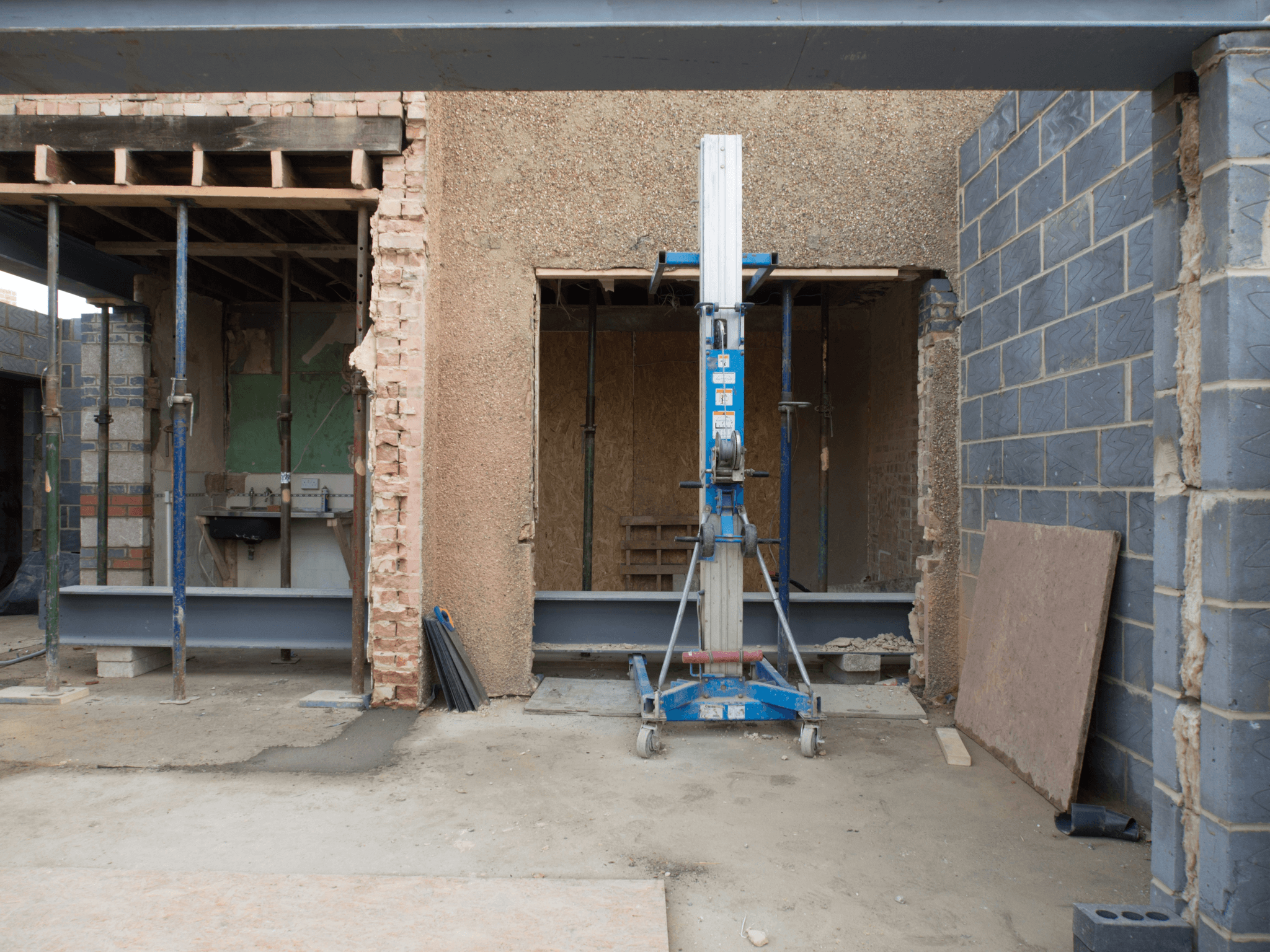
When it comes to ensuring the safety and integrity of your building, the role of an audit company is pivotal. They are not just service providers; they are your partners in navigating the complex landscape of structural compliance. Choosing the right audit company can make all the difference between a thorough building structural audit and a missed opportunity for crucial insights.
Choosing the Right Audit Company
Selecting an audit company requires careful consideration and due diligence. Look for firms that specialize in building structural audits, as they will have a deeper understanding of what’s at stake compared to those focusing solely on compliance audits. Seek out companies with solid reputations, verified credentials, and plenty of positive client testimonials—after all, you want experts who can deliver value beyond just ticking boxes on an audit checklist.
Don’t hesitate to ask potential candidates about their experience with similar projects and how they approach both audits and compliance issues. A great audit company should be transparent about their processes and willing to tailor their services to meet your specific needs. Remember, a well-chosen partner will help ensure that your building remains safe while maximizing its value through regular assessments.
What to Expect During an Audit
A building structural audit is not just a walk-through; it's a comprehensive examination aimed at identifying risks and opportunities for improvement. Expect auditors to conduct detailed inspections, review documentation, and engage with on-site personnel during this process. They’ll assess everything from foundational integrity to compliance with current regulations—making sure no stone is left unturned.
During the audit, communication is key; auditors often provide real-time feedback about any immediate concerns or areas needing attention. This proactive approach allows you to address issues before they escalate into costly repairs or safety hazards down the line. Ultimately, understanding what happens during an audit empowers you as a property owner or manager to take informed actions based on findings.
The Benefits of Professional Expertise
Engaging with a professional audit company brings numerous advantages that go beyond mere compliance checks or surface-level assessments. Their expertise in conducting building structural audits means they can identify potential problems early on—saving you significant time and money in future repairs or legal liabilities related to non-compliance issues.
Moreover, professional auditors often have access to advanced tools and technologies that enhance their ability to detect subtle signs of distress within structures that might go unnoticed otherwise. By leveraging this expertise, you're not just investing in safety; you're also enhancing your property’s overall value through informed decision-making based on accurate data from reliable sources.
Navigating the Audit Process

Navigating the audit process can feel like walking a tightrope, but with the right preparation and mindset, it can be a smooth journey. A building structural audit is not just a box to check; it’s a vital step in ensuring your property remains safe and compliant. Understanding what to expect can help alleviate anxiety and set you up for success.
Preparing for Your Building Structural Audit
Preparation is key when it comes to your building structural audit. Start by gathering all relevant documentation, including previous audit reports, maintenance records, and compliance certificates; this will give auditors a comprehensive view of your property’s history. Additionally, consider scheduling a pre-audit review with your chosen audit company to discuss any specific concerns or areas that may require extra attention.
Communication with tenants or occupants is also essential during this stage; inform them about the upcoming audit so they can cooperate fully on the day of inspection. This proactive approach not only fosters transparency but also helps in identifying potential issues early on. Remember, an informed building owner is an empowered one!
Common Challenges and Solutions
While preparing for a building structural audit, you may encounter several common challenges that could throw you off balance if not addressed properly. One such challenge is limited access to certain areas of the building; this can hinder the thoroughness of the audit process. To mitigate this issue, ensure that all areas are accessible ahead of time—this includes roofs, basements, and mechanical rooms.
Another challenge might be discrepancies between compliance audits and structural audits; understanding these differences can prevent confusion during evaluations. If you’re unsure about specific requirements or regulations, consult your audit company beforehand to clarify any uncertainties—better safe than sorry! Lastly, time constraints might create pressure during audits; planning ahead will allow ample time for each phase of the process.
Post-audit Steps to Take
Once your building structural audit wraps up, it’s crucial to act swiftly on any findings or recommendations provided by the auditors. Review their report carefully—this document holds valuable insights into both compliance status and potential safety risks that need addressing immediately. Prioritize necessary repairs or improvements based on urgency while considering how they impact overall property value.
After addressing immediate concerns from the audit findings, think about implementing regular follow-up assessments as part of ongoing maintenance strategies; this ensures continued safety compliance over time while enhancing property appeal in real estate markets. Engaging with your chosen audit company for periodic evaluations reinforces commitment to quality assurance in maintaining structural integrity.
In conclusion, navigating through each phase—from preparation through post-audit actions—ensures that you maximize benefits from your building structural audit while minimizing risks associated with neglecting safety standards or compliance issues.
Case Studies: Success Stories

In the world of construction and property management, real-life examples often speak louder than theoretical concepts. Structural audits have proven their worth time and again, showcasing how a comprehensive building structural audit can save lives, money, and even enhance property value. Let's dive into some compelling case studies that illustrate the importance of these audits.
Real World Examples of Structural Audits
One notable case involved a historic theater in downtown Chicago that had been operational for over 80 years. The owners decided to conduct a building structural audit after noticing cracks in the walls and ceiling. The audit revealed significant structural issues that could have led to catastrophic failure if left unaddressed, prompting timely repairs and ensuring the safety of patrons.
Another example comes from a residential apartment complex in Los Angeles where an audit company was hired to perform a thorough evaluation due to recent seismic activity in the area. The resulting report highlighted vulnerabilities in the building's foundation that required immediate attention. By addressing these issues proactively through a compliance audit, the owners not only improved safety but also increased tenant satisfaction and retention.
A third instance occurred with an industrial facility in Texas where regular audits were part of their maintenance strategy. During one such building structural audit, inspectors discovered deterioration in load-bearing beams that could compromise operations if not remedied quickly. The facility management team acted on these findings promptly, resulting in enhanced operational efficiency and prolonged asset lifespan.
How Audits Improved Safety and Value
The benefits of conducting regular structural audits extend far beyond mere compliance; they significantly enhance safety as well as property value. In our first example with the historic theater, timely repairs stemming from the audit not only ensured patron safety but also allowed for successful renovations that attracted larger audiences—boosting revenue substantially.
The apartment complex case illustrates how addressing vulnerabilities through an audit meaningfully impacted tenant retention rates; satisfied tenants are more likely to renew leases or recommend properties to friends and family, thereby increasing overall occupancy rates and property value over time.
In industrial settings like our Texas facility example, identifying issues early on prevented costly downtime caused by unexpected failures or accidents—an essential aspect for maintaining productivity levels while safeguarding employee welfare. Each successful intervention based on insights from audits showcases how proactive measures lead to long-term financial benefits.
Lessons Learned from Not Conducting Audits
Neglecting regular building structural audits can result in dire consequences—both financially and ethically. One infamous case involved an office building collapse due to undiscovered foundational weaknesses; this tragedy highlighted how failing to conduct necessary compliance audits can lead not just to financial losses but also loss of life.
Another cautionary tale is from a retail center that ignored warning signs until an emergency closure was mandated by local authorities due to severe code violations discovered during an unplanned inspection—resulting in significant repair costs alongside reputational damage impacting future business prospects.
Finally, consider a manufacturing plant that faced hefty fines after regulators discovered numerous safety violations during an unexpected compliance audit prompted by community complaints about noise and vibrations—a direct result of overlooked maintenance issues identified through regular structural assessments they had previously dismissed as unnecessary expenses.
These lessons emphasize why investing time and resources into regular building structural audits is crucial for both operational success and ethical responsibility within any sector reliant on safe structures for business continuity.
Conclusion
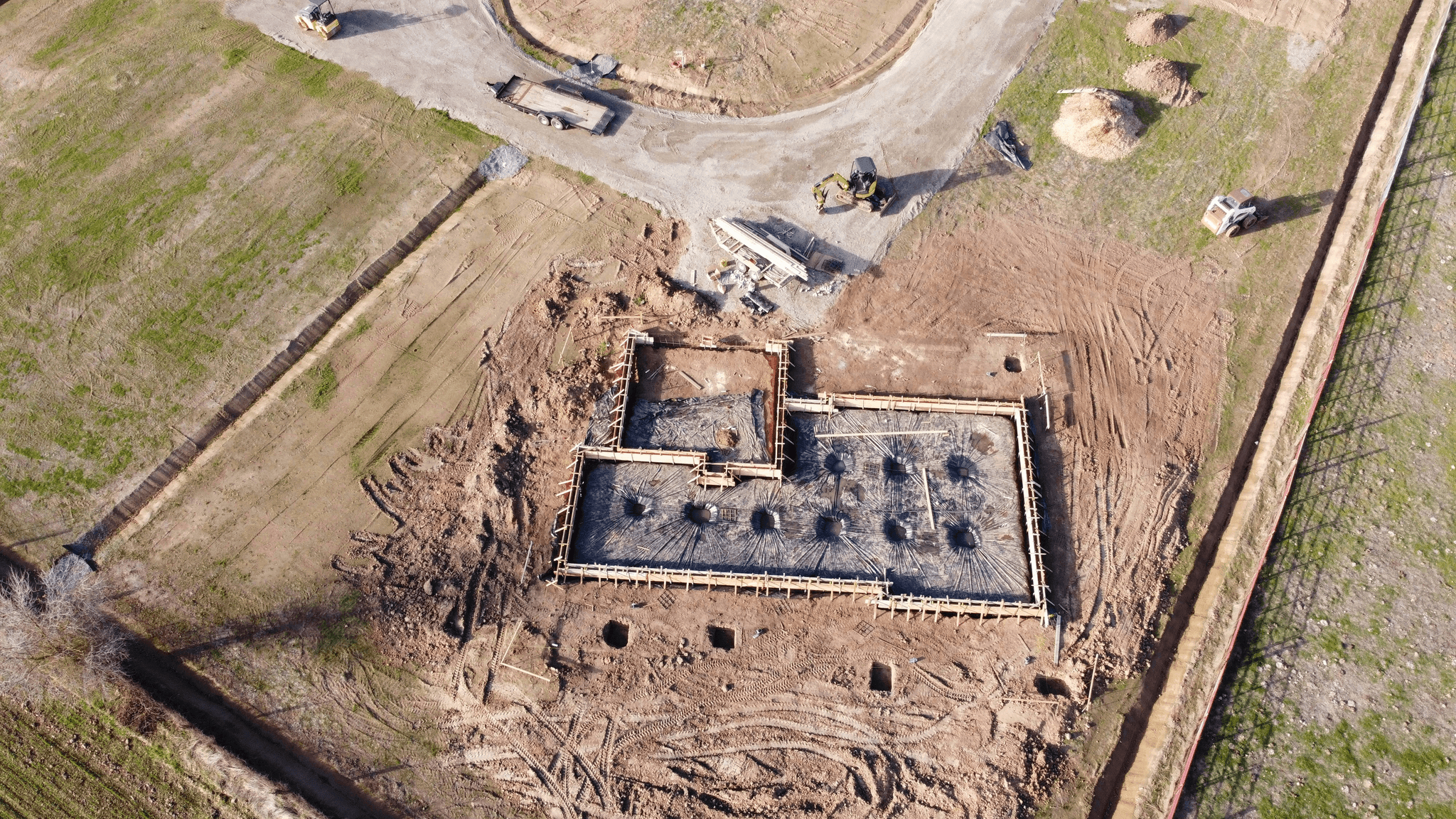
In wrapping up our exploration of building structural audits, it's clear that these assessments are not just routine checks—they are vital components of property management and safety assurance. Regular audits help identify potential issues before they escalate into costly repairs or safety hazards, reinforcing the importance of integrating both audit and compliance practices into your building maintenance strategy. Embracing a proactive approach to structural integrity can significantly enhance property value and ensure the well-being of occupants.
Key Benefits of Regular Structural Audits
The key benefits of regular building structural audits extend beyond mere compliance; they promote a culture of safety and responsibility within any organization. By systematically evaluating the integrity of structures, property owners can pinpoint weaknesses that may compromise safety, ultimately preventing accidents and injuries. Furthermore, these audits can lead to substantial cost savings by addressing minor issues before they develop into major repairs, making them an essential part of any maintenance plan.
Investing in Safety and Compliance
Investing in safety through regular audits is not just about adhering to regulations; it’s about fostering trust among tenants and stakeholders alike. A robust compliance audit ensures that buildings meet current codes and standards, which can enhance reputation and attract prospective tenants or buyers who prioritize safety. Thus, by prioritizing a thorough audit process, property owners demonstrate their commitment to providing secure environments while also safeguarding their investment's long-term value.
How China Inspection Pro Enhances Quality Assurance
China Inspection Pro stands out as a premier audit company dedicated to enhancing quality assurance through meticulous building structural audits tailored for diverse properties. Their professional expertise ensures that every aspect—from compliance checks to detailed assessments—is conducted with precision and care. By choosing China Inspection Pro for your audit needs, you’re not only investing in thorough inspections but also in peace of mind knowing your property meets all necessary standards for safety and integrity.