
Introduction
In the world of ceramics, understanding the quality of ceramic products is essential for both manufacturers and consumers. The quality not only influences the aesthetic appeal but also defines functionality and durability, making it crucial to discern between various grades of ceramics. With a plethora of ceramic product types available, from tableware to tiles, recognizing what differentiates Grade A from B and C can significantly impact purchasing decisions.
Understanding Quality of Ceramic Products
The quality of ceramic products is determined by several factors including material composition, manufacturing processes, and design intricacies. High-quality ceramics exhibit superior strength, resistance to thermal shock, and an impeccable finish that enhances their visual appeal. Conversely, lower-grade ceramics may show defects or inconsistencies that can undermine their value and usability.
Importance of Grades in Ceramics
Grades serve as a benchmark for assessing the quality of ceramic products, providing a clear framework for consumers to understand what they are purchasing. Grade A ceramics are typically flawless with high durability, while Grade B may present minor imperfections yet still fulfill their intended purpose effectively. Recognizing these distinctions helps buyers make informed choices without overspending on unnecessary features.
Overview of Ceramic Product Types
Ceramics encompass a wide variety of products ranging from functional items like dinnerware to decorative pieces such as vases or sculptures. Each type has its own set of requirements when it comes to quality standards; for instance, tableware must meet specific health regulations while decorative items may prioritize aesthetic over utility. Understanding these categories allows consumers to navigate the market more efficiently while considering factors like defects in reference for ceramic products and material sourcing.
Defining the Quality of Ceramics: Grade A

This classification is not merely a label; it signifies superior craftsmanship, material selection, and overall performance. Understanding what makes Grade A ceramics exceptional helps consumers navigate their options and appreciate the nuances in ceramic products.
Characteristics of Grade A Ceramics
Grade A ceramics are characterized by their impeccable finish, durability, and aesthetic appeal. These products often feature a flawless surface with no visible defects, which is crucial when considering the quality of ceramic products. The materials used in Grade A ceramics are carefully sourced to ensure they meet strict standards for strength and resistance to wear.
Additionally, these ceramics typically undergo rigorous testing during manufacturing to confirm their integrity and reliability. Their ability to withstand high temperatures and resist staining further sets them apart from lower-grade options like B or C classifications. Ultimately, the characteristics of Grade A ceramics not only enhance their visual appeal but also contribute significantly to their longevity and usability.
Applications of Grade A Products
The applications for Grade A ceramic products are vast and varied, spanning both functional and decorative uses. In the culinary world, fine dinnerware crafted from this grade elevates dining experiences while ensuring safety and durability—think elegant plates that can withstand daily use without scratching or chipping. Additionally, high-quality tiles made from Grade A materials are commonly used in upscale residential or commercial spaces due to their ability to resist moisture and maintain an attractive appearance over time.
Beyond practical applications, artisans often utilize Grade A ceramics in creating unique art pieces that showcase exceptional craftsmanship. These items can serve as focal points in interior design or even as investment pieces given their enduring value over time. The versatility of these products underscores how defining the quality of ceramics at this level opens doors for creativity across various domains.
The Impact of Quality on Value
The impact of quality on value cannot be overstated when discussing ceramic products material—especially concerning those classified as Grade A. High-quality ceramics not only command higher prices but also retain their worth over time compared to lower-grade alternatives like B or C varieties that may deteriorate more rapidly due to inferior construction or materials used in manufacturing. Consumers willing to invest in top-tier products often find themselves rewarded with durability that translates into long-term savings on replacements.
Moreover, consumer perception plays a significant role; items perceived as high-quality tend to attract more attention in both retail environments and online marketplaces alike. This perception influences purchasing decisions significantly since buyers frequently associate higher grades with better performance and aesthetic qualities—further enhancing market demand for such items. Ultimately, understanding how quality impacts value empowers consumers to make informed choices regarding ceramic purchases while recognizing the benefits associated with investing in superior grade options.
Exploring Grade B Ceramics

While they may not boast the pristine characteristics of Grade A ceramics, they still offer significant value for specific applications. Understanding the features and uses of Grade B ceramics can help consumers make informed choices without compromising on quality.
Identifying Grade B Features
Grade B ceramics are often defined by their slightly imperfect finishes or minor aesthetic flaws that do not affect their overall performance. These imperfections might include uneven glazing, small bubbles, or slight color variations that can be easily overlooked in everyday use. However, these features do not detract from the durability or utility of these products; rather, they make them more accessible for a broader audience seeking quality at a lower price point.
Common Uses for Grade B Ceramics
The versatility of Grade B ceramics allows them to be used in various settings without sacrificing function for form. Common applications include dinnerware sets, decorative items, and even some industrial components where aesthetics are less critical than performance. By leveraging the cost-effectiveness of these ceramic products material, manufacturers can provide reliable solutions while catering to budget-conscious consumers who still value quality.
Balancing Cost and Quality
Finding the sweet spot between cost and quality is crucial when considering Grade B ceramics. Consumers often face a dilemma: should they invest in higher-grade options or settle for more affordable alternatives? By understanding the defects of reference for ceramic products and weighing them against personal needs and budgets, buyers can confidently choose Grade B options that meet their requirements without breaking the bank—ensuring they receive good value while maintaining an eye on overall quality.
The Defects of Reference for Ceramic Products

In the world of ceramics, understanding the defects that can arise during manufacturing is crucial to ensuring the quality of ceramic products. These defects not only impact functionality but also influence consumer perception and market value. By recognizing and addressing these issues, manufacturers can uphold high standards across various grades, including Grade A, B, and C.
Common Defects in Ceramic Manufacturing
Ceramic products can suffer from a variety of defects during their production process. Common issues include cracks, warping, pinholes, and glaze imperfections that can detract from both appearance and performance. Such defects often stem from improper firing temperatures, inadequate material quality, or even errors in the molding process.
How Defects Affect Quality Perception
When consumers evaluate the quality of ceramic products, visible defects play a significant role in shaping their perceptions. For instance, a Grade A ceramic item marred by flaws may be perceived as inferior despite its intended high quality. This disconnect between expected and actual quality can lead to decreased customer satisfaction and diminished trust in brands.
Mitigation Strategies for Defects
To combat these challenges effectively, manufacturers must implement robust mitigation strategies tailored to reduce defects in ceramic products material. This includes rigorous testing at every production stage to catch flaws early on and ensure adherence to defined quality standards for each grade—A through C. Additionally, investing in advanced technology and training staff on best practices can significantly enhance product consistency while minimizing errors.
Evaluating Ceramic Products Material
From traditional clay to advanced composite materials, understanding the types of materials can help consumers make informed choices. This section delves into the various materials that contribute to ceramic products, their implications on quality, and the necessity of sourcing high-grade inputs.
Types of Materials Used in Ceramics
Ceramics are primarily made from natural raw materials like clay, feldspar, and quartz. These ingredients are often mixed with additives such as colorants or binders to enhance specific properties. Additionally, advanced ceramics may incorporate silicon carbide or alumina for improved strength and thermal resistance—essential for high-performance applications.
How Material Quality Influences Grades
The quality of ceramic products is heavily influenced by the type and purity of the materials used during manufacturing. For instance, Grade A ceramics typically utilize high-quality clay with minimal impurities, leading to superior durability and aesthetic appeal. In contrast, Grade B or C ceramics may include lower-grade materials that compromise structural integrity or finish—highlighting the importance of material selection in defining quality.
Importance of Sourcing Quality Materials
Sourcing quality materials is crucial for manufacturers aiming to produce high-grade ceramics that meet consumer expectations. Poor material choices can lead to defects—an essential consideration when discussing the defects of reference for ceramic products. By investing time and resources into acquiring top-notch raw ingredients, manufacturers not only enhance product quality but also build trust with consumers who prioritize durability over cost.
Quality Control and Inspection Processes
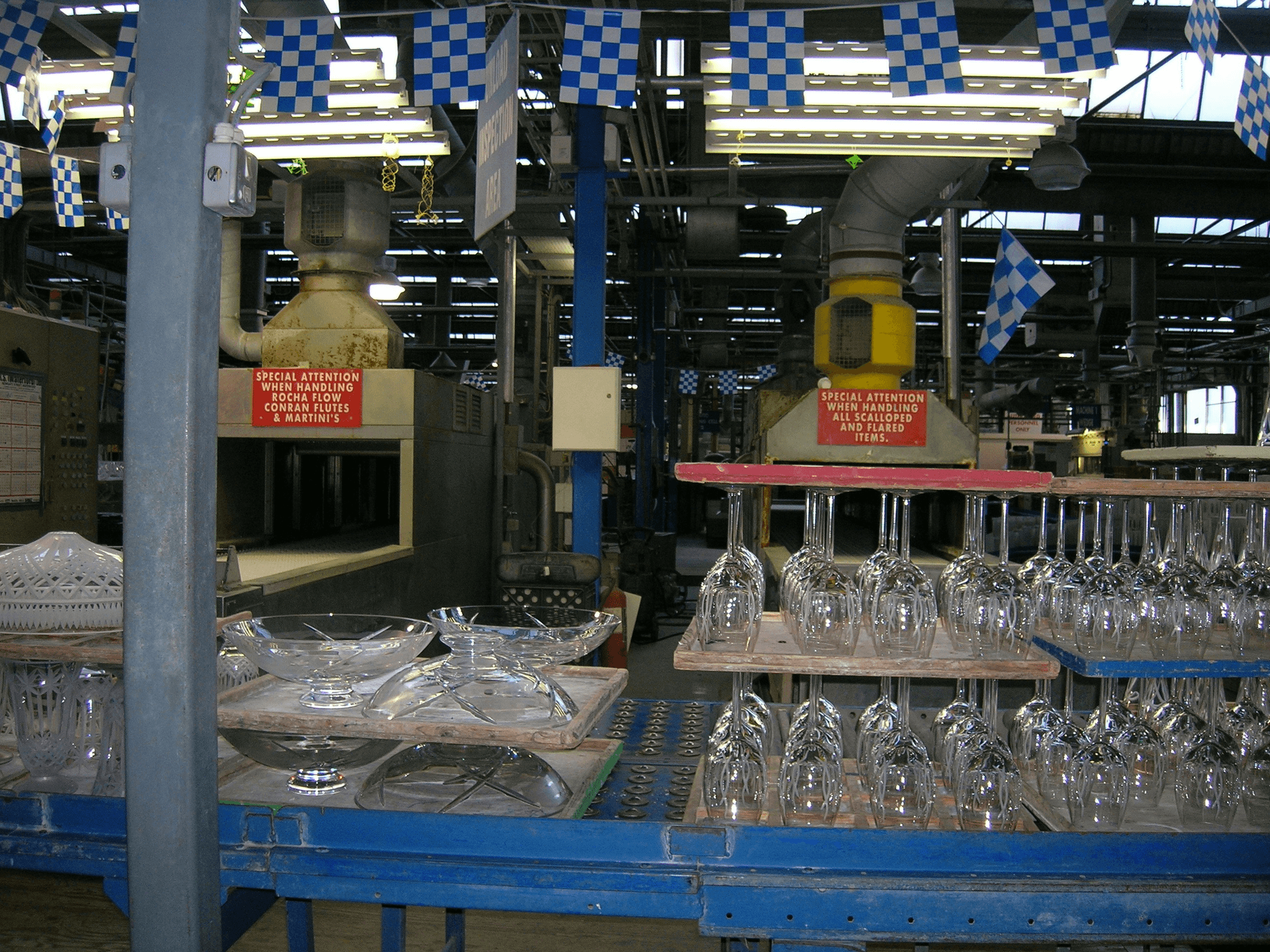
In the world of ceramics, ensuring the quality of ceramic products is paramount to maintaining customer satisfaction and brand reputation. One of the key players in this arena is China Inspection Pro, a leading authority in quality assurance for ceramic goods. Their comprehensive approach to inspection not only identifies defects but also helps manufacturers adhere to standards that define the quality of ceramics: grade A, B, and C.
Role of China Inspection Pro in Quality Assurance
China Inspection Pro plays a crucial role in upholding the quality of ceramic products by conducting thorough inspections throughout the manufacturing process. They assess everything from raw materials to finished goods, ensuring that each product meets stringent quality standards. By focusing on both visual and functional aspects, they help identify potential defects that could compromise product integrity.
Their expertise extends beyond just identifying flaws; they also provide valuable feedback to manufacturers on how to improve their processes. This collaboration fosters an environment where quality is prioritized at every stage, ultimately enhancing the overall value of ceramic products in the market. With such rigorous oversight, customers can trust that they are receiving high-quality ceramics that meet their expectations.
Importance of Rigorous Testing and Inspections
Rigorous testing and inspections are essential for maintaining high-quality standards in ceramic production. These processes help detect common defects associated with ceramic manufacturing, such as cracks or inconsistencies in glaze application, which can significantly affect consumer perception. The defects of reference for ceramic products serve as benchmarks for manufacturers to avoid pitfalls and ensure their offerings remain competitive.
Moreover, systematic testing allows manufacturers to verify that their products align with defined grades—A being superior and C being more basic—ensuring clarity for consumers when making choices. By adhering to these rigorous protocols, companies can build a reputation for reliability while minimizing returns due to defects or dissatisfaction with quality.
Ensuring Consistency Across Grades
Ensuring consistency across grades is vital for establishing trust among consumers regarding the quality of ceramic products they purchase. Manufacturers must implement standardized procedures throughout production lines so that whether a product falls into grade A or grade C category, it meets specific expectations regarding performance and aesthetics. This consistency not only enhances customer loyalty but also strengthens brand identity within a crowded market.
Quality control measures should include regular audits and assessments against established criteria based on material types used in ceramics as well as design specifications. By doing so, businesses can effectively manage potential variations between different grades while still delivering exceptional value across their entire range of offerings.
In summary, robust quality control processes led by entities like China Inspection Pro are indispensable for guaranteeing high standards within the ceramics industry while addressing common issues related to material quality and grading systems.
Conclusion
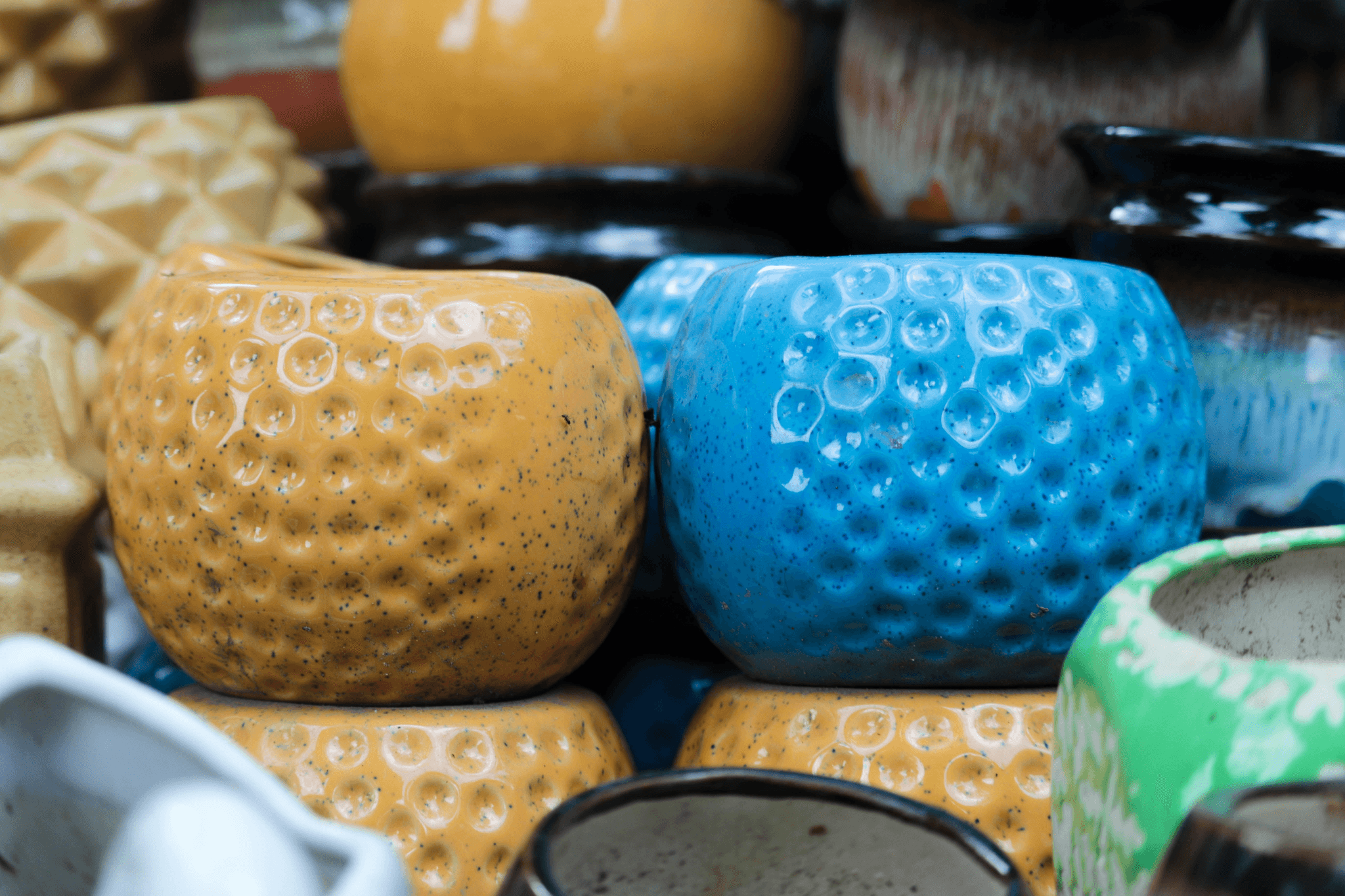
In the world of ceramics, understanding the quality of ceramic products is paramount for both consumers and manufacturers alike.By recognizing the differences in these grades, one can appreciate how they influence everything from aesthetic appeal to functional durability.
Key Takeaways on Ceramic Product Quality
The quality of ceramic products is determined by various factors including material composition, manufacturing processes, and inspection protocols. Grade A ceramics stand out for their flawless finish and superior performance in applications ranging from fine dining ware to high-end tiles. Conversely, while Grade B ceramics may exhibit some imperfections or variations in quality, they still serve a vital role in more budget-conscious markets without sacrificing too much on functionality.
Understanding the Importance of Grades
Understanding the importance of grades in ceramics allows consumers to make informed decisions based on their specific needs and preferences. Grade A products are ideal for those seeking top-notch aesthetics and performance, while Grade B options provide a balance between cost-effectiveness and acceptable quality. Meanwhile, being aware of potential defects—often referred to as the defects of reference for ceramic products—can further guide choices by highlighting what issues might arise with lower-grade items.
Making Informed Choices in Ceramics
Making informed choices in ceramics involves not only recognizing different grades but also understanding the impact that ceramic products material has on overall quality. Consumers should consider sourcing practices that prioritize high-quality materials as this directly influences durability and appearance across all grades. Ultimately, whether opting for Grade A or settling for Grade B or C products, knowledge about these elements empowers buyers to select items that best suit their lifestyle while ensuring satisfaction.