
Introduction
In today's global marketplace, the choice of a trading company can significantly impact business success. With the complexities of international sourcing, companies often find themselves navigating a labyrinth of suppliers, regulations, and quality control measures. By leveraging the expertise of a trading company, businesses can streamline their processes while ensuring favorable pricing and better communication.
Why Choose a Trading Company?
Choosing a trading company is like opting for a seasoned guide in an unfamiliar territory. These companies specialize in connecting buyers with trustworthy suppliers, making them invaluable partners in international trade. With their extensive networks and industry knowledge, trading companies simplify the sourcing process and enhance overall efficiency.
Understanding Supplier Verification and QC
Supplier verification and quality control (QC) are critical components that ensure businesses receive products that meet their standards. Trading companies employ rigorous verification processes to assess supplier reliability, which helps mitigate risks associated with international procurement. This proactive approach not only enhances trust but also safeguards against potential quality issues down the line.
The Benefits of Favorable Pricing
Favorable pricing is one of the most compelling reasons to work with a trading company. By leveraging bulk purchasing power and established supplier relationships, these companies can negotiate better prices than individual buyers might achieve on their own. This cost-effectiveness translates into significant savings for businesses while maintaining high-quality standards through effective supplier verification and QC practices.
The Role of Supplier Verification

In the world of international trade, supplier verification is not just a checkbox on a form; it's the bedrock of successful transactions. When working with a trading company, trustworthiness becomes paramount, as it directly impacts product quality and pricing. A reliable trading company ensures that your suppliers meet stringent standards, allowing you to focus on growing your business rather than worrying about potential pitfalls.
Importance of Trustworthiness
Trustworthiness is the cornerstone of any successful business relationship, especially in global sourcing where nuances can be lost in translation. A trustworthy supplier can mitigate risks associated with poor-quality products and delayed shipments, which can be costly for any trading company involved. When clients know that their trading company has verified suppliers thoroughly, they can confidently invest in favorable pricing without fear of hidden costs or quality issues.
How Trading Companies Verify Suppliers
Trading companies employ various methods to verify suppliers and ensure they meet industry standards for quality control (QC). This often includes on-site inspections, reviewing certifications, and conducting background checks to assess the supplier's reliability and capabilities. By utilizing these comprehensive verification processes, trading companies not only safeguard their clients' investments but also foster better communication between all parties involved.
Case Study: China Inspection Pro’s Success
China Inspection Pro stands out as an exemplary case study in the realm of supplier verification within a trading company framework. They have successfully implemented rigorous QC measures that have increased trust among their clients while significantly reducing product defects by over 30%. This success story illustrates how thorough supplier verification leads to favorable pricing strategies and enhanced communication between businesses and suppliers—an essential trifecta for any thriving trading company.
Quality Control and Product Assurance

In the world of trading companies, quality control (QC) is not just a checkbox on a to-do list; it's the backbone of successful sourcing. With the increasing complexity of global supply chains, ensuring compliance with standards has never been more vital. A trading company that prioritizes supplier verification and QC can help businesses avoid costly mistakes and ensure that products meet both regulatory requirements and customer expectations.
Ensuring Compliance with Standards
Compliance with industry standards is crucial for any business looking to thrive in today’s competitive market. Trading companies often have established relationships with suppliers who understand these standards intimately, making them invaluable partners in the verification process. By leveraging these connections, businesses can rest assured that their products will not only meet local regulations but also international quality benchmarks.
Moreover, a focus on compliance helps mitigate risks associated with non-compliance, such as fines or product recalls. When a trading company conducts thorough supplier verification and QC checks, they provide an additional layer of safety for businesses venturing into new markets. This proactive approach to quality assurance ultimately leads to better communication between all parties involved—suppliers, manufacturers, and end-users alike.
The QC Process in Trading Companies
The QC process within trading companies is a well-oiled machine designed to catch issues before they reach consumers. Typically involving multiple stages—from initial inspections at the supplier's facility to final checks before shipment—this comprehensive approach ensures that every product meets specified criteria for quality and safety. This rigorous process not only protects the brand reputation but also fosters trust between businesses and their clients.
Trading companies utilize various testing methods during this process: visual inspections, functional testing, and even laboratory analysis when necessary. By employing such diverse techniques, they can accurately assess product quality while ensuring favorable pricing remains intact—a win-win situation for all stakeholders involved! Ultimately, effective communication throughout this process allows for quick adjustments if any discrepancies arise.
Real-World Impact of Quality Inspections
The real-world impact of diligent quality inspections cannot be overstated; it directly correlates with customer satisfaction and brand loyalty. For instance, consider how a well-known electronics brand avoided potential disaster by relying on its trading company's robust QC measures—saving them from what could have been a public relations nightmare due to faulty products hitting shelves! Such scenarios highlight the significance of investing in thorough supplier verification processes.
Furthermore, when customers receive high-quality products consistently due to effective QC practices from their trading partners, it enhances their overall experience—leading to repeat business and positive word-of-mouth referrals. In an age where consumer expectations are higher than ever before, having reliable quality assurance mechanisms through your trading company is essential for sustainable growth in any industry.
Navigating Favorable Pricing Strategies

In the world of international trade, favorable pricing can be the golden ticket to a successful business model. Trading companies play a pivotal role in negotiating prices that can significantly impact your bottom line. By leveraging their industry connections and knowledge of market dynamics, these companies ensure that you get the best possible deals without compromising on quality.
How Trading Companies Negotiate Prices
Negotiation is an art form, and trading companies are seasoned artists in this arena. They often have established relationships with suppliers, allowing them to negotiate terms that individual businesses might struggle to achieve on their own. Through effective supplier verification and QC processes, trading companies build trust and credibility with suppliers, which can lead to more favorable pricing agreements for their clients.
Moreover, trading companies use market intelligence to understand pricing trends and fluctuations, enabling them to secure better deals for bulk orders or long-term contracts. This strategic approach not only saves money but also fosters strong partnerships between buyers and suppliers. As a result, businesses can benefit from lower costs while ensuring compliance with quality standards.
The Value of Bulk Purchasing
Trading companies excel in facilitating these large orders by leveraging economies of scale—essentially getting more bang for your buck! By coordinating bulk purchases through verified suppliers who adhere to stringent QC measures, trading companies ensure that you receive high-quality products at lower prices.
Additionally, bulk purchasing allows for better inventory management and reduced shipping costs per unit. This means businesses can enjoy not just favorable pricing but also enhanced cash flow management as they minimize expenses associated with frequent smaller orders. In turn, this strategy creates room for reinvestment into other areas of the business.
Case Study: Businesses Saving Through Trading
Consider a mid-sized electronics company looking to expand its product range while keeping costs down—enter the trading company! By partnering with a reputable trading company known for its supplier verification and QC processes, this business was able to negotiate significant discounts on components needed for assembly due to bulk purchasing agreements secured by the trading company.
The results were impressive: not only did they save 20% on procurement costs compared to previous years, but they also improved product quality through rigorous inspections facilitated by their trading partner's QC protocols. This case highlights how effective communication between all parties involved led to a win-win situation—a perfect example of how favorable pricing strategies employed by a competent trading company can transform a business's financial landscape.
Communication is Key

In the world of international trade, effective communication is not just a bonus—it's a necessity. Without clear dialogue, misunderstandings can snowball into costly errors, especially when dealing with suppliers from different cultural backgrounds. A reliable trading company acts as a bridge to ensure that both parties are on the same page, fostering better relationships and smoother transactions.
Bridging Language and Cultural Gaps
Language barriers can create significant challenges in supplier verification and quality control (QC) processes. Even small miscommunications can lead to disastrous outcomes, such as incorrect product specifications or unmet quality standards. Trading companies excel at bridging these gaps by employing multilingual staff who understand both the language and cultural nuances of their clients and suppliers.
By leveraging local knowledge, trading companies help clients navigate complex cultural landscapes that might otherwise hinder successful negotiations or sourcing efforts. This not only enhances trustworthiness but also ensures that the expectations set during discussions are met during production. In turn, this fosters an environment where favorable pricing can be negotiated without fear of misunderstandings.
How Trading Companies Enhance Communication
Trading companies utilize various tools and strategies to enhance communication between buyers and suppliers effectively. They often employ technology such as real-time messaging apps or project management software that keeps everyone in the loop about progress, changes, or issues that may arise during the sourcing process. This tech-savvy approach enables quick responses to inquiries and reduces delays caused by time zone differences.
Moreover, trading companies facilitate regular updates through video calls or in-person meetings when possible, ensuring that all stakeholders feel connected throughout the supplier verification process. By maintaining open lines of communication, they can address concerns promptly—whether related to QC issues or pricing negotiations—ultimately leading to more successful partnerships for everyone involved.
Benefits of Direct and Clear Dialogue
Direct communication is essential for achieving favorable pricing and ensuring product quality meets expectations. When trading companies foster an environment where clients feel comfortable voicing their needs and concerns, it leads to better collaboration with suppliers regarding QC standards and pricing strategies. The result? Clients enjoy greater transparency throughout the entire sourcing process.
Additionally, clear dialogue allows for proactive problem-solving; if issues arise during production or shipping, they can be tackled head-on rather than allowing them to escalate into larger problems later on. This level of engagement not only improves trust but also enhances overall satisfaction with the services provided by the trading company—ultimately benefiting everyone involved in the supply chain.
Simplifying the Supply Chain
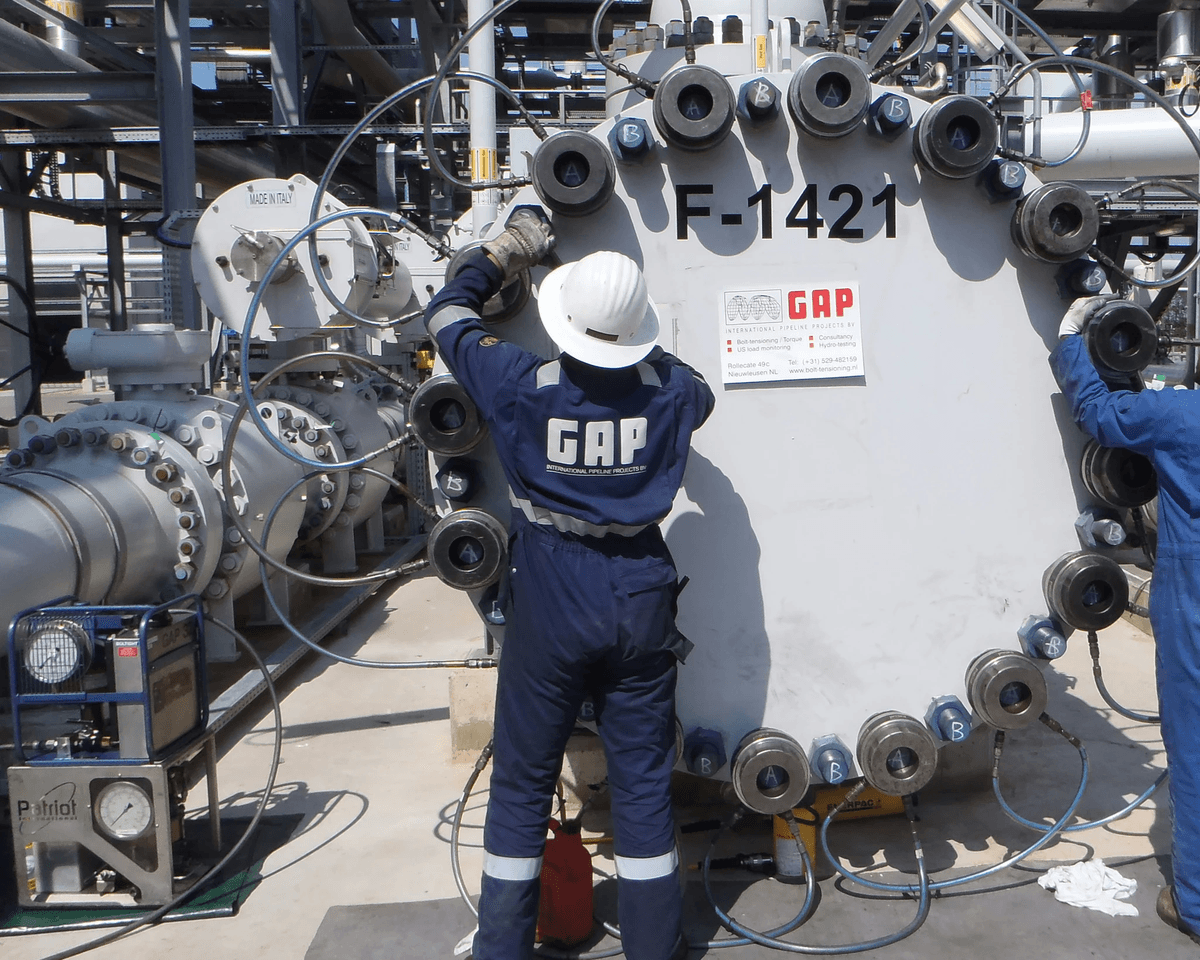
In today's fast-paced global market, simplifying the supply chain is essential for businesses aiming to stay competitive. A Trading Company plays a pivotal role in this process by streamlining operations and reducing the complexity associated with sourcing products from various suppliers. By leveraging their expertise in Supplier Verification and QC, these companies can ensure that businesses receive high-quality products without the usual headaches of managing multiple supplier relationships.
Reducing Complexity in Sourcing
Sourcing products from overseas can be a labyrinthine task filled with potential pitfalls, but a Trading Company can help cut through the clutter. They handle everything from finding reliable suppliers to negotiating terms, allowing businesses to focus on their core operations instead of getting bogged down in logistics. This reduction in complexity not only saves time but also minimizes risks associated with Supplier Verification and QC, ensuring that companies make informed decisions.
By consolidating sourcing efforts through a Trading Company, businesses can enjoy a streamlined experience that enhances efficiency and productivity. The favorable pricing structures often available through these companies further incentivize this approach, making it an attractive option for organizations looking to optimize their supply chains. In essence, working with a Trading Company transforms sourcing from a daunting challenge into a manageable process.
Streamlined Logistics through Trading Companies
Logistics can often feel like navigating a maze; however, Trading Companies are adept at simplifying this crucial aspect of supply chain management. They have established networks and partnerships that facilitate smoother transportation and delivery processes for imported goods. This expertise enables them to coordinate shipments efficiently while ensuring compliance with international regulations—all while maintaining rigorous standards of Supplier Verification and QC.
Moreover, by centralizing logistics under one roof, Trading Companies help clients avoid the chaos often associated with dealing directly with multiple suppliers. This streamlined approach results in better communication between all parties involved—suppliers, manufacturers, and end-users—leading to fewer misunderstandings and delays in product delivery. Ultimately, effective logistics management translates into cost savings for clients who benefit from reduced shipping errors and faster turnaround times.
Case Study: Efficiency Gains for Clients
To illustrate the tangible benefits of partnering with a Trading Company for supply chain simplification, consider the case of XYZ Electronics—a company struggling with sourcing components from various suppliers across Asia. Faced with inconsistent quality control issues and miscommunication regarding pricing terms, XYZ decided to engage a specialized Trading Company known for its robust Supplier Verification and QC practices.
Within just six months of collaboration, XYZ Electronics reported significant efficiency gains: lead times decreased by 30%, product quality improved markedly due to stringent inspections conducted by their trading partner's quality assurance team, and overall costs dropped thanks to favorable pricing negotiations facilitated by the company’s expertise. The enhanced communication provided by the Trading Company also helped bridge cultural gaps that had previously hindered business relationships—allowing XYZ Electronics to thrive in an increasingly competitive marketplace.
Conclusion

In the fast-paced world of global commerce, trading companies have emerged as invaluable partners for businesses looking to optimize their supply chains. By harnessing the power of supplier verification and QC, these companies ensure that quality is never compromised. With favorable pricing strategies and enhanced communication methods, trading companies streamline operations while maximizing value for their clients.
Maximizing Quality with Trading Companies
Quality assurance is at the heart of what a trading company offers, making supplier verification and QC crucial components of their service. These companies conduct rigorous checks to ensure products meet international standards, thus protecting businesses from potential pitfalls associated with subpar goods. By prioritizing quality through established processes, trading companies help clients maintain a strong reputation in their respective markets.
Cost-Effectiveness of Using a Trading Company
Their ability to leverage bulk purchasing not only reduces costs but also enhances product availability for clients seeking competitive edge in pricing strategies. Ultimately, this cost-effectiveness translates into significant savings that can be reinvested into other areas of the business.
Enhancing Global Communication in Sourcing
Effective communication is essential in today's interconnected world, where language and cultural barriers can hinder successful sourcing efforts. Trading companies excel at bridging these gaps by employing skilled professionals who facilitate clear dialogue between suppliers and buyers. This better communication fosters stronger relationships and ensures that expectations are aligned, paving the way for smoother transactions and long-term partnerships.