
Introduction
In the fast-paced world of sports equipment manufacturing, quality control is not just a buzzword; it's the backbone of success. The sporting goods industry demands precision and reliability, as athletes depend on their gear for performance and safety. Ensuring that every piece of athletic apparel, from sports jerseys to high-tech sports wear, meets stringent quality standards is crucial for manufacturers aiming to maintain their reputation and consumer trust.
The Importance of Quality Control
Quality control in sporting equipment is paramount because it directly impacts both performance and safety. Athletes rely on durable sports gear that can withstand rigorous use, making it essential for manufacturers to implement comprehensive quality assurance processes. When quality control measures are robust, they not only enhance product reliability but also foster customer loyalty in a competitive market.
Common Challenges in Manufacturing
Manufacturers in the sporting goods sector face several challenges that can jeopardize product quality. Variability in raw materials, production inconsistencies, and the pressure to innovate quickly can all lead to potential pitfalls in quality assurance. To navigate these challenges effectively, companies must adopt proactive strategies that prioritize meticulous testing and inspection throughout the manufacturing process.
Key Players in Sports Equipment Manufacturing
The landscape of sports equipment manufacturing is populated by industry giants like Nike, Adidas, and Under Armour, each bringing unique strengths to the table. These key players are not only leaders in athletic apparel but also set benchmarks for quality control practices within the industry. By examining their approaches to producing clothing athletic and sports gear, we can glean valuable insights into effective strategies for maintaining high-quality standards across all products.
Understanding Quality Control Standards
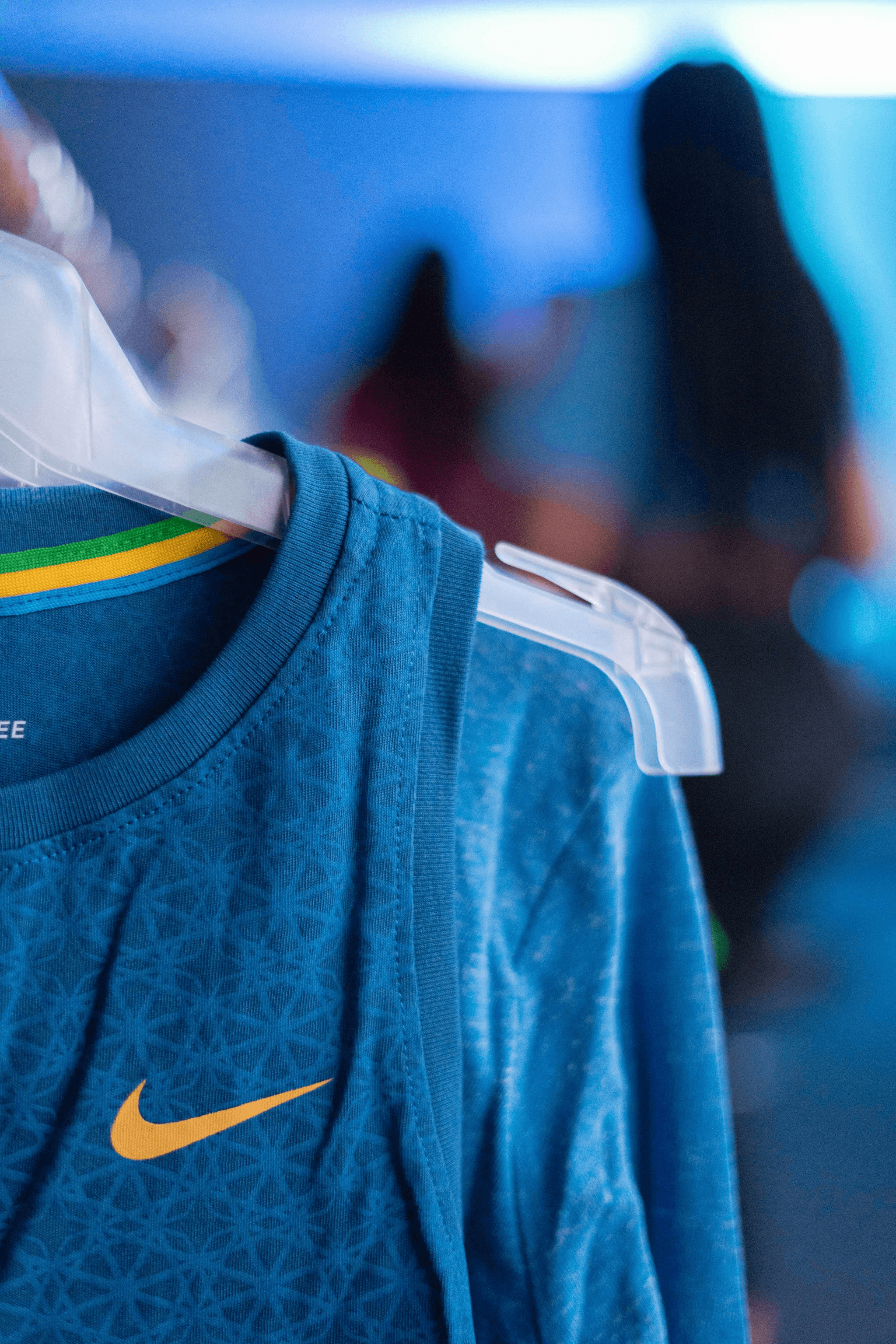
In the world of sports equipment manufacturing, quality control standards play a pivotal role in ensuring that products meet both safety and performance expectations. These standards are not just bureaucratic red tape; they are essential frameworks that guide manufacturers in producing reliable sporting goods. By adhering to these standards, companies can enhance their reputation and build consumer trust in their athletic apparel and sports gear.
ISO 9001 and Its Role in Manufacturing
ISO 9001 is a widely recognized standard that outlines the criteria for a quality management system (QMS). It helps organizations streamline processes, improve efficiency, and ensure consistent quality across all products, including sporting equipment like sports jerseys and clothing athletic. For manufacturers in the competitive realm of sports equipment manufacturing, achieving ISO 9001 certification signifies a commitment to high-quality production practices that resonate with consumers.
Moreover, ISO 9001 emphasizes customer satisfaction as a key performance indicator. This focus aligns perfectly with the demands of today’s consumers who expect durability and functionality from their sports wear. By implementing this standard, manufacturers can better understand customer needs while minimizing defects—essentially ensuring that every piece of athletic apparel meets rigorous quality benchmarks.
Industry-Specific Standards for Sporting Goods
While ISO 9001 provides a solid foundation for quality management, industry-specific standards further refine what is expected within the realm of sporting goods. Organizations such as ASTM International develop guidelines tailored specifically for various types of sporting equipment—be it protective gear or performance-enhancing apparel. These standards address unique aspects like material safety, durability testing, and environmental impact which are crucial for maintaining high-quality sports gear.
For instance, when it comes to athletic apparel made from advanced materials designed to wick away moisture or provide breathability, compliance with these specific standards ensures optimal performance during physical activities. Manufacturers must stay informed about evolving regulations to maintain compliance while also fostering innovation in their product lines—from cutting-edge fabrics used in clothing athletic to innovative designs in sports jerseys.
The Significance of Compliance
Compliance with established quality control standards is more than just a regulatory obligation; it's vital for maintaining brand integrity within the competitive landscape of sports equipment manufacturing. Non-compliance can lead to product recalls or legal issues that tarnish reputations built over decades. Therefore, investing time and resources into understanding these requirements translates into long-term benefits for companies producing sporting goods.
Furthermore, compliant practices not only protect consumers but also create actionable insights for continuous improvement within organizations. When companies embrace compliance as part of their culture—integrating it into every step from design through production—they foster an environment where excellence thrives across all levels of manufacturing processes related to athletic wear or other sports gear products.
The Quality Control Process in Manufacturing
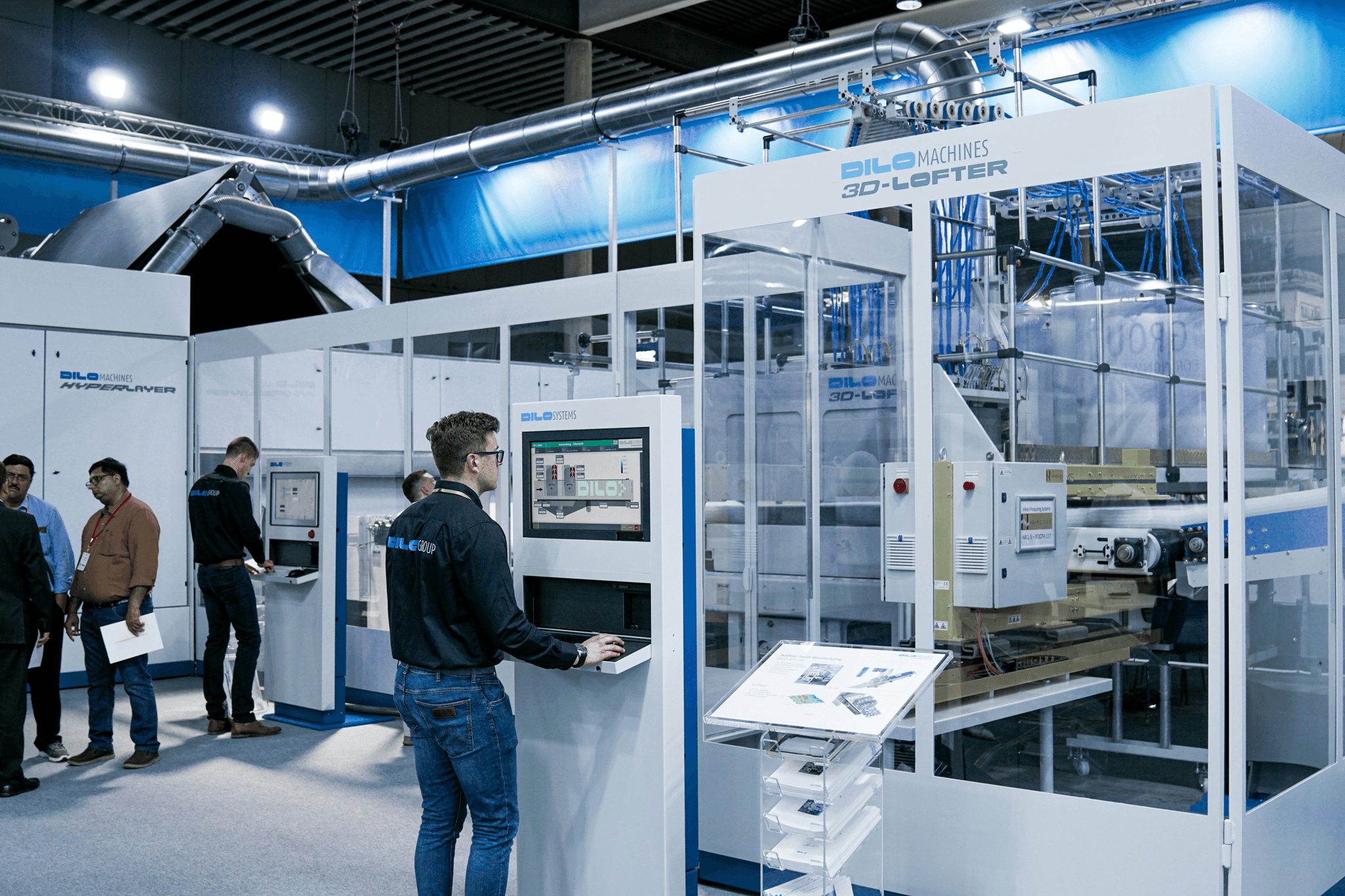
Quality control is the backbone of successful sports equipment manufacturing, ensuring that every piece of sporting goods meets the highest standards before reaching consumers. This process is not just a box to check; it’s a comprehensive system designed to enhance product reliability and performance. From initial design to final inspection, each phase plays a crucial role in delivering top-notch sports gear that athletes can trust.
Initial Design and Prototype Testing
The journey of quality control begins with initial design and prototype testing, where ideas transform into tangible products like athletic apparel or sports jerseys. During this phase, manufacturers create prototypes that undergo rigorous testing to evaluate their durability, functionality, and overall performance in real-world conditions. This step is vital for identifying potential flaws early on and making necessary adjustments before mass production starts.
Prototyping allows designers to experiment with various materials and designs for clothing athletic that can withstand the rigors of physical activity. By simulating different scenarios—like extreme weather or intense workouts—manufacturers can pinpoint weaknesses in their sporting equipment early on. Ultimately, this proactive approach helps ensure that only the best products make it to market.
In-Production Quality Assurance Techniques
Once production kicks off, maintaining high-quality standards becomes paramount through effective in-production quality assurance techniques. These methods include regular inspections at various stages of manufacturing, ensuring each batch of sports wear meets predetermined specifications before moving forward in the production line. Techniques like statistical process control (SPC) are often employed to monitor processes continuously and detect any deviations from quality norms.
Incorporating automated systems can also enhance quality assurance during production by allowing for real-time data collection and analysis on sporting goods being manufactured. This data-driven approach helps manufacturers adjust processes swiftly if issues arise, minimizing waste and ensuring consistency across all units produced—whether they’re sports jerseys or high-performance footwear. The result? A streamlined process that delivers reliable products athletes can depend on.
Final Inspection and Post-Production Evaluation
The final inspection is where all the pieces come together; it serves as a last line of defense against defects before products hit store shelves or online platforms. During this stage, each item—from sports gear to clothing athletic—is meticulously checked for any imperfections or inconsistencies that could impact performance or safety. This thorough evaluation ensures compliance with established quality standards while also enhancing consumer confidence in the brand's commitment to excellence.
Post-production evaluation doesn't stop at just checking for defects; it often involves gathering feedback from testers who use the sporting equipment under realistic conditions post-manufacturing as well. Analyzing this feedback allows brands to refine future designs based on real-world experiences while maintaining high-quality benchmarks across all products offered—including those trendy sports jerseys everyone loves!
Ultimately, a robust final inspection process not only protects consumers but also bolsters brand reputation by showcasing dedication to quality—a key differentiator within competitive markets like athletic apparel.
Advanced Techniques in Quality Control

In the fast-paced world of Sports Equipment Manufacturing, advanced techniques in quality control are becoming essential for maintaining high standards and meeting consumer expectations. As the demand for sporting goods continues to rise, manufacturers must leverage innovative approaches to ensure their products remain competitive. This section explores how technology, data analytics, and innovations are reshaping quality assurance in this vibrant industry.
Utilizing Technology in Sports Equipment Manufacturing
Technology plays a pivotal role in enhancing the quality of sporting equipment through automation and precision. Advanced machinery and robotics streamline production processes, reducing human error while increasing efficiency. Moreover, technologies like 3D printing allow for rapid prototyping of sports gear, enabling manufacturers to test designs quickly before mass production.
Additionally, smart sensors integrated into manufacturing lines can monitor equipment performance in real-time, alerting operators to any deviations from quality standards immediately. This proactive approach minimizes waste and ensures that only top-notch sporting goods reach the market. Ultimately, embracing technology not only improves product quality but also accelerates time-to-market for new athletic apparel and sports wear.
Role of Data Analytics in Quality Assurance
Data analytics is transforming how companies approach quality assurance within Sports Equipment Manufacturing by providing actionable insights into production processes. By collecting data at various stages—from design to final inspection—manufacturers can identify trends and pinpoint areas needing improvement quickly. This analytical approach helps ensure that each piece of clothing athletic or sports jersey meets rigorous quality standards before it reaches consumers.
Furthermore, predictive analytics can forecast potential defects or failures based on historical data patterns, allowing manufacturers to address issues proactively rather than reactively. As a result, companies can enhance their reputation for reliability while also reducing costs associated with returns or recalls due to faulty products. In an industry where consumer trust is paramount, leveraging data analytics is a game-changer for ensuring top-tier sporting goods.
Innovations in Quality Control for Athletic Apparel
The realm of athletic apparel is witnessing exciting innovations that elevate quality control measures beyond traditional methods. For instance, some manufacturers are now employing artificial intelligence (AI) systems that analyze fabric performance under various conditions—like moisture-wicking capabilities or durability during intense workouts—to ensure they meet specific criteria before going into production.
Moreover, sustainability has become a focal point; many brands are incorporating eco-friendly materials without compromising on quality standards for their sports wear and athletic apparel lines. These innovations not only cater to the growing demand for responsible manufacturing practices but also enhance product longevity—a win-win scenario! By staying ahead of trends and incorporating cutting-edge techniques into their processes, companies ensure they deliver superior sporting equipment that resonates with today's environmentally-conscious consumers.
Case Studies of Quality Control Success
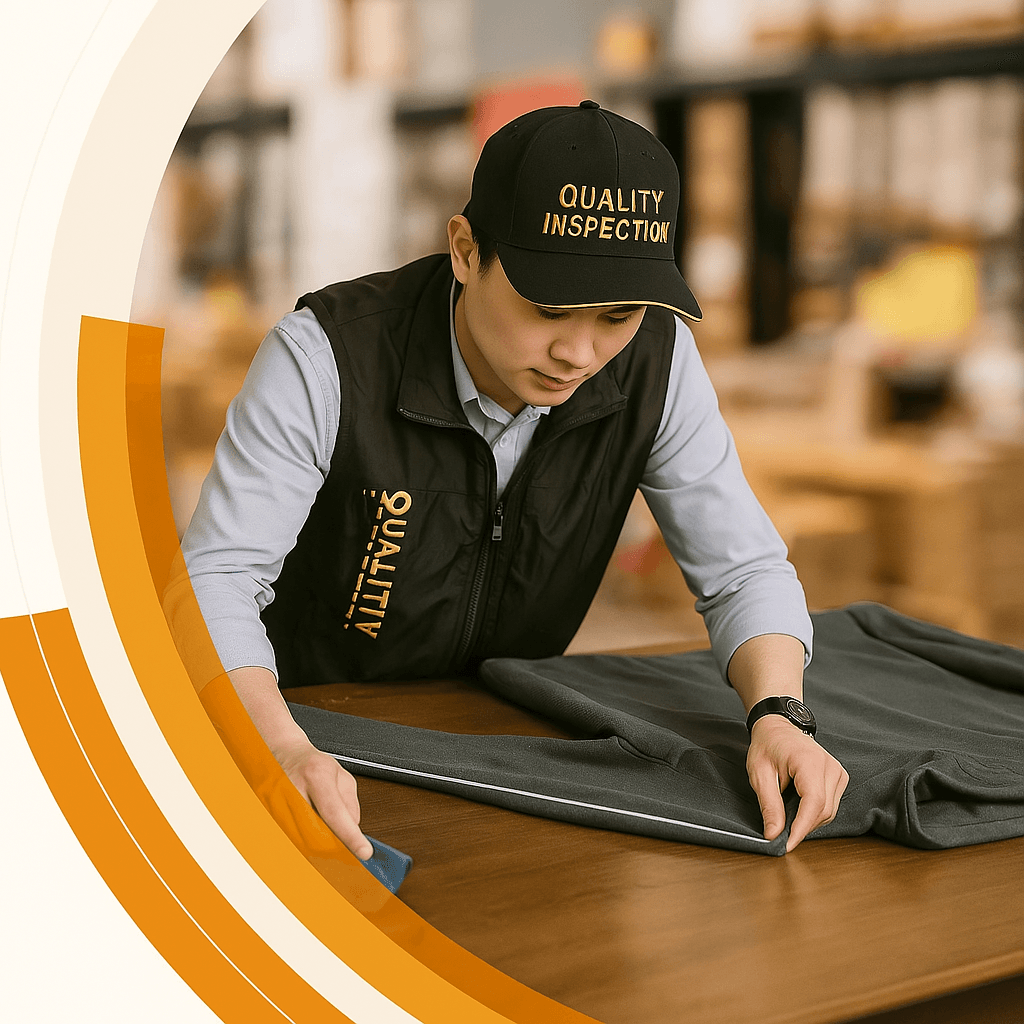
In the competitive world of sports equipment manufacturing, several leading brands have carved out their niches through exemplary quality control practices. By examining the approaches taken by Nike, Adidas, and Under Armour, we can glean valuable insights into how quality assurance plays a pivotal role in delivering top-notch sporting goods. Each brand has developed unique strategies that not only enhance product quality but also resonate with consumer expectations for durability and performance.
Nike and Their Quality Assurance Practices
Nike stands as a titan in the sports equipment manufacturing industry, largely due to its rigorous quality assurance practices. The company employs a multi-tiered approach to ensure that every piece of athletic apparel meets stringent standards before it hits the shelves. From initial design concepts to prototype testing and final inspections, Nike integrates feedback loops that allow for continuous improvement in their sports gear.
One standout aspect of Nike's quality control is its use of advanced technology, such as automated inspection systems and real-time data analytics. These innovations help identify defects early in the production process, ensuring that only the best sporting equipment makes it to consumers. By fostering a culture of excellence and accountability within their teams, Nike has managed to build an unshakeable reputation for high-quality sports wear.
Adidas and Sustainability in Manufacturing
Adidas is not only recognized for its high-quality sporting goods but also for its commitment to sustainable practices within sports equipment manufacturing. The brand has implemented eco-friendly materials and processes throughout its supply chain while maintaining rigorous quality control standards. This dual focus on sustainability and quality allows Adidas to produce athletic apparel that meets both performance expectations and environmental responsibilities.
The company's innovative approach includes using recycled materials in their clothing athletic lines without compromising on durability or style. By adhering to industry-specific standards while embracing sustainability initiatives, Adidas ensures that every piece of sports gear they produce aligns with consumer values today—making them a leader in responsible manufacturing practices. Their success showcases how integrating sustainability into quality control can enhance brand loyalty among environmentally conscious consumers.
Under Armour's Approach to Athletic Wear Quality
Under Armour has built its reputation on providing high-performance athletic apparel designed specifically for athletes' needs; however, this success hinges significantly on robust quality control measures. The company employs comprehensive testing protocols across all stages of production to ensure that each item meets exceptional standards for functionality and comfort—critical factors when it comes to sporting jerseys or other performance-focused gear.
By leveraging customer feedback alongside internal assessments during product development cycles, Under Armour continually refines its offerings based on real-world performance data. This commitment not only enhances product reliability but also fosters consumer trust—a vital component in an industry where athletes depend on their gear under pressure. Through strategic focus on both innovation and stringent quality assurance processes, Under Armour exemplifies how attention to detail can elevate a brand's standing within the competitive landscape of sports equipment manufacturing.
The Role of Inspection Services

In the dynamic world of sports equipment manufacturing, inspection services play a pivotal role in ensuring quality and compliance. These services provide manufacturers with the necessary checks and balances to meet industry standards while enhancing product reliability. As consumers increasingly demand high-quality sporting goods, the importance of thorough inspections cannot be overstated.
How China Inspection Pro Enhances Product Quality
China Inspection Pro is a leading player in the realm of quality assurance for sporting equipment, offering specialized services tailored to the unique needs of athletic apparel and sports gear manufacturers. By conducting rigorous quality checks at various stages of production, they help identify potential defects before products reach consumers. This proactive approach not only minimizes returns but also boosts confidence in brands that rely on their expertise for delivering high-quality sports wear.
Benefits of Professional Quality Inspection
Professional quality inspection services provide an array of benefits that extend beyond mere compliance with regulations for sporting goods. First and foremost, these inspections help ensure that athletic apparel meets both safety standards and performance expectations, which is crucial for athletes relying on their gear during competition. Additionally, by partnering with experts in inspection services, brands can streamline their manufacturing processes, reduce waste, and ultimately enhance customer satisfaction through reliable sports jerseys and clothing athletic.
Creating Actionable Insights for Improvement
One of the most significant advantages offered by inspection services is the generation of actionable insights that can drive continuous improvement in sports equipment manufacturing processes. By analyzing data collected during inspections, manufacturers are equipped to identify trends related to defects or inefficiencies in production lines producing sports gear or athletic apparel. This feedback loop fosters an environment where innovation thrives—leading to higher quality products that resonate with consumers seeking top-notch sporting goods.
Conclusion

In the fast-paced world of sports equipment manufacturing, quality control remains an essential pillar for success. As trends evolve and consumer expectations rise, manufacturers must adapt their strategies to ensure that every piece of sporting goods meets rigorous standards. The future promises exciting advancements that will further elevate the quality of athletic apparel and sports gear.
Future Trends in Quality Control
The future of quality control in sports equipment manufacturing is set to be shaped by cutting-edge technologies like artificial intelligence and machine learning. These innovations will enable manufacturers to analyze data in real-time, identifying defects before they become a larger issue. Additionally, sustainability will play a crucial role; as consumers demand eco-friendly sporting equipment, manufacturers will need to ensure that their quality control processes align with environmentally responsible practices.
Building Consumer Trust Through Quality
In today's competitive market, building consumer trust hinges on the consistent delivery of high-quality products like clothing athletic and sports wear. When customers know they can rely on the durability and performance of their sporting goods, they are more likely to develop brand loyalty. By prioritizing rigorous quality control measures, companies can create a positive reputation that resonates with consumers seeking reliable sports jerseys and gear.
The Impact of Quality on Brand Reputation
Quality directly influences brand reputation in the realm of sporting equipment manufacturing; a single defect can tarnish years of hard-earned credibility. Companies such as Nike and Adidas have demonstrated how maintaining high standards not only elevates their products but also enhances overall consumer perception. In contrast, neglecting quality can lead to negative reviews and diminished market share—an outcome no manufacturer wants to face.