
Introduction
Quality inspection is the backbone of any successful manufacturing or production process, ensuring that products meet established standards and specifications before they reach consumers. This critical step not only safeguards businesses from potential defects but also enhances customer trust and satisfaction. By implementing a robust quality inspection process, companies can maintain consistency in their offerings, ultimately leading to a stronger market presence.
What is Quality Inspection
At its core, quality inspection involves evaluating products to ensure they adhere to predetermined criteria and specifications. This systematic examination can take various forms, including visual checks, measurements, and functional tests. Whether it’s a single item or an entire batch, quality inspection plays a pivotal role in identifying issues before they escalate into larger problems.
Importance of Quality Inspection
The importance of quality inspection cannot be overstated; it serves as a safeguard for both brand reputation and consumer safety. By catching defects early in the production cycle, businesses can avoid costly recalls and damage to their image. Furthermore, effective quality inspections lead to higher customer satisfaction rates as consumers receive reliable products that meet their expectations.
The Process of Quality Inspection
The process of quality inspection typically unfolds in several key stages: preparation, execution, and analysis. Initially, teams prepare by defining standards and gathering necessary tools for assessment. During the actual inspection phase, products are meticulously examined against these benchmarks before concluding with an analysis that informs future production strategies—ensuring continuous improvement in quality control efforts.
Understanding Quality Inspection
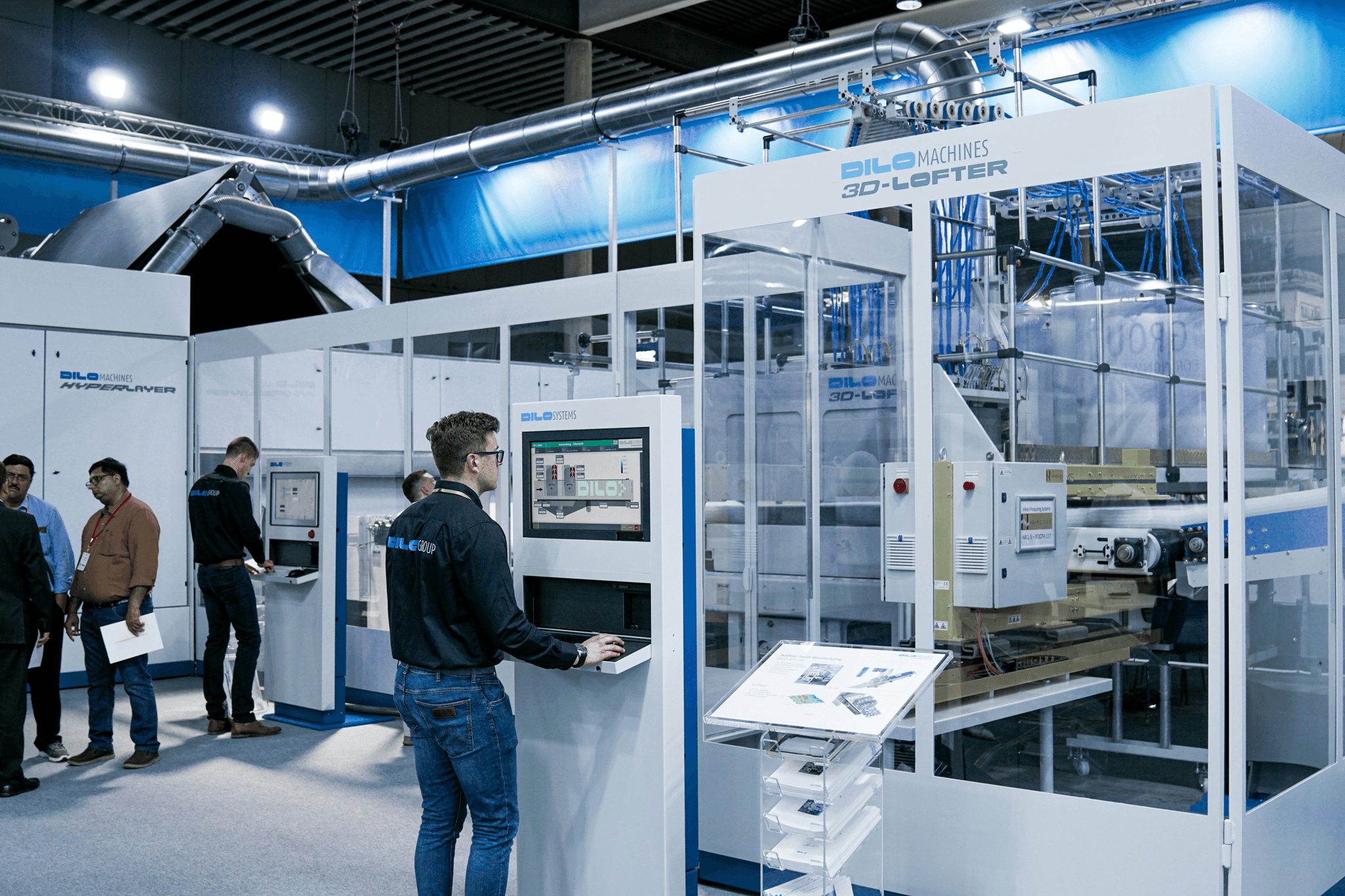
Quality inspection is a critical component of any manufacturing or service-oriented business, ensuring that products meet specified standards before they reach the consumer. This process involves assessing various attributes such as functionality, durability, and appearance to confirm that they align with both regulatory guidelines and customer expectations. By thoroughly understanding quality inspection, businesses can better implement effective strategies to enhance their operations.
Defining Quality Inspection
At its core, quality inspection refers to the systematic examination of products or services to ensure they comply with predetermined criteria. This process not only identifies defects but also helps in maintaining consistency across production lines. Essentially, quality inspection serves as a safeguard against subpar offerings that could tarnish a brand’s reputation.
Types of Quality Inspections
Quality inspections come in various forms, each tailored to specific needs and circumstances within an organization. Common types include incoming inspections (checking raw materials), in-process inspections (monitoring production stages), and final inspections (evaluating finished goods). Understanding these types allows businesses to strategically deploy quality inspection efforts at critical points in their supply chain.
Key Players in Quality Inspection
The landscape of quality inspection involves several key players who each play vital roles in ensuring product excellence. These include quality control inspectors who perform hands-on assessments, managers who oversee the entire process, and external agencies that provide third-party validation services. Collaboration among these stakeholders is essential for fostering a culture of continuous improvement through effective quality inspection practices.
Why Quality Inspection Matters
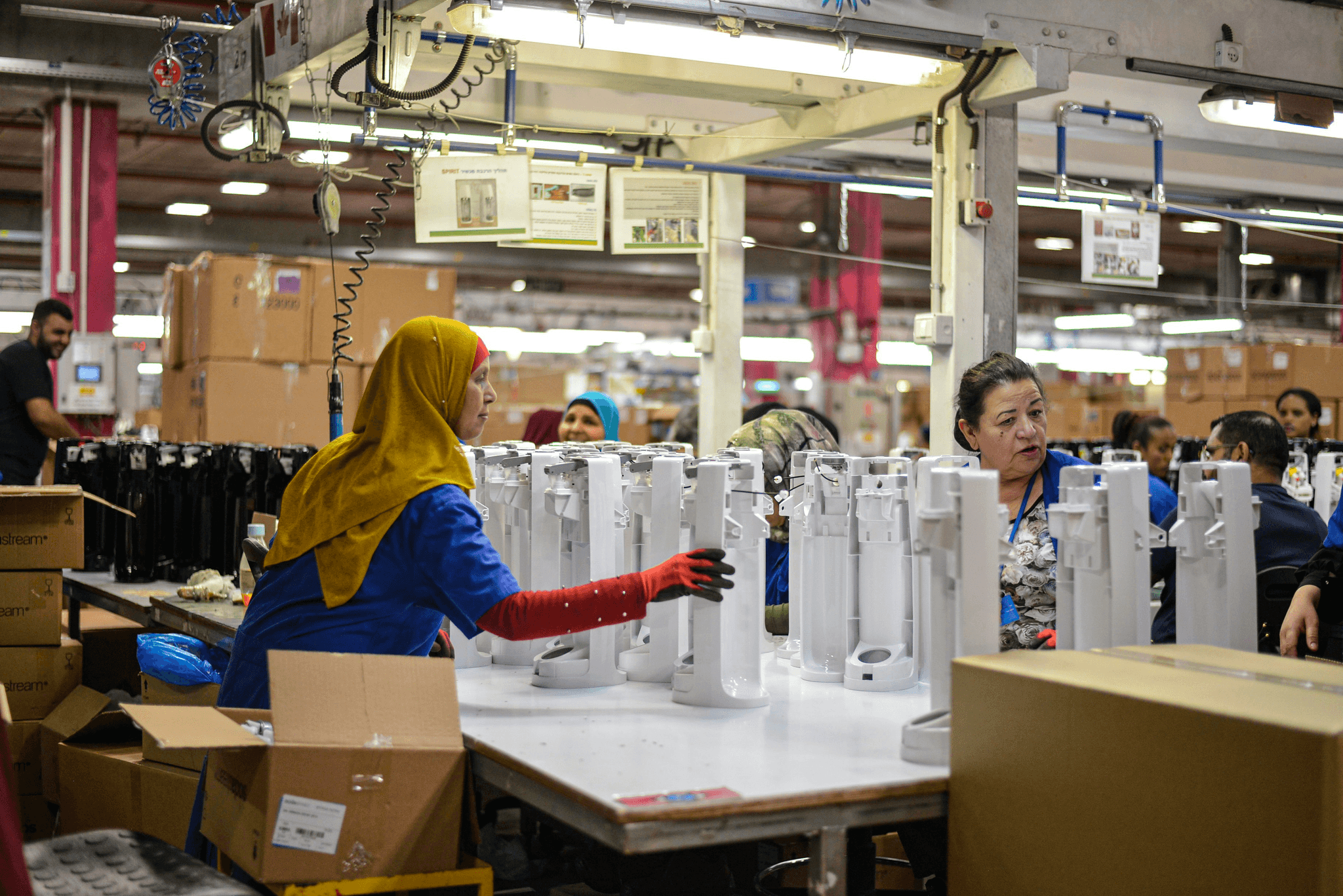
Quality inspection is not just a box to tick; it’s a cornerstone of successful business operations. By implementing robust quality inspection processes, companies can safeguard their reputation and ensure that every product meets the standards expected by customers. In a world where consumer choices are abundant, neglecting quality inspection can lead to devastating consequences.
Protecting Your Brand Reputation
In today’s competitive market, your brand reputation is everything. Quality inspection plays a pivotal role in maintaining that reputation by ensuring that products meet high standards before they reach customers. A single defect can tarnish years of hard work, leading to negative reviews and diminished trust—both of which are detrimental to any business.
Moreover, consistent quality inspections help build customer loyalty. When consumers know they can rely on your products, they’re more likely to return for repeat purchases and refer others. Thus, investing in quality inspection is not merely an operational necessity; it’s a strategic move for brand longevity.
Saving Costs in the Long Run
While some may view quality inspection as an added expense, it actually serves as a cost-saving measure over time. By identifying defects early in the production process through rigorous quality inspections, businesses can avoid costly recalls and repairs later on. The financial implications of poor-quality products often far exceed the investment made in effective quality control measures.
Additionally, reducing waste through effective inspections means that resources are used more efficiently—saving money and time alike. Companies that prioritize quality inspection often find themselves with lower operational costs due to fewer returns and complaints from customers. In essence, investing in quality inspections pays dividends down the road.
Enhancing Customer Satisfaction
At the heart of any successful business lies customer satisfaction—a direct outcome of effective quality inspection practices. When products consistently meet or exceed expectations due to thorough inspections, customers feel valued and understood. This positive experience fosters brand loyalty and encourages word-of-mouth marketing.
Furthermore, happy customers lead to repeat business and increased sales; satisfied clients are less likely to explore competitors’ offerings when they’re pleased with what you provide them through rigorous quality inspections. Ultimately, enhancing customer satisfaction isn’t just about delivering good products; it’s about creating an overall positive experience rooted in reliability and trustworthiness.
Steps in the Quality Inspection Process
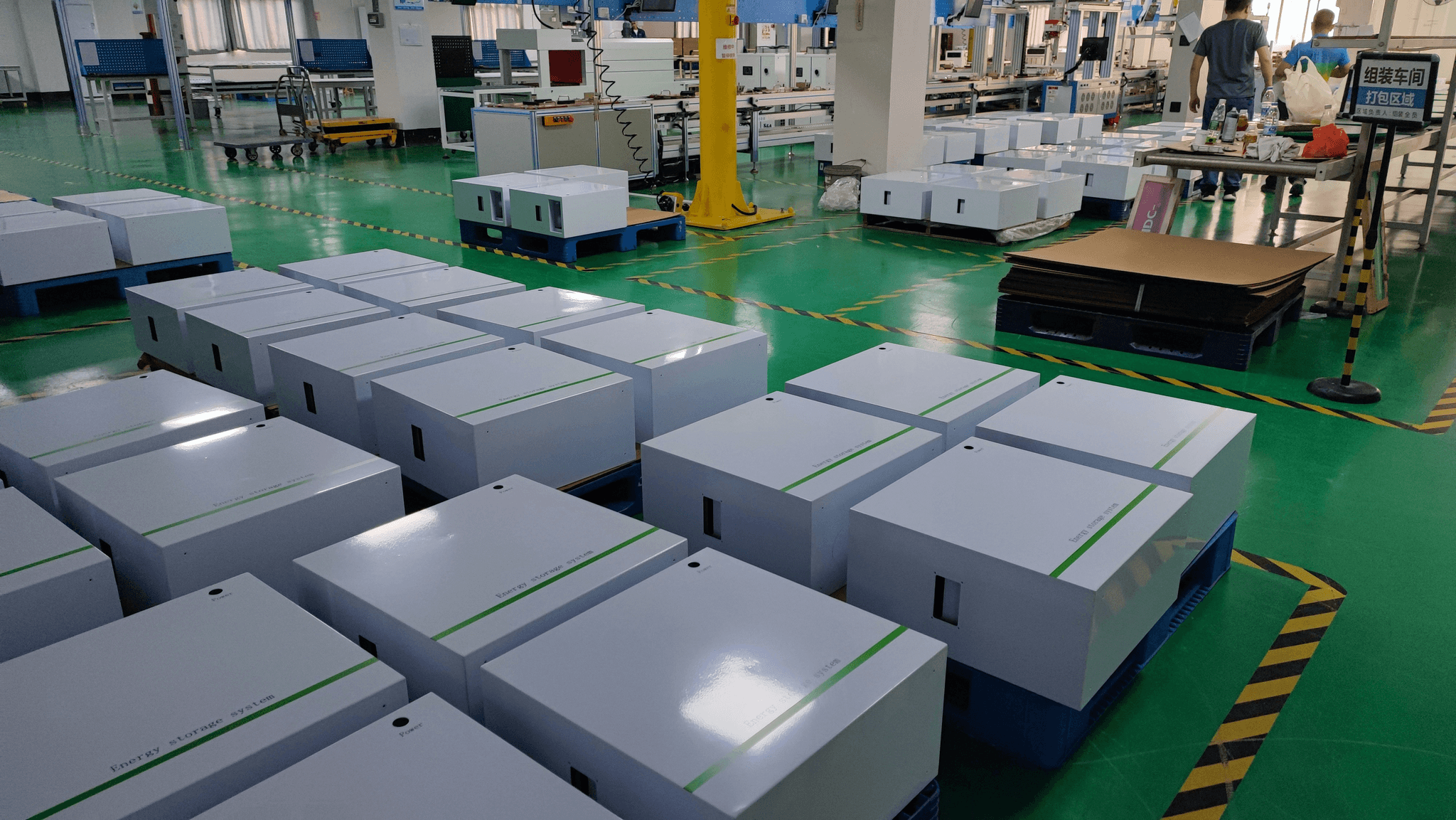
Quality inspection is not just a box to check; it’s a meticulous process that ensures products meet defined standards before reaching consumers. To guarantee that quality inspection is effective, it’s essential to follow a structured approach. This section will guide you through the critical steps of pre-inspection preparation, conducting the inspection itself, and post-inspection analysis.
Pre-Inspection Preparation
Before diving into quality inspection, proper preparation sets the stage for success. This involves gathering all necessary documentation, including specifications and previous inspection reports, to fully understand what standards need to be met. Additionally, assembling a skilled team familiar with the product and its requirements can make all the difference in executing an effective quality inspection.
Another vital aspect of pre-inspection preparation is establishing clear criteria for what constitutes acceptable quality levels. This includes defining tolerances and parameters for measurement so that everyone involved knows exactly what to look for during the actual inspection process. Finally, ensuring that all tools and equipment are calibrated and ready will help avoid hiccups when it’s time to conduct the quality inspection.
Conducting the Inspection
Once everything is prepped and primed, it's time to roll up your sleeves and conduct the quality inspection itself! During this phase, inspectors should follow established protocols closely while being vigilant about spotting any deviations from set standards. Whether it's checking dimensions or assessing functionality, attention to detail is paramount in ensuring that products meet their intended purpose.
Using a combination of visual checks and advanced technology can significantly enhance accuracy during inspections. For instance, employing digital measuring tools alongside traditional methods allows inspectors to gather comprehensive data on product quality swiftly. It's important at this stage not just to identify defects but also to document findings meticulously for further analysis.
Post-Inspection Analysis
After conducting a thorough quality inspection, it’s time for post-inspection analysis—a crucial step often overlooked by many teams! This phase involves reviewing all collected data against predetermined benchmarks to identify trends or recurring issues that may need addressing in future production runs. By analyzing results comprehensively, businesses can implement corrective actions effectively before problems escalate.
Moreover, sharing insights gained from post-inspection analysis with relevant stakeholders fosters transparency and continuous improvement within your organization. It also provides an opportunity for feedback loops where lessons learned can refine future inspections or even influence design changes if necessary. Ultimately, thorough post-inspection analysis plays an essential role in enhancing overall product quality over time.
Tools and Techniques for Quality Inspection
In the realm of quality inspection, leveraging the right tools and techniques can make a significant difference in ensuring product excellence. From advanced technologies to data-driven insights, these methodologies empower businesses to maintain high standards and meet customer expectations. Let’s dive into some of the most effective tools and techniques that elevate quality inspection processes.
Advanced Inspection Technologies
Advanced inspection technologies are revolutionizing the way quality inspections are conducted across various industries. Tools such as automated vision systems, drones, and 3D scanning not only enhance accuracy but also speed up the inspection process significantly. By utilizing these cutting-edge technologies, companies can identify defects earlier in production cycles, ultimately reducing costs associated with rework and returns.
Moreover, technologies like artificial intelligence (AI) are now being integrated into quality inspection systems to analyze patterns and predict potential failures before they occur. This proactive approach not only safeguards brand reputation but also fosters trust among consumers who rely on consistent product quality. As businesses adopt these advanced technologies for quality inspection, they position themselves as leaders in innovation while enhancing their operational efficiency.
Data Analysis for Quality Insights
Data analysis plays a crucial role in transforming raw inspection data into actionable insights that drive improvements in product quality. By systematically collecting data during inspections, companies can identify trends over time that may indicate recurring issues or areas needing attention. This analytical approach helps organizations make informed decisions about their production processes and implement necessary changes to enhance overall quality.
Furthermore, utilizing statistical process control (SPC) methods allows businesses to monitor manufacturing processes continuously and detect variations that could lead to defects. By focusing on data-driven strategies for quality inspection, organizations can not only improve their products but also reduce waste and optimize resource allocation—leading to significant cost savings in the long run. Embracing data analysis ensures that companies remain agile and responsive to fluctuating market demands while maintaining high-quality standards.
Best Practices in Quality Assurance
Implementing best practices in quality assurance is essential for maximizing the effectiveness of any quality inspection program. First and foremost, establishing clear guidelines for inspections ensures consistency across all teams involved in the process; this includes defining what constitutes acceptable quality levels as well as outlining procedures for documentation and reporting findings effectively. Consistency is key when it comes to maintaining high standards throughout production.
Additionally, fostering a culture of continuous improvement within an organization encourages employees at all levels to take ownership of their roles in maintaining product quality during inspections. Regular training sessions on new technologies or methodologies keep staff engaged while ensuring they are equipped with the latest skills needed for effective execution of their duties related to quality inspection tasks. Lastly, actively seeking feedback from customers about their experiences with products can provide invaluable insights into how well your current practices align with consumer expectations—guiding future improvements.
Partnering with Experts for Quality Inspection
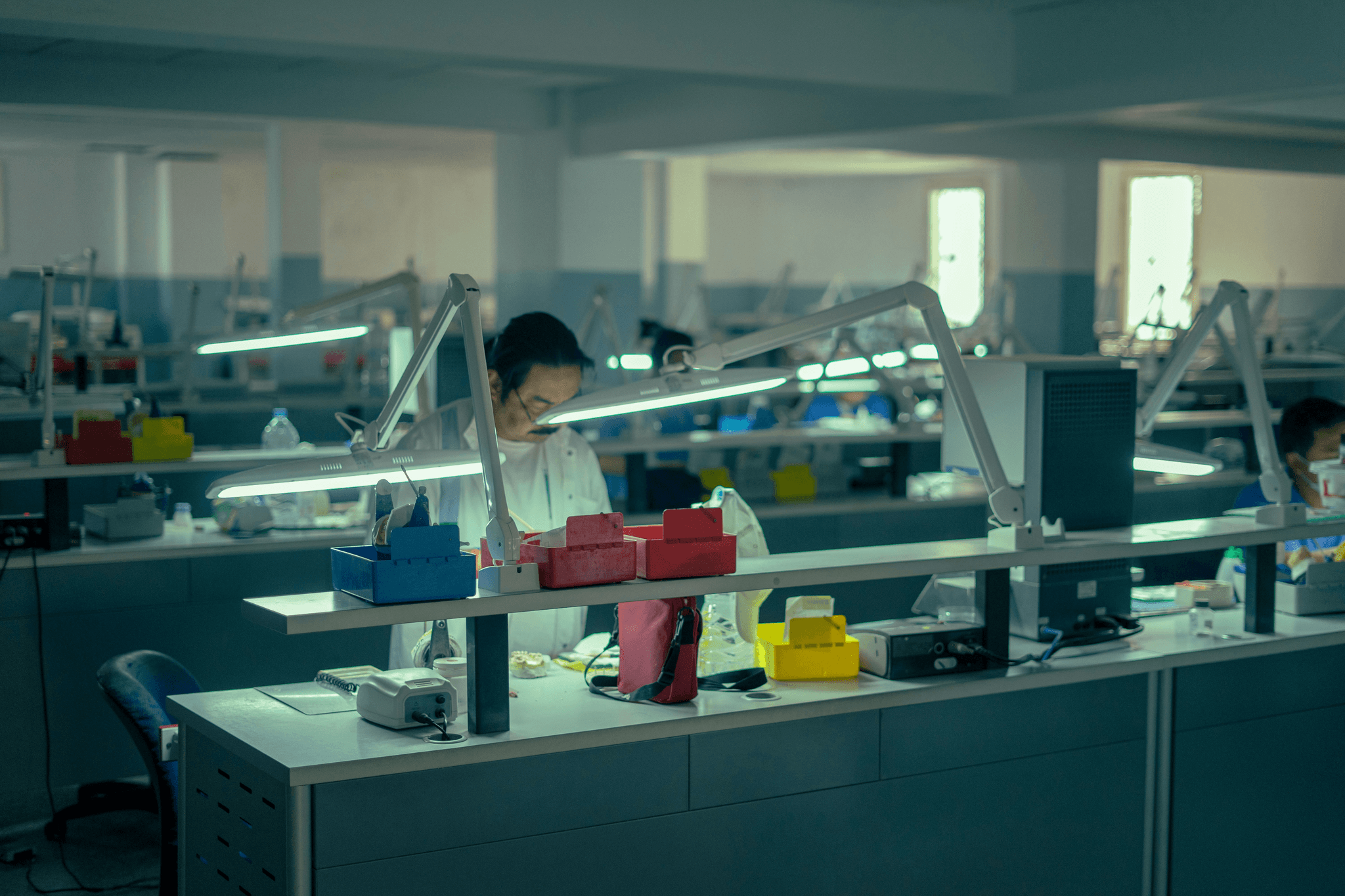
In the world of quality inspection, partnering with the right experts can make all the difference. Finding a quality inspection company that aligns with your needs is crucial for ensuring that your products meet industry standards and customer expectations. With a plethora of options available, understanding what to look for in a partner can streamline your quality assurance processes.
Choosing the Right Quality Inspection Company
When selecting a quality inspection company, it’s essential to consider their experience and expertise in your specific industry. Look for companies that have a proven track record of conducting thorough inspections and providing actionable insights. Additionally, ensure they utilize up-to-date technology and methodologies to guarantee accurate results, as this will enhance your overall quality inspection efforts.
Another key factor is communication; you want a partner that keeps you informed throughout the inspection process. Transparent reporting and quick responsiveness to inquiries can help build trust and facilitate smoother operations. Remember, choosing the right company not only affects immediate outcomes but also sets the stage for long-term success in maintaining high-quality standards.
Benefits of Using China Inspection Pro
China Inspection Pro stands out as an exceptional choice for businesses seeking reliable quality inspection services. With extensive experience in various sectors, they offer tailored solutions that cater specifically to your needs while adhering to international standards. Their team comprises highly trained inspectors who utilize state-of-the-art technology, ensuring comprehensive assessments that leave no stone unturned.
Moreover, China Inspection Pro emphasizes cost-effectiveness without compromising on service quality. By identifying potential issues early on in the production process, they help you save money in the long run by reducing defects and minimizing returns or recalls related to poor-quality products. This proactive approach not only safeguards your brand reputation but also enhances customer satisfaction.
Lastly, partnering with China Inspection Pro opens avenues for ongoing support and guidance beyond initial inspections. They provide valuable insights into trends and areas needing improvement within your production line—making them not just an inspector but a strategic ally in achieving excellence through consistent quality inspection practices.
Building Long-term Relationships
Establishing long-term relationships with your chosen quality inspection partner can lead to significant benefits over time. When you collaborate closely with experts like China Inspection Pro, they become familiar with your unique processes and challenges—allowing them to tailor their services more effectively as time goes on. This familiarity fosters trust and enhances communication channels between both parties.
Additionally, long-term partnerships often result in improved efficiency due to streamlined processes developed over time based on mutual understanding of expectations and requirements related to quality inspection protocols. Regular engagement allows both sides to adapt quickly when market conditions or regulations change—ensuring compliance while maintaining high standards consistently across all product lines.
Ultimately, investing time into nurturing these relationships pays off significantly by enhancing product reliability while reducing costs associated with poor-quality outputs down the line—a win-win situation for everyone involved!
Conclusion
In wrapping up our discussion on quality inspection, it's clear that the benefits extend far beyond mere compliance checks. Quality inspection acts as a guardian of your brand's integrity, ensuring that every product meets the highest standards before it reaches the consumer. By investing in robust quality inspection processes, businesses can safeguard their reputation and enhance overall operational efficiency.
Recap of Quality Inspection Benefits
To recap, quality inspection serves multiple critical functions for businesses today. It not only protects your brand reputation by ensuring product consistency but also saves costs in the long run by identifying issues early in the production process. Furthermore, a strong focus on quality inspection leads to enhanced customer satisfaction, which is key to building lasting relationships with clients.
Emphasizing Consistency and Standards
Consistency is the name of the game when it comes to quality inspection; it ensures that every product leaving your facility meets predefined standards. Adhering to these standards minimizes variability and reinforces trust among consumers who expect reliability from your brand. Establishing rigorous quality inspection protocols fosters an environment where excellence becomes a norm rather than an exception.
Taking Action for Quality Assurance
Now is the time to take action for quality assurance! Implementing a comprehensive quality inspection strategy can be transformative for your business operations and customer relationships alike. Whether you choose to partner with experts or develop in-house capabilities, prioritizing quality inspection will undoubtedly set you on a path toward sustained success.