
Introduction
The landscape of product compliance can feel like navigating a maze, especially when it comes to understanding the intricacies of REACH and RoHS standards. These regulations are pivotal in ensuring that products meet safety and environmental criteria, yet they can often be misunderstood or overlooked by manufacturers. By demystifying these standards, we can better appreciate their significance in the global market.
Understanding REACH and RoHS Standards
REACH (Registration, Evaluation, Authorisation and Restriction of Chemicals) focuses on the safe use of chemical substances within products, while RoHS (Restriction of Hazardous Substances) primarily targets hazardous substances restricted under RoHS in electrical and electronic equipment. Both regulations aim to protect human health and the environment but do so through different frameworks and methodologies. Understanding these differences is crucial for manufacturers looking to navigate the complexities of REACH vs. RoHS testing.
Importance of Compliance for Products
Compliance with REACH and RoHS is not just a legal obligation; it’s a commitment to quality and safety that resonates with consumers. Non-compliance can lead to severe penalties, recalls, or damage to brand reputation, making it essential for businesses to prioritize adherence to these standards. Ensuring compliance with REACH vs. RoHS testing requirements ultimately protects both consumers and manufacturers in an increasingly eco-conscious market.
Key Differences between REACH and RoHS
While both regulations share a common goal of safeguarding public health and the environment, their scopes differ significantly—REACH encompasses a broader range of chemical substances beyond those limited by RoHS restrictions. Additionally, what are the REACH SVHCs? These substances require careful monitoring due to their potential risks, whereas RoHS focuses specifically on specific hazardous materials in electronic devices. Understanding these key differences helps businesses tailor their compliance strategies effectively in the context of REACH vs. RoHS testing.
Overview of REACH Testing
Navigating the waters of REACH testing can feel like a complex maze, but understanding its core components is essential for compliance. The REACH regulation (Registration, Evaluation, Authorisation and Restriction of Chemicals) aims to ensure that manufacturers and importers manage the risks associated with chemical substances. This section will break down the essentials of REACH testing, including what SVHCs are, how the testing process works, and the potential fallout from non-compliance.
What are the REACH SVHCs?
SVHC stands for Substances of Very High Concern, which are chemicals that pose significant risks to human health or the environment. These substances may be carcinogenic, toxic for reproduction, or persistent in nature — making them a priority under REACH regulations. The European Chemicals Agency (ECHA) maintains a continuously updated list of these SVHCs; thus, staying informed about which substances fall under this category is crucial for ensuring compliance with REACH vs. RoHS testing requirements.
Manufacturers must proactively check their products against this list to avoid penalties and ensure safety standards are met. Understanding what are the REACH SVHCs helps companies not only comply with regulations but also enhance their product safety profile in an increasingly eco-conscious market. Ultimately, failing to recognize these hazardous substances can lead to costly setbacks down the road.
REACH Testing Process Explained
The REACH testing process is an intricate procedure that requires thorough documentation and assessment of chemical substances used in products. Initially, manufacturers need to gather data on their chemicals' properties and uses while assessing any potential hazards they may pose—this forms part of a comprehensive registration dossier submitted to ECHA. Once registered, continuous evaluation takes place to ensure ongoing compliance with evolving regulations.
The actual testing often involves various methods including laboratory analysis and risk assessments tailored specifically for each substance involved—making it a detailed yet vital part of ensuring compliance with REACH vs. RoHS testing requirements. It's important to note that while RoHS focuses on limiting hazardous substances in electrical equipment specifically, REACH encompasses a broader range of chemicals across multiple sectors—highlighting key differences between these two regulatory frameworks.
Additionally, collaborating with certified laboratories can streamline this process significantly by providing expert insights into both compliance challenges and best practices tailored for your industry’s specific needs.
Consequences of Non-Compliance
Non-compliance with REACH regulations can have serious repercussions—not just financially but also reputationally for businesses involved in manufacturing or importing goods within Europe’s borders. Penalties may include hefty fines or even bans on selling non-compliant products within EU markets; thus highlighting why understanding how to ensure compliance with REACH vs. RoHS testing requirements is imperative.
Moreover, non-compliance can lead to increased scrutiny from regulatory bodies which could affect future business operations or partnerships—especially when dealing with environmentally conscious consumers who prioritize sustainable practices in their purchasing decisions. In extreme cases where hazardous substances were mismanaged or unreported under current regulations can result in legal action against companies responsible for such oversights.
In conclusion, maintaining adherence to established guidelines not only protects public health but also fortifies your brand's integrity in an increasingly competitive marketplace where consumers demand transparency regarding product safety.
Overview of RoHS Testing
RoHS, or the Restriction of Hazardous Substances Directive, is a critical regulation that ensures electronic and electrical equipment is safe for both consumers and the environment. This section will delve into the hazardous substances restricted under RoHS, outline the testing process involved, and examine the impact of non-compliance. Understanding these elements is essential for manufacturers navigating the complexities of REACH vs. RoHS testing requirements.
Hazardous Substances Restricted under RoHS
The RoHS directive specifically targets six hazardous substances that pose risks to human health and the environment: lead, mercury, cadmium, hexavalent chromium, polybrominated biphenyls (PBB), and polybrominated diphenyl ethers (PBDE). Manufacturers must ensure their products do not exceed specified limits for these substances to comply with RoHS regulations. As we explore REACH vs. RoHS testing, it's crucial to note that while both regulations address hazardous materials, their scopes differ significantly.
RoHS Testing Process Explained
The RoHS testing process typically involves several key steps: initial assessment of materials used in products, laboratory testing to detect restricted substances, and documentation of compliance results. Manufacturers often engage accredited laboratories to perform thorough analyses that confirm adherence to all applicable thresholds for hazardous substances restricted under RoHS. Ensuring compliance with REACH vs. RoHS testing requirements can be streamlined by adopting a systematic approach during product development.
Impact of RoHS Non-Compliance
Failing to meet RoHS standards can have serious repercussions for manufacturers; these may include hefty fines, product recalls, or even bans on selling non-compliant products within EU markets. Additionally, non-compliance can tarnish a brand's reputation among consumers who are increasingly eco-conscious and safety-oriented. In light of REACH vs. RoHS testing requirements, companies must prioritize compliance not only as a legal obligation but also as part of their corporate responsibility towards sustainability.
REACH vs. RoHS Testing Requirements
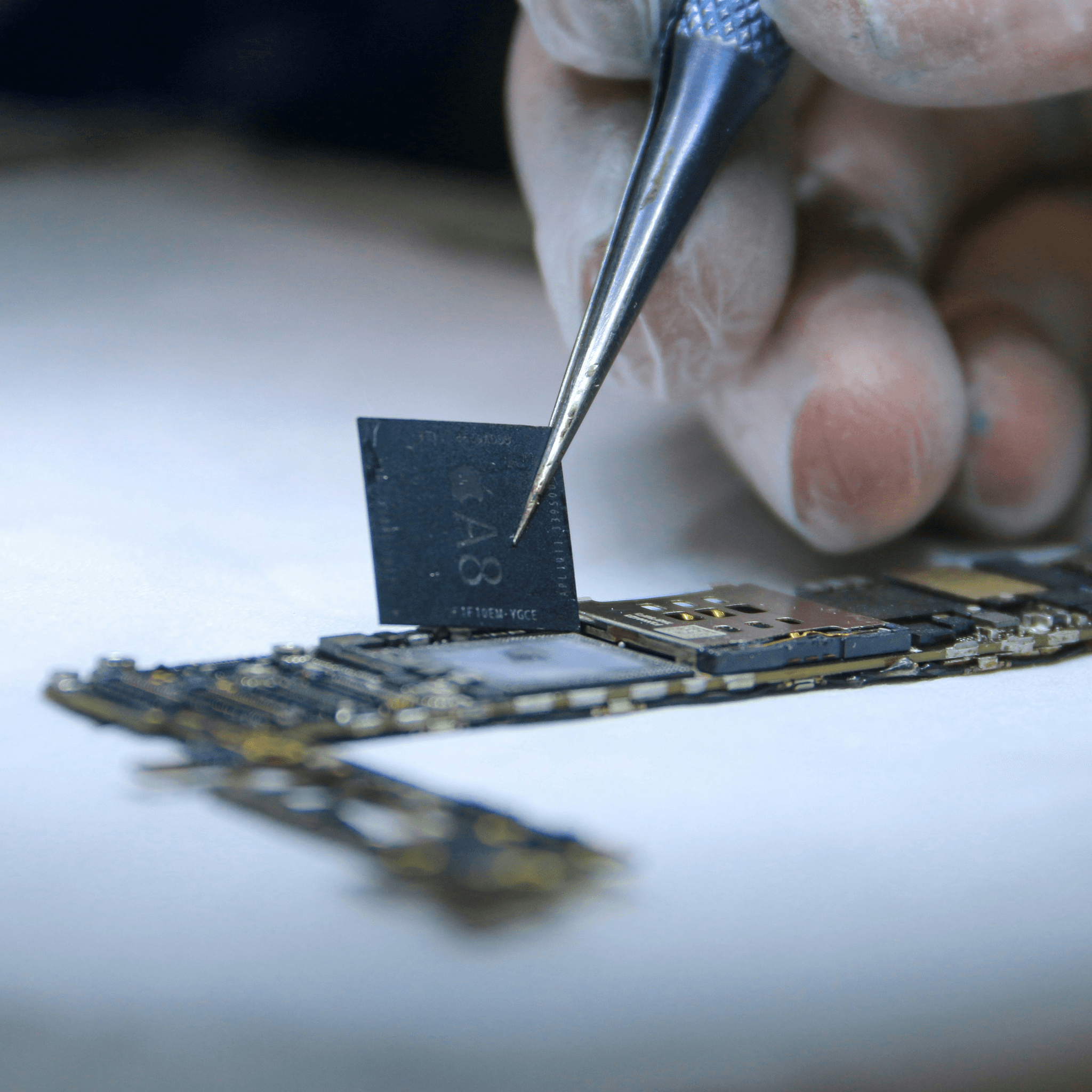
When it comes to ensuring compliance with REACH vs. RoHS testing requirements, understanding the nuances of each regulation is crucial for manufacturers and suppliers alike. Both frameworks aim to protect human health and the environment but do so through different scopes and methodologies. This section delves into how these regulations compare, their geographic implications, and industry-specific considerations that can affect compliance strategies.
Comparing the Scope of Each Regulation
The scope of REACH vs. RoHS testing reveals fundamental differences in focus and application. REACH (Registration, Evaluation, Authorisation and Restriction of Chemicals) primarily targets chemical substances used in products, particularly those deemed as Substances of Very High Concern (SVHCs). In contrast, RoHS (Restriction of Hazardous Substances) concentrates on limiting specific hazardous substances in electrical and electronic equipment, such as lead, mercury, cadmium, hexavalent chromium, and certain flame retardants.
While both regulations address hazardous materials, they differ significantly in their lists of restricted substances—what are the REACH SVHCs? They encompass a broader range than those restricted under RoHS. This means that manufacturers must navigate two distinct sets of compliance criteria when ensuring their products meet both standards.
Geographic Implications for Compliance
Geographic implications play a significant role in navigating REACH vs. RoHS testing requirements effectively. The European Union enforces both regulations rigorously; however, countries outside the EU may not have equivalent legislation or may adopt different compliance measures entirely. For instance, while some regions may follow similar principles to REACH or RoHS testing guidelines, others might only partially align with them or lack enforcement mechanisms.
This discrepancy means that companies exporting products globally must be vigilant about the specific regulatory environments they operate within—ensuring compliance with REACH vs. RoHS testing requirements can become a complex web of obligations depending on where goods are sold or manufactured. Furthermore, as global trade evolves and environmental concerns rise worldwide, staying ahead of these regulations is essential for market access.
Industry-Specific Considerations
Industry-specific considerations further complicate the landscape surrounding REACH vs. RoHS testing requirements; what applies to one sector might not hold true for another. For example, electronics manufacturers face stricter scrutiny under RoHS due to its direct focus on electrical components while also needing to comply with REACH's broader chemical assessments if their products involve regulated substances like plastics or coatings containing SVHCs.
Conversely, industries such as textiles may find themselves more heavily impacted by REACH due to potential chemical use throughout production processes rather than facing stringent restrictions under RoHS guidelines directly related to electronics manufacturing. Therefore, companies must tailor their compliance strategies accordingly—ensuring robust procedures for identifying hazardous substances restricted under RoHS while simultaneously tracking what are the REACH SVHCs relevant to their operations.
Ensuring Compliance with REACH vs. RoHS Testing Requirements

Navigating the complex waters of compliance can feel like trying to find a needle in a haystack, especially when it comes to REACH vs. RoHS testing requirements. Manufacturers must adopt best practices that not only ensure compliance but also streamline their processes and minimize risks associated with non-compliance. Understanding the nuances of what are the REACH SVHCs and the hazardous substances restricted under RoHS is crucial for any manufacturer aiming for success in today’s regulatory environment.
Best Practices for Manufacturers
To effectively tackle ensuring compliance with REACH vs. RoHS testing requirements, manufacturers should start by conducting thorough assessments of their products and supply chains. This includes identifying any materials that may contain substances listed as SVHCs under REACH or those categorized as hazardous under RoHS regulations. Regular training sessions for staff on these standards are also essential; keeping everyone informed helps prevent costly mistakes and promotes a culture of compliance.
Another best practice involves establishing strong relationships with suppliers to ensure they understand their responsibilities regarding hazardous substances restricted under RoHS and what are the REACH SVHCs. By working closely with suppliers, manufacturers can better track material composition and secure necessary documentation for compliance audits. Finally, integrating automated systems for tracking compliance status can enhance efficiency and reduce human error—because let’s face it, nobody wants to be that company caught off guard during an inspection!
Role of Testing Labs like China Inspection Pro
Testing labs play a pivotal role in ensuring compliance with both REACH vs. RoHS testing requirements by providing specialized services that help manufacturers identify potential issues early on in the production process. Labs like China Inspection Pro offer comprehensive testing solutions tailored to detect hazardous substances restricted under RoHS and evaluate materials against what are the REACH SVHCs guidelines effectively. Their expertise not only aids in meeting regulatory expectations but also enhances product safety and marketability.
Moreover, these labs provide valuable insights into emerging trends within regulatory frameworks, allowing manufacturers to stay ahead of changes that could impact their operations or product lines significantly. Utilizing accredited laboratories ensures that tests meet international standards, giving manufacturers confidence in their compliance efforts while minimizing risks associated with non-compliance penalties or recalls later on down the line.
Documentation and Record-Keeping Essentials
In the realm of ensuring compliance with REACH vs. RoHS testing requirements, meticulous documentation is non-negotiable—think of it as your safety net against potential pitfalls! Maintaining detailed records of all tests conducted, materials used, supplier certifications, and correspondence related to both regulations will serve you well during audits or inspections by regulatory bodies looking into your adherence to what are the REACH SVHCs or hazardous substances restricted under RoHS.
Additionally, implementing an organized system for record-keeping makes it easier to retrieve information when needed while helping identify patterns over time that may indicate areas requiring improvement or adjustment in your processes—after all, knowledge is power! Lastly, consider regular reviews of your documentation practices; this proactive approach will keep you aligned with evolving standards while reinforcing your commitment to product safety.
Case Studies of Compliance Success
Navigating the landscape of compliance can be a daunting task for manufacturers, especially when considering the intricacies of REACH vs. RoHS testing. However, there are success stories that illuminate the path to effective compliance and highlight the importance of understanding regulatory frameworks. In this section, we will explore successful implementations of REACH compliance, lessons learned from RoHS testing failures, and real-world examples showcasing best practices.
Successful Implementation of REACH Compliance
One notable example of successful implementation of REACH compliance comes from a European electronics manufacturer that took proactive measures to address what are the REACH SVHCs? This company conducted thorough assessments of its supply chain to identify any substances that could fall under the category of SVHCs (Substances of Very High Concern). By collaborating closely with suppliers and investing in comprehensive testing protocols, they not only ensured compliance but also enhanced their product quality and market reputation.
The organization established an internal task force dedicated to monitoring changes in regulations related to REACH vs. RoHS testing requirements. This group was instrumental in developing training programs for employees about hazardous substances restricted under RoHS as well as those regulated by REACH. As a result, they achieved full compliance ahead of schedule while fostering a culture focused on safety and sustainability within their operations.
Additionally, this case demonstrates how ensuring compliance with REACH vs. RoHS testing requirements can lead to long-term benefits such as improved customer trust and increased sales opportunities in regions with stringent regulations. The manufacturer's commitment to transparency and responsibility has not only safeguarded them against potential penalties but has also positioned them as leaders in environmental stewardship.
Lessons from RoHS Testing Failures
In stark contrast, some companies have faced significant challenges due to lapses in their understanding of hazardous substances restricted under RoHS. One prominent case involved a major toy manufacturer that was penalized after failing multiple RoHS tests due to lead contamination in its products. Despite having an extensive quality assurance program in place, they neglected to keep up with evolving standards related to hazardous substances restricted under RoHS.
This failure highlighted the critical importance of regularly updating compliance protocols and maintaining open lines of communication with suppliers regarding material sourcing. The company’s oversight resulted not only in financial repercussions but also tarnished its brand reputation among consumers who value safety for children’s products. Ultimately, this situation served as a cautionary tale about how neglecting thorough knowledge on REACH vs. RoHS testing can lead businesses down a path fraught with legal troubles and loss.
Real-World Examples of Best Practices
This supplier established rigorous internal audits designed specifically around identifying potential issues related both directly or indirectly linked back towards what are the REACH SVHCs? Their proactive stance allowed them not only mitigate risks associated during production cycles but also foster relationships built upon trust among stakeholders across all levels—from suppliers down through end-users alike—all while maintaining adherence toward hazardous substances restricted under ROHS provisions too!
Furthermore—this organization utilized state-of-the-art software tools capable tracking materials used throughout each stage manufacturing process thereby streamlining documentation needed demonstrate conformity across board regarding these crucial regulatory frameworks! In doing so—they’ve set themselves apart within competitive landscape showcasing how diligence pays off dividends beyond mere legal obligations—ultimately enhancing overall operational efficiency!
With these real-world examples illustrating both successes achieved through diligent adherence alongside pitfalls encountered due negligence—it becomes abundantly clear why understanding nuances surrounding ensuring compliance with REACH vs ROHS testing requirements remains vital today!
Conclusion

Navigating the complex landscape of product compliance can feel like trying to find your way through a maze. With regulations like REACH and RoHS constantly evolving, manufacturers must stay informed and agile to ensure compliance. The journey to understanding these standards involves recognizing key elements such as what are the REACH SVHCs? and identifying hazardous substances restricted under RoHS.
Navigating Your Compliance Journey
To successfully navigate your compliance journey, it’s essential to grasp the differences between REACH vs. RoHS testing requirements. Each regulation has its own set of criteria that manufacturers must meet, focusing on different aspects of product safety and environmental impact. By familiarizing yourself with these standards, you can better prepare for the necessary testing processes and avoid pitfalls along the way.
Effective communication within your organization about ensuring compliance with REACH vs. RoHS testing requirements is crucial for success. This involves training staff on what are the REACH SVHCs? and how to identify hazardous substances restricted under RoHS effectively. Embracing a culture of compliance will not only help in meeting regulatory demands but also enhance your product's marketability.
Choosing Between REACH and RoHS
Choosing between REACH and RoHS may seem daunting at first glance, but understanding their specific focuses can simplify the decision-making process. If your products fall under categories that involve chemical safety, then diving deep into what are the REACH SVHCs? is essential for compliance success. Conversely, if you're dealing with electronic devices or appliances, paying attention to hazardous substances restricted under RoHS will be paramount.
The decision might also hinge on geographic implications; some regions may have stricter regulations than others concerning either standard. Therefore, manufacturers should assess their target markets carefully when weighing their options in terms of compliance strategies related to REACH vs. RoHS testing requirements. Ultimately, aligning your products with both standards where applicable can provide a competitive edge in global markets.
Future Trends in Product Compliance
Looking ahead, future trends in product compliance suggest an increased focus on sustainability and environmental responsibility across industries worldwide. As consumers become more aware of what they purchase, companies will need to prioritize transparency around what are the REACH SVHCs? and hazardous substances restricted under RoHS in their products’ materials and components.
Moreover, advancements in technology could streamline ensuring compliance with REACH vs. RoHS testing requirements significantly—think automation tools that simplify documentation or AI-driven analytics for risk assessments! Staying ahead means embracing these innovations while maintaining rigorous adherence to both standards; after all, a proactive approach today will pave the way for smoother sailing tomorrow.