
Introduction
In today's fast-paced marketplace, understanding product compliance essentials is crucial for businesses striving to maintain quality and safety standards. Compliance isn't just a checkbox; it's a comprehensive framework that governs the production and distribution of goods. With regulations evolving rapidly, companies must stay informed about the requirements that impact their operations.
Understanding Product Compliance Essentials
Product compliance encompasses a wide range of regulations, standards, and practices designed to ensure that products meet safety and quality requirements before they reach consumers. This includes everything from adhering to industry-specific guidelines to implementing processes like First Article Inspection (FAI) and utilizing an AQL table to assess quality levels. Navigating this landscape can be daunting, but grasping these essentials is key to mitigating risks associated with non-compliance.
The Role of Quality Inspections
Quality inspections play a pivotal role in maintaining product compliance by providing an opportunity to catch issues early in the manufacturing process. By conducting thorough inspections—such as factory acceptance tests—businesses can test the quality of parts before shipment, ensuring they meet both regulatory standards and customer expectations. These proactive measures not only enhance product integrity but also build trust with consumers who are increasingly aware of compliance issues.
Why Compliance Matters More Than Ever
With the rise of global trade and increasing scrutiny over consumer safety, compliance has never been more important for businesses across all sectors. Questions like Should I worry about Prop 65 warning? reflect growing consumer awareness regarding hazardous substances in products, making it imperative for companies to prioritize compliance initiatives seriously. Ultimately, effective product compliance strategies not only safeguard businesses against legal repercussions but also foster long-term success in an increasingly competitive market.
Product Compliance Basics

Navigating the world of product compliance can feel like deciphering a complex puzzle, but it’s essential for any business aiming to thrive in today's market. Essentially, product compliance ensures that your products meet specific regulations and standards, which can vary widely depending on the industry and region. Understanding these basics sets the stage for implementing effective quality control measures, including first article inspections and final inspections.
Defining Product Compliance
Product compliance refers to the adherence of a product to established regulations and standards set by governing bodies or industry norms. This includes ensuring that products are safe, reliable, and environmentally friendly—qualities consumers expect today. When businesses prioritize product compliance, they not only protect their reputation but also foster customer trust while reducing the risk of costly recalls or legal issues.
Key Regulations Impacting Businesses
Several key regulations impact businesses across various sectors, making awareness crucial for success. For instance, regulations like the Consumer Product Safety Improvement Act (CPSIA) in the U.S., along with international directives such as REACH and RoHS in Europe, dictate safety requirements for consumer goods. Additionally, companies must consider specific guidelines like Prop 65 warning labels—an area where many wonder: “Should I worry about compliance?” The answer is yes; non-compliance can lead to significant penalties.
Importance of an AQL Table
An Acceptable Quality Level (AQL) table is a vital tool in maintaining product compliance by establishing acceptable limits for defects in a batch of goods. This statistical measure helps businesses determine how many defective items are permissible before they reject an entire shipment—a crucial step when testing quality before shipment through factory acceptance tests and final inspections. Utilizing an AQL table not only streamlines the inspection process but also enhances overall quality assurance efforts by providing clear benchmarks for performance.
The First Article Inspection Process

When it comes to ensuring product compliance, the First Article Inspection (FAI) process is a vital step that shouldn’t be overlooked. This initial inspection serves as the first line of defense against quality issues, allowing manufacturers to verify that their production processes align with specifications before mass production begins. By implementing a thorough FAI, businesses can significantly reduce the risk of non-compliance and costly recalls.
What is First Article Inspection?
First Article Inspection is a quality control process where the first item produced in a manufacturing run is inspected against predetermined specifications and standards. The goal here is to confirm that everything from materials to dimensions meets the required criteria, which ties directly into product compliance regulations. By identifying potential issues early on, companies can make necessary adjustments before they ramp up production.
Benefits of Early Quality Checks
One of the standout benefits of conducting early quality checks like FAI is catching defects before they escalate into larger problems down the line. This proactive approach not only saves time but also helps avoid costly delays and rework associated with final inspections later in the production cycle. Additionally, by using an Acceptable Quality Level (AQL) table during this phase, manufacturers can set clear benchmarks for acceptable defect rates, further ensuring adherence to product compliance standards.
How to Conduct an Effective Inspection
To conduct an effective First Article Inspection, it’s essential to follow a structured process that includes detailed documentation and clear communication among all stakeholders involved. Start by preparing an inspection checklist based on specifications and using an AQL table as a reference point for acceptable quality levels. Once you’ve gathered your samples, carry out tests meticulously—this could involve measuring dimensions, assessing material properties, or even simulating conditions akin to what would be experienced during factory acceptance tests (FAT).
Incorporating these practices will not only enhance your chances of passing subsequent final inspections but also bolster overall confidence in your product compliance efforts.
Testing Quality Before Shipment

Before your products hit the shelves, ensuring they meet the necessary standards is crucial for product compliance. Testing quality before shipment is not just a box to tick; it’s a vital step in maintaining brand integrity and customer satisfaction. By implementing effective strategies and thorough inspections, businesses can avoid costly recalls and enhance their reputation.
Strategies to Test Quality of Parts
To effectively test the quality of parts, companies should adopt a multi-faceted approach that includes visual inspections, functional testing, and adherence to an AQL table. Visual inspections can catch obvious defects early on, while functional tests ensure that each part performs as intended under real-world conditions. Incorporating these strategies will not only boost product compliance but also provide peace of mind before shipment.
Another effective strategy is to conduct mock first article inspections during production runs. This allows teams to assess whether the manufacturing processes align with specifications early enough to make necessary adjustments. Ultimately, these proactive measures help in identifying issues before they escalate, ensuring that when it’s time for final inspection, everything meets or exceeds expectations.
Importance of Factory Acceptance Tests
Factory acceptance tests (FAT) serve as a critical checkpoint in the product compliance journey by verifying that equipment or components function correctly before they are shipped out. Conducting FAT helps identify any potential issues related to design or manufacturing processes that could lead to problems later on—think of it as a safety net for your investment! By addressing concerns at this stage, businesses reduce the likelihood of encountering significant challenges during final inspection.
Moreover, factory acceptance tests provide documentation that can be invaluable for demonstrating compliance with regulatory requirements like Prop 65 warning guidelines. If you’re wondering “Should I worry about compliance?”—the answer is yes! Ensuring all parts pass FAT means you’re one step closer to avoiding legal troubles down the line.
Documentation for Quality Assurance
Proper documentation is essential for quality assurance and plays a pivotal role in product compliance verification throughout the testing process. Maintaining accurate records—including test results from factory acceptance tests and first article inspections—helps demonstrate adherence to standards if questions arise later on. Additionally, having well-organized documentation supports continuous improvement efforts by providing insights into past performance.
When preparing for final inspection, ensure all documentation reflects current practices and decisions made during testing phases; this transparency fosters trust among stakeholders and helps mitigate risks associated with non-compliance claims like those linked to Prop 65 warnings. Remember: comprehensive records are not just paperwork—they’re your lifeline in navigating potential pitfalls surrounding product quality!
The Final Inspection: A Must-Do
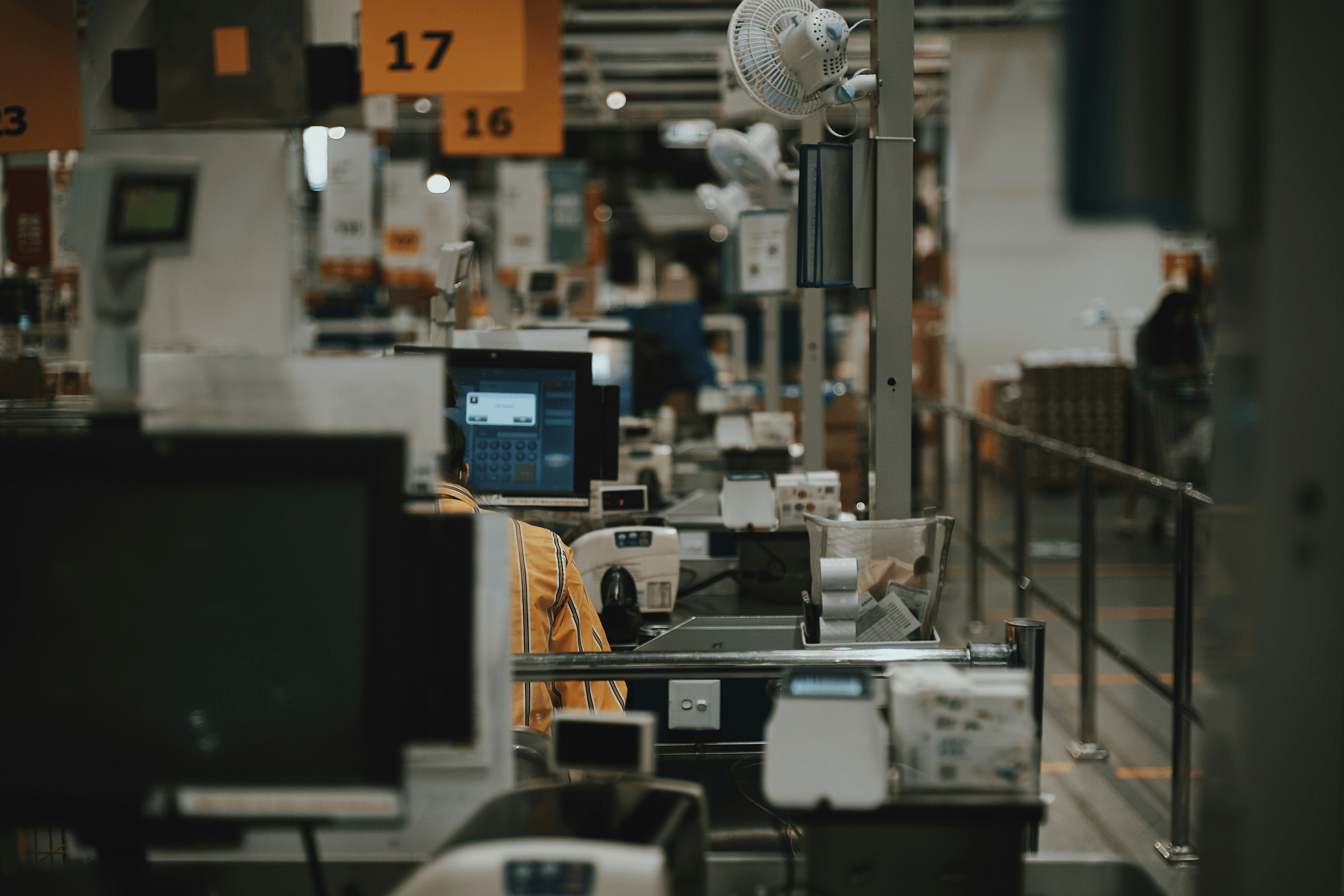
When it comes to product compliance, the final inspection is a critical step that ensures everything meets regulatory standards before hitting the market. This process acts as the last line of defense against defects and non-compliance issues, which can lead to costly recalls and damage to your brand's reputation. It's essential to take this stage seriously; after all, you wouldn’t want a faulty product sneaking past your quality checks.
Steps in the Final Inspection Process
The final inspection process typically begins with a thorough review of the AQL table, which helps determine acceptable quality levels for your products. Next, inspectors should conduct visual checks and functional tests to ensure that each item meets specified requirements. Finally, documenting findings is crucial—this not only provides proof of compliance but also serves as a valuable reference for future inspections.
To effectively test the quality of parts before shipment, it's wise to integrate both quantitative measurements and qualitative assessments during this stage. This dual approach helps ensure that every aspect of your product aligns with industry standards and customer expectations. By adhering to these steps diligently, businesses can significantly reduce risks associated with non-compliance.
Common Pitfalls to Avoid
One common pitfall in the final inspection process is overlooking minor defects because they seem insignificant at first glance; however, even small issues can escalate into major compliance problems later on. Another mistake is failing to involve all necessary stakeholders during inspections—this can lead to inconsistencies in understanding product requirements or regulatory obligations like Prop 65 warning guidelines. Lastly, neglecting proper documentation can create gaps in accountability and transparency that might haunt you during audits or recalls.
It's crucial not just to check boxes but also to engage fully with each step of the final inspection process; complacency often leads down a slippery slope toward significant issues down the line. Remember that thoroughness pays off—not just in terms of compliance but also in customer satisfaction and brand loyalty!
Using Data to Improve Outcomes
Leveraging data from past inspections can be an invaluable tool for improving future outcomes related to product compliance efforts. By analyzing trends from previous first article inspections or factory acceptance tests, businesses can identify recurring issues and address them proactively rather than reactively. This data-driven approach allows companies not only to enhance their quality assurance processes but also optimize their resource allocation for maximum efficiency.
Incorporating advanced analytics tools into your inspection workflow can further streamline processes by providing real-time insights into potential problem areas before they become critical failures at final inspection stages. Additionally, using historical data helps refine AQL tables over time so that they accurately reflect current production realities rather than outdated benchmarks!
By embracing these practices within your final inspection routine, you’ll be well on your way toward achieving stellar product compliance while minimizing risks associated with non-conformance.
Navigating Prop 65 Concerns
In the realm of product compliance, understanding California's Proposition 65 is crucial for businesses looking to avoid hefty fines and maintain their reputation. This law requires companies to provide clear warnings about significant exposures to certain chemicals known to cause cancer, birth defects, or other reproductive harm. Ignoring these guidelines can lead not only to legal repercussions but also damage your brand's trustworthiness in the eyes of consumers.
Understanding Prop 65 Warning Guidelines
The Prop 65 warning guidelines are designed to inform consumers about potential risks associated with products they purchase. Specifically, these warnings must be clear and reasonable, ensuring that customers can make informed decisions regarding their health and safety. Familiarizing yourself with the specific chemicals listed under Prop 65 is essential; this knowledge will help you assess whether your products require a warning label.
Additionally, it's important to note that simply having a warning isn't enough; it must be prominently displayed on product packaging or in advertisements. The AQL table can help manufacturers determine acceptable levels of exposure when assessing compliance with these guidelines. By integrating quality checks such as first article inspections early in the production process, businesses can proactively address any potential issues related to Prop 65.
Should You Worry About Compliance?
If you're wondering, Prop 65 warning: should I worry? the answer largely depends on your product offerings and target market. If you sell products in California or online where they may reach California consumers, then yes—compliance should be a top priority for you! Non-compliance not only exposes your business to lawsuits but could also result in costly settlements that could have been avoided with proper precautions.
Moreover, consumers today are more aware than ever of health risks associated with various products; failing to comply with Prop 65 could tarnish your brand image significantly. Regularly testing the quality of parts before shipment can mitigate risks by ensuring that any harmful substances are identified well before reaching customers' hands. This proactive approach minimizes liability while reinforcing your commitment to product safety and quality.
Steps to Ensure Compliance with Prop 65
To ensure compliance with Prop 65, start by conducting a thorough assessment of all materials used in your products—especially those that may contain harmful chemicals listed by the state of California. Implementing factory acceptance tests during production allows manufacturers to identify non-compliant components early on and take corrective action before reaching final inspection stages. It's advisable also to maintain detailed documentation throughout this process as it serves as proof of diligence should any disputes arise later.
Next, establish clear communication channels within your team regarding compliance requirements; everyone from procurement specialists to quality control inspectors should understand their role in maintaining product compliance standards related to Prop 65 regulations. Lastly, consider consulting experts who specialize in regulatory compliance—they can provide invaluable insights tailored specifically for your business needs while helping navigate complex legal landscapes effectively.
By taking these steps seriously and incorporating them into your overall strategy for product compliance—including regular use of an AQL table during inspections—you'll not only protect yourself from legal pitfalls but also enhance consumer trust—a win-win situation!
Conclusion

In today's fast-paced market, ensuring product compliance is not just a checkbox on your to-do list; it’s a fundamental aspect of business success. From understanding the intricacies of an AQL table to implementing rigorous first article inspections, each step plays a crucial role in safeguarding your brand and reputation. As we’ve explored, testing the quality of parts before shipment and conducting thorough final inspections are essential practices that help mitigate risks and enhance customer satisfaction.
Recap of Effective Compliance Steps
To achieve effective product compliance, businesses must prioritize several key steps. First, utilizing an AQL table can streamline quality control processes by providing clear standards for acceptable quality levels. Additionally, implementing first article inspections allows companies to catch potential issues early in production, while testing the quality of parts before shipment ensures that only top-notch products reach customers.
Final inspections serve as a critical checkpoint before products hit the market; they help identify any last-minute issues that could lead to costly recalls or dissatisfied customers. Understanding regulations such as Prop 65 is also vital—companies need to be aware of warning guidelines and take proactive measures for compliance. By focusing on these areas, businesses can navigate the complex landscape of product compliance with confidence.
Importance of Working with Experts
Quality assurance professionals bring invaluable insights into best practices for conducting factory acceptance tests and ensuring adherence to industry regulations like Prop 65. Their expertise not only helps in understanding what Prop 65 warning should I worry really means but also provides practical strategies for maintaining compliance.
Moreover, having knowledgeable partners can simplify processes such as final inspection procedures and interpreting AQL tables effectively. With their guidance, companies can avoid common pitfalls and enhance their overall compliance strategies—ultimately saving time and reducing costs associated with non-compliance penalties or recalls. In an ever-evolving regulatory landscape, collaboration with experts is essential for staying ahead.
Future Trends in Product Compliance
Looking ahead, several trends are shaping the future landscape of product compliance that businesses must consider seriously. Increasingly stringent regulations will likely require more robust systems for monitoring quality throughout production cycles—from initial design through final inspection stages—and beyond into post-market surveillance. Embracing technology such as AI-driven analytics will enable companies to test the quality of parts before shipment more efficiently while also improving traceability.
Sustainability will also play a significant role in future product compliance discussions; consumers are becoming more conscious about environmental impacts and demanding transparency from brands regarding their manufacturing processes. Companies that proactively adapt to these shifts by integrating sustainable practices into their operations will not only comply with emerging regulations but also build stronger relationships with environmentally-conscious consumers.
In conclusion, navigating the world of product compliance may seem daunting at times but armed with knowledge about effective steps like utilizing an AQL table and conducting thorough first article inspections can lead you toward success in this vital area.