
Introduction

In an era where renewable energy is becoming increasingly essential, the significance of Solar Panel Inspection cannot be overstated. Ensuring that solar panels perform optimally requires a thorough understanding of the Solar Panel Quality Control Process, which directly influences efficiency and longevity. By prioritizing inspections, stakeholders can effectively mitigate risks associated with Common Solar Panel Defects.
Understanding Solar Panel Inspection Importance
Solar Panel Inspection serves as a critical checkpoint in maintaining the integrity of solar energy systems. Regular inspections help identify issues before they escalate, ensuring that solar panels operate at peak efficiency. This proactive approach not only enhances performance but also extends the lifespan of these valuable investments.
The Role of Quality Control in Solar Industry
Quality control is vital in the solar industry as it ensures that products meet established standards and function reliably over time. By implementing rigorous quality control measures, manufacturers can minimize defects and enhance customer satisfaction. This commitment to excellence fosters trust among consumers who rely on solar technology for their energy needs.
Common Defects Found in Solar Panels
Common Solar Panel Defects can range from manufacturing flaws to environmental damage caused by harsh weather conditions. Identifying these defects early through proper inspection techniques is essential for maintaining system performance and safety. A well-executed quality control process helps prevent these issues from arising, ensuring a more sustainable future for solar energy.
The Solar Panel Quality Control Process
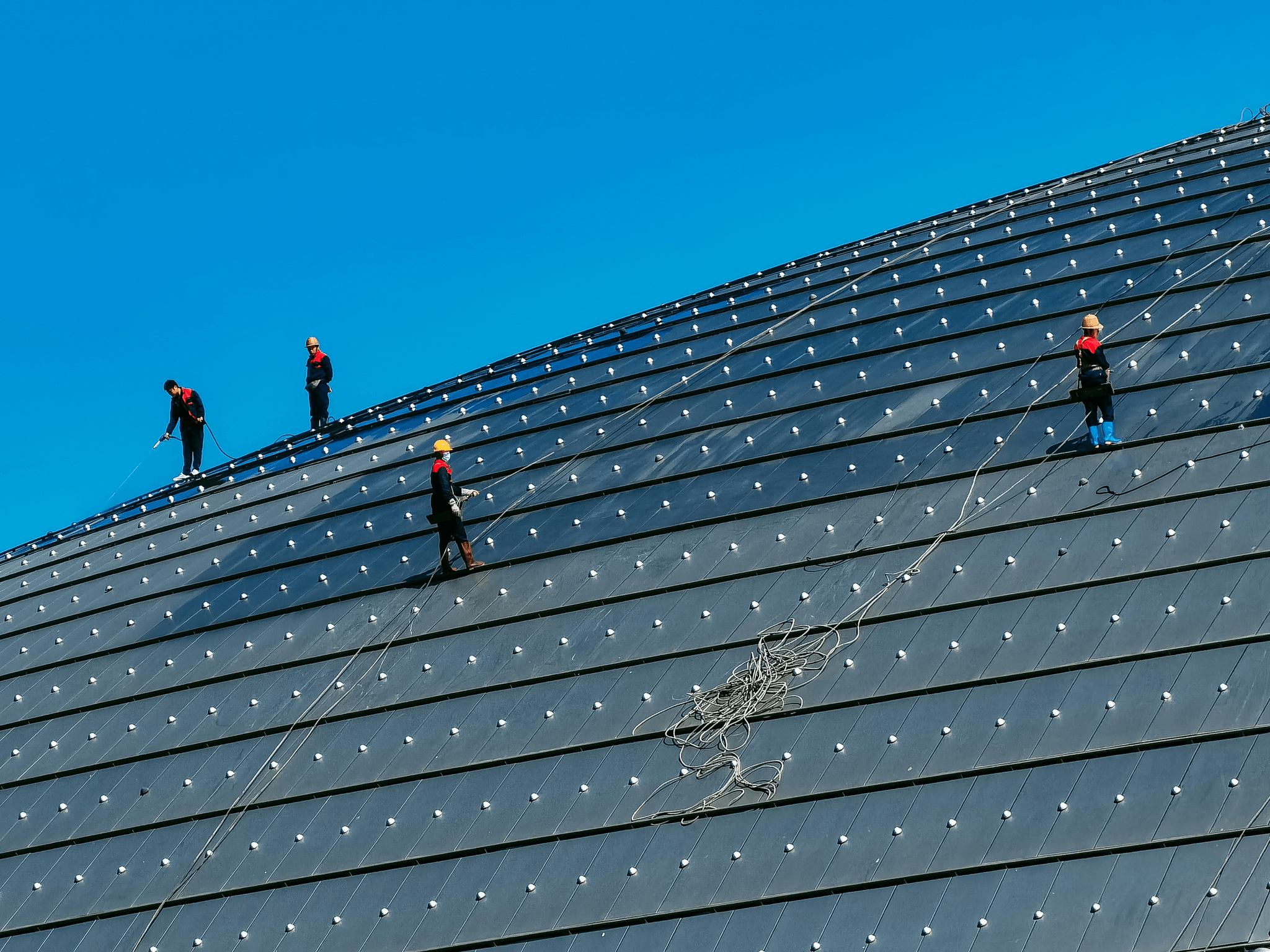
The Solar Panel Quality Control Process is essential for ensuring that solar panels operate at peak efficiency and longevity. A systematic approach to quality assurance can mitigate risks associated with Common Solar Panel Defects, ultimately leading to safer installations and better returns on investment. Understanding the steps involved in this process is crucial for anyone looking to invest in solar technology.
Steps Involved in Quality Assurance
The first step in the Solar Panel Quality Control Process involves thorough design reviews, where engineers assess the specifications against industry standards. Following this, material selection plays a critical role; using high-quality materials can significantly reduce the likelihood of defects later on. Finally, manufacturing processes are closely monitored through rigorous testing to ensure compliance with Applicable Quality Standards for Solar Panels, which helps catch potential issues before they become costly problems.
Importance of Regular Inspections
Regular inspections are vital not just for identifying Common Solar Panel Defects but also for maintaining overall system efficiency. Over time, environmental factors such as extreme weather or dust accumulation can affect performance; therefore, periodic checks help ensure that panels remain functional and effective. By prioritizing regular inspections within the Solar Panel Quality Control Process, owners can avoid unexpected repair costs and extend the lifespan of their investment.
How to Choose an Inspection Service
Choosing the right inspection service is key to achieving optimal results from your Solar Panel Inspection efforts. Look for providers who adhere to recognized standards like Photovoltaic Module Quality Testing (PVEL) Standards; this ensures they have a rigorous testing protocol in place. Additionally, consider their experience and reputation—selecting a seasoned service provider will give you peace of mind knowing that your solar panels are in capable hands.
Why Quality Control is Vital in Solar Industry
The solar industry is booming, and with its growth comes the critical need for quality control. Quality Control ensures that solar panels not only perform efficiently but also last longer, providing a solid return on investment for consumers and businesses alike. By understanding why quality control is vital in the solar industry, stakeholders can make informed decisions that enhance both performance and safety.
Impact on Efficiency and Longevity
Quality control processes help catch common solar panel defects before they reach consumers, ensuring that each panel operates at its optimal capacity. With regular Solar Panel Inspection, potential issues are identified early on, leading to a longer lifespan for the panels and better energy output over time.
Longevity isn’t just about how long a panel lasts; it’s also about maintaining efficiency throughout its life cycle. Panels subjected to rigorous quality assurance are less likely to suffer from degradation due to manufacturing flaws or environmental impacts. Thus, investing in quality control translates into significant savings over time as users enjoy prolonged performance without the need for costly replacements.
Safety Concerns with Subpar Products
Subpar products can lead to dangerous situations such as electrical fires or structural failures due to poor manufacturing practices or materials used. Regular Solar Panel Inspections help ensure compliance with applicable quality standards for solar panels, providing peace of mind that systems are safe for use.
Furthermore, safety concerns extend beyond immediate risks; they also affect public perception of renewable energy technologies like solar power. When consumers hear about incidents involving defective panels, it sows distrust and may deter them from adopting sustainable solutions altogether. This underlines the importance of stringent quality control processes that not only safeguard users but also promote broader acceptance of renewable energy sources.
The Financial Benefits of Quality Assurance
Quality assurance isn’t just a buzzword—it’s a financial strategy that pays dividends in both short- and long-term investments in solar technology. By focusing on rigorous inspection protocols—including adherence to Photovoltaic Module Quality Testing (PVEL) Standards—companies can minimize warranty claims and reduce costs associated with defective products entering the market. This proactive approach leads not only to happier customers but also enhances profitability through reduced operational risks.
Moreover, high-quality products often result in higher resale values—a win-win situation for consumers looking down the road at future upgrades or transitions within their energy strategies. Investing in reliable products means avoiding hidden costs associated with poor performance or frequent repairs down the line; thus making quality assurance an essential component of any successful business model within the solar industry.
In summary, understanding why quality control is vital in the solar industry sheds light on its multifaceted advantages—from enhancing efficiency and longevity to addressing safety concerns while reaping financial benefits through smart investments in technology and services like Solar Panel Inspection.
Common Solar Panel Defects
Identifying Manufacturing Defects
Manufacturing defects are sneaky little gremlins that can wreak havoc on the efficiency of solar panels. These issues might include microcracks in the cells, poor soldering connections, or even misaligned components—all of which can be detected through a thorough solar panel inspection process. Recognizing these manufacturing defects early on is essential for maintaining high-quality standards and ensuring that the panels operate at peak performance.
Quality control plays a vital role in minimizing manufacturing defects; rigorous testing during production helps catch issues before they reach consumers. Manufacturers are encouraged to adhere to applicable quality standards for solar panels to minimize risks associated with these defects. Ultimately, investing time and resources into identifying manufacturing flaws pays off by enhancing the overall reliability of solar energy systems.
Environmental Impacts on Solar Panels
While manufacturing defects are a concern, environmental factors also contribute significantly to common solar panel defects. Harsh weather conditions—such as hailstorms or extreme temperatures—can lead to physical damage over time, compromising the integrity of the panels. Furthermore, exposure to pollutants like dust and bird droppings can create micro-abrasions on the surface, reducing efficiency.
Regular inspections help identify any environmental impacts before they escalate into more significant problems during the solar panel quality control process. By understanding how environmental factors affect their investment, consumers can make informed decisions about maintenance schedules and protective measures for their systems. Quality assurance not only extends the life of your panels but also maximizes energy output regardless of external conditions.
Preventive Measures to Avoid Defects
Prevention is better than cure—especially when it comes to avoiding common solar panel defects! Regular maintenance checks and timely inspections are key preventive measures that ensure your system remains in top shape throughout its lifespan. Following applicable quality standards for solar panels during installation will also mitigate risks associated with both manufacturing flaws and environmental wear-and-tear.
Investing in high-quality components from reputable manufacturers who adhere to Photovoltaic Module Quality Testing (PVEL) standards is another smart move towards defect prevention. Additionally, educating users about proper care techniques—like keeping panels clean and monitoring performance regularly—can go a long way in maintaining optimal functionality over time. Quality control isn’t just a box-ticking exercise; it’s an ongoing commitment that makes all the difference!
Applicable Quality Standards for Solar Panels
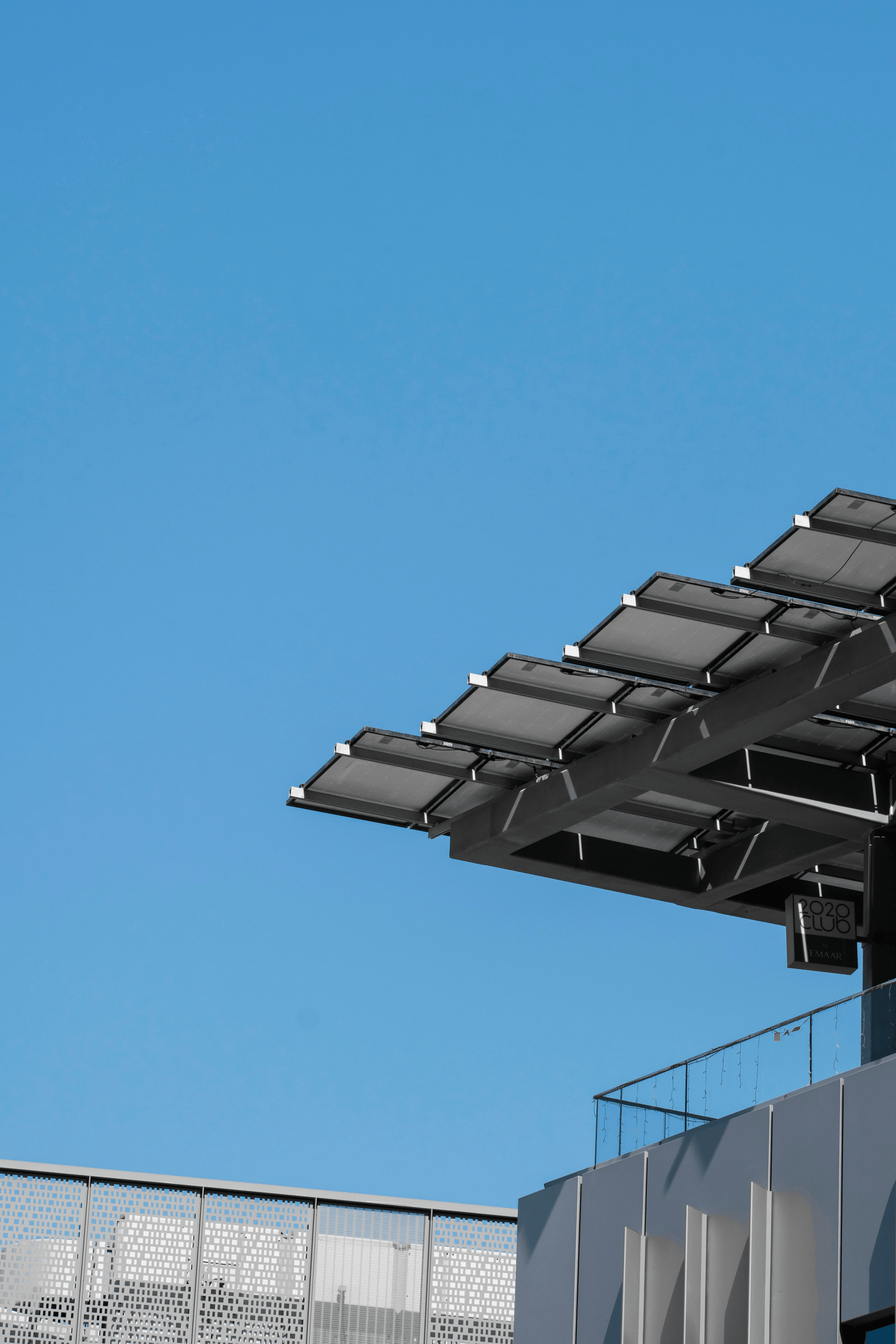
In the ever-evolving solar industry, adherence to applicable quality standards for solar panels is crucial. These standards ensure that solar panels meet specific performance, safety, and durability criteria. By being aware of these international benchmarks, consumers can make informed decisions and trust the products they invest in.
Overview of International Standards
International standards for solar panels serve as a guideline for manufacturers to maintain quality control throughout the production process. Organizations such as the International Electrotechnical Commission (IEC) set forth rigorous testing protocols that ensure efficiency and reliability in various environmental conditions. Understanding these standards helps stakeholders grasp why quality control is vital in the solar industry, ultimately leading to better product performance and customer satisfaction.
Key Organizations and Their Roles
Several key organizations play pivotal roles in establishing and promoting quality standards within the solar panel sector. The IEC is perhaps the most recognized entity, providing essential guidelines that influence global manufacturing practices. Additionally, entities like Underwriters Laboratories (UL) and Photovoltaic Module Quality Testing (PVEL) contribute by certifying products based on their adherence to safety and performance benchmarks, thereby fostering trust among consumers.
How Standards Affect Consumer Choices
Quality standards significantly impact consumer choices when selecting solar panels for installation or investment purposes. When potential buyers see certifications from reputable organizations like PVEL or IEC compliance marks, it instills confidence in their purchase decisions knowing they are opting for reliable products free from common solar panel defects. Consequently, understanding applicable quality standards not only aids consumers but also emphasizes why quality control is vital in the solar industry overall.
Photovoltaic Module Quality Testing (PVEL) Standards
When it comes to ensuring the reliability and performance of solar panels, the Photovoltaic Module Quality Testing (PVEL) standards play a crucial role. These standards establish a comprehensive framework for assessing solar panel quality, focusing on both durability and efficiency. By adhering to PVEL's rigorous testing procedures, manufacturers can significantly enhance their products' credibility in the competitive solar market.
Understanding PVEL's Testing Procedures
PVEL employs a meticulous approach to testing solar panels, incorporating various assessments that evaluate their performance under real-world conditions. This includes stress tests for temperature fluctuations, humidity exposure, and mechanical load resistance—factors that can lead to common solar panel defects if not properly managed. By simulating extreme environmental conditions during the Solar Panel Inspection process, PVEL ensures that only the most reliable modules receive certification.
Moreover, these testing procedures are designed to identify potential failures early on in the product lifecycle. Manufacturers who engage in this quality control process gain valuable insights into their products' weaknesses and strengths. This proactive stance not only enhances product design but also fortifies consumer trust in the overall quality of solar energy systems.
Importance of PVEL Certification
Achieving PVEL certification is no small feat; it signifies that a solar panel has undergone extensive scrutiny and met high-performance benchmarks set by industry experts. This certification serves as a critical differentiator in an increasingly crowded marketplace where consumers are becoming more discerning about their choices. When considering why quality control is vital in the solar industry, it's clear that PVEL-certified products stand out due to their proven reliability and efficiency.
Furthermore, having this certification can positively impact manufacturers’ reputations and sales figures alike. Consumers often prioritize certified products due to perceived lower risks associated with defects or failures—factors that could otherwise lead to costly repairs or replacements down the line. Thus, obtaining PVEL certification is not just about compliance; it's an investment in long-term customer satisfaction.
How PVEL Standards Foster Trust
Trust is paramount when it comes to investing in renewable energy solutions like solar panels; consumers want assurance that they’re making sound choices for both their finances and the environment. By adhering to PVEL standards during Solar Panel Inspection processes, manufacturers signal their commitment to delivering high-quality products free from common defects often seen in less rigorously tested alternatives. This transparency fosters confidence among consumers who may be hesitant about adopting new technologies.
Moreover, when customers see reputable organizations backing specific brands through certifications like those from PVEL, they feel more secure in their purchasing decisions—knowing they’re choosing reliable options backed by stringent quality assurance measures. Such trust extends beyond individual purchases; it contributes positively toward broader adoption of renewable energy sources across communities worldwide.
In summary, embracing Photovoltaic Module Quality Testing (PVEL) standards not only enhances product integrity but also builds lasting relationships between manufacturers and consumers based on trust—a win-win scenario for everyone involved!
Conclusion
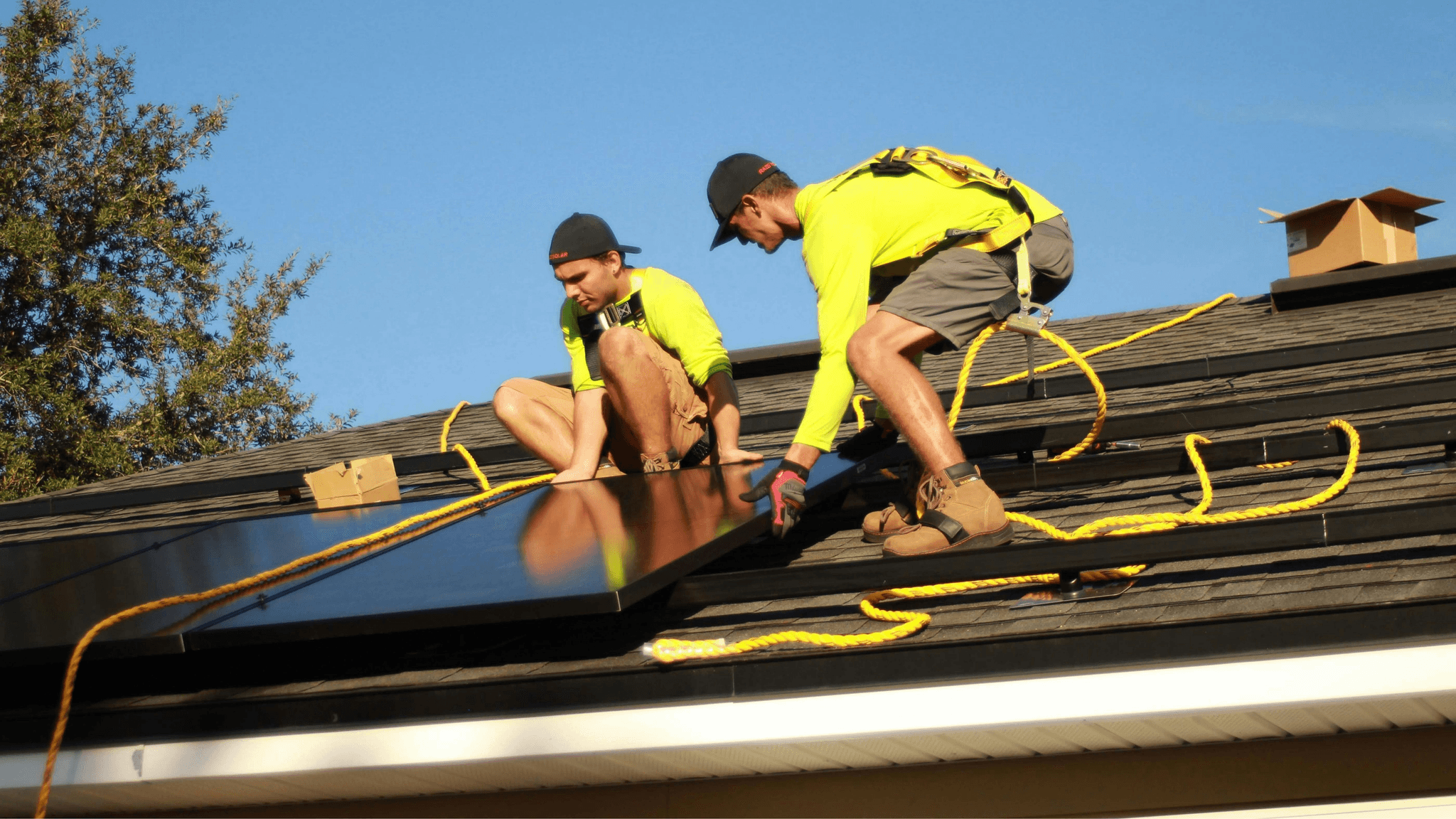
In conclusion, understanding the significance of Solar Panel Inspection cannot be overstated. It plays a crucial role in ensuring that solar panels meet quality standards and perform optimally over their lifespan. By implementing a thorough Solar Panel Quality Control Process, stakeholders can mitigate risks associated with Common Solar Panel Defects and enhance overall system reliability.
Recap of Solar Panel Inspection Benefits
The benefits of Solar Panel Inspection extend far beyond mere compliance; they encompass efficiency, safety, and economic advantages. Regular inspections help identify potential issues early on, thereby preventing costly repairs or replacements down the line. Additionally, adhering to Applicable Quality Standards for Solar Panels ensures that consumers receive products that are not only reliable but also safe for long-term use.
Making Informed Decisions Through Quality Standards
Quality standards serve as a guiding light in the solar industry, helping consumers make informed decisions about their investments. By understanding Why Quality Control is Vital in the Solar Industry, buyers can choose products that align with established benchmarks for performance and durability. This knowledge empowers consumers to avoid subpar options while maximizing their returns on investment.
Partnering with Experts Like China Inspection Pro
To navigate the complexities of solar panel quality assurance effectively, partnering with experts like China Inspection Pro is essential. Their expertise in conducting rigorous inspections aligns perfectly with the Photovoltaic Module Quality Testing (PVEL) Standards that are critical in today's market. By leveraging specialized inspection services, stakeholders can ensure their solar energy systems operate at peak efficiency while minimizing risks associated with Common Solar Panel Defects.