
Introduction
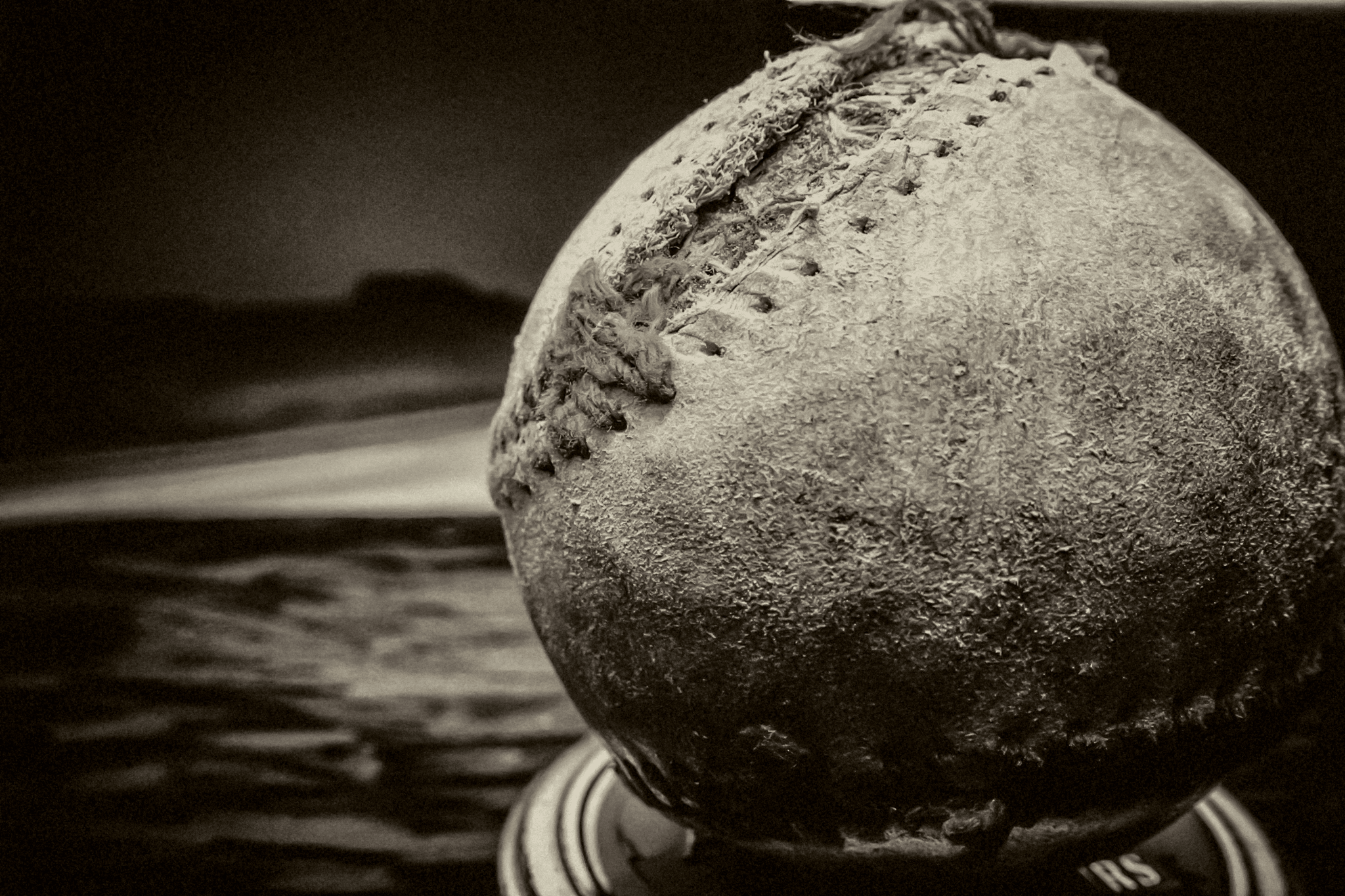
Ensuring top-notch sports balls quality is no accident; it’s the result of meticulous Sports Balls Inspection at every stage of production. From raw materials to final packaging, a comprehensive quality control process guarantees that each ball meets industry standards and performs reliably on the field. This not only boosts consumer confidence but also minimizes costly recalls and replacements down the line.
A robust quality control process hinges on thorough RAW MATERIALS INSPECTION, where the integrity of rubber, leather, and other core components are verified before assembly begins. By catching defects early through detailed inspection, manufacturers can prevent faulty products from progressing further in production. This proactive approach ensures that only high-quality materials move forward to assembly inspection and subsequent testing phases.
Sports Balls Inspection plays a crucial role in keeping your game fair and safe by enforcing strict standards through VISUAL INSPECTION, weight and measurement checks, inflation/deflation testing, and final evaluations. Each step—from verifying stitching during assembly inspection to checking air pressure—serves as a safeguard against manufacturing flaws that could compromise performance or safety. Ultimately, comprehensive final inspection by trusted partners ensures that every sports ball delivered to the market is reliable, durable, and ready for action.
Raw Materials Inspection
Ensuring top-quality sports balls begins long before the first stitch is sewn. RAW MATERIALS INSPECTION is crucial to guarantee that only the best rubber and leather make it into your game. This step helps prevent subpar materials from slipping through, which could compromise the entire Sports Balls Inspection process later on.
Rubber and Leather Quality Checks
The foundation of any good sports ball lies in its rubber and leather components, making their quality checks non-negotiable. During this phase, inspectors scrutinize raw materials for consistency, elasticity, and durability—key factors that influence performance on the field. Spotting defects like cracks or inconsistencies early during RAW MATERIALS INSPECTION ensures only premium materials proceed to assembly inspection.
Confirming Proper Material Specifications
Matching raw materials to strict specifications is essential for maintaining industry standards in Sports Balls Inspection. This involves verifying thickness, density, and color accuracy to ensure they meet predefined criteria. When raw materials align perfectly with specifications, it sets a solid stage for assembly inspection without surprises down the line.
Detecting Defects Before Assembly Begins
Pre-assembly defect detection acts as a safety net in the sports ball manufacturing process. Imperfections such as air bubbles, tears, or foreign particles can sabotage the integrity of finished products if left unchecked—so catching them during RAW MATERIALS INSPECTION saves time and resources later on. This proactive approach guarantees that only flawless components enter the assembly inspection phase.
Assembly Inspection
During the Sports Balls Inspection process, assembly inspection plays a crucial role in ensuring each ball meets the highest standards before hitting the market. This stage involves scrutinizing how well the raw materials have been put together, from stitching to bonding, to prevent any flaws that could impact performance or safety. A meticulous assembly inspection guarantees that every stitch and seam aligns perfectly, reducing the risk of defects slipping through after RAW MATERIALS INSPECTION.
Verifying Stitching and Seams
One of the first steps in assembly inspection is checking stitching quality and seam integrity. Poor stitching can lead to leaks or unraveling during play, compromising safety and durability. During this phase, inspectors examine every stitch for uniformity and strength, ensuring they meet industry standards for sports balls inspection. This thorough check helps maintain consistency in construction, which is key to delivering a reliable product.
Checking Material Alignment and Bonding
Next up in assembly inspection is verifying material alignment and bonding techniques used during manufacturing. Proper alignment ensures that the ball maintains its shape and bounce characteristics, vital for professional gameplay. Bonding quality is also scrutinized closely; weak bonds can cause seams to separate or surfaces to peel—an obvious no-go in sports balls inspection protocols. Confirming these details prevents costly recalls and keeps your game fair.
Ensuring Consistency in Construction
Consistency across all units is fundamental when performing sports balls inspection at this stage. Variations in construction can lead to unpredictable behavior on the field or court, which frustrates players and fans alike. By systematically inspecting each ball’s assembly process—checking stitches, seams, material placement—inspectors uphold high standards of quality control throughout production lines.
Visual Inspection
When it comes to Sports Balls Inspection, the visual inspection stage is where the rubber truly meets the road—or the leather, in this case. This step is crucial for spotting surface imperfections and damage that could compromise performance or safety. Detecting scratches, tears, or discoloration early ensures only top-quality balls make it to the game, saving you from embarrassing mishaps on the field.
Spotting Surface Imperfections and Damage
During RAW MATERIALS INSPECTION, every detail matters—especially surface flaws that might be missed later. Visual Inspection allows inspectors to identify dents, cracks, or uneven patches that could jeopardize durability. Catching these imperfections early helps maintain high standards throughout the entire manufacturing process and ensures consistent quality in each sports ball.
Analyzing Color and Texture Uniformity
Uniform color and texture are more than just eye candy—they’re indicators of manufacturing precision. In SPORTS BALLS INSPECTION, inconsistencies in color or texture can signal underlying issues like improper mixing or material defects. By meticulously analyzing these aspects during visual inspection, manufacturers can prevent flawed products from reaching consumers and keep their reputation intact.
Identifying Manufacturing Flaws Early
Manufacturing flaws such as misaligned seams or inconsistent stitching often slip past initial stages but become glaring problems during visual inspection. Spotting these flaws early means they can be corrected before assembly advances too far—saving time and money while ensuring product excellence. A thorough visual check acts as a gatekeeper for quality control throughout ASSEMBLY INSPECTION and beyond.
Weight and Measurement Inspection
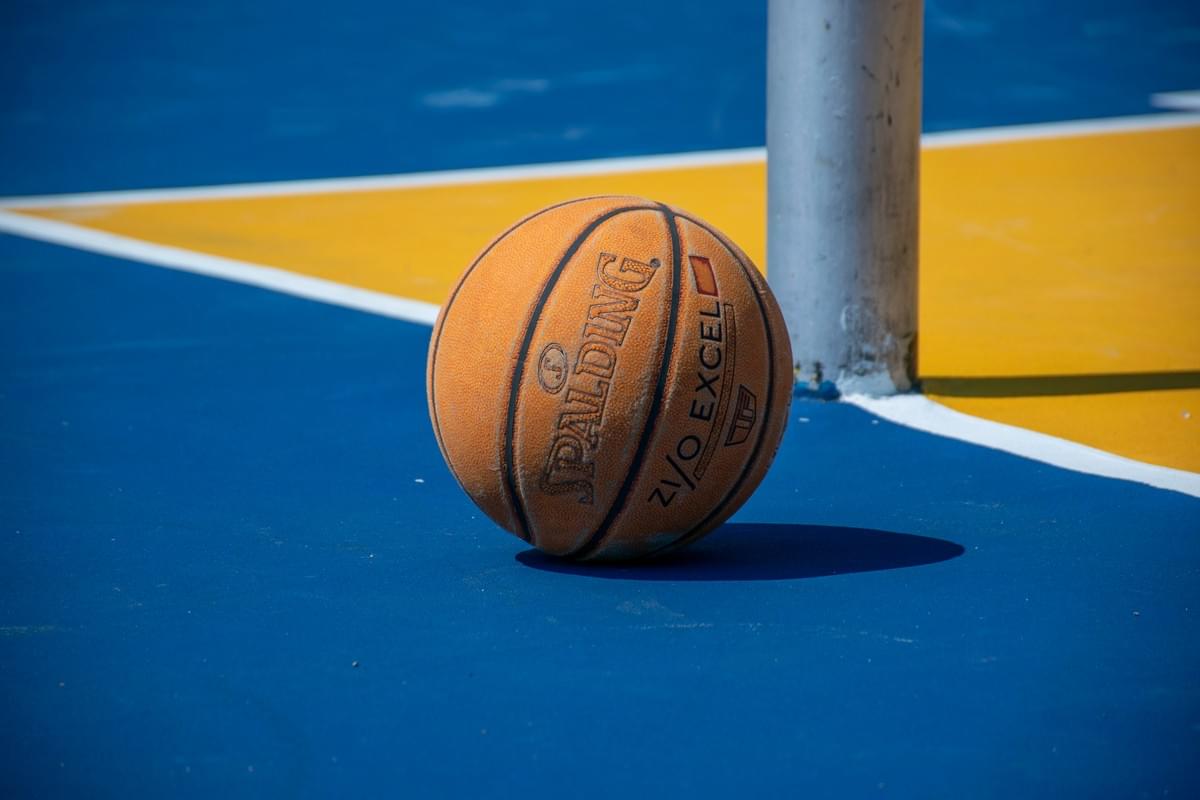
Ensuring your sports balls meet precise weight and size standards is a critical part of Sports Balls Inspection. This step helps guarantee that each ball complies with industry regulations, providing fair play on every court or field. During RAW MATERIALS INSPECTION, manufacturers set the foundation for accurate measurements, but it’s during the final stages that WEIGHT AND MEASUREMENT INSPECTION truly shines to confirm consistency.
Properly verifying the circumference and weight of sports balls prevents discrepancies that could impact gameplay or violate regulations. Using specialized tools during WEIGHT AND MEASUREMENT INSPECTION ensures that each ball aligns with strict standards, avoiding issues during FINAL INSPECTION. This process is essential for maintaining quality control, especially when combined with thorough ASSEMBLY INSPECTION and VISUAL INSPECTION to catch any surface irregularities before measurement.
Maintaining accuracy in WEIGHT AND MEASUREMENT INSPECTION isn’t just about meeting regulatory requirements; it’s about delivering a product consumers can trust. Precision tools like calipers and digital scales are employed to achieve reliable results, making sure each ball passes muster during FINAL INSPECTION. When combined with INFLATION/DEFLATION INSPECTION, this comprehensive approach guarantees optimal performance and compliance in every game.
Inflation and Deflation Inspection
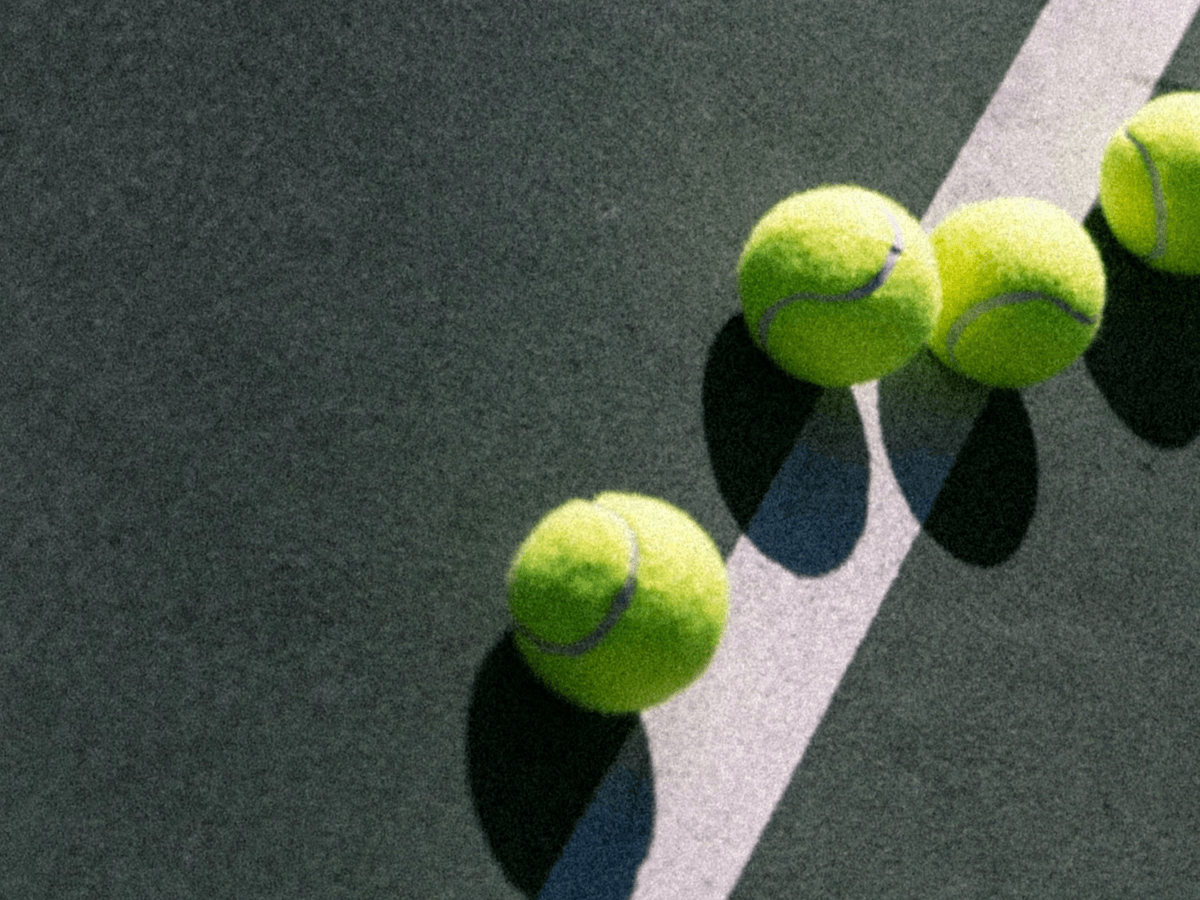
Ensuring your sports balls perform at their peak during every game starts with meticulous inflation and deflation inspection. This step is crucial in the overall sports balls inspection process because even a tiny leak or improper air pressure can impact bounce, control, and safety. By thoroughly checking these factors, manufacturers can guarantee that each ball meets industry standards and provides players with consistent performance.
Testing Air Pressure Stability
During the RAW MATERIALS INSPECTION stage, the importance of stable air pressure begins to take shape—after all, a well-made ball relies on precise internal pressure. In the assembly inspection phase, technicians use specialized tools to test whether the ball maintains its air pressure over time, confirming it won't deflate mid-play. Consistent air pressure is vital for fair gameplay and aligns perfectly with weight and measurement inspection standards to ensure compliance with industry regulations.
Detecting Leaks and Valve Integrity
Leaks are sneaky culprits that can sabotage even the best-designed sports balls; hence, detecting leaks during inflation/deflation inspection is essential. This process involves applying soapy water or using electronic leak detectors around valves and seams to spot any escaping air—if detected early, defects can be fixed before reaching consumers. Proper valve integrity checks also tie back into visual inspection routines where surface flaws might hint at underlying issues affecting inflation stability.
Ensuring Optimal Performance During Play
Finally, after passing through visual inspection and final quality evaluation by trusted inspectors like China Inspection Pro, each ball undergoes testing for optimal performance during play through inflation/deflation inspection procedures. This ensures that every sports ball not only looks perfect but also performs reliably under real game conditions—no unexpected deflations or bursts here! Maintaining this level of quality control guarantees customer satisfaction while reinforcing your brand’s reputation for high standards in sports equipment.
Final Inspection by China Inspection Pro
When it comes to sports balls, the final inspection stage is where the rubber truly meets the road. This comprehensive quality evaluation ensures every ball meets strict industry standards before hitting the shelves. During this phase, China Inspection Pro meticulously reviews all aspects of the sports balls inspection process, from RAW MATERIALS INSPECTION to INFLATION/DEFLATION INSPECTION, guaranteeing top-notch quality and safety.
Comprehensive Quality Evaluation
The final inspection kicks off with a thorough assessment of all previous steps—RAW MATERIALS INSPECTION, ASSEMBLY INSPECTION, and VISUAL INSPECTION—to confirm that each component aligns with industry standards. This stage involves detailed testing of weight and measurement parameters to ensure consistency across batches, making sure every sports ball is game-ready. By integrating these checks into a single comprehensive evaluation, China Inspection Pro guarantees that each product not only looks perfect but also performs reliably during play.
Documenting Non-Conformities and Recommendations
During this critical phase, any deviations or defects identified through SPORTS BALLS INSPECTION are meticulously documented. Whether it's an issue with surface imperfections spotted during VISUAL INSPECTION or irregularities detected in WEIGHT AND MEASUREMENT INSPECTION, every non-conformity is recorded with precision. Based on these findings, tailored recommendations are provided to manufacturers for corrective actions—ensuring that only premium quality sports balls reach consumers and that potential safety hazards are eliminated early.
Delivering Certification for Market Readiness
Once all aspects of the FINAL INSPECTION are cleared—covering INFLATION/DEFLATION INSPECTION, assembly integrity, and surface quality—the product receives official certification from China Inspection Pro. This certification serves as proof that every sports ball has undergone rigorous SPORTS BALLS INSPECTION processes and adheres to international safety standards. With this seal of approval in hand, manufacturers can confidently launch their products into the market, knowing they've met all necessary quality benchmarks and will keep players safe on the field.
Conclusion
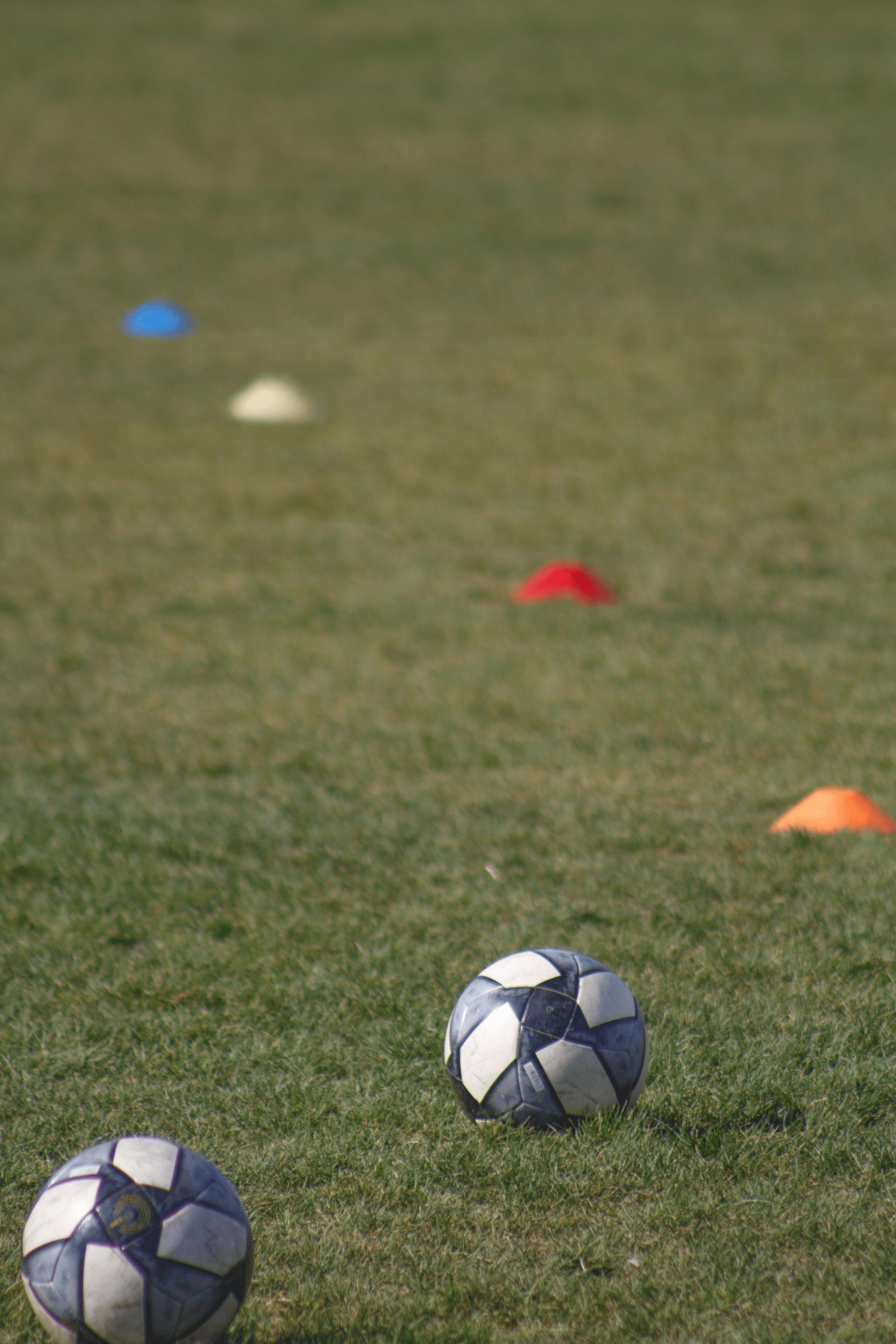
In the competitive world of sports, quality control plays a pivotal role in ensuring that every sports ball meets the highest standards. From RAW MATERIALS INSPECTION to FINAL INSPECTION, each step in the process guarantees durability, safety, and performance. Implementing thorough Sports Balls Inspection procedures not only maintains brand reputation but also builds trust with consumers who expect nothing but excellence on the field.
The Key Role of Quality Control in Sports Industry
Quality control is the backbone of the sports industry’s success, especially when it comes to Sports Balls Inspection. By meticulously checking RAW MATERIALS INSPECTION for rubber and leather quality, manufacturers prevent defects from entering production lines. During ASSEMBLY INSPECTION, any misaligned seams or stitching errors are caught early, reducing waste and ensuring consistent construction quality.
How Professional Inspection Ensures Consumer Satisfaction
Professional Sports Balls Inspection processes like VISUAL INSPECTION and WEIGHT AND MEASUREMENT INSPECTION directly impact consumer satisfaction by delivering products that perform reliably during play. Inflation/Deflation INSPECTION ensures optimal air pressure for peak performance while detecting leaks before they become issues on game day. Ultimately, FINAL INSPECTION acts as the final gatekeeper—certifying that each ball is safe, fair, and ready for market.
Trusted Methods for Reliable Sports Balls Inspection
Relying on trusted methods such as comprehensive Visual Inspection combined with precise Weight and Measurement Inspection provides a robust safety net for manufacturers. Incorporating Inflation/Deflation Inspection guarantees consistent air pressure stability across all units—crucial for game fairness and player safety. When these inspection techniques are executed thoroughly during each stage—from raw materials to final product—they ensure every sports ball meets industry standards and customer expectations.