
Introduction

Dye Penetrant Testing is a critical non-destructive method used across industries to detect surface-breaking flaws in materials. Its reliability hinges on proper application and thorough evaluation, making the Liquid Penetrant Test Report an essential document that captures all findings. When executed correctly, this process ensures quality assurance and helps prevent costly failures down the line.
Understanding the importance of Dye Penetrant Testing goes beyond just spotting cracks; it’s about maintaining safety standards and product integrity. The Application of Penetrant must be meticulous to allow penetrants to seep into even the tiniest flaws, while Precleaning of the Surface ensures that no contaminants interfere with detection accuracy. A well-prepared surface sets the stage for effective evaluation and interpretation of results.
The Evaluation / Interpretation phase is where skilled inspectors analyze the developed indications to identify true flaws versus false signals, making this step vital for accurate reporting. The creation of a comprehensive Liquid Penetrant Test Report documents these insights, serving as a record for quality assurance and future reference. Proper removal of the Excess Penetrant Liquid after development enhances flaw visibility, ensuring nothing escapes notice during inspection.
Preparatory Phase for Dye Penetrant Testing
Before diving into the actual application of dye penetrant, a thorough precleaning of the surface is essential. This step ensures that no dirt, oil, or corrosion remains that could mask flaws or interfere with the liquid penetrant test report accuracy. Proper precleaning not only enhances the evaluation and interpretation process but also guarantees that the results truly reflect the integrity of the material being tested.
Selecting the right penetrant application method is crucial for consistent coverage and reliable detection of surface flaws. Whether spraying, brushing, or dipping, each technique impacts how well the liquid penetrant infiltrates cracks or porosities. Using an appropriate method directly influences the quality of your liquid penetrant test report and simplifies subsequent steps like removal of excess penetrant liquid.
Ensuring surface compatibility and safety involves assessing whether the tested material can withstand cleaning agents and penetrants without damage or adverse reactions. Compatibility issues can compromise both safety and testing accuracy, leading to false evaluations or compromised results in your dye penetrant testing process. Additionally, adhering to safety protocols during preparation protects personnel while maintaining optimal conditions for evaluation / interpretation.
Applying the Penetrant Effectively
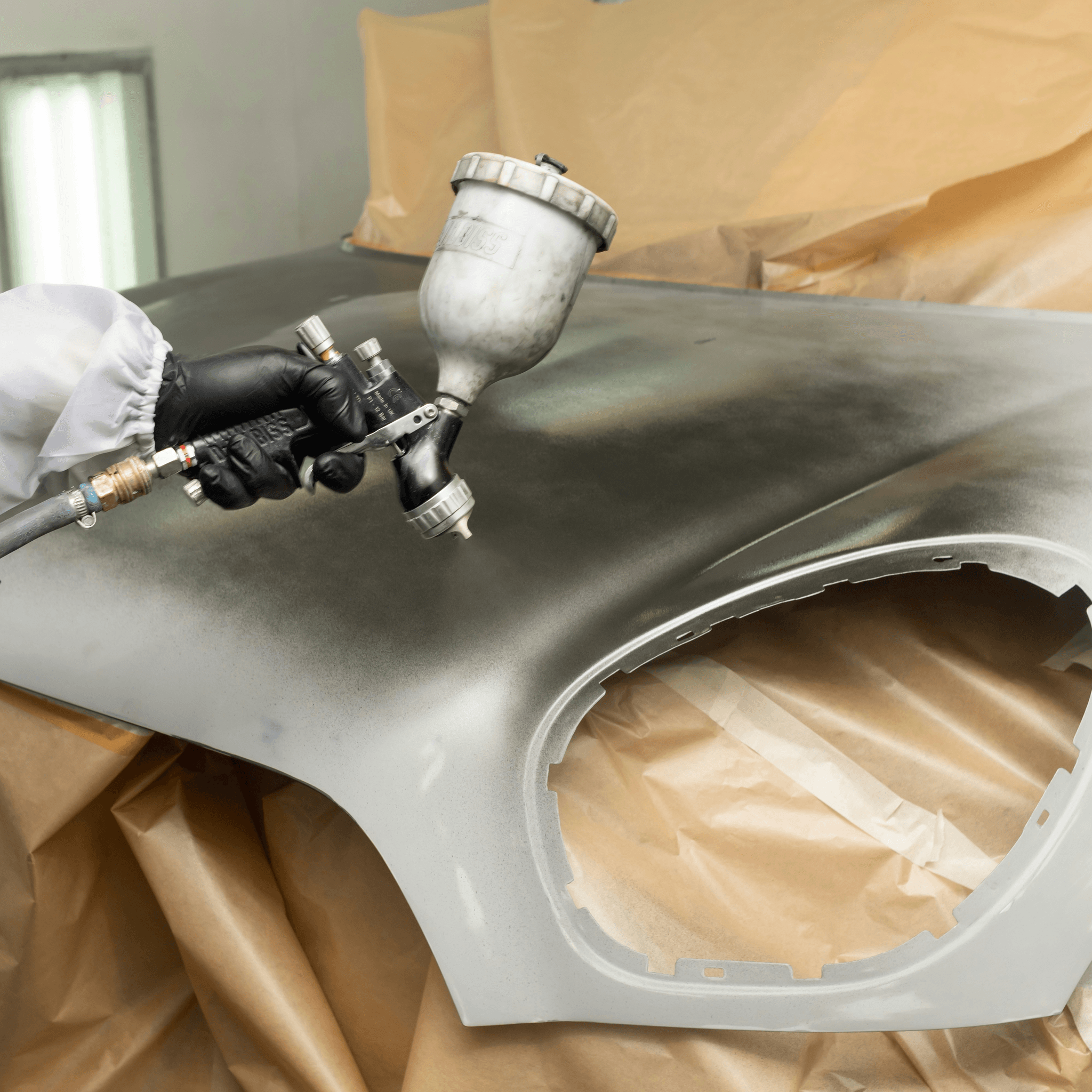
Applying the penetrant correctly is crucial in Dye Penetrant Testing to ensure accurate detection of flaws. Proper application techniques for consistent coverage help prevent missed defects and reduce false alarms, which can compromise the integrity of the Liquid Penetrant Test Report. When you master this step, evaluation and interpretation become much more straightforward, leading to more reliable inspection outcomes.
Proper Application Techniques for Consistent Coverage
Achieving uniform coverage during the application of penetrant is essential for effective Dye Penetrant Testing. Use smooth, even strokes or spray methods to ensure that every inch of the surface receives an adequate amount of penetrant liquid. This consistency directly impacts how well flaws are revealed during subsequent evaluation and interpretation phases, ultimately influencing the quality of your Liquid Penetrant Test Report.
Timing and Waiting Periods for Penetrant Penetration
Timing plays a pivotal role in dye penetrant testing; leaving the penetrant on too long or removing it prematurely can lead to inaccurate results. After applying the penetrant, allow sufficient waiting periods—usually between 10 to 30 minutes—so that it can seep into any surface-breaking flaws effectively. Proper timing ensures optimal penetration, which enhances flaw detectability and simplifies evaluation / interpretation steps.
Common Mistakes to Avoid During Application
One frequent mistake during application is over-application or uneven spreading of dye penetrant, which can cause false indications or obscure real flaws. Another pitfall is neglecting precleaning of the surface beforehand—a step that’s vital for ensuring that contaminants don’t interfere with dye penetration or removal processes. Avoid these errors to streamline removal of excess penetrant liquid afterward and produce clear, interpretable results in your Liquid Penetrant Test Report.
By paying attention to these details during application, you set a solid foundation for successful evaluation / interpretation and generate a comprehensive Liquid Penetrant Test Report that stands up to scrutiny.
Removal of the Excess Penetrant Liquid
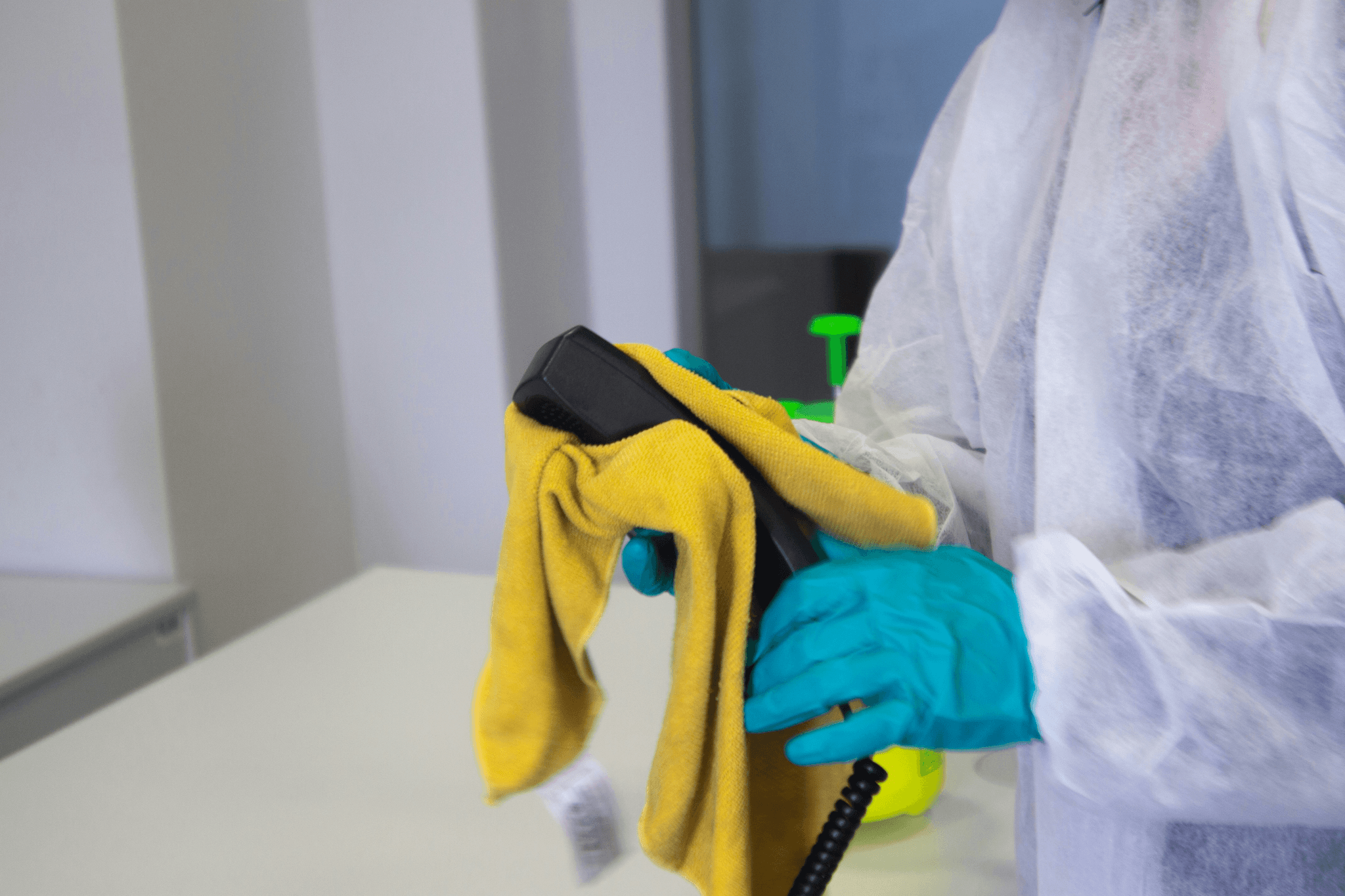
Once the penetrant has done its job, removing the excess liquid is a crucial step in Dye Penetrant Testing. Proper removal not only prevents false indications but also ensures that the subsequent evaluation and interpretation of the Liquid Penetrant Test Report are accurate and reliable. Skipping or rushing this step can obscure flaws or create misleading results, undermining confidence in your inspection process.
Best Practices for Removing Excess Penetrant
The key to effective removal of excess penetrant lies in gentle, thorough cleaning methods that eliminate residual dye without dislodging any indications of flaws. Using clean, lint-free wipes or soft brushes helps prevent smearing or spreading penetrant across surface imperfections. Remember, during the removal process, always consider how application of penetrant was performed; consistent procedures make cleanup easier and more reliable for evaluation and interpretation later on.
Tools and Materials Recommended by China Inspection Pro
China Inspection Pro emphasizes using specific tools such as foam swabs, lint-free cloths, or specialty cleaning solvents designed for dye penetrants to achieve optimal results. These materials are compatible with various surfaces tested in dye penetrant testing scenarios and help maintain surface integrity during removal. Employing recommended tools ensures that no residual penetrant remains that could compromise the accuracy of your evaluation or distort your Liquid Penetrant Test Report.
How Proper Removal Enhances Detectability
When excess penetrant is properly removed using appropriate tools and techniques, it enhances detectability by revealing true flaw indications without interference from residual dye. This clarity directly impacts how accurately you can interpret findings in your Liquid Penetrant Test Report—any leftover penetrant can mask or mimic flaws, leading to misjudgments during evaluation. Therefore, meticulous removal practices bolster confidence in inspection results and uphold quality standards.
Developing and Inspecting the Test Surface
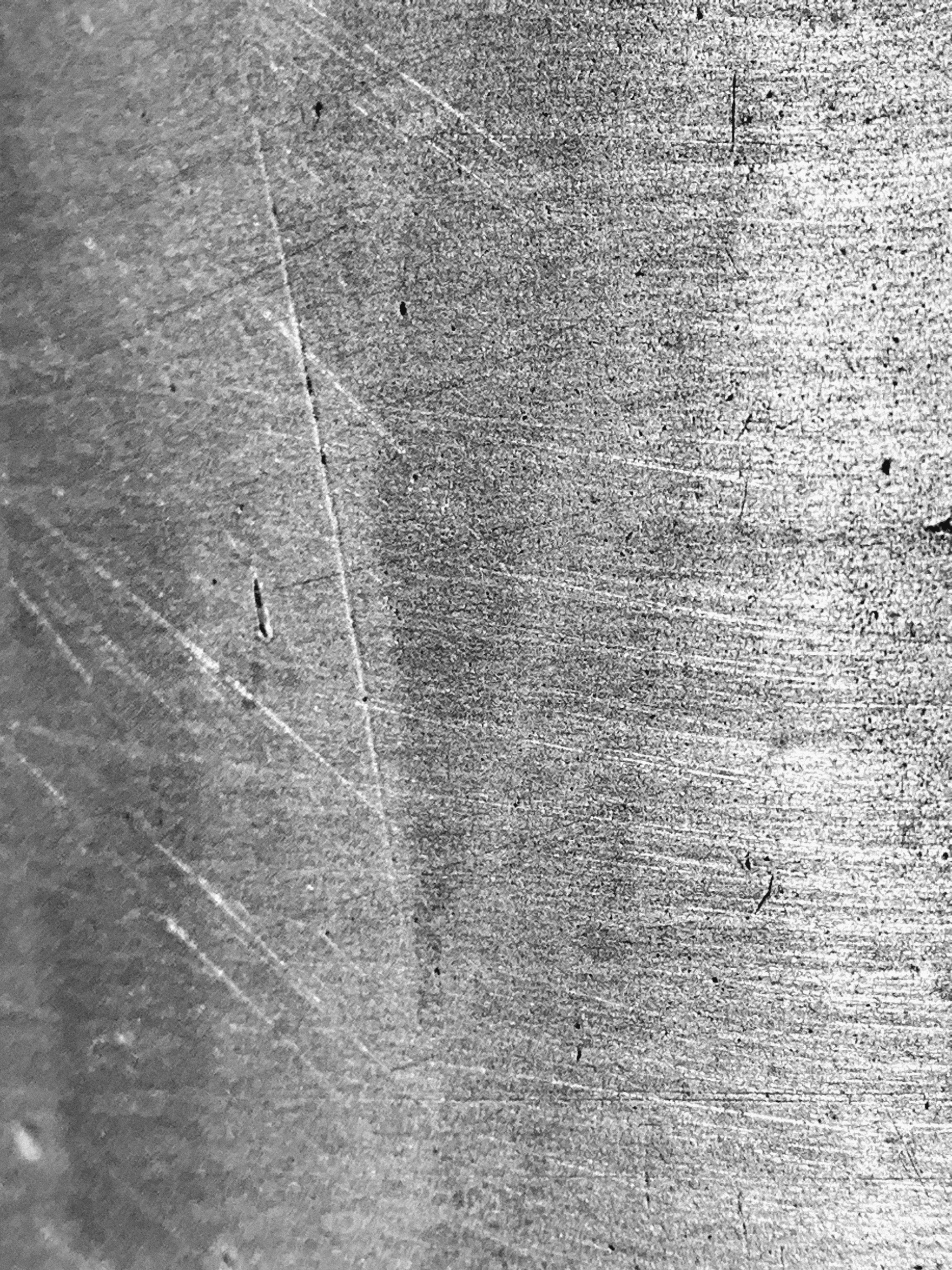
Once the application of penetrant is complete, developing the surface becomes a crucial step in Dye Penetrant Testing. The developer acts as a contrast agent, drawing out any penetrant trapped in surface flaws, making them visible for inspection. This process transforms subtle indications into clear, detectable flaws that can be thoroughly evaluated during the interpretation phase of your Liquid Penetrant Test Report.
Using Developers to Reveal Flaws Clearly
The application of developer is where the magic truly happens in Liquid Penetrant Test procedures. A proper developer creates a uniform background that enhances the visibility of flaws by causing penetrant trapped in cracks or porosities to bleed out onto the surface. When conducting evaluation and interpretation, inspectors rely heavily on this visual contrast to identify even tiny discontinuities, which underscores why selecting and applying the right developer is vital for accurate Dye Penetrant Testing results.
Conducting a Thorough Evaluation and Interpretation
After developing the surface, a meticulous evaluation process begins—interpreting indications based on size, shape, and location within your Liquid Penetrant Test Report. Inspectors scrutinize each flaw under suitable lighting conditions, considering factors like contrast and background uniformity established during development. Proper removal of excess penetrant liquid prior to development ensures clarity; otherwise, residual penetrant can obscure or mimic flaws, complicating accurate interpretation.
Documenting Findings in a Liquid Penetrant Test Report
Once flaws are identified through careful evaluation and interpretation, documenting findings becomes essential for quality assurance purposes. The report should detail each flaw’s size, location, and severity—information directly influenced by how effectively excess penetrant was removed during preparation stages like precleaning and application of penetrant liquid. Accurate documentation not only supports compliance but also guides repair strategies; hence, understanding how each step impacts your Liquid Penetrant Test Report is fundamental for maintaining high standards.
Post-Test Procedures and Quality Assurance

Final inspection and validation of results are crucial steps in Dye Penetrant Testing to ensure that all flaws have been accurately identified. Once the liquid penetrant test report is prepared, it’s essential to carefully evaluate the indications on the surface, confirming that they align with the expected defect criteria. This evaluation or interpretation phase helps verify whether any detected flaws meet acceptance standards or require further action.
Addressing detected flaws and repair strategies involves a systematic approach based on the findings from the liquid penetrant test report. When flaws are identified during evaluation, appropriate repair measures should be planned and documented, ensuring that subsequent inspections confirm their resolution. Proper removal of excess penetrant liquid before final assessment plays a vital role here, as residual penetrant can obscure or mimic defects, leading to false positives or negatives in your evaluation.
Maintaining records for future reference is a best practice that enhances quality assurance in Dye Penetrant Testing. The detailed documentation of each step—from precleaning of the surface to application of penetrant, removal of excess liquid, and interpretation—creates an audit trail that supports traceability and continuous improvement. Keeping comprehensive records also ensures consistency across multiple inspections and facilitates training for new personnel involved in quality assurance processes.
Conclusion

Dye Penetrant Testing is a critical technique that ensures the integrity and safety of materials by detecting surface flaws with precision. A well-prepared Liquid Penetrant Test Report not only documents findings but also provides confidence in the evaluation / interpretation process, making it invaluable for quality assurance. When properly executed, this testing method helps prevent costly failures and enhances overall product reliability, proving that attention to detail in each step—from precleaning of the surface to removal of the excess penetrant liquid—is worth its weight in gold.
The Value of Accurate Dye Penetrant Testing
Accurate Dye Penetrant Testing offers peace of mind by reliably revealing even tiny flaws that could compromise structural integrity. The quality of the Liquid Penetrant Test Report hinges on meticulous application of penetrant and precise evaluation / interpretation, ensuring no defect goes unnoticed. When professionals master the application of penetrant and carefully remove the excess liquid, they elevate the effectiveness of dye penetrant testing, leading to trustworthy results every time.
How Quality Inspection Ensures Reliable Outcomes
Quality inspection in dye penetrant testing guarantees that each stage— from precleaning of the surface to developing and inspecting—meets stringent standards. Proper removal of the excess penetrant liquid is crucial; it prevents false indications and clarifies flaw detection during evaluation / interpretation. A thorough review process combined with detailed documentation ensures that inspection outcomes are reliable, supporting sound decision-making for repairs or acceptance.
Leveraging Professional Services for Best Results
Partnering with experienced professionals in dye penetrant testing can significantly elevate your inspection game by ensuring correct application techniques and optimal removal practices. They bring expertise in evaluating / interpreting test results accurately while preparing comprehensive Liquid Penetrant Test Reports that stand up to scrutiny. Leveraging professional services means you benefit from advanced knowledge, consistent procedures, and ultimately, more dependable outcomes—making it a smart investment for any quality-conscious organization.