
Introduction
Ensuring the integrity of piping systems through a thorough Pressure Test of Piping System is vital for safety, efficiency, and longevity. Whether it’s a HYDROSTATIC TEST or a PNEUMATIC TEST, accurate results are crucial to identify potential leaks or weaknesses before the system goes into full operation. A well-executed pressure test not only safeguards personnel and equipment but also aligns with industry standards and best practices that emphasize precision and reliability.
Industry standards for Pressure Test of Piping System are well-established, guiding engineers and inspectors on how to perform tests correctly. These standards cover everything from selecting appropriate test pressures to documenting results properly, including obtaining the Signature of person in charge of testing to verify authenticity. Adhering to these best practices ensures that every pressure test meets regulatory compliance while minimizing risks associated with faulty testing procedures.
China Inspection Pro plays a pivotal role in ensuring quality and compliance during Pressure Test of Piping System projects. Their expertise guarantees that tests like HYDROSTATIC TEST or PNEUMATIC TEST are performed accurately, following all safety protocols and inspection methodologies. With their certification and detailed documentation—including the critical Signature of person in charge of testing—they help clients achieve certified, reliable results that stand up to scrutiny.
Fundamentals of Pressure Testing for Piping Systems
Understanding the core principles behind pressure testing is crucial to ensuring the integrity and safety of piping systems. Whether you're conducting a simple Pressure Test of Piping System or a more complex procedure, knowing the fundamentals helps prevent costly failures down the line. Both HYDROSTATIC TEST and PNEUMATIC TEST are essential tools in your testing arsenal, each with its unique advantages and risks.
A Pressure Test of Piping System serves as a vital checkpoint before commissioning, preventing leaks, bursts, and other failures that could jeopardize operations. The benefits extend beyond safety; they include verifying material quality, confirming joint integrity, and ensuring compliance with industry standards. Properly executed tests also facilitate documentation that features the signature of person in charge of testing, which is critical for audit trails and legal compliance.
When choosing between HYDROSTATIC TEST and PNEUMATIC TEST, understanding their key differences is paramount. A HYDROSTATIC TEST involves filling the piping system with water or another incompressible fluid to check for leaks under pressure—it's generally safer and more straightforward. Conversely, a PNEUMATIC TEST uses compressed air or gas, which can be riskier due to potential explosive hazards if a leak occurs; thus, it demands extra caution during execution.
Common components assessed during these pressure tests include welds, joints, flanges, valves, and pipe walls themselves. These components are scrutinized for any signs of deformation or leakage that could compromise system performance. Conducting an effective Pressure Test of Piping System on these elements ensures long-term reliability and helps gather data that should be signed off by the person in charge of testing to confirm accuracy.
Planning and Preparation for Pressure Testing
Getting ready for a Pressure Test of Piping System is like preparing for a big game—you need the right tools, clear plans, and safety gear to avoid any leaks or mishaps. Proper planning ensures that both HYDROSTATIC TEST and PNEUMATIC TEST are conducted smoothly, with minimal surprises. Skipping this step can turn your pressure testing into a costly ordeal, so it’s better to be thorough from the start.
Essential Documentation and Specifications
Before diving into the Pressure Test of Piping System, gather all essential documentation—this includes design drawings, material specifications, and previous inspection reports. These documents serve as your blueprint for what needs to be tested and how the test should be performed according to industry standards. Having clear specifications also helps in verifying that the correct test pressure levels are applied during both HYDROSTATIC TEST and PNEUMATIC TEST, ensuring compliance and accuracy.
Selecting Appropriate Test Pressure Levels
Choosing the right test pressure levels is critical; too high and you risk damaging components, too low and you might miss potential leaks or faults. For a Pressure Test of Piping System, industry standards typically recommend testing at 1.5 times the design pressure for hydrostatic tests or as specified in project documents. Remember that during a HYDROSTATIC TEST, water’s incompressibility makes it safer but still requires precise pressure control; whereas pneumatic tests involve compressed air or gas with higher risks if not properly managed.
Ensuring Safety Measures and Precautions Are in Place
Safety is paramount when conducting either HYDROSTATIC TEST or PNEUMATIC TEST—these procedures can become hazardous if not handled correctly. Make sure safety measures include proper signage, protective gear, emergency shut-off valves, and trained personnel signing off on each step of the process—especially the Signature of person in charge of testing—to validate procedures were followed correctly. Proper precautions prevent accidents caused by over-pressurization or equipment failure during pressure testing activities.
Conducting the Pressure Test of Piping System
Executing a Pressure Test of Piping System is a critical phase that demands precision and adherence to safety protocols. Whether you're performing a HYDROSTATIC TEST or PNEUMATIC TEST, the goal is to verify the integrity of the piping before it’s put into service. Proper execution ensures that leaks, weaknesses, or faults are identified early, saving time and costly repairs down the line.
Step-by-Step Procedure for Hydrostatic Test
The HYDROSTATIC TEST begins with thorough planning—ensuring all components are clean and properly supported. First, close all valves and fill the piping system with water, removing any air pockets by venting at high points. Once filled, gradually increase the pressure to the designated test level, which must be carefully monitored; this is where the importance of having the Signature of person in charge of testing becomes evident. Maintain this pressure for a specified duration to check for leaks or deformations, then slowly release it and document all results meticulously.
Procedure for Pneumatic Test and Its Risks
The PNEUMATIC TEST involves filling the piping system with air or inert gas instead of water, which makes it faster but also riskier due to compressibility hazards. Before starting, ensure all safety measures are in place—such as proper signage and protective gear—and double-check that all connections are secure; remember, an unintentional release can be dangerous. Increase pressure gradually to avoid sudden failures and monitor closely for any signs of leaks or abnormal vibrations; documenting these observations along with signatures from responsible personnel is vital for compliance and future reference.
Monitoring and Recording Test Data Accurately
During both HYDROSTATIC TEST and PNEUMATIC TEST, real-time monitoring is essential to catch any anomalies early on. Use calibrated gauges to record pressure levels at regular intervals—these records form an integral part of your Pressure Test of Piping System documentation. The Signature of person in charge of testing on each report not only authenticates these records but also reinforces accountability; precise data collection combined with proper sign-off ensures your test results stand up under scrutiny during inspections or audits.
Interpreting Test Results and Troubleshooting
Interpreting the results of a Pressure Test of Piping System is crucial to ensure the integrity and safety of the entire setup. Whether you're conducting a HYDROSTATIC TEST or PNEUMATIC TEST, understanding what constitutes an acceptable reading versus a faulty one can save time, money, and potential disasters down the line. The key lies in carefully analyzing pressure data, leak indicators, and deformation signs while keeping in mind that the Signature of person in charge of testing adds an official stamp of credibility to the results.
During a Pressure Test of Piping System, a sudden drop in pressure during a HYDROSTATIC TEST might indicate leaks or weak joints that need immediate attention. Conversely, stable pressure readings within specified limits typically signify that the piping system is sound and ready for operation. Recognizing these nuances becomes easier when you know what faulty readings look like—such as fluctuations during a PNEUMATIC TEST caused by improper sealing or transient pressure spikes—and how they differ from acceptable parameters established by industry standards.
Common causes of test failures often stem from inadequate preparation or overlooked details during testing procedures. Leaks from loose fittings, damaged gaskets, or cracks in pipes are frequent culprits that lead to failed Pressure Test of Piping System results. Troubleshooting involves pinpointing these issues through systematic inspection—sometimes requiring retrial after repairs—and always ensuring the Signature of person in charge of testing is updated on documentation to verify accountability and compliance with industry regulations.
Roles and Responsibilities in Pressure Testing
Effective pressure testing of piping systems hinges on clear roles and responsibilities, especially when it comes to the crucial step of signing off on test results. The person in charge of testing holds the key role in ensuring that the pressure test of piping system is conducted accurately, safely, and according to industry standards. Their signature on the test documentation not only verifies the integrity of the process but also serves as a mark of accountability for all involved.
Signature of Person in Charge of Testing and Its Significance
The signature of the person in charge during a pressure test—be it a HYDROSTATIC TEST or PNEUMATIC TEST—is more than just a formality; it’s a seal of approval that confirms all procedures were followed meticulously. This individual must have thorough knowledge of the pressure test protocols, including correct pressure levels and safety measures. Their signature signifies that the test results are reliable, valid, and compliant with industry standards, providing confidence to stakeholders and clients alike.
Documentation and Sign-off Protocols
Proper documentation is vital for maintaining an audit trail during any pressure test of piping system. Once the testing is complete—whether it was a HYDROSTATIC TEST or PNEUMATIC TEST—the responsible person must review all recorded data carefully before signing off. Sign-off protocols typically require detailed records including test pressures, duration, observations, and any anomalies encountered during testing. Ensuring these documents are signed by authorized personnel guarantees traceability and demonstrates adherence to industry regulations.
Ensuring Compliance With Industry Regulations
Keeping within industry regulations is non-negotiable when conducting pressure tests on piping systems. The person in charge must verify that all safety measures are implemented before starting either a HYDROSTATIC TEST or PNEUMATIC TEST to prevent accidents or failures. Their signature acts as an attestation that the pressure test has been performed under compliant conditions, safeguarding both personnel safety and legal accountability while upholding high-quality standards for every pipe installation.
Quality Assurance and Inspection by China Inspection Pro
China Inspection Pro stands out as a beacon of reliability in the realm of Pressure Test of Piping System. Their team employs rigorous quality assurance protocols to verify that each HYDROSTATIC TEST and PNEUMATIC TEST meets industry standards. By meticulously reviewing test procedures and results, they ensure that every pressure test is accurate, reducing the risk of unforeseen failures down the line.
Their advanced inspection methodologies incorporate cutting-edge technology to detect even the slightest anomalies during pressure testing. Whether it’s a HYDROSTATIC TEST or a PNEUMATIC TEST, China Inspection Pro uses non-destructive testing techniques that provide precise data without compromising the integrity of the piping system. This approach guarantees that all components are evaluated thoroughly, ensuring compliance with safety regulations.
Delivering actionable recommendations for quality improvement is at the core of China Inspection Pro’s service. After conducting a comprehensive Pressure Test of Piping System, they analyze test data and identify potential weaknesses or areas for enhancement. Their experts then provide clear guidance on corrective actions, whether it involves retesting or adjusting procedures, always emphasizing the importance of obtaining the signature of person in charge of testing to validate results.
Conclusion
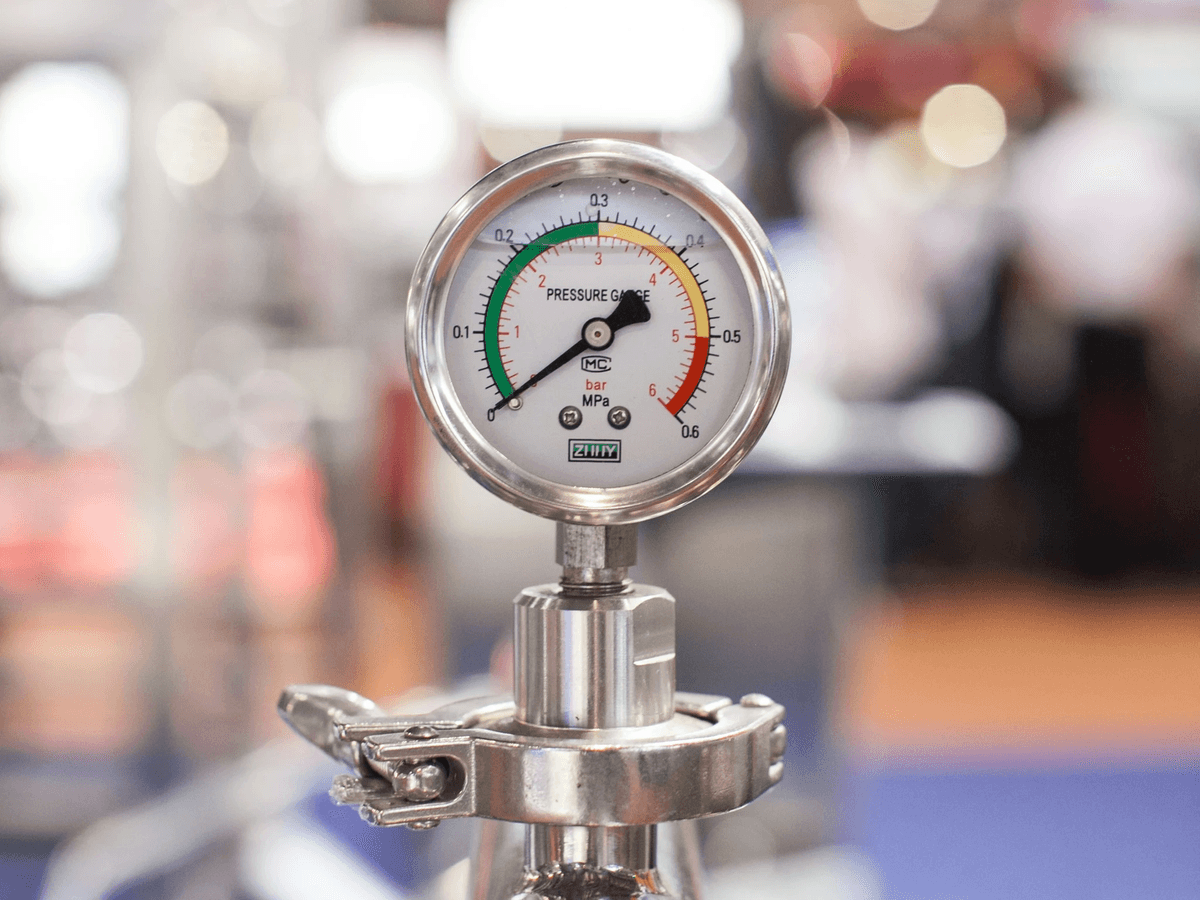
Ensuring the reliability of a Pressure Test of Piping System is paramount to prevent costly failures and ensure safety. Proper execution of tests like the HYDROSTATIC TEST and PNEUMATIC TEST guarantees that piping systems can withstand operational pressures without leaks or weaknesses. When these tests are performed meticulously, it provides peace of mind that the system is robust and compliant with industry standards.
Ensuring Reliability Through Proper Pressure Test of Piping System
A well-conducted Pressure Test of Piping System, whether via HYDROSTATIC TEST or PNEUMATIC TEST, is the backbone of quality assurance in piping integrity. These tests help identify potential vulnerabilities before they become major issues during operation. The key to success lies in following strict procedures and ensuring accurate monitoring throughout the process.
The Critical Role of Certified Signatures in Test Documentation
The Signature of person in charge of testing on pressure test documentation isn’t just a formality—it’s a vital stamp of credibility that confirms the test was executed correctly. This signature signifies accountability and assures stakeholders that proper protocols were followed during the Pressure Test of Piping System. Without this critical validation, even the most thorough tests can lose their weight in regulatory or safety inspections.
Partnering with China Inspection Pro for Certified and Accurate Testing
Partnering with China Inspection Pro elevates your Pressure Test of Piping System to new levels of precision and trustworthiness through certified inspection methodologies. Their expertise ensures every HYDROSTATIC TEST and PNEUMATIC TEST adheres to industry standards, providing actionable insights for continuous improvement. With their support, you gain confidence knowing your piping systems are tested accurately by professionals who prioritize quality and compliance.