
Introduction
In today’s fast-paced and competitive landscape, ensuring quality through third-party inspection has become a cornerstone of successful project management. Organizations are increasingly recognizing the myriad benefits of utilizing inspection services to enhance their operations, from commercial inspections to special inspections tailored for unique needs. By embracing these services, businesses can drive excellence and maintain high standards throughout their projects.
Understanding Third-Party Inspection Benefits
Third-party inspection offers an unbiased perspective on quality assurance that internal teams may overlook. The benefits extend beyond mere compliance; they include improved reliability and enhanced performance metrics that can significantly impact project outcomes. With a well-structured inspection schedule in place, companies can identify potential issues early, saving time and resources while boosting stakeholder confidence.
The Role of Quality in Project Success
Quality is not just a buzzword; it’s the lifeblood of any successful project. When organizations prioritize quality through rigorous third-party inspections, they create a solid foundation for achieving project goals and meeting client expectations. This commitment to excellence fosters trust among stakeholders and enhances the overall reputation of the business in its respective industry.
How Inspection Services Drive Excellence
Inspection services play a pivotal role in driving operational excellence by ensuring compliance with industry standards and regulations. From meticulous commercial inspections that assess large-scale projects to specialized inspections addressing unique challenges, these services provide critical insights into processes and materials used. Ultimately, integrating third-party inspection into your workflow not only elevates quality but also positions your organization as a leader in delivering superior results.
The Basics of Third-Party Inspection
Understanding the fundamentals of third-party inspection is crucial for anyone involved in project management or quality assurance. This section delves into what third-party inspection means, who the key players are in this field, and the various types of inspections available. By grasping these basics, stakeholders can better appreciate how inspection services contribute to successful outcomes.
Defining Third-Party Inspection
Third-party inspection refers to an independent evaluation conducted by a qualified entity that is not directly involved in the project or service being inspected. This impartiality ensures that the findings are reliable and objective, enhancing trust among all parties involved. Essentially, third-party inspections serve as a safety net, providing an extra layer of scrutiny and assurance that standards are met.
In many industries, particularly construction and manufacturing, third-party inspection has become a standard practice to ensure quality control. These inspections help identify potential issues early on, preventing costly mistakes down the line. By engaging professionals for service inspection, companies can bolster their reputation and safeguard their investments.
Key Players in Inspection Services
The realm of inspection services is populated by various key players who each play a vital role in ensuring quality standards are upheld. Typically, these include independent inspectors or firms specializing in specific types of inspections such as commercial inspections or special inspections tailored to unique projects or requirements. Their expertise allows them to navigate complex regulations while providing valuable insights into potential risks.
Clients seeking third-party inspection services often engage with these professionals based on their certifications and track records of reliability and accuracy. Additionally, regulatory bodies may also have a hand in defining which inspectors are qualified to carry out certain types of evaluations. Overall, collaboration among these key players fosters a culture of accountability within industries reliant on rigorous quality standards.
Types of Inspections: Commercial and Special
When it comes to third-party inspection services, two primary categories emerge: commercial inspections and special inspections. Commercial inspections typically focus on general compliance with industry standards across various sectors such as construction, manufacturing, or logistics—ensuring that all aspects meet predetermined criteria for safety and performance.
On the other hand, special inspections address unique requirements that might arise due to specific materials or processes involved in a project—think structural steel welding or concrete testing during construction phases. These specialized assessments often require deeper expertise and more stringent oversight than routine commercial inspections because they deal with critical components that could affect overall safety.
Both types emphasize the importance of having an organized inspection schedule to ensure timely evaluations occur throughout different project phases. By understanding these distinctions between commercial and special inspections, stakeholders can make informed decisions about which services best align with their project's needs while maximizing quality assurance efforts through effective use of third-party resources.
Building Trust Through Third-Party Inspection
In today’s competitive landscape, trust is a currency that can make or break a project. Third-party inspection services play a pivotal role in establishing this trust, providing an unbiased view of quality assurance that stakeholders can rely on. By ensuring transparency and accountability, these inspections not only enhance project credibility but also foster long-term relationships among all parties involved.
Transparency in Quality Assurance
Transparency is the cornerstone of effective third-party inspection services. When clients know that inspections are conducted independently and without bias, they feel more secure in the quality of the work being done—be it commercial inspections or special inspections. This openness allows for clear communication about potential issues, leading to timely resolutions and ultimately reinforcing trust between contractors, clients, and inspectors.
Moreover, transparency in the inspection schedule can significantly reduce misunderstandings about project timelines and deliverables. Clients appreciate being kept in the loop regarding inspection findings and corrective actions needed to meet standards. This proactive approach not only mitigates risks but also demonstrates a commitment to maintaining high-quality benchmarks throughout the project's lifecycle.
Enhancing Accountability and Credibility
Third-party inspection services inherently enhance accountability within projects by serving as an external check on quality assurance processes. When professionals conduct service inspections, they hold all parties accountable for adhering to established guidelines and standards. This level of scrutiny ensures that everyone—from contractors to suppliers—takes ownership of their roles in delivering high-quality outcomes.
Additionally, credible third-party inspectors bring specialized knowledge that elevates industry standards overall. Their expertise adds a layer of confidence for clients who may be wary about compliance with regulations or quality expectations in commercial settings or during special inspections. As a result, businesses can position themselves as leaders committed to excellence by leveraging these reputable services.
Real-World Trust Building Examples
Consider a construction firm engaged in developing a large commercial property; they opted for third-party inspection services throughout various phases of construction to ensure adherence to safety protocols and building codes. The firm’s decision not only caught minor issues before they escalated into costly problems but also showcased their dedication to quality assurance—a move that significantly boosted their reputation among investors and clients alike.
Another example involves an engineering company specializing in unique structural designs requiring specialized inspections during fabrication stages. By employing third-party inspectors who provided detailed reports on each phase of production, they were able to build trust with stakeholders by demonstrating rigorous adherence to both safety standards and innovative design principles.
These real-world examples illustrate how investing in thorough inspection services fosters an environment where trust thrives—ultimately leading businesses toward greater success through enhanced relationships built on accountability and transparency.
Cost-Effectiveness of Hiring Professionals
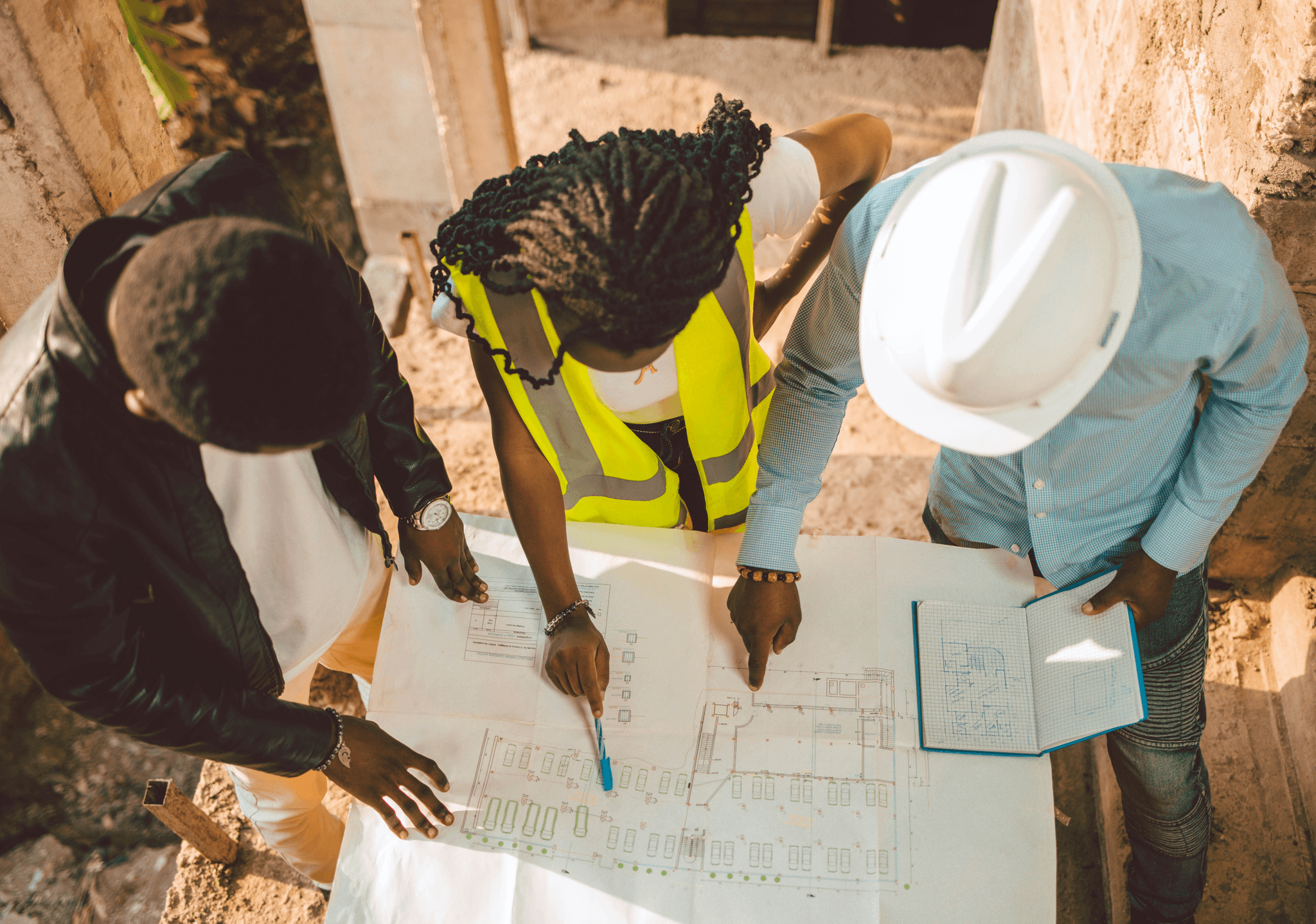
When it comes to managing projects, the financial implications of oversight can be staggering. Third-party inspections serve as a safety net, catching potential issues before they spiral into costly mistakes. By utilizing inspection services, businesses can ensure that every aspect meets quality standards, ultimately saving money and resources in the long run.
Avoiding Costly Mistakes with Inspections
The primary advantage of third-party inspection lies in its ability to identify flaws early in the process. Without these critical service inspections, even minor oversights can lead to significant financial repercussions down the road. Commercial inspections and special inspections help catch everything from structural deficiencies to compliance issues, reducing the risk of expensive reworks or project delays.
Long-Term Financial Benefits of Quality Assurance
Investing in quality assurance through third-party inspections is not just about immediate savings; it’s about cultivating a sustainable financial future. Consistent adherence to quality standards leads to fewer defects and higher customer satisfaction rates, which translates into repeat business and referrals. Ultimately, companies that prioritize inspection schedules reap long-term financial benefits by minimizing waste and maximizing efficiency across their operations.
Case Studies on Savings from Third-Party Inspections
Let’s look at some real-world examples where third-party inspections made a noticeable impact on project costs. In one case study involving a large commercial construction project, integrating thorough service inspection protocols saved the company over 15% on potential rework expenses due to early detection of code violations. Another example highlighted how a manufacturing firm reduced its defect rate by 30% after implementing routine special inspections, showcasing that proactive measures lead to significant savings over time.
Navigating Regulatory Requirements
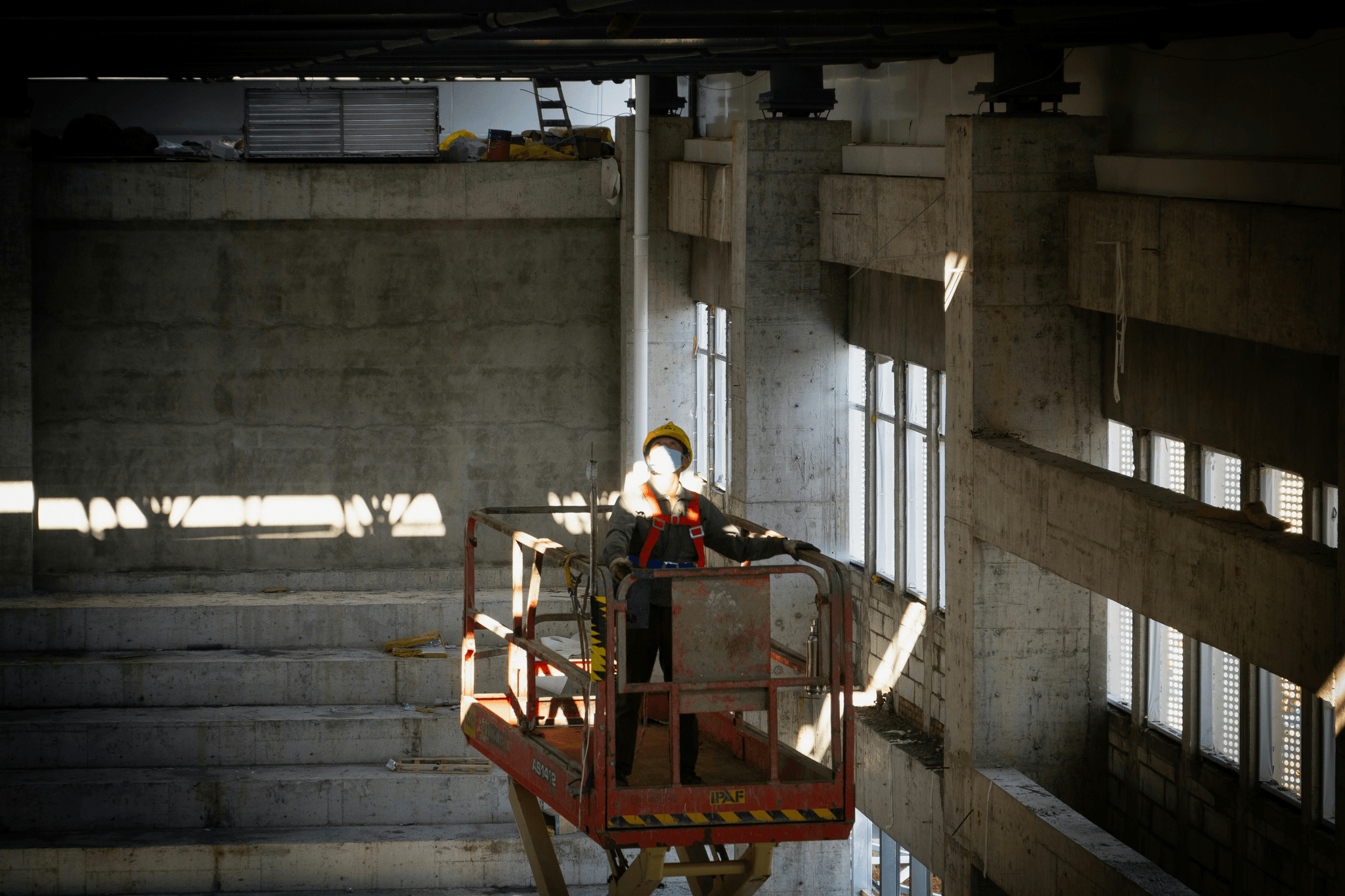
In a world where regulations are as common as coffee breaks, navigating the labyrinth of compliance can feel daunting. However, ensuring adherence to these regulations through third-party inspection is not just a box-ticking exercise; it’s a crucial step toward project success and quality assurance. Inspection services play an essential role in maintaining standards that protect both businesses and consumers alike.
Importance of Compliance in Inspections
Compliance in inspections is vital because it ensures that all aspects of a project meet established standards and legal requirements. When projects adhere to these guidelines, they minimize risks associated with safety, environmental impacts, and financial penalties. Failing to comply can lead to costly setbacks or even project shutdowns; hence, understanding the importance of service inspection cannot be overstated.
Moreover, compliance fosters trust among stakeholders, including clients, employees, and regulatory bodies. It signals that a company prioritizes quality and safety over shortcuts or corner-cutting measures. Ultimately, embracing compliance through third-party inspections enhances the overall reputation of businesses in competitive markets.
How Third-Party Inspections Ensure Adherence
Third-party inspections serve as an independent check on compliance with industry standards and regulations. By employing external inspection services, organizations benefit from unbiased evaluations that can pinpoint areas needing improvement before they escalate into significant issues. This proactive approach helps ensure that commercial inspections are thorough and effective.
Additionally, third-party inspectors bring specialized expertise and knowledge about current regulations that internal teams might overlook due to familiarity bias. They provide an objective perspective on whether service inspection protocols are being followed correctly throughout the project lifecycle. With their guidance, companies can confidently navigate the complex regulatory landscape while enhancing their overall quality assurance processes.
Insights on Global Standards and Regulations
Understanding global standards is essential for companies operating across borders or engaging in international projects. Different countries may have varying requirements for commercial inspections; thus staying informed about these differences is crucial for seamless operations worldwide. Third-party inspection services often have experience with multiple regulatory frameworks, allowing them to guide organizations effectively through this minefield.
Moreover, adopting global best practices not only ensures compliance but also elevates a company’s reputation on an international scale. Companies known for adhering to stringent standards attract more clients who prioritize quality assurance in their projects—an undeniable competitive edge! As industries evolve and regulations tighten further worldwide, leveraging third-party inspections will become increasingly critical for sustained success.
Developing an Effective Inspection Schedule
Creating a robust inspection schedule is crucial for maximizing the benefits of third-party inspection services. A well-planned schedule ensures that inspections are conducted at appropriate stages, preventing costly delays and ensuring compliance with regulations. By prioritizing timely inspections, projects can maintain momentum and uphold quality standards throughout their lifecycle.
Planning for Timely Inspections
Timely inspections are the backbone of any successful project, particularly in commercial inspections where delays can lead to significant financial repercussions. When developing an inspection schedule, it’s essential to identify key milestones and allocate time for third-party inspection services accordingly. This proactive approach not only keeps the project on track but also allows for adjustments if issues arise during special inspections.
Incorporating buffer periods into the inspection schedule is another effective strategy to accommodate unexpected findings or necessary rework. This foresight helps teams adapt without derailing overall project timelines, ensuring that quality remains uncompromised. Ultimately, planning for timely inspections translates to smoother operations and enhanced stakeholder confidence in the project's success.
Integrating Inspection Services into Project Workflow
To maximize the benefits of third-party inspection services, it's vital to seamlessly integrate these processes into existing project workflows. This integration fosters collaboration between teams and ensures that everyone understands their roles in supporting quality assurance through service inspection activities. By aligning communication channels among all stakeholders—project managers, contractors, and inspectors—projects can achieve greater transparency and efficiency.
Utilizing digital tools such as project management software can facilitate this integration by providing real-time updates on inspection schedules and results from commercial inspections or special inspections alike. These platforms enable team members to access critical information quickly, minimizing misunderstandings and enhancing accountability throughout the process. When everyone is on the same page regarding inspection timelines and expectations, projects are more likely to meet their quality benchmarks.
Best Practices for a Successful Inspection Schedule
Establishing best practices when creating an inspection schedule can significantly enhance its effectiveness in driving quality outcomes through third-party inspections. One key practice is conducting regular reviews of the schedule to ensure it remains aligned with evolving project needs or regulatory changes affecting service inspection requirements. Flexibility within the schedule allows teams to adapt swiftly without compromising on quality or compliance.
Another best practice involves documenting lessons learned from previous inspections—both successes and challenges—to refine future scheduling efforts continually. Collecting feedback from all parties involved in commercial inspections or special inspections provides invaluable insights that can be used to improve processes over time. By fostering a culture of continuous improvement around your inspection schedule, you position your team—and your projects—for ongoing success.
Conclusion
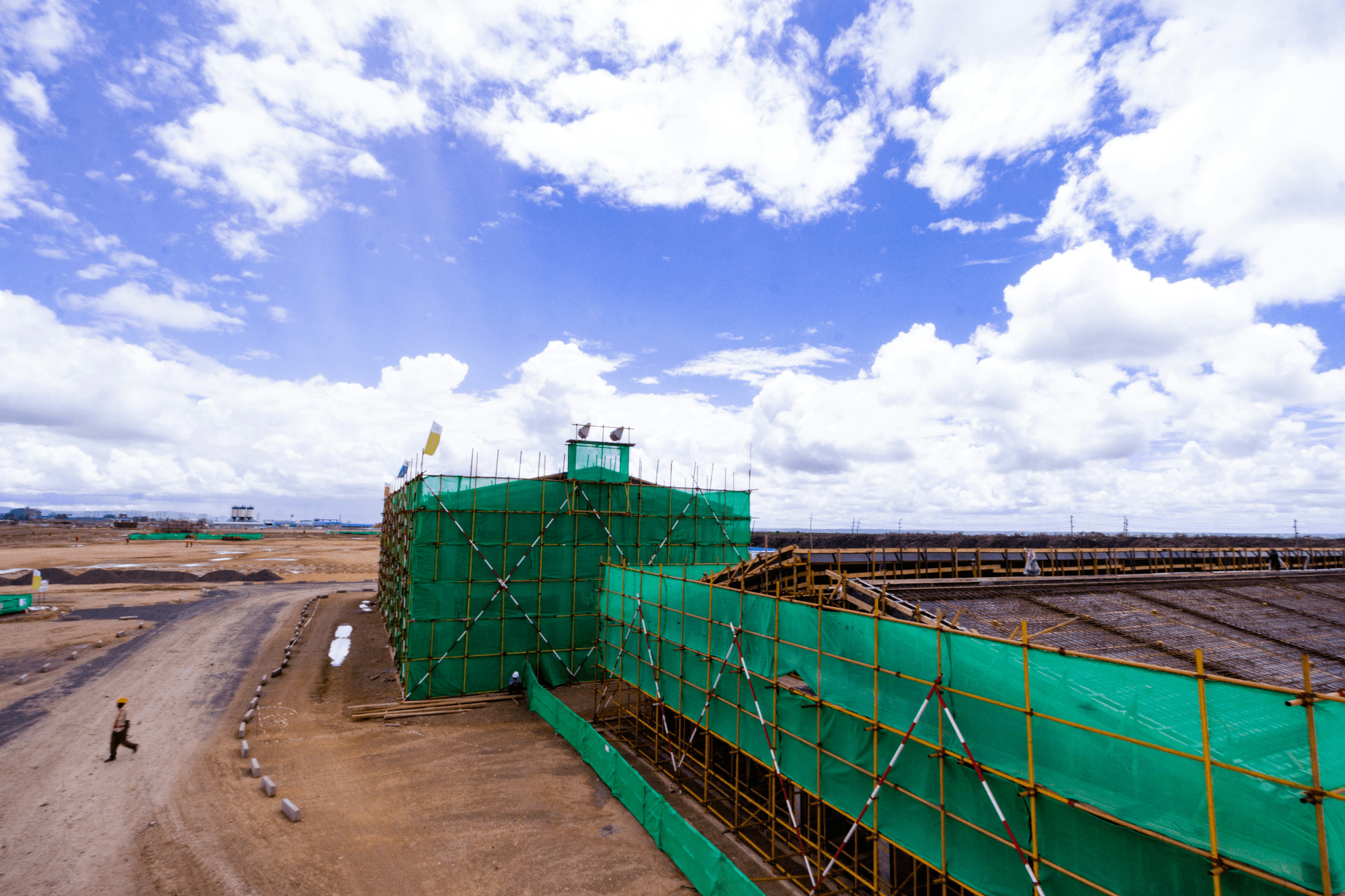
In the world of construction and manufacturing, elevating standards through third-party inspection is no longer just an option; it's a necessity. By engaging professional inspection services, companies can ensure that their projects meet the highest quality benchmarks while minimizing risks. This proactive approach not only enhances product reliability but also instills confidence among stakeholders and clients alike.
Elevating Standards with Third-Party Inspection
Third-party inspection plays a crucial role in raising industry standards by providing an impartial assessment of processes and products. These independent service inspections help identify potential issues before they escalate into costly problems, ensuring that commercial inspections are thorough and effective. With rigorous evaluations in place, businesses can elevate their operational excellence and foster a culture of continuous improvement.
The Competitive Edge of Quality Assurance
In today's fiercely competitive market, quality assurance through third-party inspection offers organizations a significant edge over their rivals. Companies that prioritize inspection services often enjoy enhanced credibility and trust from clients, which can lead to increased business opportunities and customer loyalty. By investing in special inspections tailored to specific project needs, businesses position themselves as leaders committed to delivering superior quality.
Future Trends in Inspection Services
Looking ahead, the landscape of third-party inspection services is poised for transformation driven by technological advancements and evolving industry demands. Innovations such as automated inspections using drones or AI-driven analytics are set to revolutionize how service inspections are conducted, making them faster and more efficient than ever before. As regulatory requirements continue to tighten globally, staying ahead with an adaptive inspection schedule will be crucial for maintaining compliance and ensuring project success.