
Introduction
In the world of machinery, the gearbox is a critical component that ensures efficient power transmission and operational reliability. Regular Gearbox Inspection is essential not only for maintaining performance but also for preventing unexpected failures that can lead to costly downtime. Understanding the importance of various inspection types—including visual, functional, and acoustical inspections—can significantly enhance the longevity and efficiency of gearboxes.
Importance of Gearbox Inspection
Gearbox Inspection plays a pivotal role in identifying potential issues before they escalate into major problems. By conducting routine inspections, operators can detect wear and tear, misalignments, or lubrication deficiencies that may compromise performance. Additionally, timely inspections help in extending the lifespan of gearboxes and ensuring optimal operational efficiency across various applications.
Types of Gearbox Inspections
There are three primary types of Gearbox Inspections: visual inspection, functional inspection, and acoustical inspection. Visual inspection focuses on identifying surface damage and leaks while assessing the overall condition of the gearbox components. Functional inspection evaluates operational performance under load conditions, while acoustical inspection employs sound analysis techniques to detect abnormal noise patterns indicative of underlying issues.
Standards and Guidelines
Adhering to established standards such as IEC 61400-4 and AGMA 6006-A03 is crucial for effective Gearbox Inspection practices. These guidelines provide frameworks for conducting thorough inspections while ensuring compliance with industry best practices. By following these standards, companies can enhance their quality assurance processes and maintain high levels of reliability in their gearbox systems.
Understanding Gearbox Inspection

When we talk about Gearbox Inspection, we’re diving into a crucial aspect of machinery maintenance that ensures everything runs smoothly. Gearboxes are vital components in various mechanical systems, and their proper functioning is essential for operational efficiency. Regular inspections help identify potential issues before they escalate into costly repairs or downtime.
What is Gearbox Inspection?
Gearbox Inspection refers to the systematic evaluation of gearboxes to assess their condition and performance. This process can include various methods such as visual inspection, functional inspection, and acoustical inspection, each offering unique insights into the gearbox’s health. By employing these different techniques, technicians can pinpoint specific problems and ensure compliance with standards like IEC 61400-4 and AGMA 6006-A03.
Benefits of Regular Inspections
The benefits of regular gearbox inspections are numerous and significant. First off, they help extend the lifespan of the gearbox by catching wear and tear early on, which ultimately saves money in the long run. Additionally, consistent inspections improve operational reliability; a well-maintained gearbox contributes to smoother operations and reduces unexpected breakdowns.
Regular inspections also enhance safety by identifying potentially hazardous conditions that could lead to catastrophic failures or accidents. Moreover, adhering to guidelines like IEC 61400-4 not only keeps you compliant but also boosts your reputation for quality assurance in your industry. Lastly, professional inspections provide peace of mind knowing that experts are monitoring critical components like gearboxes effectively.
Key Components to Inspect
When conducting a Gearbox Inspection, several key components should be prioritized for evaluation to ensure optimal performance. The gears themselves are critical; checking for wear patterns or damage can reveal underlying issues that may affect functionality. Additionally, inspecting bearings is essential since they support the rotating shafts within the gearbox; any signs of degradation here could signal impending failure.
Seals and gaskets must also be examined during inspections because leaks can lead to lubrication loss and subsequent overheating—a recipe for disaster! Furthermore, monitoring lubrication levels and quality is vital; improper lubrication can significantly reduce efficiency and increase wear on internal parts. Finally, incorporating standards like AGMA 6006-A03 into your inspection processes ensures you're covering all necessary bases for a thorough evaluation.
Visual Inspection

Visual inspection serves as the first line of defense in gearbox inspection, providing a quick yet effective way to identify potential issues. This method is crucial for spotting surface damage, leaks, and corrosion that could lead to more significant problems down the line. By conducting thorough visual inspections regularly, operators can ensure that their gearboxes remain in optimal condition and compliant with standards like IEC 61400-4 and AGMA 6006-A03.
Identifying Surface Damage
Surface damage can manifest in various forms, such as scratches, dents, or even more severe wear patterns on the gearbox casing. During a visual inspection, it's essential to closely examine these surfaces for any signs of distress that may indicate underlying mechanical issues. Early detection of surface damage allows for timely maintenance interventions and minimizes the risk of catastrophic failures.
Checking for Leaks and Corrosion
Leaks and corrosion are two critical concerns during a visual inspection of gearboxes that can lead to operational inefficiencies or complete breakdowns. Inspectors should look for oil leaks around seals and joints as well as signs of rust or pitting on metal surfaces caused by moisture exposure. Addressing these issues promptly not only extends the lifespan of the gearbox but also aligns with best practices outlined in AGMA 6006-A03.
Evaluating Overall Condition
The overall condition of a gearbox is assessed through a combination of visual indicators gathered during inspections. This includes checking alignment, ensuring all components are securely fastened, and looking for any abnormal wear patterns that could affect functional performance later on. A comprehensive evaluation helps identify whether further functional or acoustical inspections are necessary to maintain compliance with IEC 61400-4 standards.
Functional Inspection
Functional inspection is a critical aspect of gearbox inspection that ensures the gearbox operates efficiently under its intended conditions. This type of inspection goes beyond the surface, delving into how well the gearbox performs during operation. By conducting functional inspections, technicians can identify potential issues before they escalate into costly failures.
Assessing Operational Performance
Assessing operational performance during a functional inspection involves monitoring how the gearbox behaves when in use. Key indicators such as speed, torque, and load are scrutinized to ensure they align with manufacturer specifications and operational standards like IEC 61400-4. This meticulous evaluation helps in pinpointing inefficiencies that could lead to premature wear or failure.
Regular assessments of operational performance not only enhance reliability but also extend the lifespan of gearboxes by ensuring they operate within optimal parameters. If discrepancies are found, adjustments can be made promptly to prevent further complications. Ultimately, this proactive approach is essential for maintaining high standards in gearbox inspection.
Testing Gearbox Load Capacity
Testing the load capacity of a gearbox is another vital component of functional inspections that cannot be overlooked. This process involves applying loads to the gearbox in controlled conditions to evaluate its ability to handle expected operational stresses without failure. Adhering to guidelines set forth by AGMA 6006-A03 ensures that these tests are performed systematically and safely.
Understanding a gearbox's load capacity is crucial for both performance optimization and safety compliance; exceeding these limits can result in catastrophic failures. During this testing phase, technicians look for signs of distress or unusual behavior that might indicate underlying problems within the system. A thorough examination here can save time and resources down the line by preventing unexpected breakdowns.
Monitoring Temperature and Vibration
Monitoring temperature and vibration levels during functional inspections provides invaluable insights into a gearbox's health status over time. Elevated temperatures often signal excessive friction or inadequate lubrication, while unusual vibration patterns can indicate misalignment or wear on internal components—issues that must be addressed swiftly for effective gearbox inspection outcomes.
By regularly tracking these parameters, maintenance teams can establish baseline readings and quickly identify deviations from normal operating conditions, allowing for timely interventions before minor issues escalate into major problems. This practice not only aligns with industry standards but also enhances overall system reliability and efficiency in line with IEC 61400-4 requirements.
Acoustical Inspection
When it comes to Gearbox Inspection, acoustical inspection is a vital component that often gets overlooked. This method leverages sound analysis techniques to assess the health of gearboxes, ensuring they operate smoothly and efficiently. By identifying potential issues early through sound, we can prevent costly failures down the line.
Utilizing Sound Analysis Techniques
Sound analysis techniques are essential tools in the world of Gearbox Inspection. These methods involve using specialized equipment to capture and analyze sound waves produced by the gearbox during operation. By examining frequency patterns and amplitudes, technicians can pinpoint irregularities that might indicate underlying problems before they escalate into major failures.
Regularly employing these sound analysis techniques not only enhances the accuracy of inspections but also complements visual inspection and functional inspection methods. This holistic approach ensures that all aspects of gearbox functionality are considered, leading to more comprehensive assessments. The integration of acoustical monitoring into regular maintenance routines aligns with standards like IEC 61400-4 and AGMA 6006-A03, ensuring compliance and reliability.
Detecting Abnormal Noise Patterns
Detecting abnormal noise patterns is crucial for effective Gearbox Inspection as it often serves as an early warning sign of mechanical issues. Unusual sounds such as grinding, whining, or rattling can indicate misalignment, wear on gears, or lubrication problems that require immediate attention. By systematically monitoring these noise patterns over time, maintenance teams can develop a baseline for normal operational sounds.
When deviations from this baseline occur, they signal potential problems that may need further investigation through visual inspection or functional inspection methods. The ability to correlate specific noises with particular mechanical failures significantly enhances diagnostic capabilities in gearbox maintenance practices adhering to AGMA 6006-A03 recommendations. Ultimately, this proactive approach minimizes downtime and prolongs gearbox life.
Importance of Acoustical Monitoring
Acoustical monitoring plays a critical role in maintaining the integrity of gearboxes within various applications including wind turbines as outlined by IEC 61400-4 standards. Regular acoustical inspections provide invaluable data that helps track performance trends over time while identifying emerging issues before they lead to catastrophic failures. This ongoing vigilance is essential for ensuring operational efficiency and safety across industries reliant on robust gearbox performance.
Moreover, incorporating acoustical monitoring into routine Gearbox Inspection routines fosters a culture of preventive maintenance rather than reactive repairs. This shift not only saves costs but also enhances overall productivity by reducing unexpected outages associated with gearbox malfunctions. In conjunction with other inspection types—visual inspection and functional inspection—acoustical monitoring forms a comprehensive strategy for maintaining high-performance standards in machinery operations.
Adhering to IEC 61400-4 Standards
In the realm of wind energy, adhering to the IEC 61400-4 standards is paramount for ensuring the reliability and efficiency of gearbox inspection processes. These guidelines provide a framework for assessing the performance and safety of wind turbine gearboxes, which are critical components in converting wind energy into electricity. By following these standards, operators can enhance their maintenance strategies and extend equipment lifespan.
Overview of IEC 61400-4
IEC 61400-4 is a standard developed by the International Electrotechnical Commission that focuses on the design and testing requirements specifically for wind turbine gearboxes. This standard encompasses various aspects, including mechanical integrity, operational performance, and maintenance practices essential for gearbox inspection. It aims to ensure that gearboxes can withstand environmental stresses while maintaining optimal functionality throughout their operational life.
Implications for Wind Turbine Gearboxes
The implications of adhering to IEC 61400-4 are significant for wind turbine gearboxes as they directly influence operational reliability and safety. Regular gearbox inspections aligned with these standards help identify potential failures before they escalate into costly repairs or catastrophic breakdowns. Furthermore, compliance with IEC 61400-4 not only enhances performance but also ensures that gearboxes meet industry benchmarks, fostering trust among stakeholders.
Compliance Best Practices
To effectively comply with IEC 61400-4 standards during gearbox inspection, it’s crucial to implement best practices that encompass visual inspection, functional inspection, and acoustical inspection techniques. Regular training sessions should be conducted for personnel involved in inspections to ensure they are well-versed in current standards and methodologies. Additionally, maintaining thorough documentation of all inspections performed will aid in tracking compliance efforts and improving future maintenance strategies.
AGMA 6006-A03 Recommendations
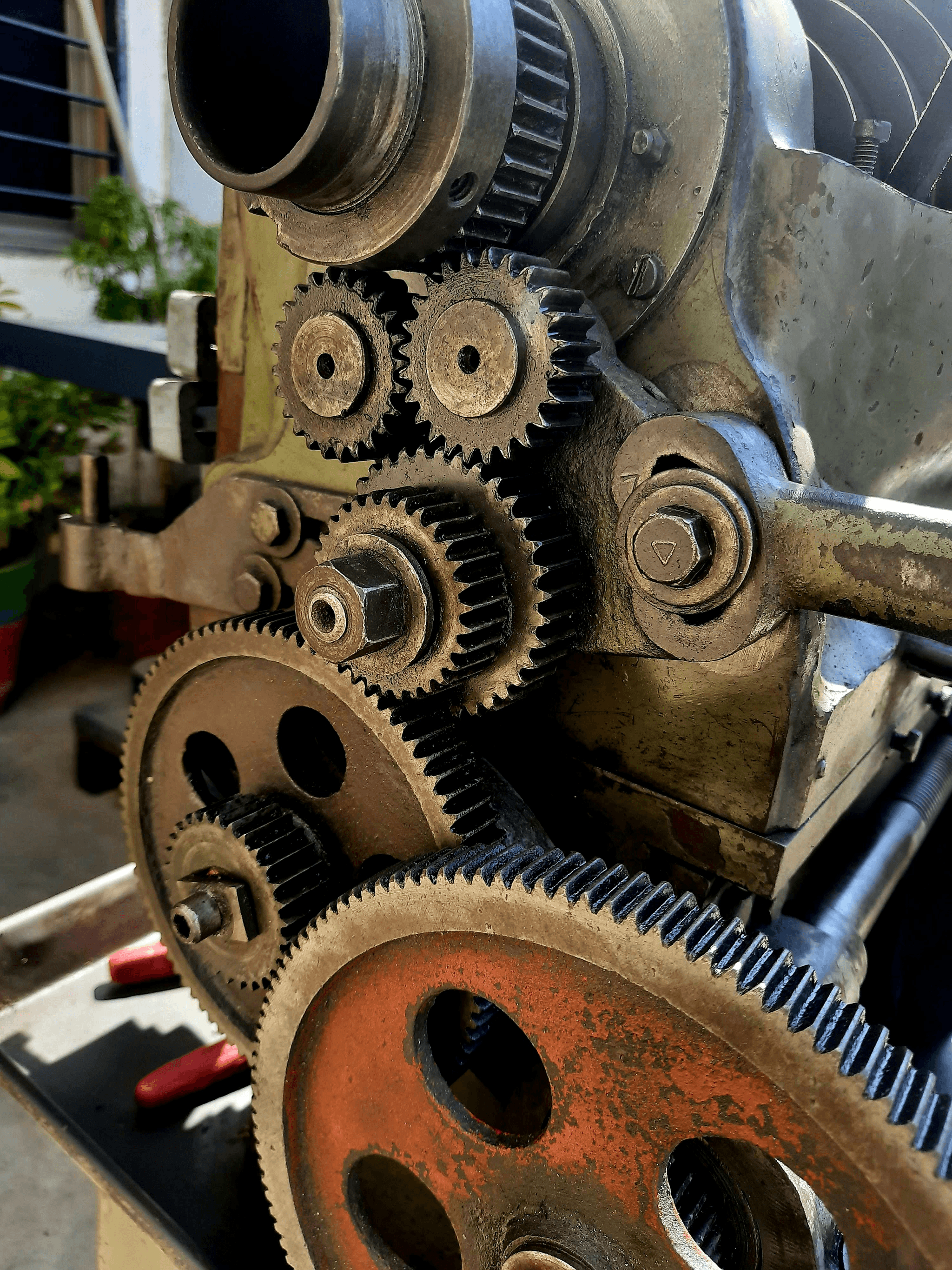
The AGMA 6006-A03 standard serves as a crucial guideline for gearbox inspection, particularly in ensuring that gear systems operate efficiently and reliably. This standard outlines the necessary practices for assessing the condition of gearboxes through various inspection methods, including visual inspection, functional inspection, and acoustical inspection. By adhering to these recommendations, organizations can enhance their maintenance strategies and prolong the lifespan of their gearboxes.
Introduction to AGMA 6006-A03
AGMA 6006-A03 is a comprehensive document developed by the American Gear Manufacturers Association that provides valuable insights into gearbox inspection protocols. This standard emphasizes the importance of regular inspections to identify potential issues before they escalate into costly failures. By incorporating AGMA standards into their maintenance routines, companies can ensure compliance with industry best practices while optimizing gearbox performance.
Key Inspection Metrics
Key metrics outlined in AGMA 6006-A03 focus on several critical aspects of gearbox inspection, including wear patterns, lubrication quality, and overall operational efficiency. Regular visual inspections help detect surface damages and signs of wear early on, while functional inspections assess load capacity under various operating conditions. Acoustical inspections play a vital role in identifying abnormal noise patterns that could indicate underlying problems within the gearbox system.
Aligning Practices with AGMA Standards
To align practices with AGMA 6006-A03 standards effectively, organizations should develop a structured approach to gearbox inspection that incorporates all three major types: visual inspection, functional inspection, and acoustical inspection. Training personnel on these methodologies is essential for fostering a culture of proactive maintenance within the organization. Furthermore, regular audits against IEC 61400-4 standards can help ensure continuous improvement and adherence to industry benchmarks in gearbox performance.
Conclusion
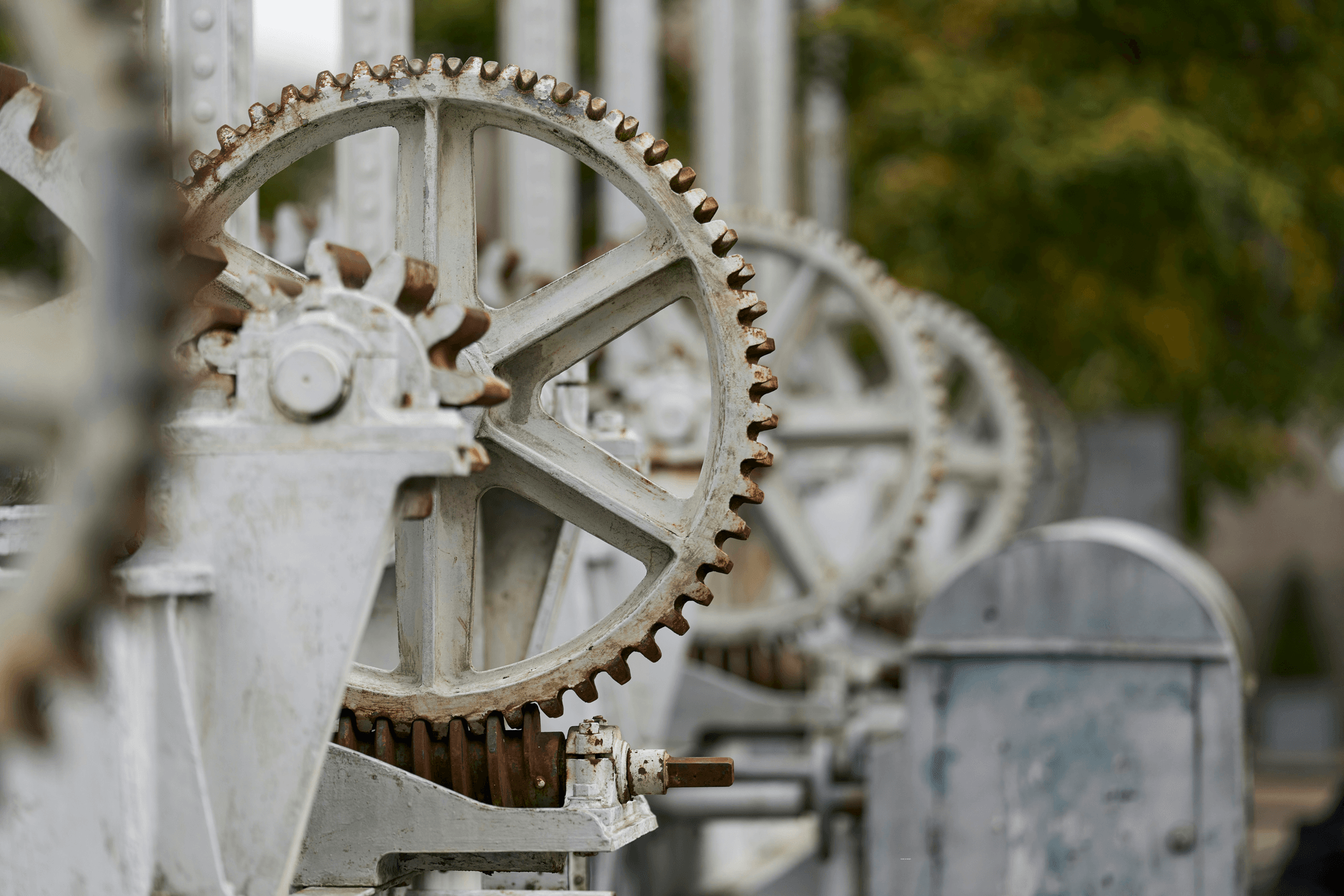
In the world of machinery, ensuring the longevity and efficiency of gearboxes is paramount. Gearbox inspection plays a crucial role in identifying potential issues before they escalate into costly failures. By incorporating various inspection methods—such as visual inspection, functional inspection, and acoustical inspection—operators can maintain optimal performance and extend the lifespan of their equipment.
Enhancing Gearbox Longevity
Regular gearbox inspections are essential for enhancing longevity and preventing unexpected breakdowns. Visual inspections allow technicians to spot surface damage and corrosion early on, while functional inspections assess operational performance under load conditions. Acoustical inspections further complement these methods by detecting abnormal noise patterns that may indicate underlying problems, ensuring that any issues are addressed promptly.
Why Choose Professional Inspection Services
While DIY checks may seem tempting, professional gearbox inspection services offer expertise that is hard to match. Trained professionals understand the nuances of IEC 61400-4 standards and AGMA 6006-A03 recommendations, ensuring compliance with industry benchmarks. By relying on specialists for gearbox inspection, businesses not only save time and resources but also gain peace of mind knowing their equipment is in expert hands.
The Role of China Inspection Pro in Quality Assurance
China Inspection Pro stands out as a leader in providing comprehensive gearbox inspection services tailored to meet international standards like IEC 61400-4 and AGMA 6006-A03. Their team employs advanced techniques across visual, functional, and acoustical inspections to deliver thorough assessments that enhance reliability and performance. Choosing China Inspection Pro means investing in quality assurance that safeguards your machinery's future while optimizing operational efficiency.