
Introduction
Getting your toilet checked might not be the most glamorous task, but mastering the art of reliable Toilet Inspection is essential for long-term performance and peace of mind. Whether you're dealing with a sleek one-piece toilet assembly or a more traditional two-piece toilet assembly, knowing what to look for can save you time and money down the line. A thorough visual inspection combined with targeted coating inspection and final inspection ensures that every component functions correctly, preventing costly repairs and unexpected breakdowns.
Mastering the Art of Reliable Toilet Inspection
Becoming proficient in Toilet Inspection involves understanding the nuances between different toilet types, especially the differences between one-piece toilet assembly and two-piece toilet assembly setups. Recognizing cracks, leaks, or damage during a visual inspection can make all the difference in maintaining optimal performance. Learning to evaluate each part carefully—whether it’s inspecting the coating for corrosion or verifying seal integrity—is key to mastering this art.
Why Quick and Accurate Inspections Matter
Quick yet accurate Toilet Inspection allows you to catch issues early before they escalate into major problems. When inspecting toilets—be it during routine maintenance or troubleshooting—a swift visual inspection combined with coating inspection ensures no detail is overlooked. Final inspection checks are crucial to confirm everything functions properly, giving you confidence that your toilet will perform reliably when needed most.
What You Need for a Successful Toilet Check
To conduct an effective Toilet Inspection, you'll need essential tools such as flashlights, wrenches, and perhaps some mirror aids for hard-to-see spots. Familiarity with both one-piece toilet assembly and two-piece toilet assembly designs helps streamline your process while conducting comprehensive inspections. Remember to set up a clear checklist covering everything from visual inspection to coating assessment and final checks—this will keep your inspections efficient and thorough every time.
Preparing for the Inspection
Before diving into a thorough toilet inspection, it's essential to gather all the necessary tools and equipment. Having a well-stocked toolkit ensures you can perform a comprehensive visual inspection, coating inspection, and final inspection without any hiccups. From flashlights to wrenches, preparing your gear ahead of time makes the process smoother and more efficient.
Understanding the different types of toilets—namely one-piece toilet assembly and two-piece toilet assembly—is crucial for accurate inspection. Each type has unique components and common issues that require tailored attention during your visual inspection. Familiarity with these variations helps you identify potential problems early on, saving time and preventing costly repairs later.
Setting up a clear inspection checklist is your secret weapon for an effective toilet check. This checklist should include key points like checking for cracks, leaks, damage on coatings, and ensuring proper installation during both initial visual inspections and coating inspections. A structured approach guarantees nothing gets overlooked during the final inspection phase, leading to reliable results every time.
[Image description=tools laid out on a workbench: flashlight, wrench, mirror; close-up of toilet parts; checklist sheet in hand], Image name=toilet_inspection_tools_checklist, Alt tag=Toilet Inspection tools and checklist ready for thorough evaluation
Conducting a Visual Inspection
Performing a thorough visual inspection is the cornerstone of effective Toilet Inspection. It’s your first line of defense against potential issues, catching problems before they escalate into costly repairs. Whether you're inspecting a sleek one-piece toilet assembly or a more traditional two-piece toilet assembly, paying attention to detail can save you time and money down the line.
Check for Cracks, Leaks, and Damage
Start by carefully examining the entire surface of the toilet for any cracks or visible damage, as these can compromise the integrity of both one-piece and two-piece toilet assemblies. Leaks around the base or tank are often subtle but can cause significant water wastage if overlooked during your visual inspection. Remember, early detection of cracks or leaks through diligent visual inspection helps prevent bigger issues during final inspection stages.
Inspect Flushing Mechanisms
Next up is inspecting the flushing mechanisms—these are critical components in both one-piece and two-piece toilet assemblies. Ensure that handles operate smoothly without sticking and that flushes are complete without leaks or hesitation. A quick check during your visual inspection will reveal if parts need adjustment or replacement before moving on to coating inspection and final checks.
Assess Overall Toilet Condition
Finally, assess the overall condition of the toilet, including stability and cleanliness. A wobbling unit might indicate improper installation or damage in either type of assembly, which warrants further investigation during subsequent inspections. Conducting this comprehensive visual inspection ensures all components align perfectly before proceeding to coating checks and final inspection procedures.
[Image description=close-up view of a person inspecting a toilet for cracks and leaks, focusing on base and tank joints, clear lighting, detailed focus on surface integrity, tools nearby], Image name=toilet_inspection_cracks_leaks_damage, Alt tag=Toilet Inspection checking for cracks and leaks in toilet assembly
Examining the Toilet Assembly
When it comes to Toilet Inspection, a thorough examination of the entire toilet assembly is crucial for identifying potential issues before they become costly repairs. Whether you're inspecting a one-piece toilet assembly or a two-piece setup, understanding the nuances helps ensure each component functions seamlessly. Proper inspection techniques can save time and prevent future leaks or malfunctions, making your final inspection more accurate and reliable.
Focus on One-piece Toilet Assembly
One-piece toilet assemblies are designed with all components fused into a single unit, which often makes visual inspection easier since there are fewer joints and seams to scrutinize. During your Toilet Inspection, pay close attention to the integrity of the coating, looking for signs of corrosion or damage that could compromise the seal or overall durability. Conducting a detailed coating inspection during your visual inspection phase helps catch issues early, ensuring that the final inspection confirms everything is in tip-top shape.
Evaluate Two-piece Toilet Assembly
Two-piece toilet assemblies consist of separate tank and bowl components connected during installation. These require careful evaluation during your visual inspection to ensure there are no leaks at the connection points or cracks in either part. When inspecting a two-piece setup, focus on how well each piece fits together; improper fitting can cause leaks and reduce performance over time—so ensure proper installation and fit are part of your assessment. A comprehensive toilet inspection should include checking for any signs of wear around seals and joints, which could be overlooked if not thoroughly examined.
Ensure Proper Installation and Fit
No matter if you’re dealing with a one-piece or two-piece toilet assembly, proper installation is key to long-term reliability. During your final inspection phase, verify that all components are correctly aligned and securely fitted—loose fittings can lead to leaks and damage down the line. Incorporate coating inspections as part of this process too; damaged coatings may indicate underlying problems that need addressing before completing your final inspection report.
[Image description=close-up of toilet assembly showing cracks and sealing issues with emphasis on fitting details, tools nearby for adjustment, detailed visual inspection process, high-resolution image={}, Alt tag=Toilet Inspection focusing on assembly integrity]
Coating and Surface Inspection
A thorough coating and surface inspection is essential during toilet inspection to ensure longevity and hygiene. Whether you're evaluating a one-piece toilet assembly or a two-piece toilet assembly, checking for corrosion or surface damage helps prevent future leaks and costly repairs. During visual inspection, pay close attention to the coating's condition, as compromised surfaces can harbor bacteria and lead to bacterial build-up risks if left unchecked.
Look for Corrosion or Damage on Coatings
When conducting a toilet inspection, inspecting the coatings on both one-piece toilet assemblies and two-piece toilet assemblies is crucial. Corrosion or damage on the coatings can compromise the integrity of the entire unit, leading to leaks or structural failure over time. Regular coating inspection during your final inspection ensures that any early signs of deterioration are caught before they escalate into major issues.
Verify Seal Integrity
Seal integrity is vital in maintaining a leak-free environment within your toilet setup. During visual inspections, check that seals around the toilet assembly—whether one-piece or two-piece—are intact without cracks or wear. Properly sealed toilets are easier to maintain and less likely to develop bacterial build-up risks due to water seepage or surface damage.
Detect Potential Bacterial Build-up Risks
Bacterial build-up can occur unnoticed if surface conditions are neglected during a detailed toilet inspection. Surfaces with compromised coatings or damaged seals provide an ideal breeding ground for bacteria, especially in areas prone to moisture like around the base of both one-piece and two-piece toilets. A comprehensive coating inspection during final checks helps identify these risks early, ensuring thorough sanitation and long-term hygiene.
Final Inspection and Reporting
The final stage of a thorough Toilet Inspection is crucial to ensure every component functions correctly and the overall toilet system is in top shape. During this phase, inspectors double-check that the flushing mechanisms, seals, and surface coatings are all intact and performing as expected. This step helps identify any lingering issues with both one-piece toilet assembly and two-piece toilet assembly setups before they escalate into costly repairs.
Confirm All Components Function Correctly
In the final inspection, it's essential to verify that all components—such as flush valves, fill valves, and flappers—are operating smoothly within both one-piece toilet assembly and two-piece toilet assembly configurations. A visual inspection during this process ensures there are no hidden leaks or malfunctions that could compromise performance or hygiene. Confirming proper functioning guarantees your toilet will perform reliably over time, preventing unexpected breakdowns.
Document Findings Clearly
Clear documentation is key to effective reporting after a comprehensive Toilet Inspection. Record specific details about issues observed during the visual inspection—like cracks, leaks, or corrosion on coatings—and note whether these are present in the one-piece or two-piece assembly parts. Well-organized records help communicate necessary repairs or replacements clearly to clients or maintenance teams while serving as a reference for future inspections.
Recommendations for Repairs or Replacements
Based on the final inspection findings, it’s important to provide practical recommendations tailored to each situation. If coating inspection reveals corrosion on surfaces of either a one-piece toilet assembly or two-piece toilet assembly, prompt repairs should be suggested to prevent further damage. Sometimes replacing worn-out components—such as seals or flushing mechanisms—can save time and money while ensuring optimal performance during future Toilet Inspection routines.
[Image description=close-up of a technician inspecting a toilet’s internal parts for cracks and leaks during final checkup, focus on surface coatings and seal integrity, tools in hand], [Image name=toilet-inspection-final-check], [Alt tag=Toilet Inspection final check focusing on component functionality]
Utilizing China Inspection Pro Services
Partnering with China Inspection Pro elevates your toilet inspection process from basic to bulletproof. Their professional quality inspection services ensure every detail, from the one-piece toilet assembly to the two-piece toilet assembly, is scrutinized with precision. This means fewer surprises down the line and more confidence in your toilet’s performance, whether it’s a visual inspection or coating inspection.
How Professional Quality Inspection Enhances Reliability
A thorough professional quality inspection guarantees that all components of your toilet, including the one-piece and two-piece assemblies, meet rigorous standards. Experts meticulously check for cracks, leaks, and damage during visual inspections and verify coating integrity to prevent corrosion or bacterial buildup. By ensuring proper installation and fit during final inspection, they help you avoid costly repairs and extend your toilet’s lifespan.
Benefits of Expert Assistance in Toilet Inspection
Getting expert assistance means you get a detailed assessment of both the one-piece toilet assembly and two-piece models, highlighting potential issues before they escalate. Professionals excel at conducting comprehensive visual inspections that catch subtle damages or seal failures that might be missed otherwise. Their insights into coating conditions and overall condition during final inspection translate into actionable recommendations for repairs or replacements—saving you time and money.
Turning Inspection Results into Actionable Insights
Once the inspection is complete, turning results into actionable insights is key to maintaining long-term performance. Experts analyze findings from visual inspections, coating assessments, and final checks to prioritize repairs or upgrades efficiently. With clear documentation on each component’s status—including any damage in the one-piece or two-piece assembly—you can plan maintenance proactively rather than reactively.
Conclusion
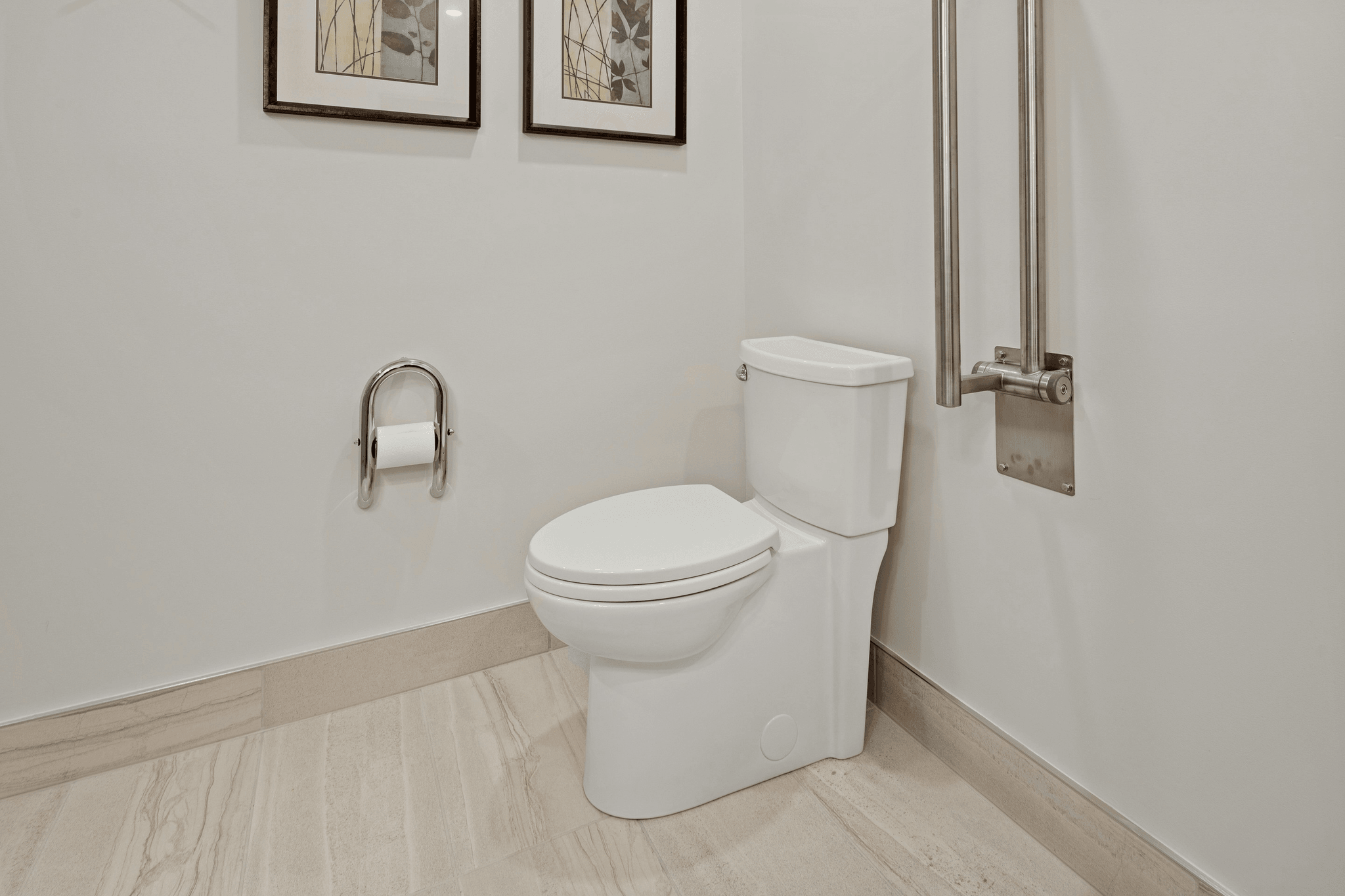
A thorough Toilet Inspection is the cornerstone of maintaining long-term toilet performance and avoiding costly repairs down the line. Whether you're dealing with a One-piece toilet assembly or a Two-piece toilet assembly, regular visual inspections help catch issues early before they escalate. Remember, a comprehensive final inspection ensures all components are functioning properly, safeguarding your investment and peace of mind.
Ensuring Long-term Toilet Performance
Consistent Toilet Inspection, especially focusing on both One-piece toilet assembly and Two-piece toilet assembly setups, is essential for durable performance. By routinely checking for cracks, leaks, and damage during visual inspections, you can prevent minor problems from turning into major repairs. Proper coating inspection also plays a vital role in maintaining surface integrity and preventing bacterial build-up risks over time.
The Advantages of Regular, Reliable Inspections
Scheduling regular inspections guarantees that your toilet remains in top condition—saving money and reducing downtime caused by unexpected failures. A diligent final inspection confirms all components function correctly after repairs or installations, ensuring reliability day after day. Leveraging routine coating inspection and visual checks means fewer surprises and more confidence in your toilet’s long-term health.
Your Partner in Quality Assurance with China Inspection Pro
Partnering with experts like China Inspection Pro elevates your Toilet Inspection process to new heights of accuracy and efficiency. Their professional services enhance reliability by providing detailed assessments of both One-piece toilet assembly and Two-piece toilet assembly units. With their support, turning inspection results into actionable insights becomes seamless—helping you maintain optimal performance while prolonging the lifespan of your toilets.