
Introduction

Casting defects can turn a smooth production process into a costly nightmare, impacting both product quality and customer satisfaction. Understanding what are casting defects and their root causes allows manufacturers to address issues before they escalate, saving time and money. By catching problems early—like gas porosity casting defects or mold material casting defects—companies can maintain high standards and reduce waste, ensuring every cast part meets specifications.
Understanding the Impact of Casting Defects on Product Quality
Casting defects, such as metallurgical casting defects or shrinkage casting defects, directly threaten the structural integrity of finished products. When these flaws go unnoticed, they can lead to premature failure or safety hazards down the line. Recognizing what are casting defects and their causes—be it gas porosity or mold-related issues—is essential for safeguarding overall product quality.
Why Identifying Causes is Key to Prevention
Knowing why casting defects occur—whether from gas entrapment, mold material inconsistencies, or metallurgical flaws—is crucial for preventing future problems. Identifying causes like shrinkage or gas porosity helps implement targeted corrective measures before defective products reach customers. Prevention becomes much easier when you understand what are casting defects and how each type arises from specific process variables.
How China Inspection Pro Can Help Detect Casting Defects Early
Partnering with China Inspection Pro offers a strategic advantage in early detection of casting defects through advanced inspection techniques. Their expertise in identifying issues such as gas porosity, mold material faults, or metallurgical inconsistencies ensures that potential problems are caught before mass production. Early detection not only preserves product integrity but also minimizes costly rework related to unseen casting defects.
Common Casting Defects and Their Significance
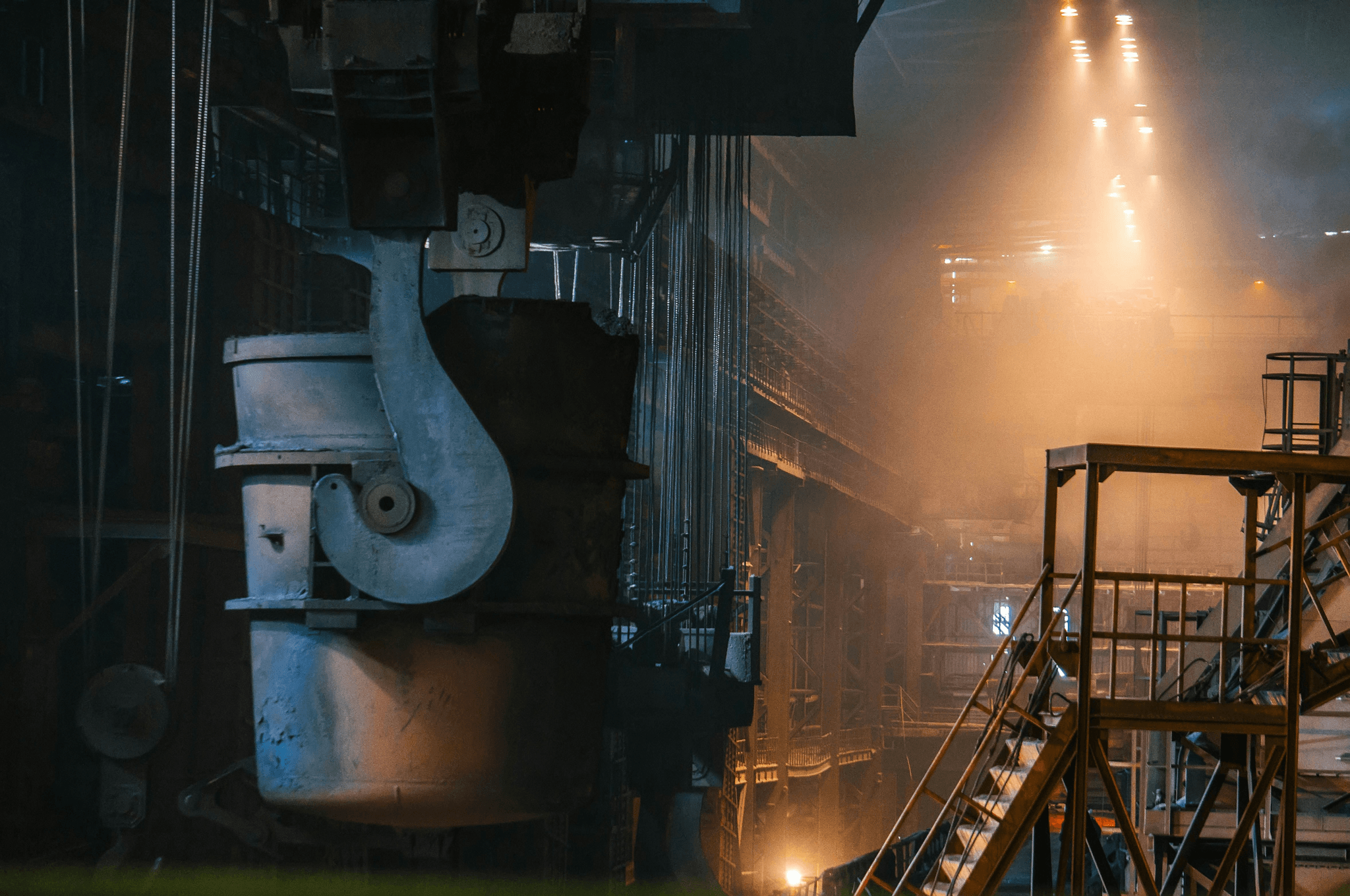
Casting defects are flaws that occur during the manufacturing process, often compromising the final product’s quality and performance. Understanding what are casting defects is crucial for manufacturers aiming to produce durable, reliable components. These defects can originate from various sources, including gas porosity casting defects and causes, mold material issues, metallurgical inconsistencies, or shrinkage problems.
Overview of Typical Casting Defects
Casting defects encompass a wide range of imperfections such as gas porosity casting defects and causes, shrinkage cavities, cold shuts, inclusions, and surface irregularities. Gas porosity casting defects are among the most common issues caused by trapped gases during solidification, leading to weak spots in the final product. Mold material casting defects and causes often involve improper mold composition or contamination that results in surface roughness or incomplete filling.
How Casting Defects Affect Structural Integrity
Casting defects directly impact the strength and durability of a component by creating stress concentration points or internal weaknesses. For instance, metallurgical casting defects and causes like improper grain structure can lead to brittle fractures under load. Ignoring these flaws—such as those caused by shrinkage casting defects and causes—can result in catastrophic failure in critical applications like aerospace or automotive parts.
The Cost of Ignoring Casting Defects
Overlooking casting defects can be costly both financially and reputationally; defective products may lead to recalls or safety hazards. Gas porosity casting defects and causes reduce a part’s load-bearing capacity, risking premature failure if not detected early through proper inspection methods like China Inspection Pro. Addressing mold material casting defects and causes promptly prevents costly rework or scrap while ensuring consistent quality throughout production runs.
Gas Porosity Casting Defects and Causes
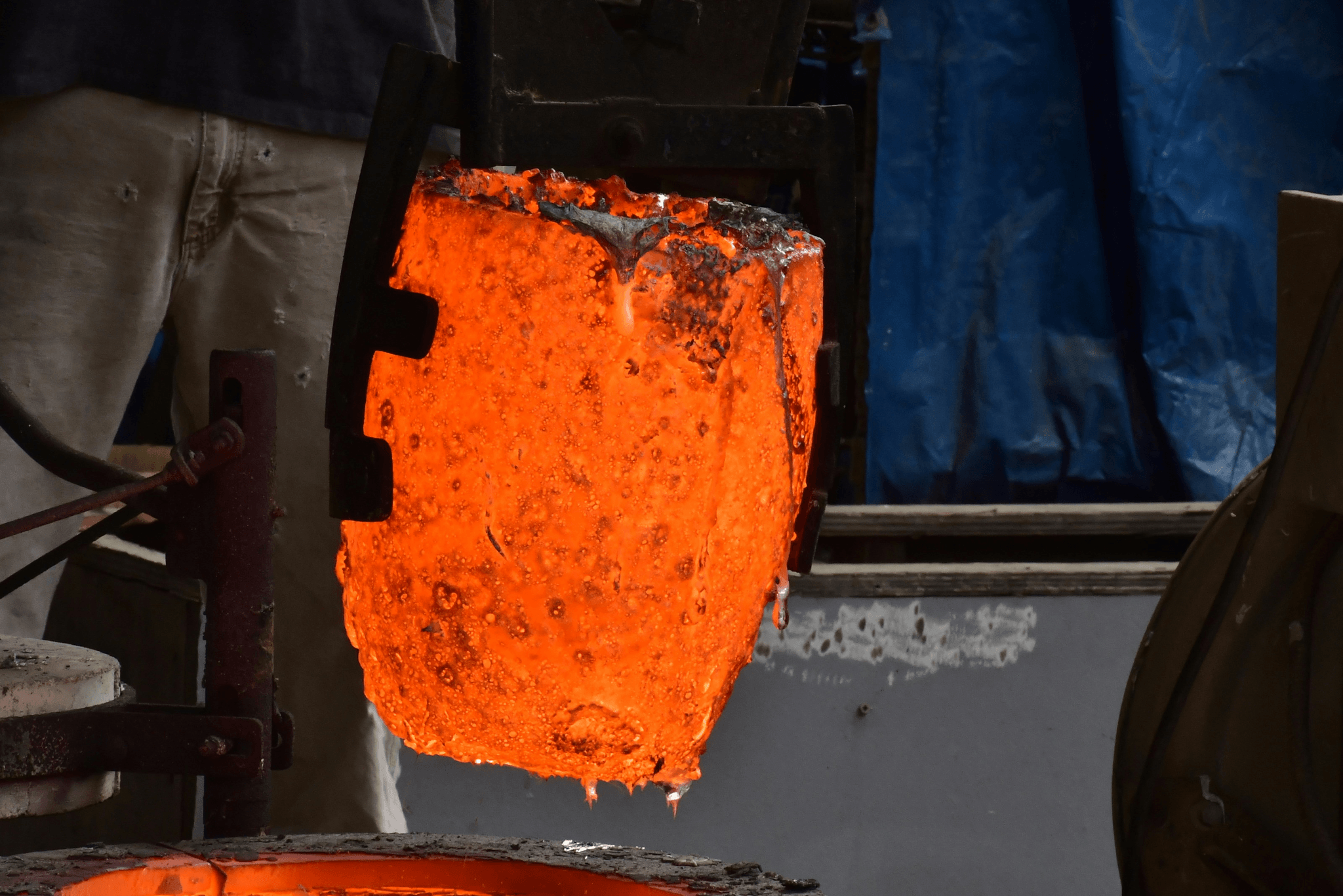
Gas porosity is one of the most common casting defects that can sneak into your product unnoticed until it's too late. It appears as tiny, bubble-like cavities within the casting material, compromising strength and durability. Understanding what causes gas porosity is crucial for preventing this defect from ruining your final product.
What Is Gas Porosity and Why It Occurs
Gas porosity in casting refers to small pockets of trapped gas within the metal as it solidifies, creating voids that weaken the structure. These voids are often invisible to the naked eye but can lead to catastrophic failure under stress. Recognizing what are casting defects like gas porosity helps manufacturers identify vulnerabilities early in the process.
Common Sources of Gas Entrapment
Gas entrapped during casting can originate from various sources, including moisture in mold materials or improper venting systems. When mold materials such as certain sands or ceramics contain moisture or organic impurities, they release gases during pouring, leading to gas porosity defects. Additionally, inadequate venting allows gases generated during pouring to become trapped inside the metal.
Techniques to Minimize Gas Porosity in Castings
To minimize gas porosity caused by casting defects, controlling mold material quality is essential—using dry, well-prepared molds reduces moisture-related issues. Implementing proper venting channels ensures gases escape efficiently during pouring and solidification processes. Regular inspection with China Inspection Pro can help detect early signs of gas entrapment issues before they develop into costly defects.
By paying close attention to these causes and techniques, manufacturers can significantly reduce the incidence of gas porosity casting defects, ensuring stronger and more reliable products—because ignoring these issues only leads to higher costs down the line.
Mold Material Casting Defects and Causes
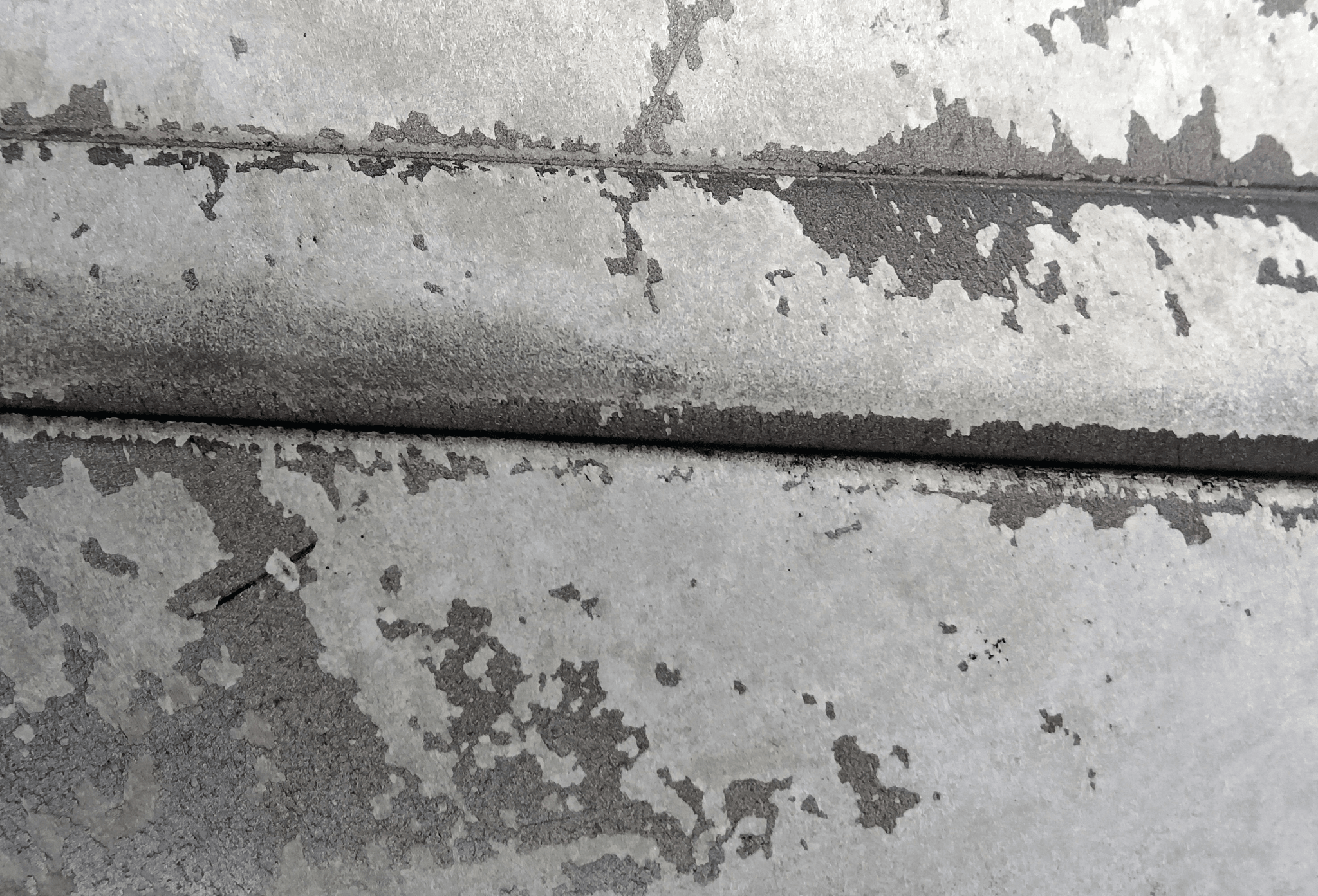
Mold material plays a pivotal role in determining the overall quality of casting products. When mold composition isn't carefully controlled, it can introduce various casting defects that compromise structural integrity and performance. Understanding how mold material influences casting quality is essential to prevent issues like gas porosity casting defects and causes, which often stem from improper mold choices or preparation.
Mold-related defects are often subtle but can have significant consequences if overlooked. These defects include surface imperfections, incomplete fills, or internal flaws such as hot tears and cracks—each linked to specific mold material issues. Recognizing these signs early helps manufacturers address the root causes of casting defects and avoid costly rework or rejection.
Selecting the right mold material is crucial in preventing casting defects related to mold composition. Different materials possess unique thermal and chemical properties that impact gas entrapment, shrinkage, or metallurgical reactions during casting. By choosing appropriate molds tailored to specific alloys and processes, producers can significantly reduce the occurrence of casting defects like gas porosity casting defects and causes, ensuring higher-quality outputs.
Metallurgical Casting Defects and Causes
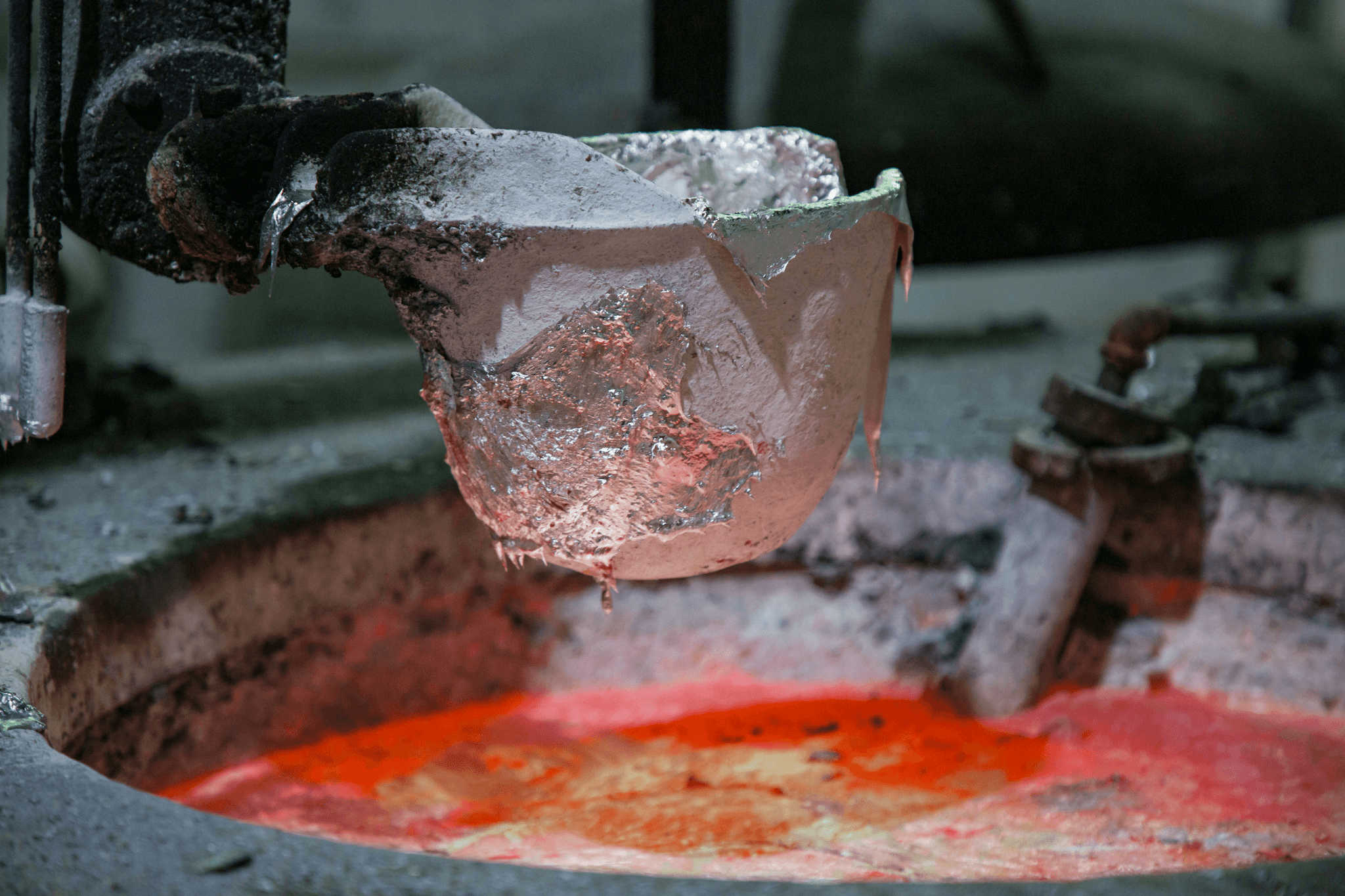
Metallurgical casting defects and causes are critical to understand because they directly impact the strength, durability, and overall quality of cast products. These types of casting defects often originate from issues within the metal's grain structure or improper process control, leading to weaknesses that can cause failures down the line. Recognizing what are casting defects related to metallurgy helps manufacturers implement better practices to prevent costly rework or scrap.
Understanding Grain Structure and Its Role
The grain structure in a casting is like its skeletal framework—if it's not formed properly, the entire piece can become fragile or prone to cracking. Metallurgical casting defects and causes often stem from irregularities in grain size or orientation, which compromise structural integrity. When investigating what are casting defects, especially metallurgical ones, understanding how grain structure impacts mechanical properties is essential for quality assurance.
Common Metallurgical Defects and How They Form
Common metallurgical casting defects include segregation, hot tears, and porosity—each with distinct causes rooted in process variables. These metallurgical casting defects often occur when cooling rates are uneven or impurities interfere with proper solidification, leading to weak spots or inclusions within the metal. Identifying these defect types early can save time and money by addressing their root causes before final production.
Improving Metallurgical Quality Through Process Control
To minimize metallurgical casting defects and causes, strict process control is key—think precise temperature management, controlled cooling rates, and careful alloy selection. Implementing rigorous quality checks ensures that issues like improper grain formation or inclusions don't slip through the cracks (pun intended). By focusing on process control strategies, manufacturers can significantly reduce the occurrence of these types of casting defects and improve overall product reliability.
Shrinkage Casting Defects and Causes
Shrinkage is one of the sneakiest casting defects that can jeopardize the integrity of your final product. These defects occur when metal cools and solidifies, contracting more than expected, leaving behind voids or cavities. Recognizing what are casting defects related to shrinkage is crucial because they often go unnoticed until it’s too late, leading to costly rework or failure.
What Are Shrinkage Defects and Why They Happen
Casting defects caused by shrinkage manifest as small to large cavities within the metal, typically forming during solidification when the metal volume decreases faster than the mold can compensate. These shrinkage defects happen because metals naturally contract as they cool, but if not managed properly, this contraction results in internal voids. Understanding what are casting defects like shrinkage is vital for preventing compromised structural integrity in your castings.
Factors Contributing to Shrinkage
Several factors contribute to shrinkage casting defects and causes, including improper gating systems that don’t allow for adequate feeding of molten metal, or inadequate riser design which fails to supply additional molten material during solidification. Additionally, high cooling rates or uneven temperature distribution can exacerbate these issues by causing premature solidification in certain areas. Recognizing these factors helps identify potential sources of casting defects early in the process.
Strategies for Shrinkage Prevention in Castings
To combat shrinkage casting defects and causes effectively, employing proper process controls such as optimizing gating systems and riser placement is essential—these strategies ensure sufficient feeding of liquid metal during solidification. Using chills or insulating mold materials can also slow down cooling rates, reducing the likelihood of shrinkage cavities forming. Ultimately, understanding what are casting defects like shrinkages allows manufacturers to implement preventative measures that save time and money while boosting product quality.
Conclusion
Preventing casting defects is crucial for ensuring product quality and reducing costly rework. Recognizing what are casting defects and understanding their causes—such as gas porosity, mold material issues, metallurgical flaws, or shrinkage—empowers manufacturers to implement effective preventative measures. A proactive approach to identifying and addressing these common issues can significantly enhance the integrity of the final product.
Inspection and quality control play a vital role in catching casting defects early before they escalate into major problems. Regular inspections help detect gas porosity casting defects and causes that might be invisible to the naked eye, while thorough testing can reveal mold material casting defects and causes that compromise structural strength. Incorporating rigorous quality checks throughout the process ensures that metallurgical casting defects and causes are minimized, maintaining consistent standards.
Partnering with China Inspection Pro offers a strategic advantage in achieving superior casting assurance. Their expertise helps identify shrinkage casting defects and causes early on, preventing costly downstream failures. With advanced inspection techniques tailored to address all types of casting defects—including gas porosity, mold-related issues, metallurgical flaws, and shrinkage—China Inspection Pro stands out as a reliable partner for manufacturers committed to excellence.